Embark on a tantalizing culinary journey with our 2 hour smoker recipes, where time meets taste in perfect harmony. Discover the art of transforming ordinary ingredients into extraordinary smoked masterpieces, all within the convenience of a swift two-hour timeframe.
From succulent smoked meats to delicate seafood delights, from vibrant vegetable creations to luscious fruit explorations, this comprehensive guide unveils the secrets of smoking techniques, essential equipment, wood selection, and more. Prepare to elevate your grilling game and impress your taste buds with our curated collection of mouthwatering recipes.
Smoked Meats

Delve into the realm of smoked meats, where tantalizing flavors and succulent textures dance on the palate. This culinary journey will explore a delectable array of classic and innovative recipes that can be mastered within the confines of a mere 2 hours, leaving you with a feast fit for a king or queen.
To embark on this smoky adventure, it is essential to select the appropriate vessel for your culinary creations. From traditional charcoal smokers to electric wonders and gas-powered behemoths, each type of smoker imparts its own unique nuances to the smoking process.
Charcoal smokers reign supreme in the realm of authenticity, imbuing meats with an inimitable smoky essence. Electric smokers, on the other hand, offer the convenience of precise temperature control, while gas smokers strike a balance between the two, providing a blend of flavor and ease of use.
Classic Smoked Meat Recipes
- Smoked Pulled Pork:Tender and succulent pork shoulder infused with a symphony of spices, shredded to perfection and ready to melt in your mouth.
- Smoked Beef Brisket:A majestic cut of beef, seasoned with a robust rub and smoked to an unparalleled level of tenderness, boasting a captivating smoke ring.
- Smoked Salmon:Delicate and flavorful, smoked salmon is a culinary masterpiece that can be enjoyed as an appetizer, main course, or elegant hors d’oeuvre.
Innovative Smoked Meat Recipes
- Smoked Chicken Wings:Elevate your game-day gatherings with these addictive chicken wings, smoked to perfection and glazed with a tantalizing sauce.
- Smoked Meatloaf:A classic comfort food reinvented with a smoky twist, featuring a blend of ground meats, savory spices, and a delectable glaze.
- Smoked Turkey Legs:Experience the grandeur of a Thanksgiving feast year-round with these colossal turkey legs, smoked to a golden-brown hue and bursting with flavor.
Seafood Delicacies

Indulge in the exquisite flavors of the sea with our tantalizing smoked seafood recipes. Discover innovative ways to elevate fish, shellfish, and crustaceans to culinary masterpieces within a mere two hours.
The art of smoking seafood lies in balancing delicate flavors with the robust smokiness of woods like applewood, hickory, or mesquite. We’ll delve into the techniques for achieving perfectly smoked seafood, ensuring a moist and tender interior with a tantalizing crust.
Smoking Fish
Unlock the secrets of smoking fish to perfection. From the succulent flesh of salmon to the firm texture of tuna, we’ll explore the nuances of each species and the optimal smoking times and temperatures.
- Seasoning: Enhance the natural flavors of fish with a blend of herbs, spices, and salt.
- Brining: Immerse the fish in a saltwater solution to draw out excess moisture and enhance flavor absorption.
- Smoking: Control the temperature and smoke intensity to achieve the desired level of smokiness and doneness.
Smoking Shellfish
Discover the intricacies of smoking shellfish, such as oysters, clams, and mussels. These delicate creatures require careful handling and precise temperature control to preserve their delicate flavors.
- Cleaning: Remove any sand or debris from the shellfish before smoking.
- Seasoning: Lightly season the shellfish with salt and pepper to enhance their natural sweetness.
- Smoking: Use a low-temperature smoke to gently cook the shellfish without overcooking.
Smoking Crustaceans
Elevate the flavors of crustaceans like shrimp, lobster, and crab with the art of smoking. These larger creatures require a bit more time and attention to achieve optimal results.
- Brining: Immerse the crustaceans in a saltwater solution to enhance their flavor and moisture.
- Seasoning: Apply a flavorful rub or marinade to the crustaceans to enhance their smokiness.
- Smoking: Use a moderate-temperature smoke to cook the crustaceans through while infusing them with a rich smokiness.
Vegetable Creations

Vegetarian and vegan diets are becoming increasingly popular, and smoking is a great way to add flavor and depth to plant-based dishes. Smoked vegetables have a unique, smoky flavor that is both complex and satisfying. They can be used as a side dish, an appetizer, or even as the main course.
Smoking vegetables is a relatively simple process. All you need is a smoker, some wood chips, and your favorite vegetables. The key to achieving optimal flavor is to smoke the vegetables at a low temperature for a long period of time.
This allows the smoke to penetrate the vegetables and develop a rich, smoky flavor.
Tips for Smoking Vegetables
- Use hardwoods such as oak, hickory, or mesquite for a more intense flavor.
- Soak the wood chips in water for at least 30 minutes before using them. This will help to prevent them from burning too quickly.
- Smoke the vegetables at a low temperature, between 225-250 degrees Fahrenheit (107-121 degrees Celsius).
- Smoke the vegetables for a long period of time, at least 2-3 hours. This will allow the smoke to penetrate the vegetables and develop a rich, smoky flavor.
- Use a meat thermometer to check the internal temperature of the vegetables. They are done when they reach an internal temperature of 165 degrees Fahrenheit (74 degrees Celsius).
Fruitful Explorations
The world of smoking extends beyond meats and seafood, inviting us to explore the sweet and savory potential of fruits. Smoking imparts a unique depth of flavor, caramelizing natural sugars and infusing fruits with a hint of smokiness.
In this section, we’ll embark on a culinary adventure, discovering delectable smoked fruit desserts, preserves, and savory dishes that will tantalize your taste buds and inspire your creativity.
Smoked Fruit Desserts
Indulge in the symphony of flavors as smoked fruits elevate your desserts to new heights. Imagine velvety panna cotta topped with smoked strawberries, their sweetness enhanced by a subtle smokiness, or a decadent chocolate mousse adorned with smoked raspberries, the tartness perfectly balanced by the richness of the chocolate.
- Smoked Fruit Tarts:Create a symphony of flavors with a flaky pastry crust filled with a medley of smoked fruits, such as apples, pears, and cranberries, topped with a drizzle of honey glaze.
- Smoked Fruit Sorbet:Refresh your palate with a vibrant sorbet made from smoked berries, peaches, or apricots, its icy texture contrasting beautifully with the smoky undertones.
- Smoked Fruit Pavlova:Delight in the airy elegance of a pavlova topped with a luscious layer of smoked fruit compote, its sweetness perfectly complemented by the meringue’s delicate crunch.
Smoked Fruit Preserves
Preserve the bounty of summer’s fruits by smoking them. The resulting preserves boast an intense, smoky flavor that will add a touch of sophistication to your culinary creations.
- Smoked Peach Jam:Savor the sweetness of smoked peaches in a homemade jam, perfect for spreading on toast, scones, or pancakes.
- Smoked Blueberry Compote:Create a versatile compote from smoked blueberries, ideal for topping yogurt, ice cream, or even grilled meats.
- Smoked Fig Preserves:Experience the unique flavor of smoked figs in a rich and decadent preserve, perfect for pairing with cheese or crackers.
Savory Smoked Fruit Dishes
Beyond desserts and preserves, smoked fruits can add a surprising twist to savory dishes. Their smoky flavor adds depth and complexity, elevating everyday recipes into culinary masterpieces.
- Smoked Fruit Salsa:Delight your taste buds with a vibrant salsa made from smoked tomatoes, onions, and peppers, its smokiness adding a layer of intrigue to the classic dip.
- Smoked Fruit Glaze:Enhance the flavor of grilled meats with a smoky fruit glaze, such as a smoked apricot glaze for chicken or a smoked cherry glaze for pork.
- Smoked Fruit Chutney:Add a tangy and flavorful accompaniment to your meals with a smoked fruit chutney, such as a smoked apple chutney for curries or a smoked pineapple chutney for grilled fish.
Smoking Techniques
Smoking is a versatile cooking method that infuses food with a unique smoky flavor. For 2-hour recipes, two main smoking techniques are commonly used: hot smoking and cold smoking.
Hot smoking is a relatively quick process that involves exposing food to smoke at temperatures between 225°F and 275°F (107°C and 135°C). This technique cooks the food while infusing it with a smoky flavor. Hot smoking is suitable for a variety of foods, including meats, poultry, fish, and vegetables.
Cold Smoking
Cold smoking, on the other hand, is a slower process that involves exposing food to smoke at temperatures below 100°F (38°C). This technique does not cook the food but rather preserves it and imparts a delicate smoky flavor. Cold smoking is typically used for meats, fish, and cheese.
Essential Equipment
To achieve mouthwatering smoked delicacies within 2 hours, having the right tools is crucial. This equipment enhances the smoking process, ensuring optimal flavor infusion and precise temperature control.
The following essential items will empower you to create exceptional smoked dishes in a timely manner:
Smoker
- Electric Smoker:Ideal for beginners, these smokers provide consistent temperature control and require minimal monitoring.
- Propane Smoker:Offers greater heat output and a more intense smoke flavor, perfect for meats and vegetables.
- Charcoal Smoker:Imparts a distinctive smoky taste, but requires more attention to maintain temperature.
Thermometer
A reliable thermometer is indispensable for monitoring the internal temperature of the food, ensuring it reaches the desired doneness without overcooking.
Smoking Wood
Choose the right type of smoking wood to impart the desired flavor profile. Popular options include hickory, mesquite, applewood, and oak.
Wood Chips/Chunks
Wood chips or chunks provide the fuel for the smoker, creating the smoke that infuses the food with flavor.
Water Pan
A water pan placed inside the smoker helps regulate temperature and adds moisture to the cooking environment, preventing the food from drying out.
Smoking Box, 2 hour smoker recipes
A smoking box allows you to add smoke flavor to food without using a dedicated smoker. It can be placed on a grill or stovetop.
Other Tools
- Sharp Knife:For trimming and preparing the food.
- Tongs:For handling the food during the smoking process.
- Gloves:To protect your hands from heat and smoke.
Wood Selection: 2 Hour Smoker Recipes
Selecting the right wood for smoking is crucial as it greatly influences the flavor and aroma of your smoked delicacies. Different types of wood impart distinct characteristics, ranging from subtle nuances to robust and smoky profiles.
Hardwoods, such as oak, hickory, and maple, are preferred for smoking as they burn slowly and evenly, producing a clean and consistent smoke. Softwoods, like pine and cedar, are generally not recommended for smoking due to their tendency to burn too quickly and produce a harsh, bitter smoke.
Types of Wood and Their Impact on Flavor
- Oak:A classic choice, oak imparts a mild to medium smoke flavor with hints of sweetness and earthiness. It pairs well with a wide range of meats, poultry, and seafood.
- Hickory:Hickory wood produces a strong, robust smoke flavor with a slightly sweet undertone. It is particularly suitable for smoking meats like pork, beef, and ribs.
- Maple:Maple wood imparts a delicate, slightly sweet smoke flavor. It is often used to smoke fish, poultry, and vegetables, adding a touch of sophistication to the dishes.
- Fruitwoods:Woods from fruit trees, such as apple, cherry, and peach, provide a mild, fruity smoke flavor. They are ideal for smoking meats, poultry, and vegetables, adding a touch of sweetness and complexity.
Brining and Seasoning
Enhance the flavors and tenderness of your smoked creations with the art of brining and seasoning. These techniques transform ordinary ingredients into extraordinary culinary delights.
Brining
Brining involves submerging meats, seafood, or vegetables in a saltwater solution for an extended period. This process infuses the ingredients with moisture, resulting in juicier, more flavorful results. Brining also helps break down tough fibers, making meats more tender.
- Meat Brining:For meats like pork, beef, or chicken, use a brine solution of 1/4 cup salt per gallon of water. Brine for 12-24 hours, depending on the size and thickness of the meat.
- Seafood Brining:For seafood like fish or shellfish, use a milder brine solution of 1/8 cup salt per gallon of water. Brine for shorter periods, typically 30 minutes to 2 hours.
- Vegetable Brining:Vegetables can also be brined to enhance their flavor and crispness. Use a solution of 1/2 cup salt per gallon of water and brine for 2-4 hours.
Seasoning
After brining, generously season your ingredients with a blend of spices, herbs, and aromatics. Seasoning not only enhances flavor but also creates a delicious crust during the smoking process.
- Dry Rubs:A dry rub is a mixture of spices and herbs that is applied directly to the surface of the meat or vegetables. Rubs penetrate the surface, infusing the ingredients with flavor.
- Wet Rubs:Wet rubs are made by combining spices and herbs with a liquid, such as olive oil or mustard. They adhere to the surface of the ingredients more effectively than dry rubs.
- Marinades:Marinades are liquid solutions that contain spices, herbs, aromatics, and sometimes acids or sugars. Ingredients are submerged in the marinade for extended periods, allowing the flavors to penetrate deeply.
Finishing Touches
The final step in the smoking process is adding finishing touches to enhance the flavor and presentation of your smoked dishes. Sauces, glazes, and garnishes can elevate the taste and visual appeal, making your creations a feast for both the palate and the eyes.
Experiment with different combinations to find what complements your smoked dishes the best. Consider the flavors of the meat, seafood, or vegetables and choose sauces and glazes that will enhance their natural taste.
Sauces
- Barbecue sauce: A classic choice for smoked meats, barbecue sauce adds a tangy, smoky flavor. Choose from a variety of regional styles, such as Kansas City, Carolina, or Memphis.
- Mustard sauce: A versatile sauce that can be used on both meats and vegetables, mustard sauce adds a tangy, slightly spicy flavor. Experiment with different types of mustard, such as Dijon, yellow, or honey mustard.
- Teriyaki sauce: A sweet and savory sauce made with soy sauce, mirin, and sake, teriyaki sauce is perfect for glazing meats or vegetables before smoking. The glaze will caramelize during the smoking process, creating a delicious crust.
Glazes
- Honey glaze: A simple but effective glaze, honey glaze adds a touch of sweetness to smoked dishes. Brush the glaze on during the last 30 minutes of smoking for a sticky, caramelized finish.
- Maple glaze: Similar to honey glaze, maple glaze adds a slightly smoky, maple flavor to smoked dishes. It is perfect for glazing meats, vegetables, or fruit.
- Fruit glaze: Made with fresh fruit, fruit glaze adds a burst of flavor and color to smoked dishes. Experiment with different fruits, such as berries, peaches, or apples.
Garnishes
- Fresh herbs: Fresh herbs, such as parsley, cilantro, or thyme, add a touch of color and freshness to smoked dishes. Sprinkle them on top of the dish before serving.
- Citrus zest: The zest of citrus fruits, such as lemons, limes, or oranges, adds a bright, citrusy flavor to smoked dishes. Use it as a garnish or rub it on the meat before smoking.
- Nuts and seeds: Nuts and seeds, such as almonds, walnuts, or sunflower seeds, add a crunchy texture and nutty flavor to smoked dishes. Sprinkle them on top of the dish before serving.
Safety Precautions
Ensuring the safety of your smoked delicacies is paramount. Adhering to proper guidelines is crucial to prevent potential health hazards.
Ventilation is of utmost importance. Proper airflow prevents the accumulation of smoke and carbon monoxide, ensuring a safe environment for smoking.
Food Handling
Proper food handling is essential to prevent bacterial contamination and foodborne illnesses. Maintain a clean work area and equipment, and practice good hygiene when handling food.
Equipment Maintenance
Regular maintenance of your smoker is crucial for safety. Inspect the unit before each use, ensuring it is in good working order. Clean and maintain the smoker as per the manufacturer’s instructions to prevent malfunctions and ensure optimal performance.
Troubleshooting Guide
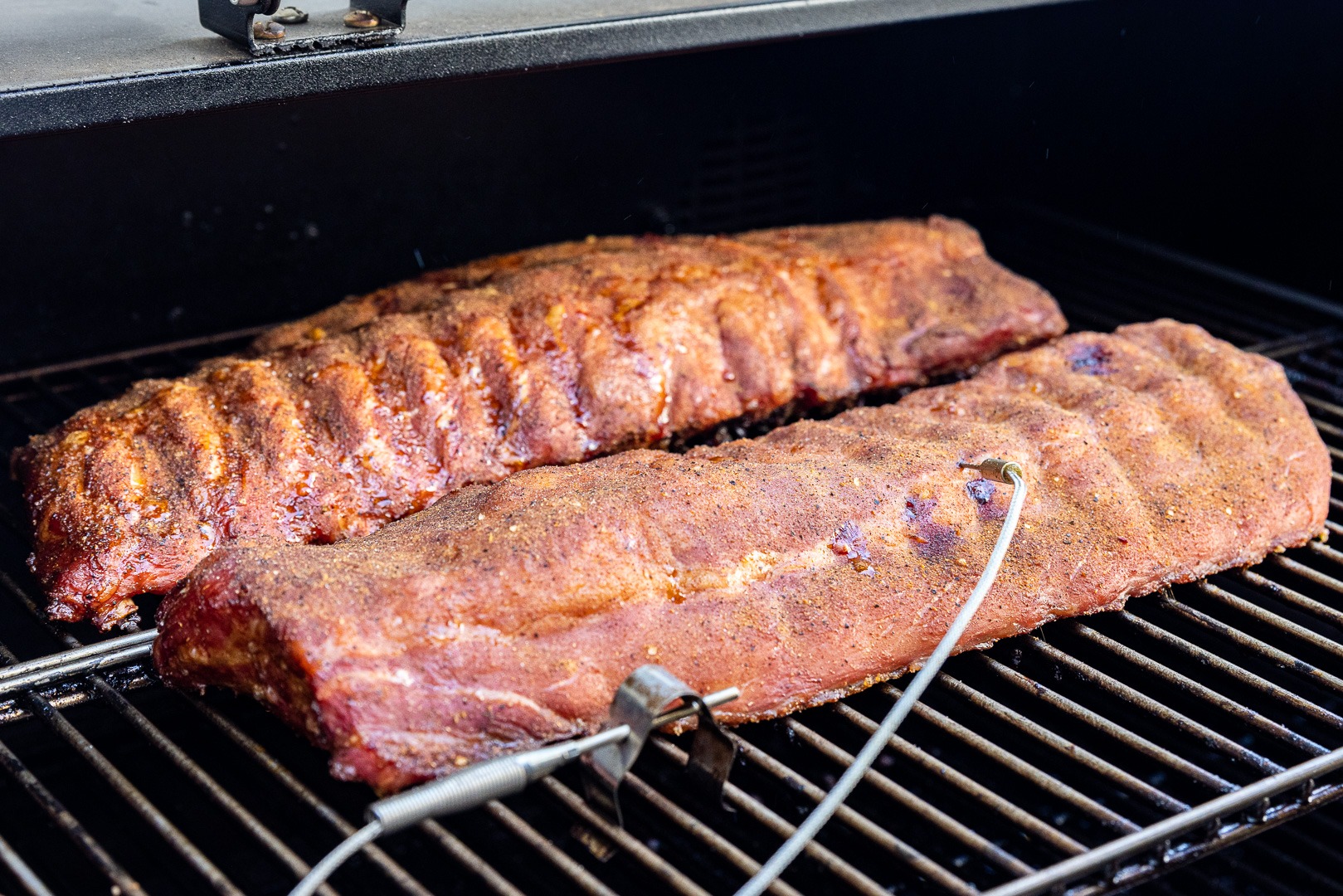
Encountering difficulties during your 2-hour smoking endeavor? Fret not! This comprehensive troubleshooting guide will equip you with solutions and tips to resolve common issues that may arise, ensuring a seamless and satisfying smoking experience.
Smoking can be a finicky process, but understanding the potential pitfalls and their remedies will empower you to navigate any challenges that come your way. Whether it’s temperature fluctuations, uneven cooking, or unappetizing flavors, this guide will provide you with the knowledge and strategies to troubleshoot and achieve smoking success.
Temperature Fluctuations
- Issue:Erratic temperature readings, causing under or over-smoking.
- Solution:Ensure the smoker is placed in a sheltered area away from wind or drafts. Use a reliable thermometer to monitor the temperature accurately and make adjustments as needed.
- Tip:Consider using a digital thermometer with an alarm to alert you of any significant temperature changes.
Uneven Cooking
- Issue:Food cooks unevenly, with some parts overcooked while others remain undercooked.
- Solution:Rotate the food regularly during smoking to ensure even heat distribution. Use a meat probe thermometer to check the internal temperature of the food to ensure it reaches the desired doneness.
- Tip:If possible, use a smoker with multiple racks to allow for better air circulation and more even cooking.
Unpleasant Flavors
- Issue:The smoked food develops an unpleasant or bitter taste.
- Solution:Ensure you are using the correct type of wood for smoking. Avoid using softwoods like pine or fir, as they can impart a harsh flavor. Choose hardwoods like oak, hickory, or fruitwood for a more balanced and flavorful smoke.
- Tip:Experiment with different wood combinations to create unique flavor profiles.
Conclusive Thoughts

As you master the art of 2 hour smoker recipes, you’ll unlock a world of culinary possibilities. Whether you’re a seasoned pitmaster or just starting your smoking journey, this guide will empower you with the knowledge and inspiration to create unforgettable meals that will tantalize your senses and leave your guests craving for more.