The aroid soil mix recipe is an essential element in the care of these captivating plants, providing the foundation for their optimal growth and vitality. This detailed guide delves into the intricacies of aroid soil mix, empowering you with the knowledge and techniques to create a thriving environment for your aroid companions.
From understanding the essential ingredients and their roles to mastering the art of preparation and customization, this comprehensive resource equips you with all the necessary information to ensure your aroids flourish in your care.
Aroid Soil Mix Ingredients
Aroid soil mix is a specialized growing medium designed to meet the unique needs of aroid plants, a diverse group known for their lush foliage and often epiphytic growth habits. To create an optimal aroid soil mix, several essential ingredients are combined in specific proportions, each playing a crucial role in providing the necessary support and nourishment for these plants.
The primary components of aroid soil mix include:
- Organic matter:Provides essential nutrients, improves soil structure, and enhances water retention.
- Inorganic matter:Improves drainage, aeration, and provides stability to the mix.
- Amendments:Enhance specific soil properties, such as pH or nutrient availability.
Essential Ingredients and Proportions
The following list provides a detailed breakdown of the essential ingredients used in aroid soil mix, along with their recommended proportions:
| Ingredient | Proportion |
|---|---|
| Organic matter (e.g., peat moss, coco coir, compost) | 50-70% |
| Inorganic matter (e.g., perlite, pumice, lava rock) | 20-30% |
| Amendments (e.g., orchid bark, charcoal, worm castings) | 10-20% |
Role of Each Ingredient
Each ingredient in the aroid soil mix plays a specific role in supporting plant growth and health:
- Organic matterprovides a rich source of nutrients, improves soil structure by increasing water retention and aeration, and promotes beneficial microbial activity.
- Inorganic matterimproves drainage and aeration, preventing waterlogging and root rot. It also provides stability to the mix, preventing compaction.
- Amendmentsenhance specific soil properties, such as pH or nutrient availability. For example, orchid bark can help lower the pH of the mix, while charcoal can improve drainage and absorb toxins.
Aroid Soil Mix Preparation
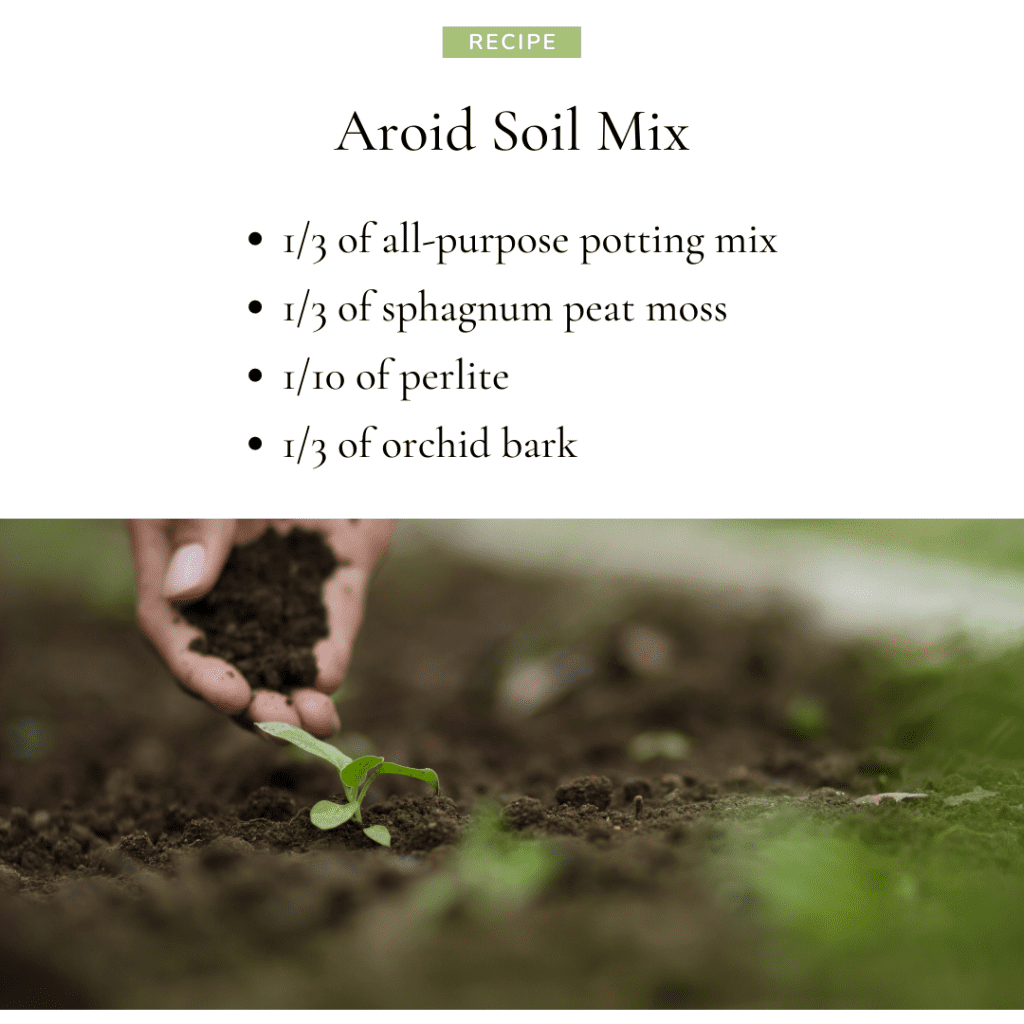
Preparing an aroid soil mix involves combining different ingredients to create an optimal growth medium for aroids. This process requires careful attention to mixing techniques and consistency to ensure the proper aeration, drainage, and nutrient availability for healthy plant growth.
When preparing the aroid soil mix recipe, it is important to ensure the ingredients are well-balanced for optimal plant growth. For a delightful culinary experience, consider exploring our curated collection of tostitos cheese dip recipes . Returning to our aroid soil mix recipe, remember to adjust the proportions of peat moss, perlite, and orchid bark to suit the specific needs of your aroid plants.
To achieve an ideal soil structure for aroids, it is important to mix the ingredients thoroughly and evenly. This helps to distribute the organic matter, perlite, and other components throughout the mix, creating a uniform texture and porosity. Proper mixing also prevents the formation of pockets of dense or compacted soil, which can hinder root development and water movement.
Mixing Techniques, Aroid soil mix recipe
- Hand mixing:This is a simple and effective method for small batches of soil mix. Use a large container or bucket and mix the ingredients thoroughly with your hands, ensuring that all components are evenly distributed.
- Power drill with mixing paddle:For larger batches, a power drill equipped with a mixing paddle can be used to quickly and efficiently mix the soil ingredients. Insert the paddle into the soil mix and operate the drill at a low speed, gradually increasing the speed as the ingredients combine.
If you’re searching for a unique and flavorful twist on your next culinary adventure, be sure to explore the delectable trails into reverie recipes . These culinary delights will tantalize your taste buds and transport you to a realm of pure indulgence.
While you’re there, don’t forget to check out our comprehensive guide to aroid soil mix recipes, which will provide you with all the necessary information to create the perfect growing medium for your beloved aroids.
- Concrete mixer:If available, a concrete mixer can be used to mix large quantities of soil mix with minimal effort. Load the ingredients into the mixer and rotate the drum until the mix is thoroughly blended.
Regardless of the mixing method used, it is important to check the consistency of the soil mix before using it. The mix should be moist but not soggy, and it should have a crumbly texture that breaks apart easily when squeezed.
Aroid Soil Mix pH and Drainage
Aroid plants thrive in a specific pH range and well-draining soil. Understanding these factors is crucial for optimal plant growth and health.
pH Range
The ideal pH range for aroid plants is between 5.5 and 6.5. This slightly acidic to neutral pH allows for the optimal uptake of nutrients. If the soil pH is too acidic (below 5.5), it can lead to nutrient deficiencies, while a pH above 6.5 can cause nutrient lockout.
Aroid soil mix recipes are essential for providing optimal growth conditions for aroids. While exploring various soil mix recipes, I stumbled upon a fascinating collection of soup recipes known as the lost kitchen soup recipes . These culinary delights are a testament to the lost art of traditional soup-making.
Returning to the topic of aroid soil mix recipes, it is crucial to consider the specific needs of different aroid species when creating a customized soil mix that promotes their health and vigor.
Adjusting Soil pH
If necessary, you can adjust soil pH using amendments such as lime to increase pH or sulfur to decrease pH. It’s important to test your soil pH before making any adjustments and follow the instructions on the amendment packaging carefully.
Drainage
Proper drainage is essential to prevent root rot and other problems. Aroid plants prefer soil that drains well but retains some moisture. To improve drainage, you can add perlite, pumice, or coarse sand to the soil mix. You can also use a pot with drainage holes and elevate it slightly to allow excess water to drain away.
Aroid Soil Mix Customization: Aroid Soil Mix Recipe
Aroid soil mix customization is crucial to meet the specific needs of different aroid species. Consider factors such as plant size, growth rate, and preferred moisture levels when adjusting the mix.
Amendments for Specific Aroid Needs
Amendments can enhance the soil mix for specific aroid requirements:
- Epiphytes:Add more bark or sphagnum moss to promote air circulation and prevent waterlogging.
- Terrestrial species:Incorporate more soil or compost for moisture retention and nutrient availability.
- Aquatic aroids:Use a substrate that remains submerged in water, such as gravel or lava rock.
- Lithophytes:Amend with crushed rock or pumice to provide drainage and mimic their natural habitat.
Fine-tuning the Mix
Adjust the ratio of ingredients to fine-tune the soil mix for optimal plant growth:
- Moisture retention:Increase peat moss, coconut coir, or compost for better water retention.
- Drainage:Add more perlite, pumice, or bark to improve drainage and prevent root rot.
- Nutrient availability:Incorporate organic matter such as compost, worm castings, or slow-release fertilizer to provide essential nutrients.
End of Discussion

In the realm of aroid cultivation, the soil mix serves as the cornerstone of success. By embracing the principles Artikeld in this guide, you empower your aroids to thrive, unlocking their full potential for growth and beauty. Remember, the journey of plant care is an ongoing one, filled with opportunities for learning and refinement.
As you continue to nurture your aroids, may this guide serve as a trusted companion, guiding you towards a harmonious and flourishing relationship with these captivating plants.