Embark on a culinary adventure with the “Sourdough Bread Recipe Book,” a comprehensive guide to unlocking the secrets of artisanal sourdough bread making. Whether you’re a seasoned baker or just starting your sourdough journey, this book will equip you with the knowledge and techniques to create mouthwatering, wholesome loaves in the comfort of your own kitchen.
Delve into the fascinating world of sourdough starters, explore the intricacies of different flour varieties, and discover the art of kneading, shaping, and baking perfect sourdough bread. Each step is meticulously explained with clear instructions and troubleshooting tips, empowering you to overcome any challenges and achieve sourdough mastery.
Sourdough Bread Basics
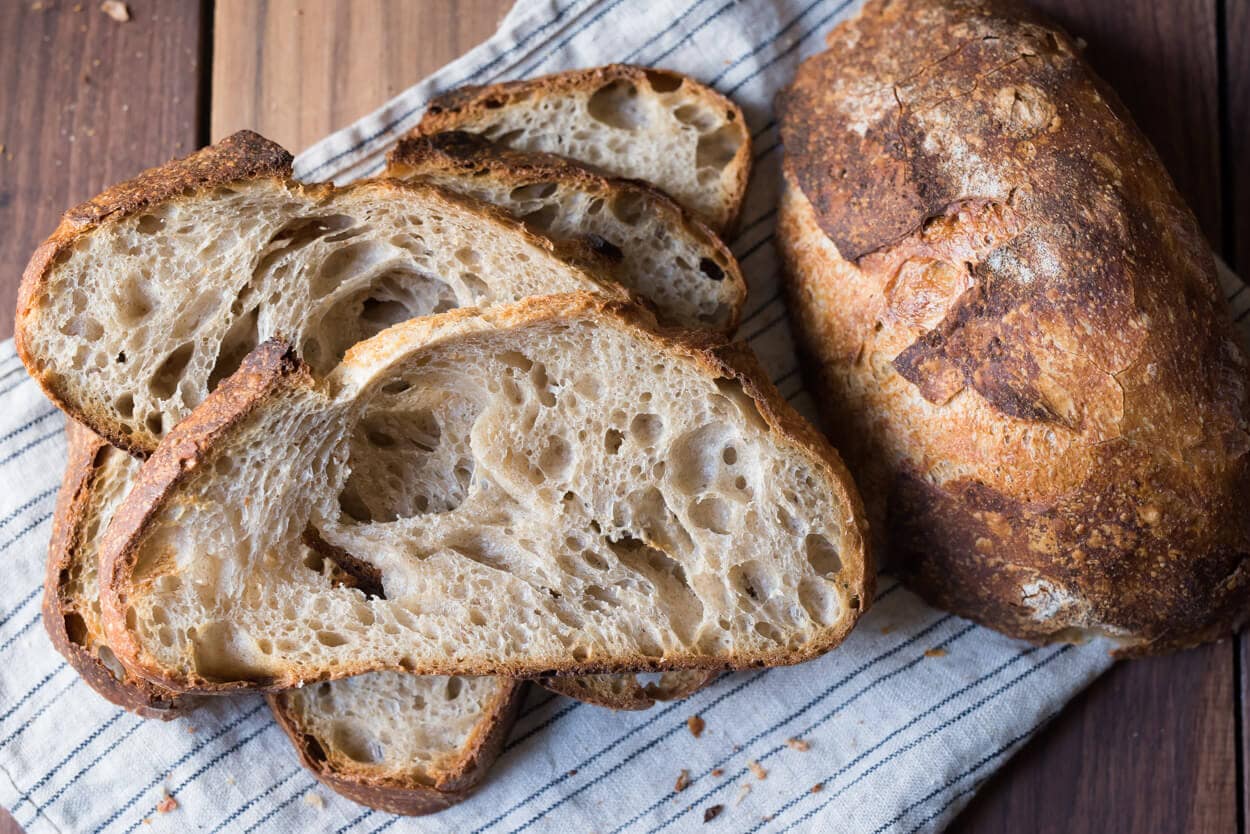
Embark on a culinary journey with sourdough bread, a time-honored tradition that yields exquisite loaves with a symphony of flavors and textures. At the heart of this artisanal craft lies the sourdough starter, a living culture that imparts a distinctive sour tang and remarkable keeping qualities to the bread.
The sourdough starter, a symbiotic culture of wild yeast and lactic acid bacteria, is the cornerstone of sourdough bread making. This natural leavening agent, unlike commercial yeast, imparts a unique depth of flavor and complexity to the bread. Sourdough bread is characterized by its chewy texture, open crumb, and a tangy yet balanced flavor profile.
The Sourdough Starter
Creating and maintaining a healthy sourdough starter is paramount to successful sourdough bread making. The process involves cultivating a balanced ecosystem of wild yeast and lactic acid bacteria. Here are some essential tips to ensure your starter thrives:
- Select the Right Flour:Whole wheat or rye flour provides a nutrient-rich environment for the starter’s microorganisms.
- Consistency and Hydration:Aim for a thick batter-like consistency, adding water as needed. Over-hydration can lead to starter separation.
- Regular Feedings:Feed your starter daily or every other day with equal parts flour and water. Consistent feedings ensure a lively and active culture.
- Temperature Control:Maintain the starter at room temperature (around 70-80°F) for optimal activity. If storing long-term, refrigerate the starter and feed it less frequently.
Essential Ingredients and Equipment
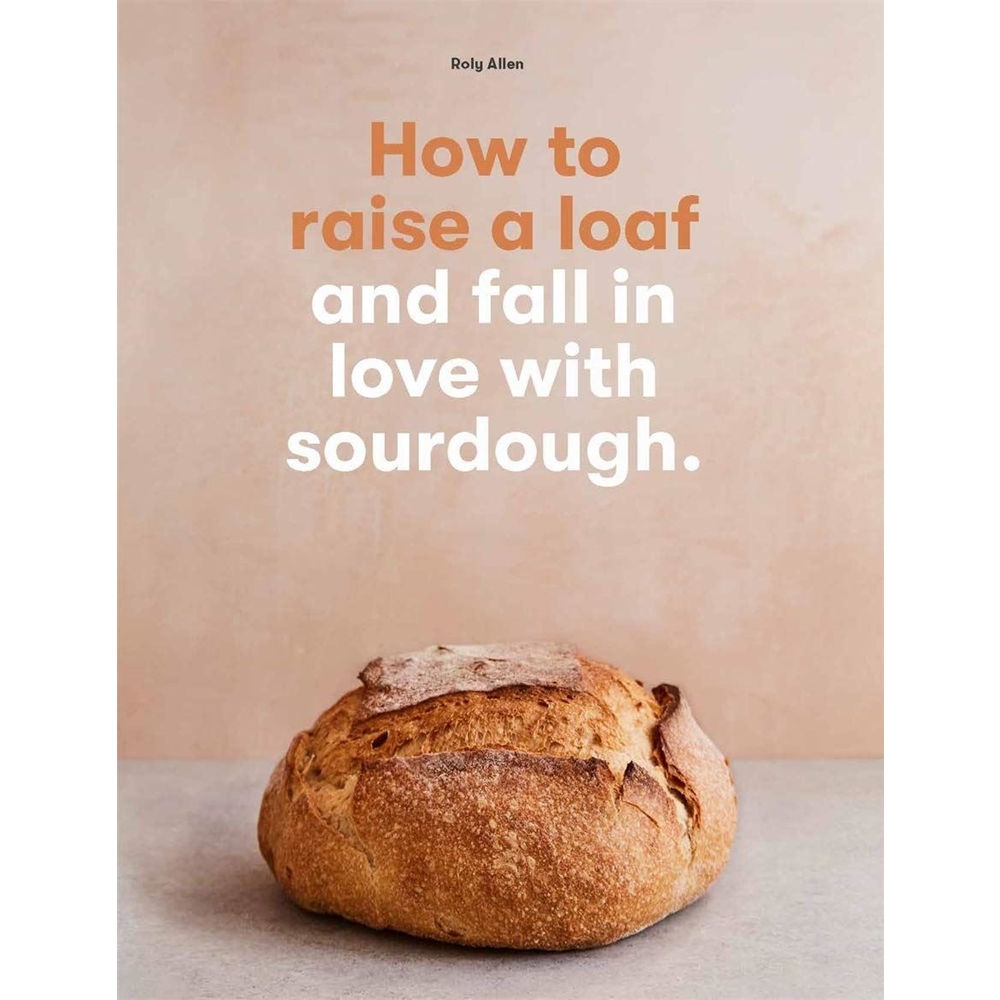
Sourdough bread making involves a simple combination of ingredients and essential equipment. Understanding these elements is crucial for successful baking.
Whether you’re an experienced baker or just starting out, our sourdough bread recipe book is a valuable resource for creating delicious, wholesome bread at home. For a change of pace, why not try your hand at the tantalizing panda express honey sesame chicken recipe ? Its sweet and savory flavors will surely delight your taste buds.
And when you’re ready to return to the comforting aroma of sourdough bread, our recipe book is here to guide you every step of the way.
Ingredients
The core ingredients for sourdough bread include:
- Flour:High-protein bread flour or a blend of bread flour and whole wheat flour is ideal. These flours provide the gluten structure necessary for a well-developed loaf.
- Water:Filtered or spring water is recommended to ensure the absence of chlorine or other impurities that can inhibit fermentation.
- Salt:Salt enhances flavor and strengthens the dough’s structure.
Equipment
Essential equipment for sourdough bread making includes:
- Dutch Oven or Bread Cloche:These enclosed cooking vessels create a steamy environment, allowing the bread to develop a crispy crust and evenly baked interior.
- Baking Stone or Steel:These surfaces retain heat, providing an even base for baking and promoting a crisp bottom crust.
- Digital Thermometer:Monitoring the temperature of the dough and water is crucial for optimal fermentation and baking.
- Dough Scraper or Bench Knife:These tools aid in dividing, shaping, and handling the dough.
- Proofing Baskets or Bowls:These containers provide a warm, humid environment for the dough to rise before baking.
Step-by-Step Recipe s
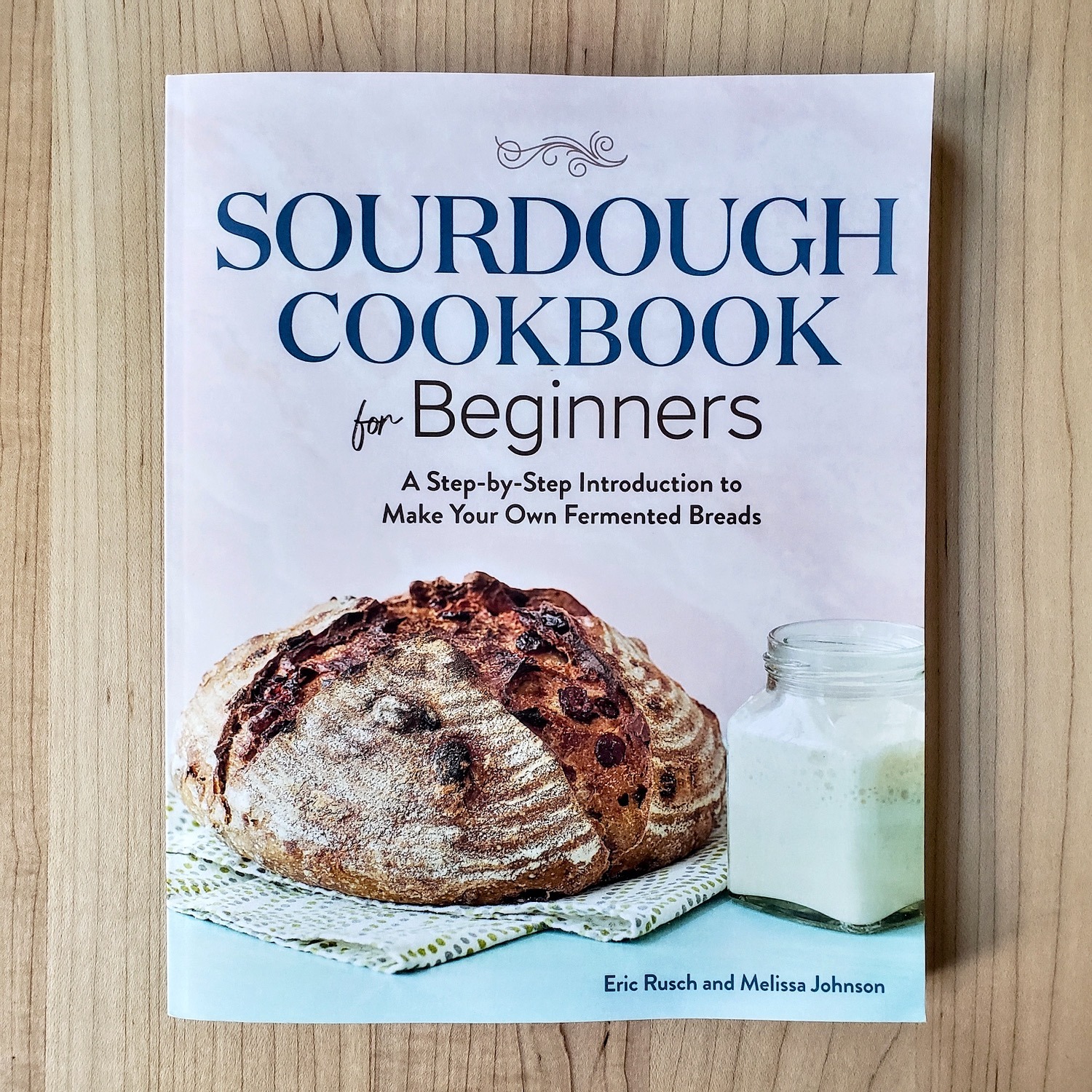
Creating sourdough bread requires careful planning and execution. To ensure success, follow these detailed instructions, which guide you through each step, from feeding the starter to enjoying the final baked loaf.
Sourdough bread has been around for centuries, and there are many different recipes to choose from. If you’re looking for a great sourdough bread recipe book, I highly recommend best four roses recipe . This book has a variety of recipes for all skill levels, and the instructions are easy to follow.
Once you’ve mastered the basics of sourdough bread making, you can start experimenting with different flavors and ingredients. There are endless possibilities when it comes to sourdough bread, so get creative and have fun!
Feeding the Starter
Before beginning the bread-making process, ensure your sourdough starter is active and well-fed. Feed it equal parts by weight of flour and water, stirring until combined. Let it rest at room temperature for several hours or overnight, until it has doubled in size and is bubbly.
Mixing the Dough
In a large bowl, combine the active starter with flour, water, and salt. Mix until a shaggy dough forms. Turn the dough out onto a lightly floured surface and knead for 5-10 minutes until it becomes smooth and elastic.
Kneading
Kneading develops the gluten in the dough, giving the bread its structure. Fold the dough over itself, press down, and push it away from you. Repeat this process for 5-10 minutes until the dough becomes smooth and elastic.
For those who enjoy baking their own bread, the sourdough bread recipe book offers a comprehensive guide to creating delicious and nutritious loaves. The book includes step-by-step instructions, helpful tips, and a variety of recipes to suit different tastes. Additionally, if you’re looking for a way to preserve your homemade grape juice, you may find the recipe for canning grape juice helpful.
This recipe provides detailed instructions on how to safely can your grape juice, ensuring that it retains its flavor and nutrients for months to come. Whether you’re a seasoned baker or just starting out, the sourdough bread recipe book and the recipe for canning grape juice are valuable resources for any home cook.
Shaping
Once the dough has been kneaded, shape it into a loaf. Place it in a well-floured banneton or proofing basket. Cover it with plastic wrap and let it rise at room temperature for several hours, or until it has doubled in size.
Baking
Preheat your oven to 450°F (230°C). Place the dough on a baking sheet lined with parchment paper. Score the top of the loaf with a sharp knife. Bake for 30-45 minutes, or until the crust is golden brown and the bread sounds hollow when tapped.
Troubleshooting, Sourdough bread recipe book
If you encounter any challenges during the bread-making process, here are some troubleshooting tips:
- Dough is too sticky:Add more flour 1 tablespoon at a time until the dough becomes manageable.
- Dough is too dry:Add water 1 tablespoon at a time until the dough becomes smooth and elastic.
- Bread is not rising:Check the activity of your starter. It should be bubbly and double in size when fed.
- Bread is too dense:Knead the dough for a longer period to develop the gluten.
- Bread has a sour taste:Use less starter or reduce the fermentation time.
Variations and Flavor Profiles
Sourdough bread offers a wide range of variations, each with its unique flavor profile. These variations arise from differences in flour type, the inclusion of seeds or grains, and the addition of other ingredients.
Whole Wheat Sourdough Bread
- Utilizes whole wheat flour, providing a nutty, earthy flavor.
- Higher fiber content contributes to a denser texture.
Rye Sourdough Bread
- Incorporates rye flour, resulting in a slightly sour and tangy flavor.
- Denser and heavier texture compared to wheat sourdough.
Seeded Sourdough Bread
- Includes various seeds, such as sunflower, flax, or sesame seeds.
- Adds a crunchy texture and nutty flavor to the bread.
Customization Tips
- Incorporate herbs, such as rosemary or thyme, for an aromatic twist.
- Add spices, like cinnamon or nutmeg, for a warm and flavorful bread.
- Include dried fruits, such as raisins or cranberries, for a sweet and tangy touch.
Closure: Sourdough Bread Recipe Book
As you progress through this book, you’ll not only learn the technical aspects of sourdough bread making but also appreciate the artistry and satisfaction that comes with crafting this ancient bread. Experiment with variations, customize flavors, and share the joy of sourdough with friends and family.
With the “Sourdough Bread Recipe Book” as your guide, the world of sourdough becomes an endless source of culinary exploration and delight.