Koji Ice Cream Maker Recipes: Embark on a culinary adventure where ancient traditions meet modern techniques. Prepare to tantalize your taste buds with this comprehensive guide that unravels the secrets of crafting exquisite koji ice cream in the comfort of your own kitchen. Whether you’re a seasoned ice cream aficionado or a curious novice, this journey will ignite your passion for creating extraordinary frozen treats.
As we delve into the world of koji ice cream making, we’ll explore the unique benefits of using koji, discover a treasure trove of flavor combinations, and master the art of achieving the perfect texture and creaminess. Along the way, we’ll uncover the secrets to customizing your ice cream base, experiment with different sweeteners and sugar alternatives, and explore creative toppings and accompaniments that will elevate your ice cream creations to new heights.
Koji Ice Cream Base

Koji, a magical fungus used in traditional Japanese fermentation, is making waves in the culinary world. It imparts umami, depth, and a touch of funk to dishes, and it’s no different in ice cream. Koji ice cream has a uniquely complex flavor profile, with notes of caramel, toffee, and a hint of miso. It’s also incredibly smooth and creamy, thanks to the enzymes in koji that break down starches and proteins.
Making koji ice cream is surprisingly easy. All you need is a basic ice cream base, some koji, and a little patience. Here’s a detailed recipe for a basic koji ice cream base:
Ingredients
- 1 cup whole milk
- 1 cup heavy cream
- 1/2 cup sugar
- 1/4 cup corn syrup
- 1/4 cup koji (white or black)
Instructions
- In a medium saucepan, whisk together the milk, cream, sugar, and corn syrup. Bring to a simmer over medium heat, stirring constantly.
- Remove from heat and stir in the koji. Cover and let stand at room temperature for 12-24 hours.
- Strain the mixture through a fine-mesh sieve into a clean container. Discard the koji solids.
- Chill the base in the refrigerator for at least 4 hours, or overnight.
- Freeze the base according to your ice cream maker’s instructions.
Once your koji ice cream is frozen, you can enjoy it as is or get creative with toppings. Try drizzling it with maple syrup, sprinkling it with toasted nuts, or topping it with fresh fruit. You can also use the base to make milkshakes, floats, or ice cream sandwiches.
For those who enjoy experimenting with unique and delicious flavors, Koji Ice Cream Maker Recipes offer a fascinating exploration into the world of fermented desserts. These recipes harness the power of koji, a type of fungus, to create ice cream with an umami-rich, earthy taste.
If you’re looking to expand your culinary horizons, Farro And Chicken Recipes present a tantalizing blend of hearty grains and succulent chicken, offering a delightful contrast to the sweet and savory notes of Koji Ice Cream Maker Recipes.
Customizing the Base Flavor
The type of koji you use will affect the flavor of your ice cream. White koji produces a milder flavor, while black koji has a more pronounced umami taste. You can also experiment with different ratios of koji to base. More koji will result in a more intense flavor.
Flavor Combinations
Koji ice cream offers a unique canvas for culinary exploration, with its inherent umami flavor opening up a world of possibilities for tantalizing flavor pairings. The sweet, nutty, and slightly earthy notes of koji harmonize seamlessly with a wide range of ingredients, from classic flavors to bold and unexpected combinations.
Traditional Pairings
For those who prefer a more traditional approach, consider the timeless pairing of koji with soy sauce or miso. The salty, savory notes of these ingredients balance the sweetness of the koji, creating a complex and harmonious flavor profile. Matcha, with its vegetal and slightly bitter notes, also pairs exceptionally well with koji, offering a refreshing and earthy contrast.
Innovative Combinations
If you’re feeling adventurous, don’t be afraid to experiment with more innovative flavor combinations. Citrus fruits, such as yuzu or grapefruit, bring a burst of acidity that complements the umami of koji. Roasted nuts, like almonds or hazelnuts, add a nutty crunch and enhance the earthy flavor of the base. For a sweet and savory treat, try pairing koji ice cream with bacon or caramelized onions.
Koji Ice Cream Maker Recipes are the bomb for creating creamy and delicious frozen treats at home. If you’re craving something decadent, check out the Pumpkin Cheesecake Recipe Philadelphia . It’s a perfect blend of creamy pumpkin and tangy cheesecake, all wrapped up in a velvety ice cream.
Koji Ice Cream Maker Recipes make it so easy to whip up your favorite flavors, so get creative and enjoy!
Examples of Successful Flavor Combinations, Koji Ice Cream Maker Recipes
- Koji ice cream with soy sauce caramel: The salty sweetness of the caramel balances the umami of the koji, creating a harmonious and addictive flavor.
- Koji ice cream with matcha and red bean: The earthy notes of matcha and the sweet, nutty flavor of red bean complement the koji perfectly, resulting in a refreshing and complex dessert.
- Koji ice cream with roasted almonds and honey: The crunchy almonds add texture and a nutty flavor, while the honey adds a touch of sweetness that complements the umami of the koji.
Sweeteners and Sugar Alternatives
Sweeteners play a crucial role in koji ice cream, contributing to its taste, texture, and overall appeal. Let’s explore the various options available and how they can enhance your frozen treat.
Sugar
Sugar is a classic sweetener that provides a familiar sweetness to koji ice cream. It is readily available and affordable, making it a convenient choice. However, it is important to use sugar in moderation, as excessive amounts can result in an overly sweet and dense ice cream.
Honey
Honey adds a natural sweetness and depth of flavor to koji ice cream. It contains antioxidants and has a lower glycemic index compared to sugar, making it a healthier alternative. However, honey can be more expensive than sugar and may crystallize over time, affecting the texture of the ice cream.
Maple Syrup
Maple syrup imparts a rich, caramel-like sweetness to koji ice cream. It is a natural sweetener that contains antioxidants and minerals. Similar to honey, maple syrup can be more expensive than sugar and may crystallize over time.
Stevia
Stevia is a natural, calorie-free sweetener that is much sweeter than sugar. It is a good option for those looking to reduce sugar intake or for diabetics. However, stevia can have a slightly bitter aftertaste, so it should be used sparingly.
Adjusting Sweetness Levels
The sweetness level of koji ice cream can be adjusted to suit your taste preferences. Start with a moderate amount of sweetener and gradually increase it until you reach the desired sweetness. Consider the sweetness of the other ingredients in the ice cream, such as fruit or chocolate, when determining the amount of sweetener to use.
Texture and Creaminess
The texture and creaminess of koji ice cream are influenced by several factors, including the koji culture, the type of milk or cream used, and the freezing process.
Koji, a fermented rice or barley, contributes enzymes that break down the starch in the milk or cream, resulting in a smoother texture. The type of milk or cream used also affects the texture, with higher-fat milk or cream producing a creamier ice cream.
Freezing Process
The freezing process plays a crucial role in determining the texture of the ice cream. Slow freezing allows for larger ice crystals to form, resulting in a coarser texture. Rapid freezing, on the other hand, produces smaller ice crystals, leading to a smoother texture.
Stabilizers and Thickeners
Stabilizers and thickeners can be added to the ice cream base to enhance its texture and prevent ice crystal formation. Common stabilizers include guar gum, locust bean gum, and xanthan gum. These ingredients help to bind the water molecules in the ice cream, preventing them from forming large ice crystals.
Toppings and Accompaniments
Embellish your koji ice cream with a symphony of toppings and accompaniments that will tantalize your taste buds and elevate your dessert experience to ethereal heights. From crunchy textures to sweet and savory sauces, the possibilities are endless.
When choosing toppings, consider the flavor profile of your ice cream. For instance, a nutty koji ice cream base pairs wonderfully with toasted almonds or candied walnuts. A fruity sorbet base would shine with fresh berries or a drizzle of honey.
Sauces and Drizzles
- Caramel sauce: Rich and buttery, caramel sauce adds a touch of indulgence to any ice cream.
- Chocolate sauce: A classic pairing, chocolate sauce enhances the sweetness of the ice cream and adds a decadent touch.
- Fruit coulis: Pureed fruit sauces, such as strawberry or raspberry, offer a refreshing and vibrant contrast to the creamy ice cream.
Garnishes
- Fresh fruit: Sliced or diced fruit, such as strawberries, bananas, or mangoes, add a pop of color and freshness to your ice cream.
- Nuts and seeds: Toasted nuts and seeds, such as almonds, walnuts, or chia seeds, provide a crunchy texture and nutty flavor.
- Whipped cream: A dollop of freshly whipped cream adds a light and airy touch to your dessert.
Health Benefits

Koji ice cream, made with fermented soybeans, offers a unique blend of health benefits not found in traditional ice cream. Let’s dive into how this frozen treat can contribute to your well-being.
Role of Koji in Gut Health and Digestion
Koji, a traditional Japanese ingredient, is a rich source of enzymes that aid in digestion. These enzymes help break down complex carbohydrates and proteins, making them easier to absorb. By consuming koji ice cream, you’re introducing beneficial bacteria into your gut, which can help improve overall digestive health.
Nutritional Value Comparison
Compared to traditional ice cream, koji ice cream is lower in calories and fat. It also contains higher amounts of protein, fiber, and vitamins, including vitamins B1, B2, and niacin. This makes it a healthier alternative for those looking to indulge in a frozen treat without compromising their nutritional goals.
Variations and Adaptations

Koji ice cream’s versatility extends beyond the basic recipe, allowing for creative adaptations to suit various dietary needs and flavor preferences. From vegan and gluten-free options to sugar-free and unique flavor combinations, the possibilities are endless.
Vegan Koji Ice Cream
For a plant-based alternative, substitute dairy milk with any plant-based milk, such as almond milk, oat milk, or soy milk. Ensure to use a full-fat plant-based milk for a richer texture.
Gluten-Free Koji Ice Cream
To make a gluten-free version, use gluten-free oats or brown rice instead of wheat flour. Ensure that all other ingredients, including flavorings and toppings, are also gluten-free.
Sugar-Free Koji Ice Cream
For a sugar-free option, use natural sweeteners like stevia, monk fruit extract, or erythritol. These sweeteners provide sweetness without the added sugar.
Flavorful Variations
Experiment with different fruits, nuts, and spices to create unique flavor combinations. Some popular options include:
- Fruits: berries, bananas, mangoes, peaches
- Nuts: almonds, pistachios, walnuts
- Spices: cinnamon, nutmeg, ginger
Equipment and Techniques: Koji Ice Cream Maker Recipes
Crafting koji ice cream at home necessitates specific equipment and techniques. This guide will illuminate the essentials, ensuring a smooth and delectable journey.
An ice cream maker is the cornerstone of the process. It churns the mixture, incorporating air and achieving the desired texture. Choose a model that aligns with your needs and budget.
Using an Ice Cream Maker
- Freeze the ice cream maker bowl according to the manufacturer’s instructions.
- Churn the koji ice cream base until it reaches a soft-serve consistency.
- Transfer the ice cream to a freezer-safe container and freeze for at least 4 hours for a firmer texture.
Tips:
- Churn the mixture until it thickens but remains pourable, avoiding over-churning.
- Freeze the ice cream immediately after churning to prevent crystallization.
Alternative Methods
In the absence of an ice cream maker, alternative methods can yield satisfactory results.
- Hand-churning: Vigorously whisk the mixture in a chilled bowl until it thickens.
- Freezing and stirring: Freeze the mixture in a shallow container. Stir every 30 minutes to break up ice crystals.
Troubleshooting and FAQs
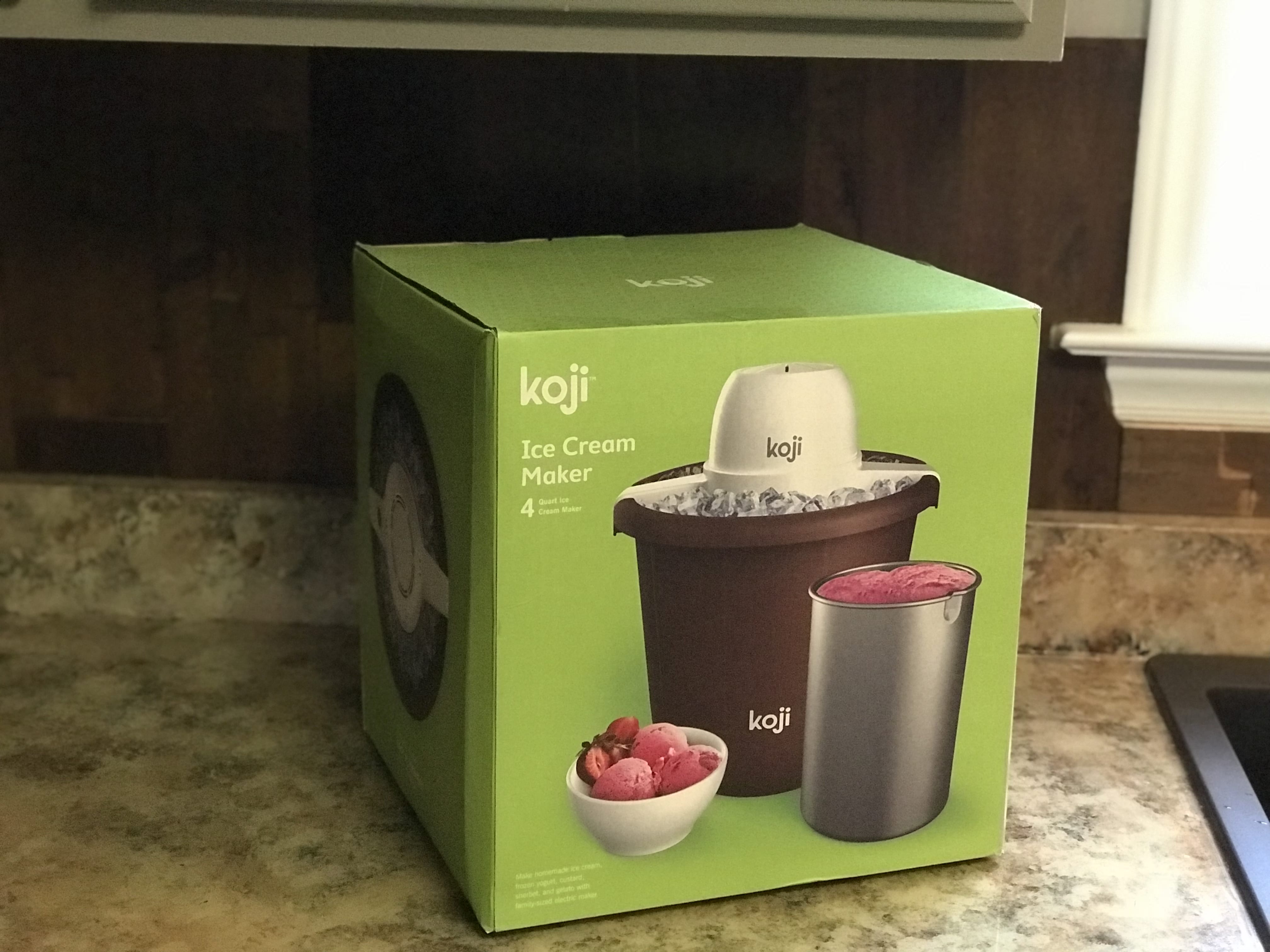
Navigating the realm of koji ice cream making may occasionally present challenges. Here’s a troubleshooting guide and a compilation of frequently asked questions to assist you in overcoming obstacles and achieving creamy, flavorful success.
Let’s dive into the potential issues you may encounter and the solutions to rectify them:
Ice Crystal Formation
- Cause: Insufficient churning or freezing too slowly.
- Solution: Churn the ice cream for a longer duration or freeze it more rapidly.
Lack of Creaminess
- Cause: Insufficient fat content or over-churning.
- Solution: Use a higher-fat milk base or reduce the churning time.
Flavor Imbalances
- Cause: Incorrect proportions of ingredients or overpowering flavors.
- Solution: Adjust the ingredient ratios or experiment with different flavor combinations.
FAQs
- What is the ideal temperature for churning?
Around -8°C (18°F) for optimal churning results.
- How long should I churn the ice cream?
Typically 20-30 minutes, until the desired consistency is achieved.
- Can I use store-bought koji?
Yes, but it may not yield as intense a koji flavor as homemade koji.
- Is koji ice cream safe for lactose-intolerant individuals?
Yes, if you use a lactose-free milk base.
- Can I store koji ice cream for extended periods?
Yes, it can be stored in the freezer for up to 2 months.
Final Review
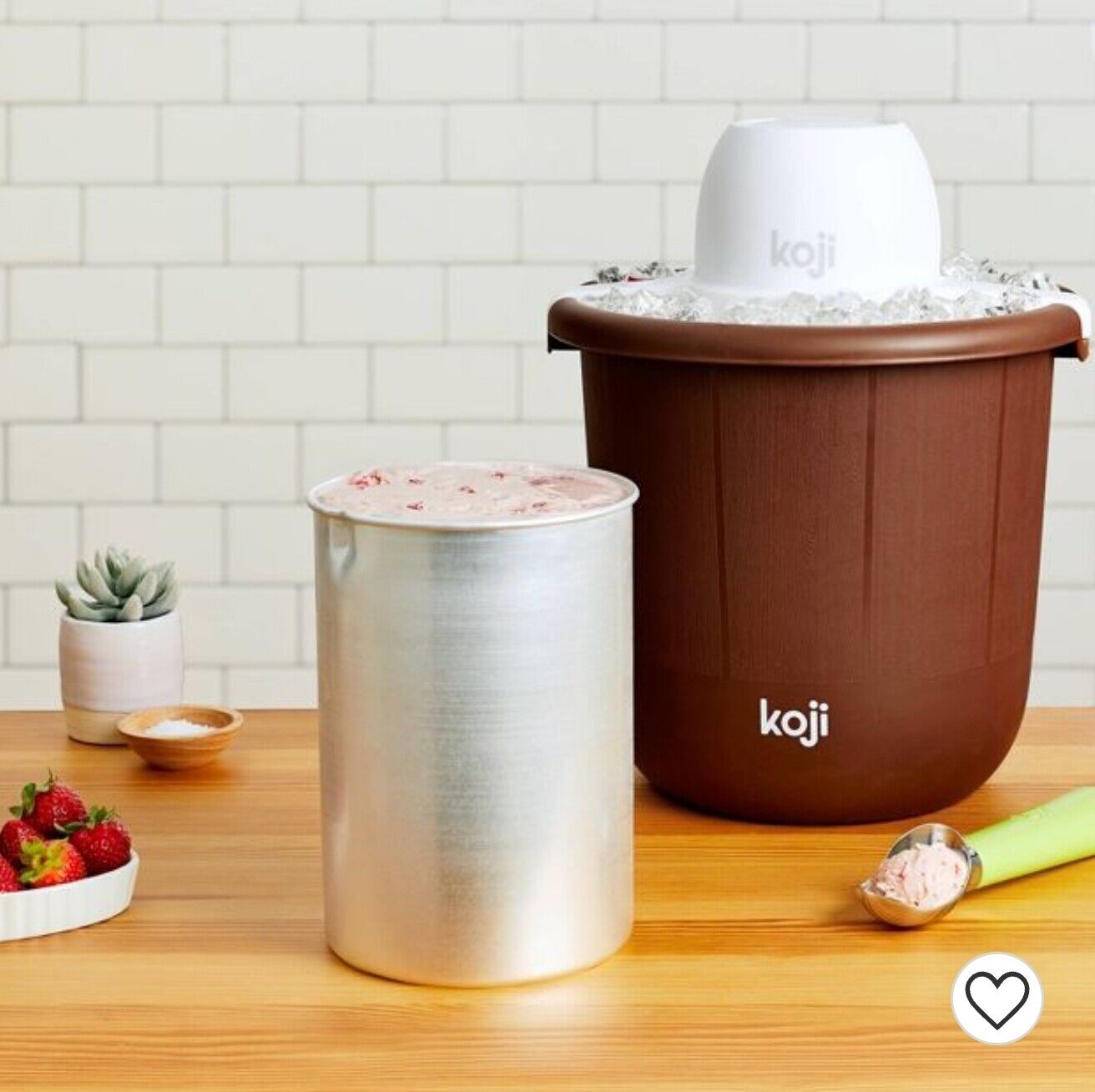
With this guide as your culinary compass, you’ll be empowered to create an endless array of koji ice cream masterpieces. From classic flavors to innovative concoctions, the possibilities are boundless. So, gather your ingredients, fire up your ice cream maker, and let’s embark on a delicious adventure that will redefine your ice cream experience forever.