Embark on a culinary adventure with our ghost pepper salsa recipe, a tantalizing blend of heat, acidity, and sweetness that will ignite your taste buds. Whether you’re a seasoned spice enthusiast or a curious culinary explorer, this recipe will guide you through the creation of an extraordinary condiment that will elevate any dish.
As we delve into the intricacies of this fiery concoction, we’ll uncover the secrets behind its unique flavor profile, explore its versatility in culinary applications, and provide practical tips to ensure a perfect salsa every time.
Ingredients and their Proportions: Ghost Pepper Salsa Recipe
Creating a tantalizing ghost pepper salsa requires a careful balance of ingredients. Each element plays a vital role in shaping the overall flavor and texture of this fiery condiment.
The fiery kick of a ghost pepper salsa recipe can be balanced by the sweet and crunchy delight of a fruity pebbles cookie recipe . While the salsa ignites your taste buds with a spicy inferno, the cookies provide a soothing respite, leaving you with a symphony of flavors that tantalize and satisfy.
As you savor the fiery essence of the salsa, let the sugary sweetness of the cookies envelop your palate, creating a culinary experience that is both thrilling and indulgent.
Fresh Ingredients
- Ghost peppers:The star ingredient, ghost peppers lend their intense heat and smoky flavor. Use 2-4 peppers, depending on desired spiciness.
- Roma tomatoes:12-15 ripe Roma tomatoes provide a juicy base and subtle sweetness.
- Onion:1 large white or yellow onion adds a crisp texture and pungent flavor.
- Garlic:3-4 cloves of minced garlic enhance the salsa’s savory profile.
- Cilantro:1 cup of fresh cilantro leaves brings a bright, herbaceous note.
Preservatives and Seasonings
- Lime juice:1/4 cup of fresh lime juice adds acidity and balances the heat.
- Vinegar:1/4 cup of white or apple cider vinegar aids in preservation and adds a tangy flavor.
- Salt:To taste, salt enhances the flavors and balances the spiciness.
- Cumin:1 teaspoon of ground cumin adds a warm, earthy note.
- Sugar (optional):A pinch of sugar can tame the heat and enhance the sweetness.
Variations
To adjust the heat level, use fewer or more ghost peppers. For a milder salsa, remove the seeds from the peppers. Alternatively, for a spicier salsa, add a few habanero or cayenne peppers.
Preparation Methods and Techniques
Preparing ghost pepper salsa involves a straightforward process that requires careful attention to detail to ensure optimal freshness, texture, and flavor. Each step plays a crucial role in achieving the desired outcome.
The preparation begins with selecting ripe, high-quality ghost peppers, as their freshness and potency directly impact the salsa’s overall character. The peppers should be thoroughly washed and destemmed to remove any impurities or excess moisture.
Ghost pepper salsa is a great way to add some spice to your next meal. If you’re looking for a sweet treat, you might also enjoy trying our frozen strawberry pie recipe . It’s the perfect dessert for a hot summer day.
But if you’re looking for something with a little more kick, our ghost pepper salsa is sure to please. It’s made with fresh ghost peppers, onions, tomatoes, and cilantro, and it’s sure to add some heat to your next meal.
Chopping and Mixing
The ghost peppers and other ingredients, such as tomatoes, onions, cilantro, and garlic, should be finely chopped to create a consistent texture and even distribution of flavors. The size and shape of the chopped ingredients can be adjusted based on personal preference, but smaller pieces generally result in a smoother salsa.
For a fiery twist on your next dish, try this ghost pepper salsa recipe, blending the intense heat of ghost peppers with a symphony of flavors. If you’re seeking a comforting Vietnamese dish, explore the ga kho gung recipe , where succulent chicken simmers in a rich caramel sauce.
Returning to the realm of spice, the ghost pepper salsa recipe offers a customizable heat level, allowing you to tailor it to your taste buds’ daring.
Once the ingredients are chopped, they should be combined in a mixing bowl and gently tossed to ensure thorough incorporation. Overmixing should be avoided, as it can result in a mushy texture.
Seasoning and Marinating
The salsa is seasoned with a combination of salt, lime juice, and additional spices, such as cumin or oregano, to enhance its flavor profile. The amount of seasoning can be adjusted to taste, and it is recommended to start with a small amount and gradually add more until the desired balance is achieved.
After seasoning, the salsa should be allowed to marinate for at least 30 minutes, or preferably overnight. This allows the flavors to meld and develop, resulting in a more complex and flavorful salsa.
Serving and Storage
The ghost pepper salsa is ready to serve once it has been marinated. It can be served immediately or stored in an airtight container in the refrigerator for up to a week. The salsa will continue to develop in flavor over time, so it is recommended to taste and adjust the seasoning as needed before serving.
Flavor Profile and Sensory Experience

Ghost pepper salsa possesses a unique and intense flavor profile that tantalizes the taste buds. Its defining characteristic is its intense spiciness, stemming from the incorporation of ghost peppers, one of the hottest chili peppers in the world. This fiery heat is balanced by a refreshing acidity, typically derived from tomatoes, lime juice, and vinegar.
Additionally, the salsa often incorporates a hint of sweetness, provided by ingredients like sugar or honey, creating a harmonious blend of flavors.
Upon tasting ghost pepper salsa, an initial burst of intense heat envelops the palate, causing a fiery sensation that lingers for a prolonged period. This spiciness is a result of the high concentration of capsaicin, a compound responsible for the characteristic pungency of chili peppers.
The lingering heat is attributed to the slow release of capsaicin, ensuring a sustained and flavorful experience.
Factors Influencing Spiciness, Ghost pepper salsa recipe
The intensity and duration of the spiciness in ghost pepper salsa can vary depending on several factors:
- Ghost Pepper Variety:Different varieties of ghost peppers possess varying levels of capsaicin, affecting the overall spiciness of the salsa.
- Proportion of Ghost Peppers:The ratio of ghost peppers to other ingredients determines the intensity of the heat. A higher proportion of ghost peppers results in a spicier salsa.
- Preparation Method:The way the ghost peppers are prepared can influence the release of capsaicin. Roasting or drying the peppers can intensify their spiciness.
- Acidity Level:Acidity, from ingredients like lime juice or vinegar, can reduce the perceived spiciness by counteracting the heat.
- Sweetness Level:A touch of sweetness can balance the heat, making the salsa more palatable for those with a lower tolerance for spiciness.
Serving Suggestions and Culinary Applications

Ghost pepper salsa is a versatile condiment that can be enjoyed in various ways beyond traditional Mexican cuisine. Its intense heat and complex flavor profile make it an exciting addition to a wide range of dishes.
As an Accompaniment
- Tacos: The bold flavors of ghost pepper salsa complement the savory fillings of tacos, adding a spicy kick to carnitas, al pastor, or fish tacos.
- Burritos: Incorporate ghost pepper salsa into burritos filled with rice, beans, grilled meats, and vegetables for a flavorful and fiery experience.
- Nachos: Ghost pepper salsa adds an extra layer of heat and complexity to nachos topped with cheese, sour cream, and other toppings.
Culinary Applications
Beyond its traditional use as a condiment, ghost pepper salsa can be incorporated into a variety of culinary applications, adding a spicy touch to different dishes.
- Marinades: Ghost pepper salsa can be used as a marinade for meats, poultry, or seafood, infusing them with a fiery flavor before grilling or roasting.
- Dressings: Add a spoonful of ghost pepper salsa to salad dressings or vinaigrettes for a spicy and tangy twist.
- Sauces: Ghost pepper salsa can be blended with other ingredients to create spicy sauces for pasta, pizza, or dipping.
Health Considerations
While ghost pepper salsa can be enjoyed as part of a balanced diet, it is important to be aware of its potential health effects.
- Digestion: The capsaicin in ghost peppers can irritate the digestive tract, causing discomfort or digestive issues in some individuals.
- Metabolism: Capsaicin has been shown to have thermogenic properties, potentially increasing metabolism and promoting fat oxidation.
It is advisable to consume ghost pepper salsa in moderation and to adjust the amount based on individual tolerance levels.
Final Thoughts
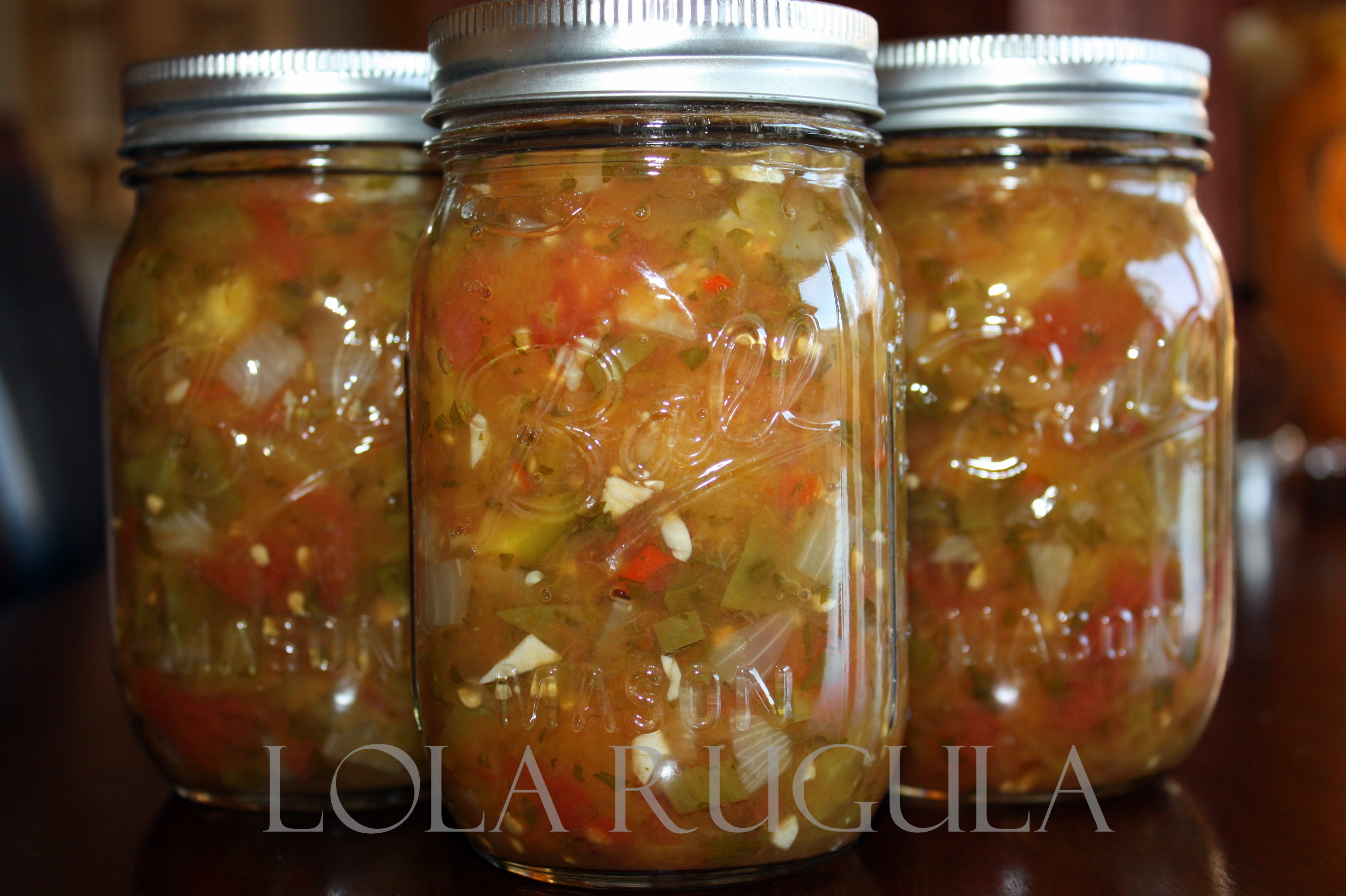
From its vibrant color to its lingering heat, ghost pepper salsa is a culinary masterpiece that will leave an unforgettable impression on your palate. Whether you’re adding a fiery kick to tacos, burritos, or nachos, or experimenting with its use in marinades, dressings, and sauces, this recipe empowers you to unleash your inner chef and create dishes that will tantalize and delight.
So gather your ingredients, don your apron, and prepare to embark on a culinary journey that will ignite your senses and leave you craving more.