Indulge in the creamy goodness of homemade ice cream crafted with the wholesome goodness of raw milk. Our Raw Milk Ice Cream Recipe empowers you to create a delectable dessert that tantalizes your taste buds and nourishes your body. Dive into a world of culinary delight as we unveil the secrets to crafting this frozen masterpiece.
From gathering the finest ingredients to mastering the art of churning, this comprehensive guide provides a step-by-step roadmap to ice cream-making success. Discover the nuances of raw milk and its impact on flavor, explore a symphony of flavors, and delve into the nutritional benefits that make this treat a guilt-free indulgence.
Ingredients for Raw Milk Ice Cream
Making raw milk ice cream at home requires a few simple ingredients. Here’s a list of what you’ll need:
- Raw milk: 4 cups. Raw milk is unpasteurized milk that retains its natural enzymes and nutrients. It is preferred for ice cream making as it imparts a richer flavor and creamier texture.
- Sugar: 1 cup. Sugar is a sweetener that adds sweetness and helps create a smooth texture. You can use granulated sugar, brown sugar, or honey.
- Salt: 1/4 teaspoon. Salt enhances the flavor of the ice cream and balances the sweetness.
- Vanilla extract: 1 teaspoon. Vanilla extract adds a classic flavor to the ice cream. You can also use other flavorings like chocolate syrup, fruit puree, or spices.
Sweeteners
The choice of sweetener can impact the taste and texture of your ice cream. Here are some options to consider:
- Granulated sugar: A common sweetener that dissolves easily and provides a clean, sweet flavor.
- Brown sugar: Adds a slightly caramelized flavor and a chewier texture.
- Honey: A natural sweetener that adds a floral flavor and a slightly thicker texture.
Equipment Required
To make raw milk ice cream, you will need a few essential pieces of equipment:
Ice cream maker: This is the most important piece of equipment, as it will churn the ice cream and incorporate air, resulting in a smooth and creamy texture. There are many different types of ice cream makers on the market, so you will need to choose one that fits your needs and budget.
Types of Ice Cream Makers
- Hand-crank ice cream makers: These are the most affordable and portable type of ice cream maker. They require a bit of elbow grease to operate, but they can produce delicious ice cream.
- Electric ice cream makers: These are more expensive than hand-crank ice cream makers, but they are easier to operate. They come in a variety of sizes and styles, so you can choose one that fits your needs.
- Built-in ice cream makers: These are the most expensive type of ice cream maker, but they are also the most convenient. They are built into your refrigerator, so you can make ice cream without having to take up counter space.
Freezer-safe containers: You will need freezer-safe containers to store your ice cream. These containers should be airtight to prevent freezer burn.
Measuring cups and spoons: You will need measuring cups and spoons to measure the ingredients for your ice cream.
Step-by-Step s
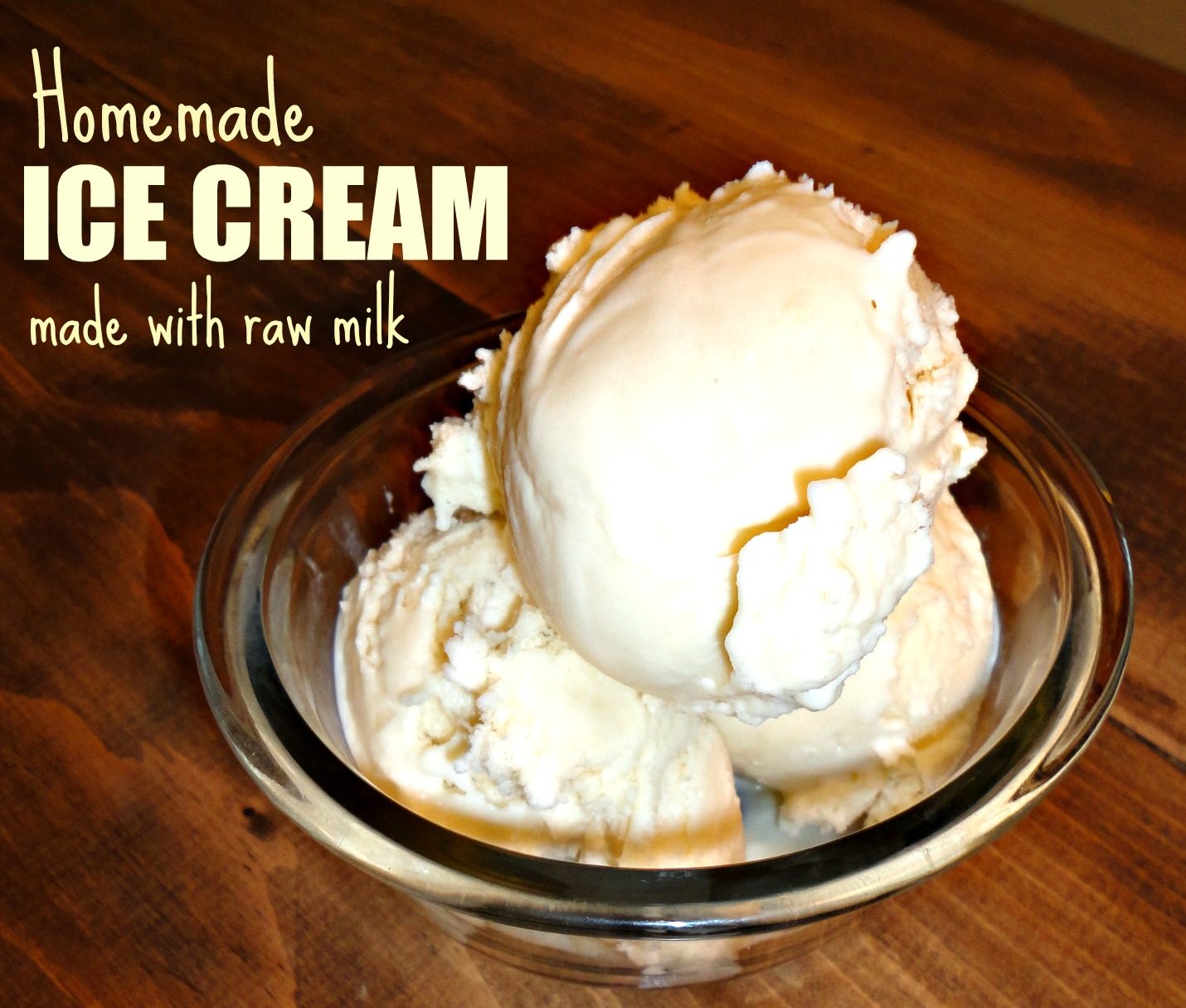
Creating homemade raw milk ice cream is a simple and rewarding process. Follow these step-by-step s to enjoy a delicious and nutritious treat:
Preparing the Ingredients
- Chill the milk: Pour the raw milk into a large bowl and refrigerate for at least 4 hours or overnight. This will help the milk thicken and churn more easily.
- Combine the ingredients: In a separate bowl, whisk together the sugar, vanilla extract, and salt. Add this mixture to the chilled milk and stir until combined.
Freezing the Ice Cream
- Pour into the churn: Transfer the milk mixture to an ice cream maker churn and freeze according to the manufacturer’s instructions.
- Check the consistency: The ice cream is ready when it reaches a soft-serve consistency. If desired, continue churning for a firmer texture.
Storing the Ice Cream
- Transfer to a container: Pour the ice cream into an airtight container and freeze for at least 4 hours before serving. This will allow the ice cream to firm up and develop its full flavor.
- Enjoy: Scoop and serve the raw milk ice cream and enjoy its creamy, homemade goodness.
Variations and Flavors
Raw milk ice cream offers a wide canvas for culinary exploration, allowing for countless flavor variations. From classic favorites to innovative combinations, the possibilities are endless.
Vanilla
Vanilla is a timeless flavor that complements the rich creaminess of raw milk. To create vanilla ice cream, simply add pure vanilla extract or vanilla beans to the ice cream base. For a more intense flavor, use vanilla bean paste.
Chocolate
Chocolate lovers can indulge in decadent chocolate ice cream made with melted chocolate, cocoa powder, or a combination of both. Dark chocolate provides a rich and intense flavor, while milk chocolate offers a sweeter and milder taste.
Fruit-Based
Fresh or frozen fruits can transform raw milk ice cream into a refreshing and fruity treat. Berries, bananas, mangoes, and peaches are popular choices. Puree the fruit and add it to the ice cream base, or fold in chunks of fruit for a burst of texture.
Nut-Based
Nuts add a nutty crunch and richness to raw milk ice cream. Finely chopped almonds, walnuts, or pistachios can be folded into the ice cream base. For a more intense flavor, toast the nuts before adding them.
Troubleshooting Common Issues: Raw Milk Ice Cream Recipe
The process of making raw milk ice cream may occasionally encounter obstacles. Here are some typical issues and practical advice on how to address them:
Ice Crystals
Ice crystals form when water molecules in the ice cream freeze too quickly. This can happen if the ice cream is not churned long enough or if the freezer is too cold.
- To prevent ice crystals, churn the ice cream for at least 20 minutes or until it is thick and creamy.
- If the ice cream is already frozen, let it soften slightly at room temperature before churning it again.
Grainy Texture
A grainy texture can occur if the ice cream is not blended smoothly. This can happen if the milk is not fully homogenized or if the ice cream is over-churned.
- To prevent a grainy texture, make sure to use homogenized milk.
- Do not over-churn the ice cream. Once it is thick and creamy, stop churning.
Separation of Ingredients
Separation of ingredients can occur if the ice cream is not emulsified properly. This can happen if the milk and cream are not combined properly or if the ice cream is not chilled enough before churning.
If you’re looking for a refreshing and healthy treat, try this raw milk ice cream recipe. It’s made with just a few simple ingredients, and it’s delicious and nutritious. For a savory twist, check out these Polska Kielbasa Recipes With Pasta . Then, come back to this raw milk ice cream recipe for a sweet and satisfying dessert.
- To prevent separation of ingredients, make sure to combine the milk and cream thoroughly before churning.
- Chill the ice cream base in the refrigerator for at least 4 hours before churning.
Nutritional Benefits and Safety Considerations
Raw milk ice cream offers several nutritional benefits due to the presence of raw milk. It is a rich source of calcium, which is essential for strong bones and teeth. Raw milk also contains other important nutrients, including protein, fat, vitamins, and minerals.
Safety Considerations
While raw milk ice cream can be a nutritious treat, it is important to be aware of potential safety considerations. Raw milk may contain harmful bacteria that can cause foodborne illnesses. Individuals with weakened immune systems, young children, and pregnant women should exercise caution when consuming raw milk or raw milk products.
To minimize the risk of foodborne illnesses, it is crucial to practice safe handling and storage of raw milk and raw milk ice cream. This includes purchasing raw milk from reputable sources, storing it at proper temperatures, and consuming it within a reasonable time frame.
Serving Suggestions and Presentation
Raw milk ice cream offers a canvas for culinary creativity, inviting experimentation with various toppings, sauces, and garnishes that enhance its rich flavor and velvety texture.
To accentuate the ice cream’s natural sweetness, drizzle it with raw honey or pure maple syrup. A sprinkle of cinnamon or nutmeg adds warmth and depth, while chopped nuts, such as walnuts or almonds, provide a satisfying crunch.
Presentation
Presentation plays a crucial role in elevating the ice cream experience. Use an ice cream scoop to form elegant balls and place them in decorative bowls or cones. Garnish with fresh berries, mint leaves, or chocolate shavings for a visually appealing touch.
This recipe for Raw Milk Ice Cream is a great way to use up any extra milk you have on hand. It’s also a delicious and healthy treat that the whole family will enjoy. If you’re looking for a healthier alternative to ice cream, be sure to check out our recipe for Panera Green Smoothie . It’s packed with nutrients and antioxidants, and it’s a great way to start your day.
Storage
Proper storage is essential to maintain the quality and freshness of raw milk ice cream. Store it in an airtight container in the freezer at a temperature of -18°C or below. Consume the ice cream within 2-3 weeks for optimal flavor and texture.
Comparison to Pasteurized Milk Ice Cream
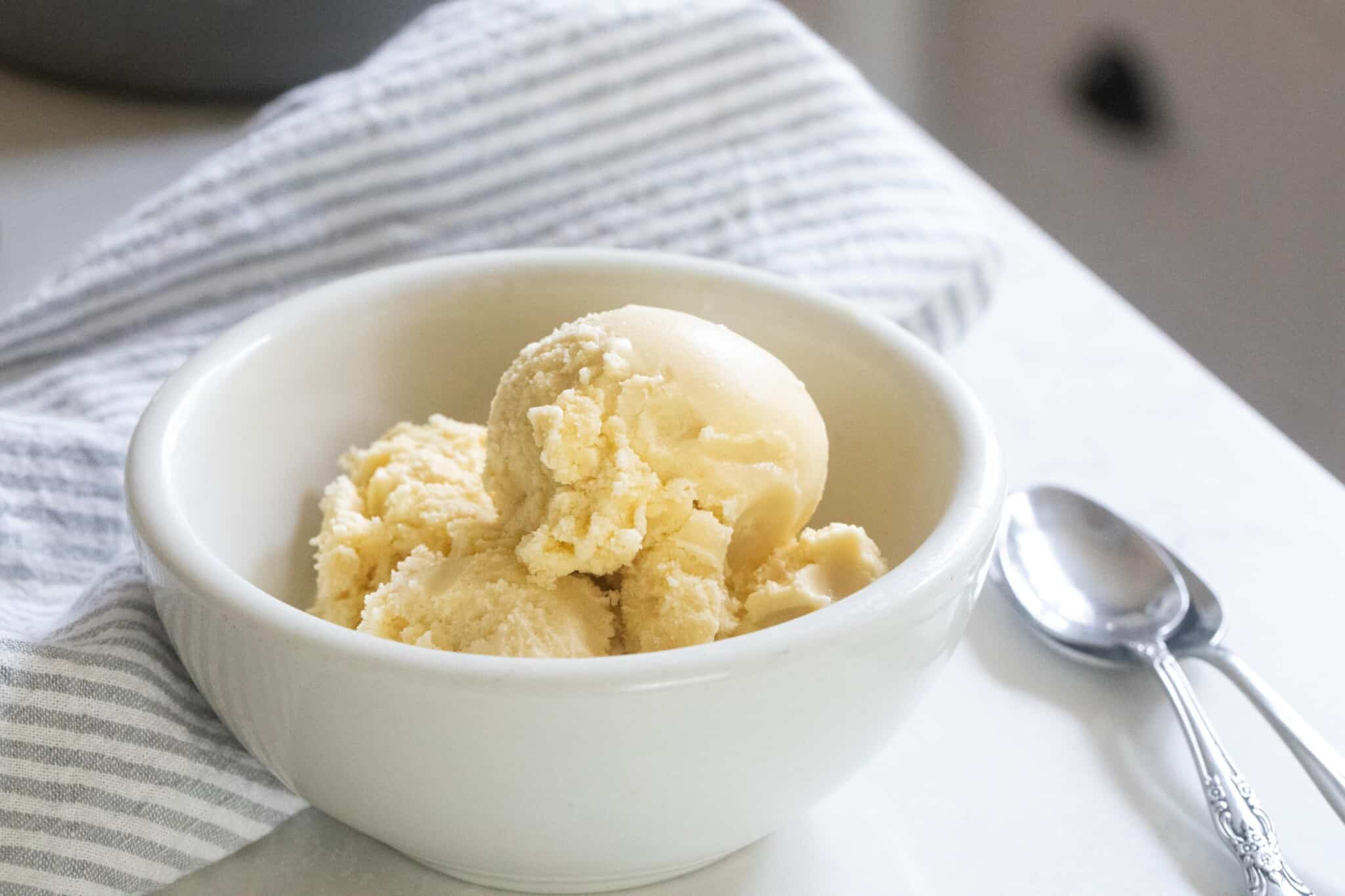
Raw milk ice cream, made from unpasteurized milk, offers a unique taste and texture compared to pasteurized milk ice cream. Pasteurization, a heat treatment process, kills harmful bacteria in milk, but it also affects its flavor and nutritional content.
Taste and Texture
Raw milk ice cream has a richer, creamier flavor than pasteurized milk ice cream. This is because pasteurization removes some of the enzymes and proteins that contribute to the flavor of milk. Raw milk ice cream also has a smoother texture, as pasteurization can cause milk proteins to clump together.
Nutritional Value, Raw Milk Ice Cream Recipe
Raw milk ice cream contains more nutrients than pasteurized milk ice cream, including vitamins, minerals, and enzymes. Pasteurization destroys some of these nutrients, so raw milk ice cream is a better source of nutrition.
Safety Considerations
Raw milk ice cream is not as safe as pasteurized milk ice cream because it can contain harmful bacteria. These bacteria can cause foodborne illnesses, such as salmonella and E. coli. Pasteurization kills these bacteria, making pasteurized milk ice cream a safer choice.
Ultimately, the choice between raw and pasteurized milk ice cream is a personal one. Those who prefer a richer flavor and more nutrients may opt for raw milk ice cream, while those who prioritize safety may choose pasteurized milk ice cream.
Health Benefits of Raw Milk
Raw milk, obtained directly from animals without undergoing pasteurization or homogenization, is gaining attention for its potential health benefits. Proponents claim that raw milk contains beneficial bacteria, enzymes, and nutrients that may offer various health advantages.
Probiotic Properties
Raw milk is a natural source of probiotics, live microorganisms that provide health benefits to the digestive system. These probiotics help maintain a healthy balance of gut bacteria, promoting digestive health and potentially boosting the immune system.
Enzyme Content
Raw milk contains enzymes that aid in digestion. These enzymes break down nutrients, making them more easily absorbed by the body. This can be particularly beneficial for individuals with digestive issues or those seeking to improve nutrient absorption.
Immune-Boosting Effects
Some studies suggest that raw milk may have immune-boosting properties. It contains immunoglobulins, antibodies that help the body fight infections. Additionally, the probiotics in raw milk may support a healthy immune system by reducing inflammation and promoting the growth of beneficial bacteria.
Scientific Evidence and Ongoing Research
While these potential health benefits of raw milk are intriguing, it’s important to note that the scientific evidence is still limited and ongoing. More research is needed to fully understand the potential health effects of consuming raw milk and to determine the optimal ways to consume it safely.
Balanced Perspective
It’s crucial to approach the consumption of raw milk with a balanced perspective. While it may offer potential health benefits, it also carries potential risks, such as the presence of harmful bacteria. Therefore, it’s essential to weigh the potential benefits and risks carefully before deciding whether or not to consume raw milk.
Conclusion
As you savor the fruits of your labor, bask in the satisfaction of creating a delectable dessert that is both wholesome and delicious. Whether you’re a seasoned ice cream aficionado or embarking on your first frozen adventure, this Raw Milk Ice Cream Recipe will elevate your culinary repertoire and leave you craving more.
So, gather your ingredients, don your apron, and let’s embark on a culinary journey that will transform your taste buds and redefine your perception of homemade ice cream. Happy churning!