Immerse yourself in the world of flavors with our hot pot dipping sauce recipe guide. Whether you’re a seasoned hot pot enthusiast or a curious novice, this comprehensive guide will empower you to create delectable dipping sauces that will elevate your culinary experience.
Discover the art of crafting a harmonious blend of ingredients, exploring the role each element plays in enhancing the taste and texture of your sauce. Learn the secrets of adjusting quantities to suit your personal preferences and dietary needs, ensuring that every dip is a symphony of flavors.
Dipping Sauce Ingredients
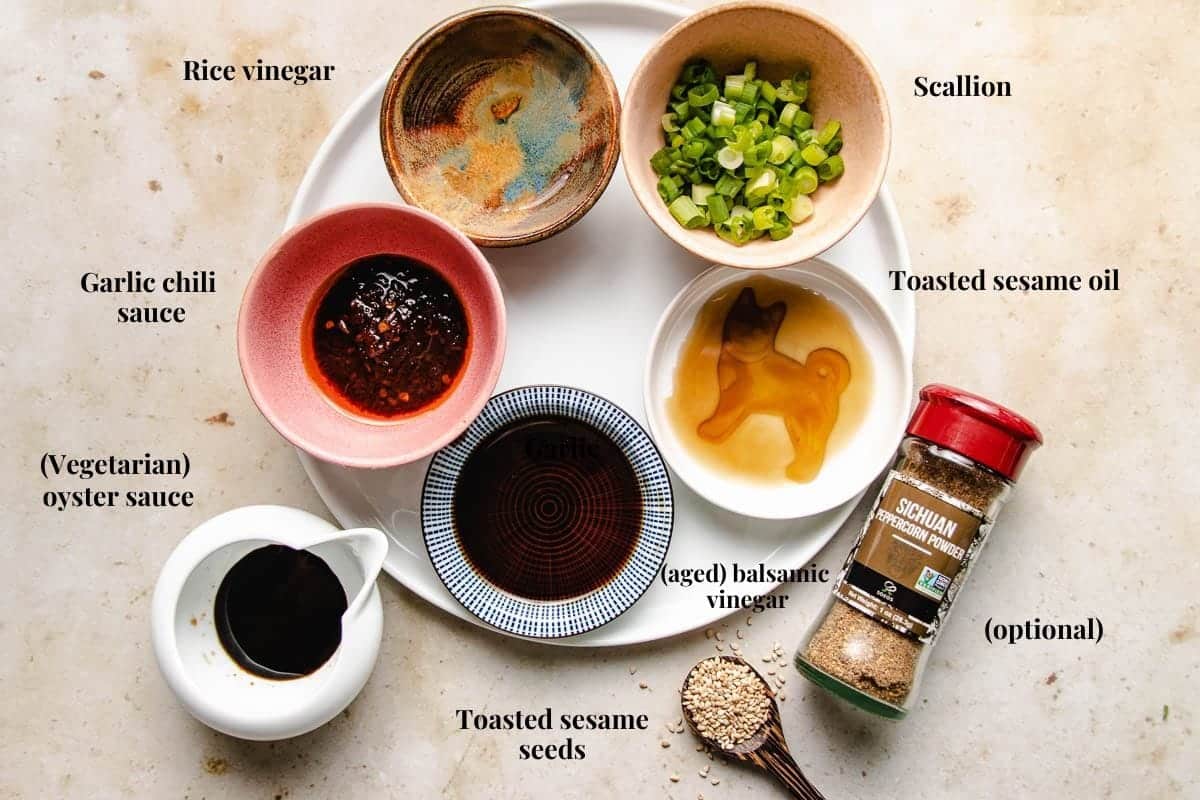
Crafting the perfect dipping sauce for your hot pot experience is an art form that elevates the flavors of your ingredients. A harmonious blend of savory, spicy, and umami flavors creates a symphony of tastes that enhances the enjoyment of each bite.
The foundation of a delectable dipping sauce lies in carefully selected ingredients, each playing a crucial role in contributing to the overall flavor profile. Let’s delve into the essential components and their functions:
Soy Sauce
- Role:Provides a salty and umami base, enhancing the savory flavors of the sauce.
- Nutritional Information:1 tablespoon (15 ml) contains approximately 10 calories, 1 gram of protein, and 900 milligrams of sodium.
- Adjustments:Use low-sodium soy sauce or reduce the quantity for a less salty sauce. For a gluten-free option, opt for tamari sauce.
Sesame Oil
- Role:Adds a nutty and aromatic flavor, creating a rich and flavorful sauce.
- Nutritional Information:1 tablespoon (15 ml) contains approximately 120 calories, 14 grams of fat, and 0 grams of carbohydrates.
- Adjustments:Use toasted sesame oil for a more intense flavor. Adjust the quantity to suit your preference for nuttiness.
Vinegar
- Role:Provides acidity, balancing the richness of the sauce and adding a refreshing touch.
- Nutritional Information:1 tablespoon (15 ml) of rice vinegar contains approximately 5 calories, 0 grams of fat, and 1 gram of carbohydrates.
- Adjustments:Use different types of vinegar, such as rice vinegar, white vinegar, or apple cider vinegar, to create variations in flavor.
Garlic and Ginger
- Role:Adds aromatic and savory flavors, enhancing the overall depth of the sauce.
- Nutritional Information:1 clove of garlic (3 grams) contains approximately 4 calories, 0 grams of fat, and 1 gram of carbohydrates. 1 tablespoon (3 grams) of ginger contains approximately 5 calories, 0 grams of fat, and 1 gram of carbohydrates.
- Adjustments:Use fresh or minced garlic and ginger for the best flavor. Adjust the quantity to suit your desired level of pungency.
Green Onions
- Role:Adds freshness, color, and a mild oniony flavor to the sauce.
- Nutritional Information:1 stalk (5 grams) of green onions contains approximately 2 calories, 0 grams of fat, and 0 grams of carbohydrates.
- Adjustments:Use fresh, thinly sliced green onions for the best texture and flavor.
Sauce Preparation Techniques
Creating delectable hot pot dipping sauces from scratch is an art form that requires a harmonious blend of ingredients and meticulous preparation techniques. Various cooking methods can be employed to achieve distinct consistencies and flavor profiles, ultimately catering to diverse taste preferences.
Simmering
Simmering involves gently heating the sauce over low heat for an extended period, allowing the flavors to meld and deepen. This technique is ideal for creating rich and flavorful sauces, as the slow and steady heat encourages the release of aromatic compounds from the ingredients.
While exploring hot pot dipping sauce recipes, one might stumble upon the tantalizing flavors of the Dutch Bros Annihilator recipe . This delightful beverage offers a unique blend of coffee, chocolate, and Irish cream, creating a rich and satisfying experience.
Returning to the realm of hot pot dipping sauces, the possibilities are endless, allowing you to customize your dipping experience to perfection.
Simmering also helps to thicken the sauce gradually, resulting in a smooth and velvety texture.
Boiling
Boiling, on the other hand, is a more vigorous cooking method that involves rapidly bringing the sauce to a boil and maintaining it for a shorter duration. This technique is suitable for sauces that require a brighter and more pronounced flavor profile, as the intense heat quickly extracts flavors from the ingredients.
Hot pot dipping sauces are a great way to add flavor and variety to your hot pot experience. If you’re looking for a heat-resistant recipe, be sure to check out the heat resistance recipe totk . This recipe will help you create a dipping sauce that can withstand the high temperatures of a hot pot.
Once you’ve made your dipping sauce, be sure to experiment with different ingredients to find the perfect combination of flavors for your taste buds. Hot pot dipping sauces are a great way to add some extra flavor to your meal, so don’t be afraid to get creative and experiment with different recipes.
Boiling can also be used to reduce the sauce’s liquid content, resulting in a thicker consistency.
Blending
Blending is a versatile technique that can be employed to create smooth and homogeneous sauces. By using an immersion blender or a traditional blender, the ingredients are pureed until they reach the desired consistency. Blending is particularly useful for sauces that incorporate solid ingredients, such as herbs, spices, or vegetables, as it allows for a uniform distribution of flavors and textures.
While preparing a flavorful hot pot dipping sauce, you may also find it useful to explore a recipe for brine for smoking fish . This brine can enhance the taste and texture of your fish, making it a delicious addition to your culinary repertoire.
Returning to the topic of hot pot dipping sauce, remember to experiment with different ingredients to create a sauce that perfectly complements your favorite hot pot dishes.
Flavor Customization
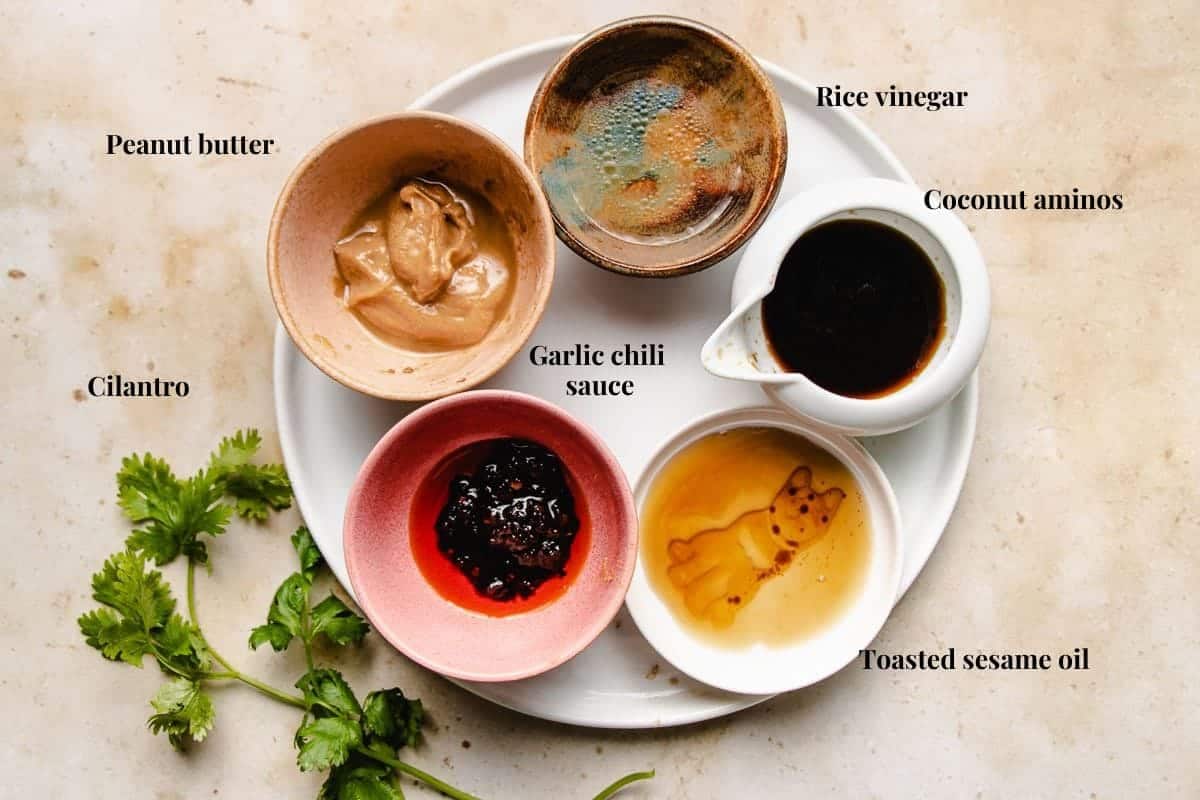
Hot pot dipping sauces offer endless possibilities for customization, allowing you to tailor them to your unique taste preferences. Experiment with a range of herbs, spices, and seasonings to create sauces that perfectly complement your hot pot experience.
To achieve a harmonious balance of flavors, consider the following elements:
Sweetness
- Honey
- Sugar
- Hoisin sauce
Sourness
- Vinegar
- Lemon juice
- Lime juice
Saltiness
- Soy sauce
- Fish sauce
- Oyster sauce
Spiciness
- Chili peppers
- Sriracha
- Sambal oelek
By adjusting the proportions of these elements, you can create sauces that range from mild and sweet to bold and spicy. Experiment with different combinations to discover your favorite flavor profiles.
Sauce Pairing Recommendations
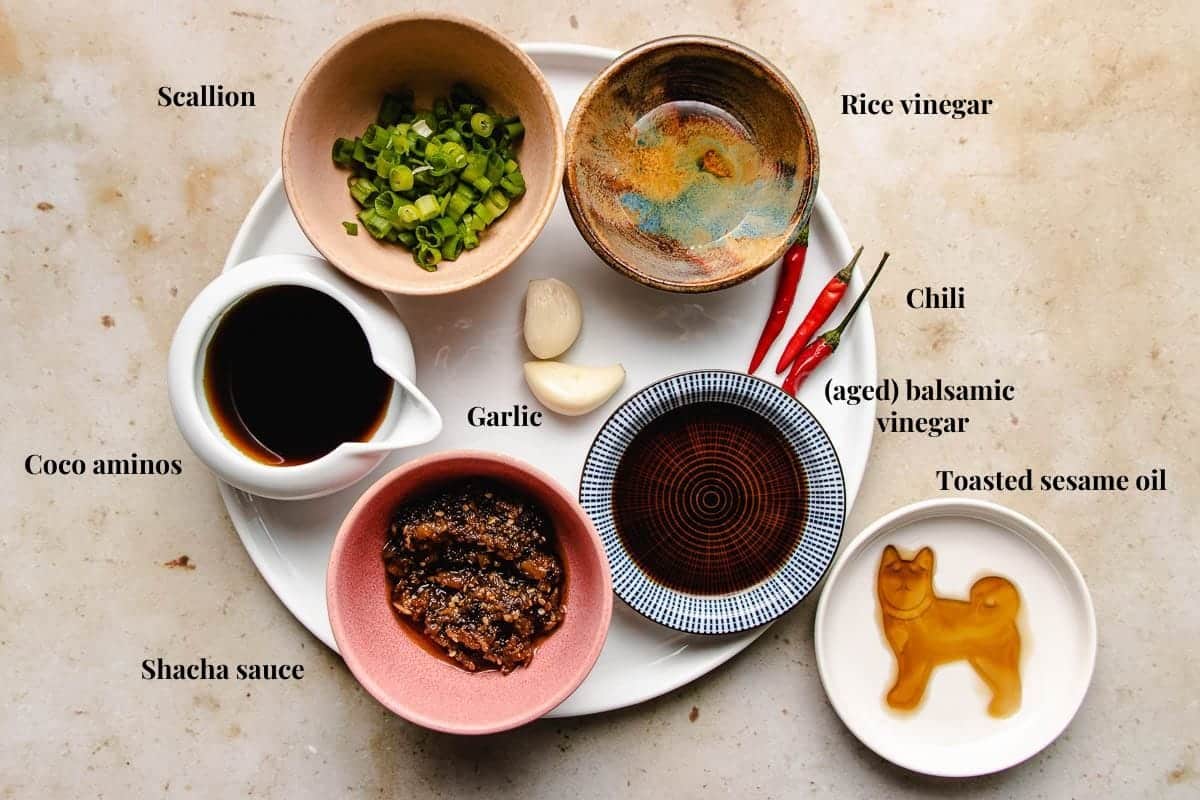
Pairing the right dipping sauce with your hot pot ingredients can elevate your dining experience to new heights. The flavors and textures of different sauces complement specific types of meats, vegetables, and noodles in unique ways, enhancing their taste and creating a harmonious culinary symphony.
To help you create the perfect sauce pairing, here are some recommendations:
For Meats, Hot pot dipping sauce recipe
- Beef:Sesame oil-based sauces, such as shacha sauce or hoisin sauce, add a savory and slightly sweet flavor to beef, balancing its richness.
- Pork:Soy sauce-based sauces, like soy sauce or ponzu sauce, provide a salty and umami-packed complement to pork, enhancing its natural flavors.
- Lamb:Spicy sauces, such as chili oil or fermented bean paste, cut through the fattiness of lamb, adding a layer of heat and complexity.
For Vegetables
- Leafy greens:Sesame oil-based sauces or vinegar-based sauces, like black vinegar or rice vinegar, brighten up leafy greens, adding a refreshing and tangy touch.
- Root vegetables:Soy sauce-based sauces or miso-based sauces, like miso paste or white miso, enhance the earthy flavors of root vegetables, adding depth and umami.
- Mushrooms:Spicy sauces or vinegar-based sauces add a contrasting flavor to mushrooms, balancing their umami richness with heat or acidity.
For Noodles
- Wheat noodles:Soy sauce-based sauces or sesame oil-based sauces provide a savory and slightly sweet flavor to wheat noodles, complementing their mild taste.
- Rice noodles:Spicy sauces or vinegar-based sauces add a layer of heat or tanginess to rice noodles, balancing their delicate texture.
- Glass noodles:Sesame oil-based sauces or vinegar-based sauces enhance the neutral flavor of glass noodles, adding a touch of umami or acidity.
Final Review: Hot Pot Dipping Sauce Recipe
As you embark on this culinary journey, remember that customization is key. Experiment with herbs, spices, and seasonings to create a sauce that reflects your unique palate. Pair your creations with various hot pot ingredients, discovering the perfect combinations that tantalize your taste buds.
With our detailed guidance and your culinary creativity, you’ll become a master of hot pot dipping sauces, transforming every meal into an unforgettable feast.