Recipe Tom Yum Paste: A Culinary Journey into Thai Cuisine’s Flavorful Heart is a deep dive into the vibrant world of Thai cuisine, where the aromatic Tom Yum paste reigns supreme. Join us as we explore the ingredients, preparation, and cultural significance of this essential culinary element, unlocking the secrets to authentic Thai flavors.
Tom Yum paste, a symphony of spicy, sour, and umami notes, forms the backbone of many beloved Thai dishes. Its versatility extends from fiery soups to tantalizing stir-fries, making it a cornerstone of Thai cooking.
Ingredients
Tom Yum paste is a versatile ingredient that adds a distinct flavor to various dishes. It is made from a combination of aromatic herbs, spices, and chilies, each contributing unique notes to the overall taste profile.
The essential ingredients used in Tom Yum paste include:
Ingredients and Proportions
| Ingredient | Proportion | Function |
|---|---|---|
| Lemongrass | 3-4 stalks | Provides a citrusy and aromatic flavor |
| Kaffir lime leaves | 10-12 leaves | Adds a zesty and slightly bitter note |
| Galangal | 1-2 thumbs | Imparts a spicy and earthy flavor |
| Red chilies | 5-7 | Provides heat and spiciness |
| Shallots | 5-6 | Adds a savory and slightly sweet flavor |
| Garlic | 3-4 cloves | Provides a pungent and aromatic flavor |
| Shrimp paste | 1-2 tablespoons | Enhances the umami flavor |
Preparation
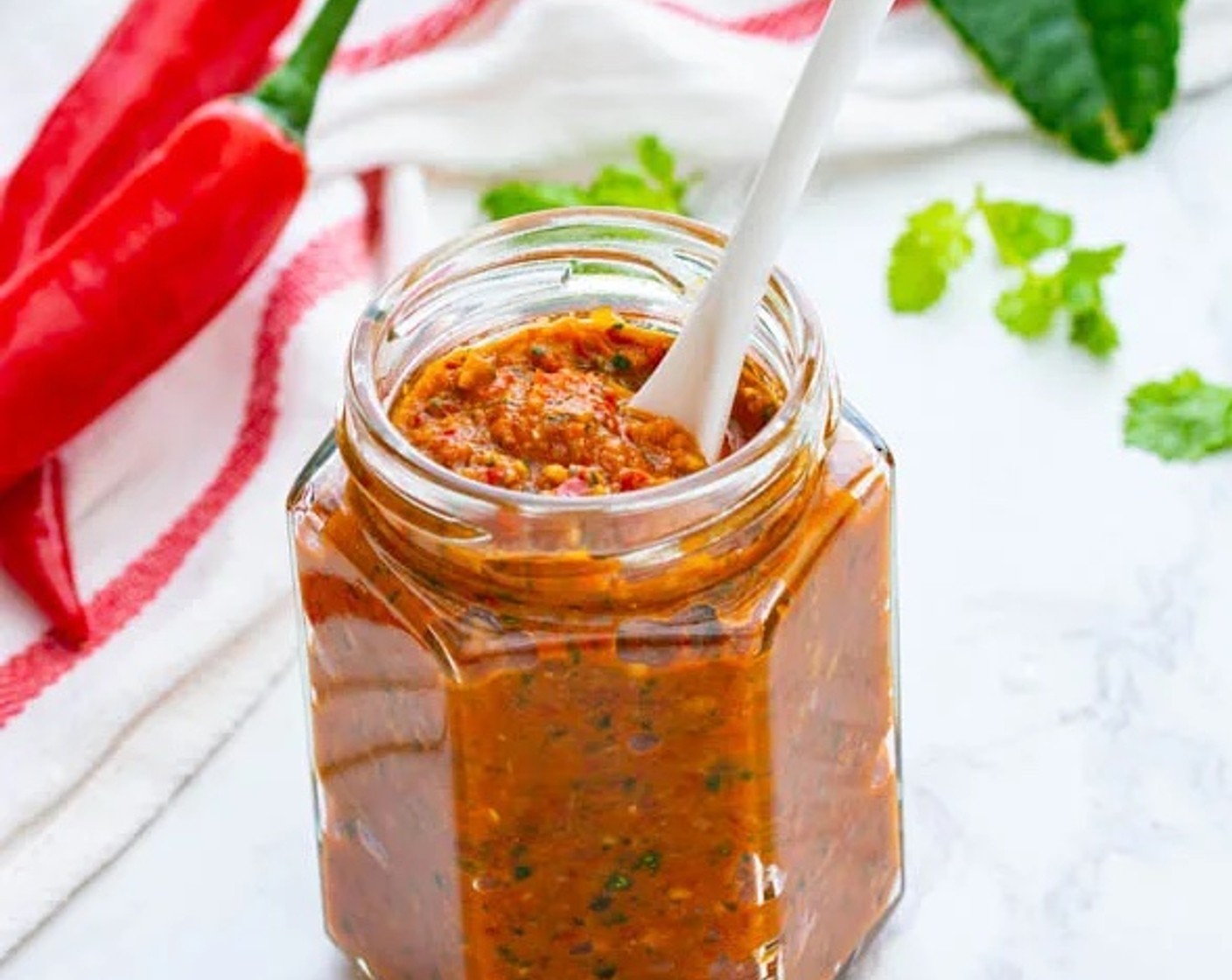
Tom Yum paste is traditionally prepared by combining fresh ingredients in a mortar and pestle. The ingredients are pounded together until they form a smooth paste. This method allows for the release of the full flavors of the ingredients and creates a paste that is both flavorful and aromatic.
Variations in Preparation Techniques
There are some variations in the preparation of Tom Yum paste across different regions. In some regions, the paste is made with a combination of fresh and dried ingredients. In other regions, the paste is made with a combination of fresh ingredients and a small amount of sugar or honey. The variations in preparation techniques reflect the different regional preferences for flavors and textures.
Flavor Profile
/tom-yum-paste-marinade-3217312-hero-01-5c7d58d446e0fb0001edc89f.jpg "Yum tom paste recipe")
Tom Yum paste exhibits a distinctive flavor profile that sets it apart from other Thai curry pastes. Its complexity arises from the harmonious interplay of several dominant flavors.
The most prominent flavor in Tom Yum paste is its intense sourness, primarily attributed to the use of fresh lime juice and lemongrass. The sourness is balanced by a subtle sweetness derived from palm sugar or tamarind. This sweet-sour combination creates a refreshing and appetizing taste.
Spicy Heat, Recipe Tom Yum Paste
Tom Yum paste also packs a significant amount of spicy heat, thanks to the inclusion of chili peppers. The heat level can vary depending on the type of chili peppers used, ranging from mild to intensely spicy. The spicy heat adds a stimulating dimension to the paste, complementing the sourness and sweetness.
Umami and Aromatics
Furthermore, Tom Yum paste is characterized by its umami richness and aromatic complexity. Fish sauce and shrimp paste contribute a savory depth to the paste, while galangal and kaffir lime leaves add earthy and citrusy notes. These aromatic ingredients enhance the overall flavor profile, creating a harmonious and well-rounded taste experience.
While preparing the aromatic Recipe Tom Yum Paste, one might crave a delightful twist. Consider venturing into the realm of Mexican cuisine with the Pollo Con Queso Recipe . This dish tantalizes taste buds with succulent chicken smothered in a rich, cheesy sauce.
Returning to our culinary expedition, the Recipe Tom Yum Paste awaits, ready to infuse dishes with its invigorating blend of spices.
Culinary Uses
Tom Yum paste is an essential ingredient in Thai cuisine, offering a versatile base for a wide range of dishes. Its balanced flavors make it a key component in many Thai soups, stir-fries, and curries.
Soups
- Tom Yum Goong (Spicy Shrimp Soup): The classic Tom Yum soup, featuring a fragrant broth made with lemongrass, galangal, and kaffir lime leaves, and a generous amount of succulent shrimp.
- Tom Yum Gai (Spicy Chicken Soup): A variation of Tom Yum Goong, using chicken instead of shrimp, offering a lighter and more delicate flavor profile.
Stir-fries
- Pad See Ew (Stir-fried Noodles with Soy Sauce): Tom Yum paste adds a subtle sour and spicy kick to this popular noodle dish, balancing the sweetness of the soy sauce.
- Pad Prik King (Stir-fried Pork with Ginger): The aromatic paste enhances the savory flavors of pork and vegetables in this stir-fry, adding a layer of complexity.
Curries
- Gaeng Daeng (Red Curry): Tom Yum paste adds a subtle sourness to this rich and creamy curry, creating a harmonious blend of flavors.
- Gaeng Keow Wan (Green Curry): The paste’s bright flavors complement the herbaceous notes of green chilies and coconut milk, resulting in a vibrant and aromatic curry.
Health Benefits
Tom Yum paste is a rich source of various herbs and spices, many of which are known for their potential health benefits.
These ingredients may contribute to overall well-being and provide antioxidant, anti-inflammatory, and digestive properties.
Herbs and Spices for Well-being
- Lemongrass: Contains antioxidants that may protect against cellular damage.
- Kaffir Lime Leaves: Rich in flavonoids with antioxidant and anti-inflammatory properties.
- Galangal: A member of the ginger family, known for its anti-nausea and anti-inflammatory effects.
- Chilli Peppers: Contain capsaicin, which has pain-relieving and anti-inflammatory properties.
- Coriander: May aid digestion and reduce inflammation.
Cultural Significance
Tom Yum paste holds a deep cultural significance in Thai society, transcending its culinary role to become an integral part of traditional ceremonies and festivals.
Its distinct blend of sour, spicy, and aromatic flavors has earned it a place as a symbol of Thai cuisine and a source of national pride.
Religious Ceremonies
Tom Yum paste is an essential ingredient in many religious ceremonies in Thailand, particularly those related to ancestor worship and offerings to deities.
Its spicy and aromatic flavors are believed to ward off evil spirits and attract good fortune.
Commercial Production
Tom Yum paste is commercially produced to meet the growing demand for this popular Thai ingredient. The commercial production process involves several steps to ensure the paste’s quality, consistency, and shelf life.
Traditional Methods
Traditional methods of Tom Yum paste production are still widely used in small-scale operations. These methods involve the use of fresh ingredients, such as chili peppers, lemongrass, galangal, and kaffir lime leaves, which are pounded together using a mortar and pestle. This process can be time-consuming and requires skilled labor.
The Recipe Tom Yum Paste is a must-have for any Thai food enthusiast. Its fragrant blend of lemongrass, galangal, and chili peppers creates a flavorful base for soups, curries, and stir-fries. For a taste of culinary heaven, try incorporating it into the Recipe For Heaven In A Bowl . This dish combines the tangy and spicy flavors of Tom Yum Paste with the richness of coconut milk and the freshness of vegetables, creating a harmonious balance of flavors that will tantalize your taste buds.
Back to the Recipe Tom Yum Paste, its versatility makes it a staple ingredient in Thai cooking, allowing you to experiment with different dishes and explore the vibrant flavors of Southeast Asia.
Modern Methods
Modern methods of Tom Yum paste production have been developed to increase efficiency and scale. These methods typically use machines to grind and mix the ingredients, ensuring a consistent texture and flavor. Additionally, modern methods often incorporate preservatives and stabilizers to extend the shelf life of the paste.
Comparison
- Ingredients: Traditional methods use fresh ingredients, while modern methods may use dried or powdered ingredients for convenience and cost-effectiveness.
- Process: Traditional methods are labor-intensive and time-consuming, while modern methods are more efficient and automated.
- Flavor: Traditional methods are said to produce a more authentic flavor, while modern methods may have a slightly different taste profile due to the use of preservatives and stabilizers.
- Shelf life: Traditional Tom Yum paste has a shorter shelf life compared to commercially produced paste, which typically contains preservatives.
Ultimately, the choice between traditional and modern production methods depends on factors such as scale, cost, and desired flavor profile.
Storage and Preservation
Tom Yum paste has a relatively short shelf life and should be stored properly to maintain its freshness and flavor. Here are some effective storage techniques:
Refrigeration
- Transfer the paste to an airtight container or wrap it tightly in plastic wrap.
- Store it in the refrigerator for up to 2 weeks.
Freezing
- For longer storage, Tom Yum paste can be frozen for up to 3 months.
- Portion the paste into ice cube trays or small airtight containers.
- Freeze the portions until solid.
- Transfer the frozen portions to a freezer-safe bag for convenient storage.
Variations
Tom Yum paste is a versatile ingredient that can be used to create a variety of dishes. There are many regional variations of Tom Yum paste, each with its own unique flavor profile. Some of the most popular variations include:
- Thai-style Tom Yum paste: This is the most common type of Tom Yum paste and is made with a blend of lemongrass, galangal, kaffir lime leaves, chili peppers, and shrimp paste.
- Vietnamese-style Tom Yum paste: This variation of Tom Yum paste is made with a blend of lemongrass, galangal, kaffir lime leaves, chili peppers, and fish sauce.
- Cambodian-style Tom Yum paste: This variation of Tom Yum paste is made with a blend of lemongrass, galangal, kaffir lime leaves, chili peppers, and prahok (fermented fish paste).
- Laotian-style Tom Yum paste: This variation of Tom Yum paste is made with a blend of lemongrass, galangal, kaffir lime leaves, chili peppers, and tamarind.
The ingredients and preparation methods for Tom Yum paste vary depending on the region. For example, Thai-style Tom Yum paste is typically made with a blend of fresh ingredients, while Vietnamese-style Tom Yum paste is often made with a blend of dried ingredients. Cambodian-style Tom Yum paste is typically made with a blend of fresh and dried ingredients, while Laotian-style Tom Yum paste is typically made with a blend of fresh ingredients and tamarind.
Substitutes
Tom Yum paste is a versatile ingredient that can be used in a variety of dishes. However, if you don’t have any on hand, there are several substitutes that you can use.
- Lemongrass, galangal, and kaffir lime leaves: These are the three essential ingredients in Tom Yum paste, and they can be used to make a simple substitute. Simply combine equal parts of each ingredient and blend until smooth.
- Red curry paste: Red curry paste is a good substitute for Tom Yum paste because it has a similar flavor profile. It is made with chili peppers, garlic, shallots, lemongrass, and galangal. To use red curry paste as a substitute for Tom Yum paste, simply add it to your dish in the same amount that you would use Tom Yum paste.
- Green curry paste: Green curry paste is another good substitute for Tom Yum paste. It is made with green chilies, garlic, shallots, lemongrass, and galangal. Green curry paste has a slightly milder flavor than red curry paste, so you may want to add a little bit more of it to your dish.
- Panang curry paste: Panang curry paste is a good substitute for Tom Yum paste if you are looking for a sweeter flavor. It is made with red chilies, garlic, shallots, lemongrass, galangal, and peanuts. To use panang curry paste as a substitute for Tom Yum paste, simply add it to your dish in the same amount that you would use Tom Yum paste.
- Yellow curry paste: Yellow curry paste is a good substitute for Tom Yum paste if you are looking for a milder flavor. It is made with yellow chilies, garlic, shallots, lemongrass, and galangal. To use yellow curry paste as a substitute for Tom Yum paste, simply add it to your dish in the same amount that you would use Tom Yum paste.
Inspiration: Recipe Tom Yum Paste
Tom Yum paste’s versatility extends beyond traditional Thai cuisine, inspiring a range of innovative dishes and culinary explorations.
Chefs and home cooks alike are experimenting with Tom Yum paste to create unique flavor profiles and elevate everyday meals.
Modern Interpretations
- Tom Yum-infused Cocktails: Bartenders are incorporating Tom Yum paste into cocktails, creating refreshing and spicy libations.
- Tom Yum Marinade: The paste’s bold flavors enhance meats and seafood, adding a zesty kick to grilled dishes.
- Tom Yum Pizza: Chefs are using Tom Yum paste as a base for pizza sauce, creating a spicy and aromatic twist on the classic Italian dish.
- Tom Yum Stir-fries: The paste adds a burst of flavor to stir-fried vegetables, noodles, and proteins.
Global Fusion
- Tom Yum Tacos: A fusion of Thai and Mexican flavors, these tacos feature Tom Yum-marinated fillings.
- Tom Yum Ramen: Chefs are experimenting with adding Tom Yum paste to ramen broth, creating a spicy and umami-rich soup.
- Tom Yum Hummus: A unique blend of Middle Eastern and Thai flavors, Tom Yum hummus adds a spicy twist to the classic dip.
- Tom Yum-spiced Popcorn: A flavorful snack that combines the tangy heat of Tom Yum paste with the crunch of popcorn.
End of Discussion
/close-up-of-vegetables-730194077-5a71ddbd8023b900377770a2.jpg "Paste tom yum recipe")
In conclusion, Recipe Tom Yum Paste is an invaluable resource for anyone seeking to master the art of Thai cuisine. Whether you’re a seasoned chef or a home cook looking to expand your culinary horizons, this guide will empower you to create authentic and flavorful Thai dishes that will delight your taste buds and transport you to the vibrant streets of Thailand.