Embark on a culinary adventure with our recipe for cayenne pepper sauce, a fiery condiment that will tantalize your taste buds and elevate your dishes to new heights. Whether you're a seasoned chef or a home cook looking to add a touch of heat to your meals, this versatile sauce is sure to become a staple in your kitchen.
In this comprehensive guide, we'll walk you through the step-by-step process of creating your own cayenne pepper sauce, exploring its flavor profile, variations, and storage tips. Along the way, we'll uncover the potential health benefits of this spicy treat and provide answers to frequently asked questions.
Ingredients
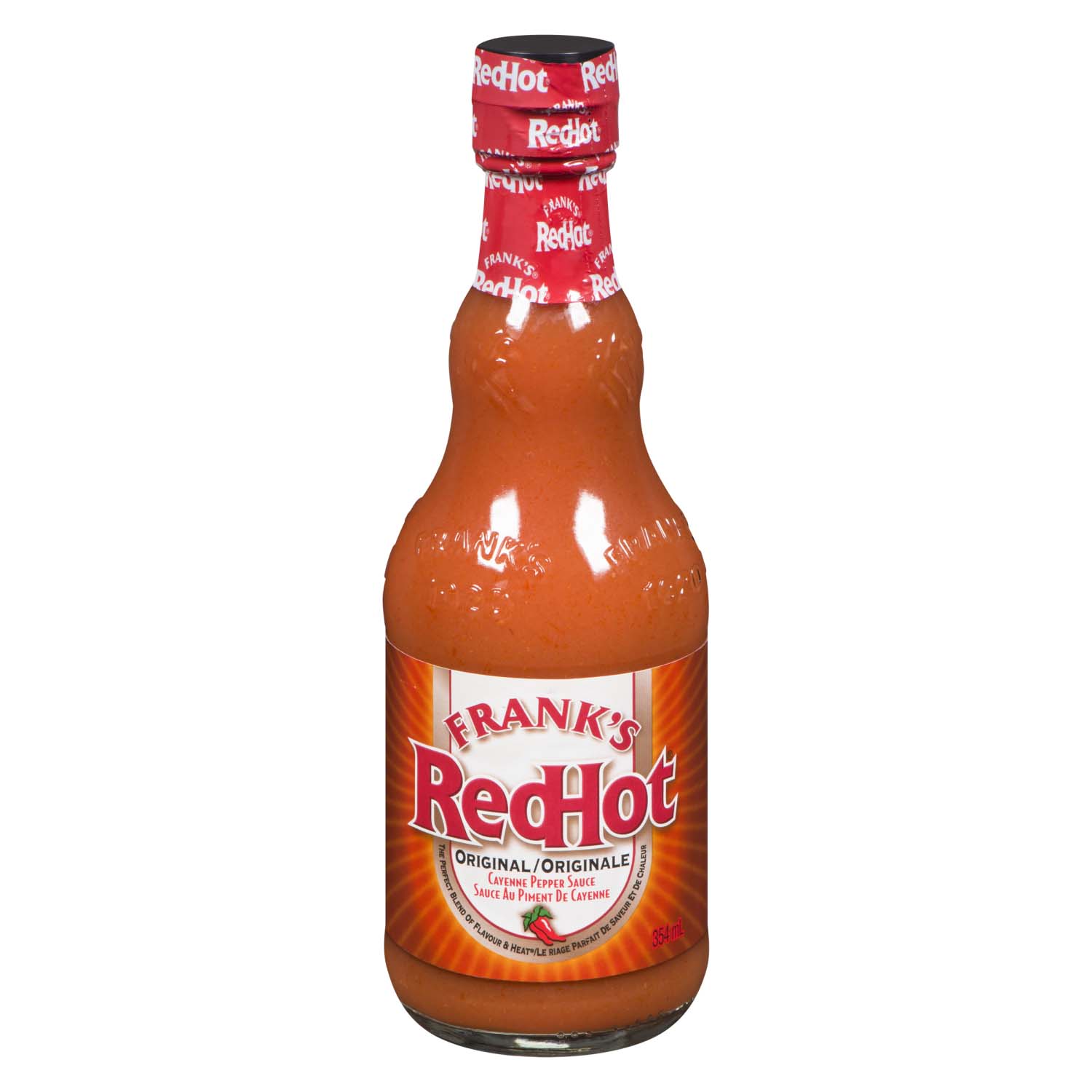
Cayenne pepper sauce is a versatile condiment that adds heat and flavor to various dishes. Here's a comprehensive list of ingredients you'll need to make your own cayenne pepper sauce:
Cayenne Peppers
The main ingredient is, of course, cayenne peppers. The quantity you use will determine the heat level of your sauce. For a medium-hot sauce, use about 1 pound of cayenne peppers. If you prefer a milder sauce, reduce the amount of peppers.
When creating a delectable cayenne pepper sauce, one may seek inspiration from other fruit-infused concoctions. Consider the vibrant recipe for blackberry juice , where the tangy sweetness of blackberries harmonizes with a hint of acidity. This flavor profile could serve as a foundation for a unique cayenne pepper sauce, balancing the heat of the peppers with a touch of fruity zest.
For a hotter sauce, increase the amount.
Vinegar
Vinegar is another essential ingredient in cayenne pepper sauce. It adds acidity and helps preserve the sauce. Use about 1 cup of vinegar for every pound of cayenne peppers.
Water
Water helps thin out the sauce and adjust its consistency. Add water gradually until you reach the desired consistency.
Salt
Salt enhances the flavor of the sauce and helps balance out the heat. Use about 1 teaspoon of salt for every pound of cayenne peppers.
Sugar (Optional)
Sugar is an optional ingredient that can be added to balance out the heat and add a touch of sweetness. Use about 1 tablespoon of sugar for every pound of cayenne peppers.
Other Seasonings (Optional)
You can also add other seasonings to your cayenne pepper sauce to customize the flavor. Some popular options include garlic, onion, and herbs like oregano or thyme. The amount you use will depend on your personal preference.
While the recipe for cayenne pepper sauce is simple and straightforward, it is essential to follow the instructions carefully to achieve the desired result. For a delightful twist on classic soups, you might consider trying the potato leek soup recipe ina garten . This creamy and flavorful soup is a comforting choice for any occasion.
Returning to the recipe for cayenne pepper sauce, remember to adjust the amount of cayenne pepper used based on your desired level of spiciness.
Equipment
To prepare this delectable cayenne pepper sauce, you will require the following essential tools and equipment:
These tools will ensure the efficient and safe preparation of your sauce, allowing you to achieve the desired consistency and flavor.
Blenders
- Immersion Blender:This handheld blender is ideal for small batches, allowing you to blend the ingredients directly in the container or pot.
- Stand Blender:For larger batches, a stand blender with a powerful motor can handle the tough cayenne peppers and create a smooth puree.
Other Equipment
- Measuring Cups and Spoons:Accurate measurements are crucial for achieving the perfect balance of flavors in your sauce.
- Funnel:A funnel will aid in transferring the sauce into bottles or jars for storage.
- Sterilized Jars or Bottles:These are essential for preserving the freshness and quality of your cayenne pepper sauce.
Preparation Steps

Creating cayenne pepper sauce involves a meticulous process that demands careful attention to detail. The following steps Artikel the intricacies of preparing this flavorful condiment:
Before embarking on the preparation, ensure that you have gathered all the necessary ingredients and equipment. Proper preparation will streamline the process and yield optimal results.
Cleaning and Preparing the Peppers
Begin by thoroughly rinsing the cayenne peppers under cold running water. Remove the stems and discard them. Cut the peppers in half lengthwise and carefully remove the seeds and ribs. This step is crucial as it reduces the heat intensity of the sauce.
Cooking s
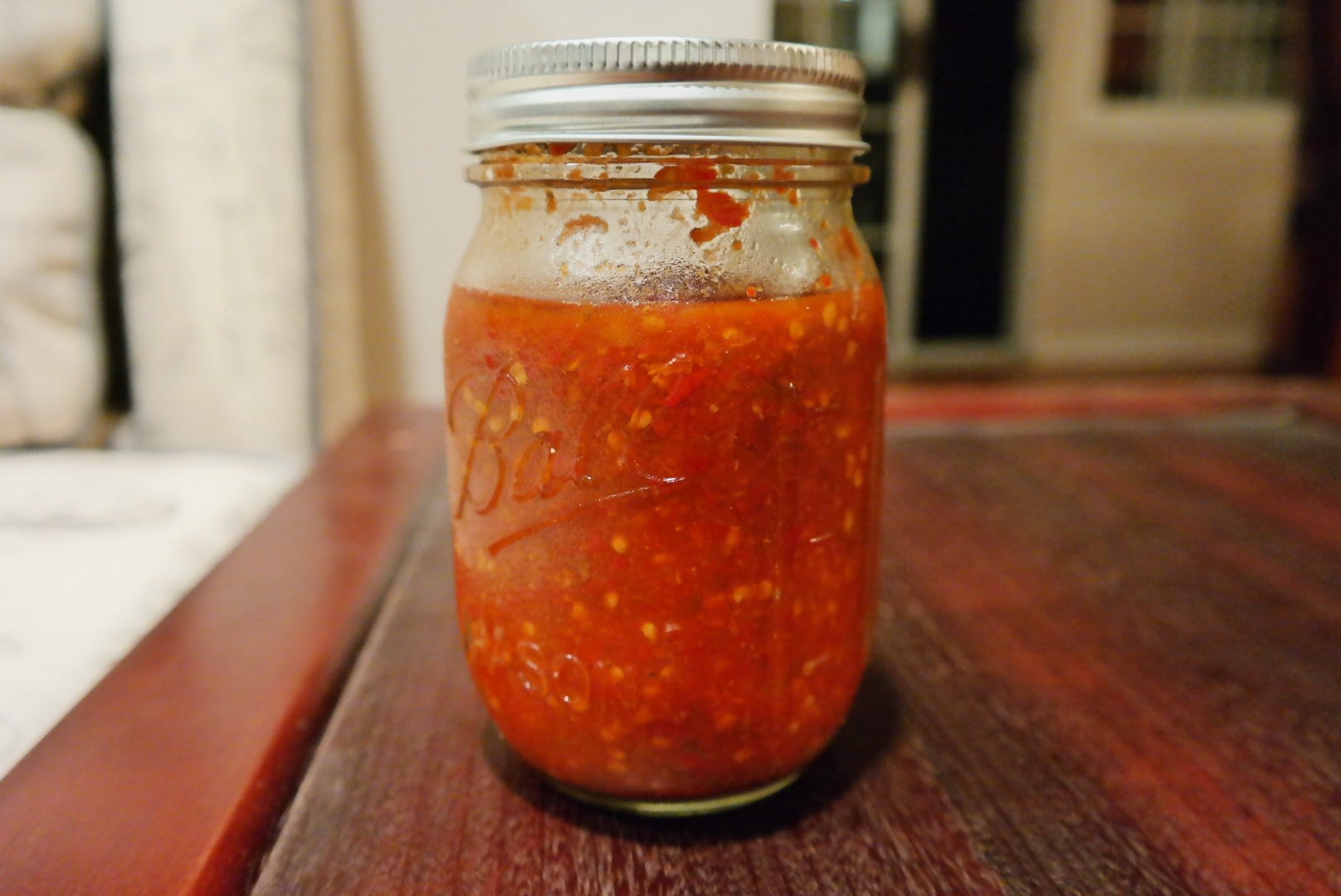
Cooking the cayenne pepper sauce is a crucial step that determines its flavor and consistency. Follow these s carefully to achieve the desired results.
The cooking process involves simmering the sauce over low heat, allowing the flavors to meld and develop. It is important to monitor the temperature and stir occasionally to prevent burning or scorching.
Temperature and Duration
- Heat the sauce in a saucepan over low heat, bringing it to a gentle simmer.
- Maintain a simmering temperature between 180-200°F (82-93°C) for 30-45 minutes, or until the sauce has thickened slightly and the flavors have developed.
Stirring and Monitoring, Recipe for cayenne pepper sauce
- Stir the sauce occasionally to ensure even cooking and prevent any ingredients from sticking to the bottom of the pan.
- Monitor the sauce closely and adjust the heat as needed to maintain the desired simmering temperature.
Flavor Profile
Prepare for a fiery explosion of flavors in this cayenne pepper sauce. Its spiciness level dances on the tongue, a vibrant and tantalizing heat that awakens the senses. The tanginess of vinegar provides a sharp contrast, balancing the heat and adding a layer of complexity.
Subtle notes of garlic and onion harmonize with the cayenne, creating a rich and savory depth.
With each taste, the cayenne pepper sauce unveils a symphony of flavors that will leave you craving more. Its fiery kick is tempered by the tanginess of vinegar, while the aromatic notes of garlic and onion add a savory undertone.
The fiery kick of cayenne pepper sauce adds a zesty touch to any dish. If you're looking to expand your culinary repertoire, consider exploring quest multi purpose mix recipes . These versatile mixes offer a wide range of options for creating delicious and nutritious meals.
Returning to our cayenne pepper sauce, its bold flavor complements various cuisines, making it a staple in many kitchens.
Prepare to ignite your taste buds with this tantalizing sauce that will elevate any dish to new heights.
Variations
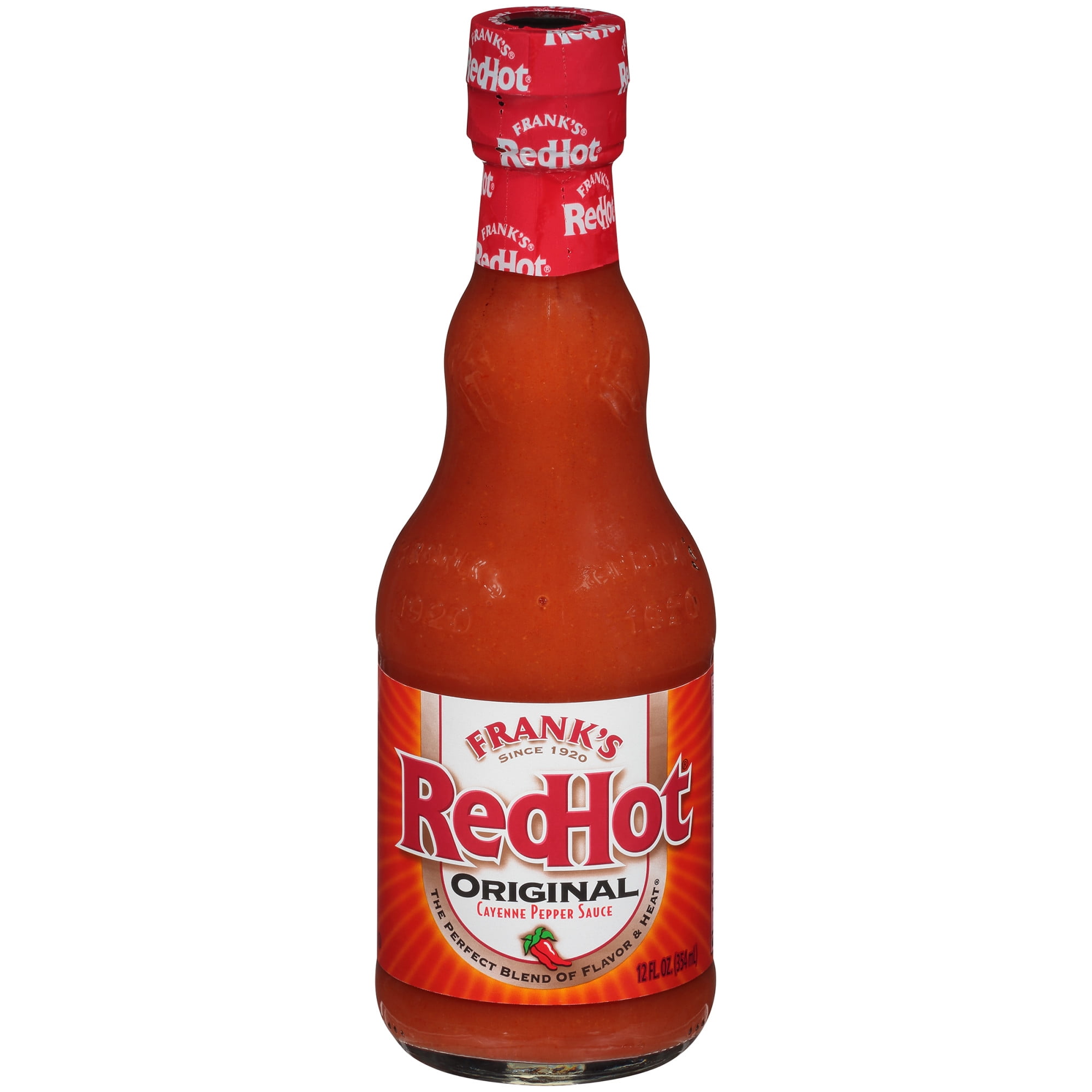
The basic recipe for cayenne pepper sauce is a versatile starting point that can be customized to suit your taste preferences. Here are some ideas for variations:
Experiment with different herbs and spices to create unique flavor profiles. Consider adding oregano, thyme, basil, or cumin to the mix. You can also adjust the amount of cayenne pepper used to control the heat level.
Bread Options
- Sourdough bread: Offers a tangy and chewy base for the sauce.
- Whole wheat bread: Provides a nutty flavor and additional fiber.
- Gluten-free bread: A suitable option for those with gluten sensitivities or allergies.
Cheese Variations
- Cheddar cheese: A classic choice that provides a sharp and flavorful topping.
- Mozzarella cheese: A mild and creamy cheese that melts well.
- Swiss cheese: A nutty and slightly sweet cheese that adds a unique flavor to the sauce.
Additional Toppings
- Bacon: Adds a smoky and savory flavor to the sauce.
- Onions: Provide a sweet and pungent flavor.
- Mushrooms: Add a umami flavor and meaty texture.
Vegetarian/Vegan Options
To create a vegetarian or vegan version of the recipe, simply omit the meat and use plant-based ingredients. For example, you can use tofu, tempeh, or seitan as a meat substitute.
Serving Suggestions
Cayenne pepper sauce offers a burst of flavor and heat that can enhance various dishes. Explore its versatility as a condiment, marinade, or ingredient in culinary creations.
As a condiment, cayenne pepper sauce adds a fiery kick to tacos, burritos, and grilled meats. Its zesty flavor complements the richness of meats, elevating their taste profile. Alternatively, use it as a marinade to infuse chicken, fish, or tofu with a smoky and spicy flavor.
In Other Dishes
Incorporate cayenne pepper sauce into other dishes to create tantalizing flavor combinations. Add a dash to soups, stews, and sauces to enhance their depth of flavor. Experiment with using it as a glaze for roasted vegetables or as a dipping sauce for appetizers.
The possibilities are endless.
Storage
To ensure the longevity and freshness of your cayenne pepper sauce, proper storage is crucial.
The ideal temperature range for storing the sauce is between 40-50°F (4-10°C). Refrigeration is highly recommended, as it slows down the growth of bacteria and extends the shelf life of the sauce.
Sealing and Shelf Life
To prevent spoilage, it is essential to properly seal the sauce container. Airtight glass jars with lids that form a tight seal are ideal. Avoid using metal containers, as they can react with the acidity of the sauce and alter its flavor.
When stored properly in the refrigerator, the cayenne pepper sauce can have a shelf life of up to 6 months. However, it is important to note that the flavor and quality may gradually diminish over time.
Nutritional Information per Serving
The nutritional information for this cayenne pepper sauce is provided per serving. The serving size is approximately 1 tablespoon.
The nutritional information is an estimate and may vary depending on the specific ingredients and preparation methods used.
Nutritional Information Table
| Nutrient | Amount | Unit |
|---|---|---|
| Calories | 5 | kcal |
| Fat | 0 | g |
| Carbohydrates | 1 | g |
| Protein | 0 | g |
| Sodium | 10 | mg |
Last Word: Recipe For Cayenne Pepper Sauce
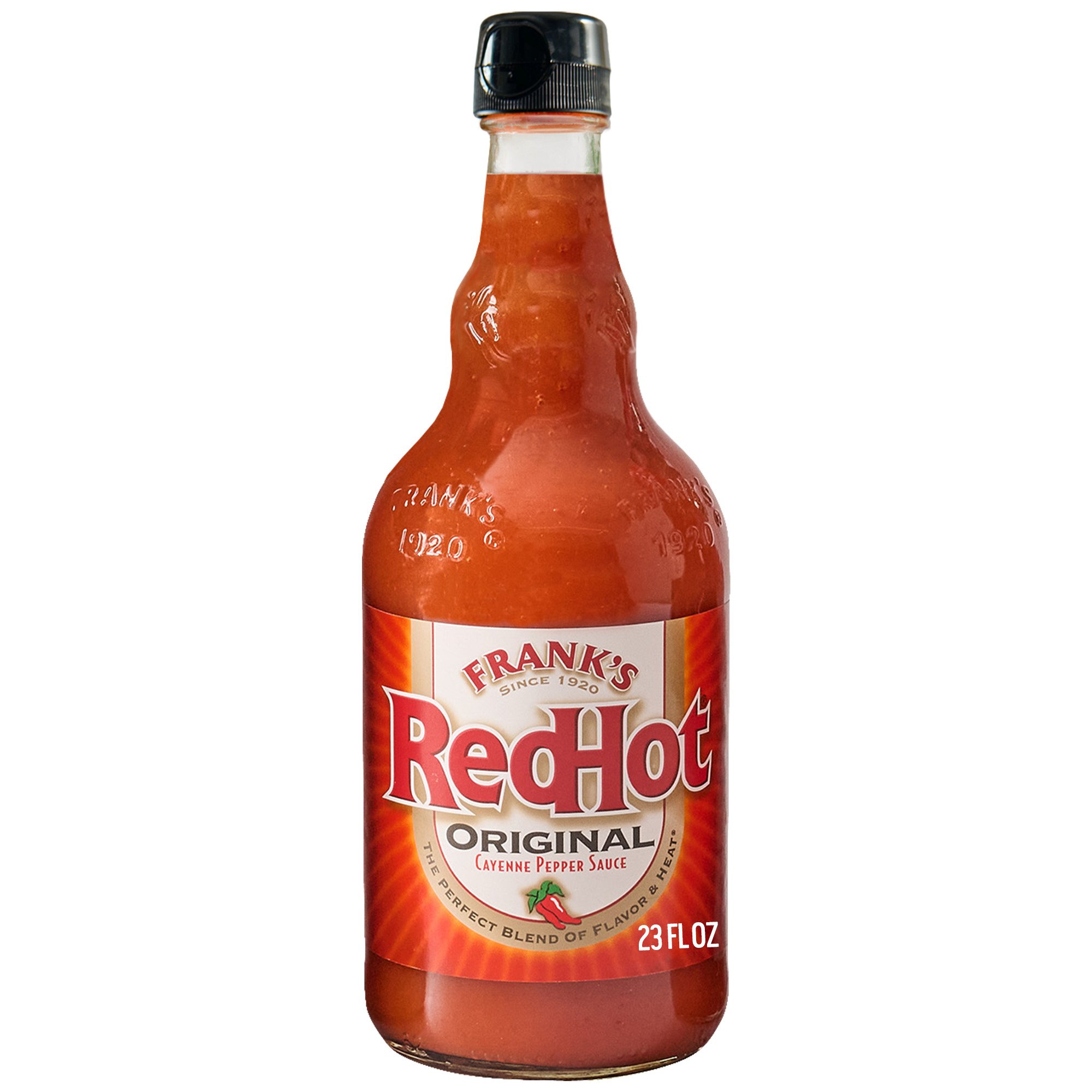
As you embark on your culinary journey with our cayenne pepper sauce recipe, remember that the possibilities are endless. Experiment with different ingredients, adjust the heat level to your preference, and let your creativity shine through. Whether you're using it as a marinade, a condiment, or an ingredient in your favorite dishes, this sauce is sure to bring a burst of flavor and excitement to every bite.