Recipes for elimination diet are designed to help you identify food triggers that may be causing uncomfortable symptoms. By eliminating certain foods from your diet for a period of time, you can observe how your body responds and pinpoint the foods that may be causing problems.
This guide will provide you with everything you need to know about elimination diets, including the benefits, foods to eliminate and include, the duration of the diet, and how to reintroduce foods. We'll also provide you with a sample elimination diet meal plan and tips for meal planning.
Introduction: Recipes For Elimination Diet
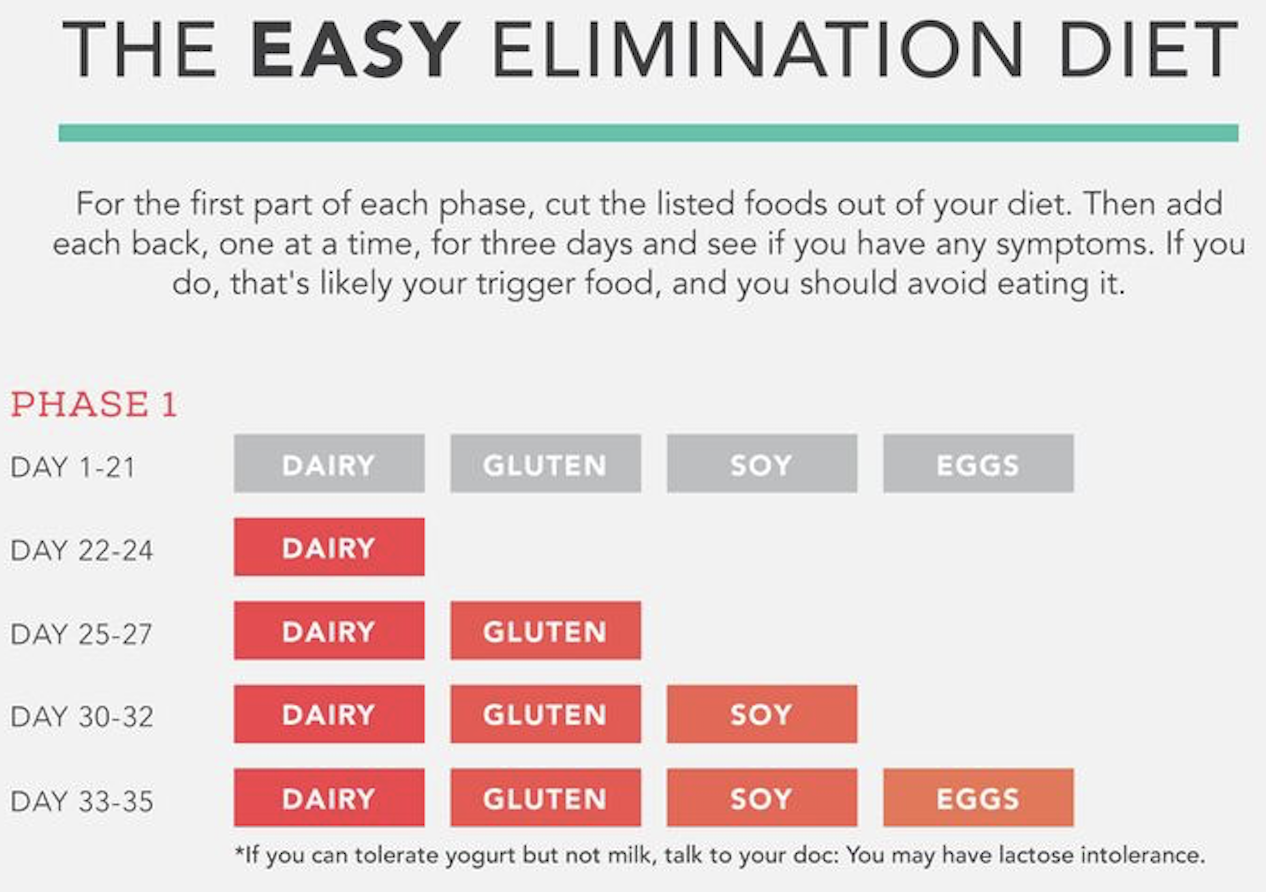
An elimination diet is a restrictive diet that involves removing certain foods from your diet for a period of time, typically 2-4 weeks. The purpose of an elimination diet is to identify foods that may be causing symptoms such as digestive issues, skin problems, or headaches.
During an elimination diet, you will avoid eating foods that are common allergens, such as dairy, gluten, soy, eggs, and nuts. You will also avoid foods that are known to cause inflammation, such as processed foods, sugary drinks, and red meat.
Benefits
- Can help identify food sensitivities
- Can help reduce inflammation
- Can improve digestive health
- Can help improve skin health
- Can help reduce headaches
How to do an elimination diet
To do an elimination diet, you will need to:
- Choose a start date and end date for your diet.
- Make a list of all the foods that you are going to avoid.
- Create a meal plan that includes only foods that are allowed on your diet.
- Stick to your diet for the entire duration of the elimination period.
- Keep a food journal to track your symptoms and any changes in your health.
Reintroducing foods
Once you have completed the elimination period, you will need to start reintroducing foods back into your diet one at a time. This will help you identify which foods are causing your symptoms.
To reintroduce a food, you will need to:
- Choose a food that you have not eaten during the elimination period.
- Eat a small amount of the food.
- Wait 24-48 hours to see if you experience any symptoms.
- If you do not experience any symptoms, you can continue to eat the food.
- If you do experience symptoms, you should avoid eating the food.
Foods to Eliminate

An elimination diet typically involves eliminating certain food groups or specific foods to identify potential triggers of adverse reactions or intolerances.
The rationale behind eliminating certain foods is to:
- Identify and remove potential allergens or irritants that may be causing symptoms.
- Reset the immune system and reduce inflammation.
- Allow the body to heal and recover from any damage caused by food sensitivities.
Common Food Groups to Eliminate
During an elimination diet, it is common to eliminate the following food groups:
- Dairy products (milk, cheese, yogurt)
- Gluten-containing grains (wheat, barley, rye)
- Eggs
- Soy
- Nuts
- Seeds
- Nightshades (tomatoes, potatoes, peppers)
- Citrus fruits
- Artificial sweeteners
- Processed foods
Specific Foods to Eliminate, Recipes for elimination diet
In addition to food groups, specific foods that are commonly eliminated during an elimination diet include:
- Red meat
- Pork
- Shellfish
- Alcohol
- Caffeine
Duration of an Elimination Diet

The duration of an elimination diet typically ranges from 2 to 6 weeks, although it may vary depending on individual circumstances.
If you're following an elimination diet, you'll need to be careful about the ingredients you use. Many recipes contain ingredients that can trigger symptoms, so it's important to find recipes that are safe for you. One option is to try a pepper steak recipe with worcestershire sauce . This recipe is free of common allergens like gluten, dairy, and soy, so it's a good choice for people with food sensitivities.
Plus, it's a delicious and easy-to-make meal that the whole family will enjoy.
Factors that may influence the length of the diet include the severity of symptoms, the number of foods eliminated, and the individual's response to the diet.
Factors Influencing Duration
- Severity of Symptoms:Individuals with severe symptoms may need to follow the diet for a longer period to allow their symptoms to subside.
- Number of Foods Eliminated:The more foods eliminated, the longer it may take to identify the trigger foods.
- Individual Response:Some individuals may experience symptom relief quickly, while others may take longer to respond to the diet.
Reintroducing Foods
Reintroducing eliminated foods is a gradual process that allows you to identify any potential triggers that may have caused your symptoms. It is important to reintroduce foods one at a time, in small amounts, and pay attention to how your body responds.
Guidelines for Reintroducing Foods
* Start by reintroducing foods that are least likely to cause a reaction, such as rice, plain chicken, or steamed vegetables.
- Reintroduce one new food every 3-5 days. This gives your body time to adjust and allows you to identify any potential triggers.
- Keep a food journal to track the foods you eat and any symptoms you experience. This will help you identify any patterns and determine which foods may be causing your symptoms.
- If you experience any symptoms after reintroducing a food, discontinue eating that food and consult with your healthcare professional.
Sample Elimination Diet Recipes
Elimination diets can be restrictive, but it is possible to create delicious and satisfying meals that adhere to the guidelines. Here are some sample recipes to get you started.
Breakfast
Breakfast is an important meal to start the day off right. Here are some elimination diet-friendly breakfast options:
| Recipe | Ingredients | Instructions |
|---|---|---|
| Oatmeal with Berries |
|
|
| Scrambled Eggs with Spinach and Mushrooms |
|
|
| Smoothie with Banana, Berries, and Spinach |
|
|
Meal Planning Tips

Meal planning during an elimination diet can be challenging, but with careful planning, you can ensure you meet your nutritional needs while avoiding trigger foods.
If you are searching for a nutritious and tasty dish, recipes for elimination diet provide a wealth of options. For a quick and flavorful meal, try this philly cheesesteak with ground beef recipe . With its combination of protein and vegetables, it is a satisfying and balanced choice.
Don't miss out on the variety and health benefits of recipes for elimination diet.
Here are some practical tips for meal planning during an elimination diet:
Meal Planning Tips
- Start with a clean kitchen.Before you begin cooking, thoroughly clean your kitchen, including all surfaces, utensils, and appliances. This will help prevent cross-contamination with trigger foods.
- Read food labels carefully.When shopping for food, carefully read all food labels to identify any hidden trigger foods. Even seemingly safe foods can contain hidden ingredients that could trigger your symptoms.
- Cook from scratch.Cooking from scratch gives you complete control over the ingredients in your food. This is the best way to avoid trigger foods and ensure you are eating healthy, nutritious meals.
- Plan your meals ahead of time.Planning your meals ahead of time will help you avoid making impulsive choices that could lead to eating trigger foods. Take some time each week to plan out your meals and snacks, and make sure you have all the necessary ingredients on hand.
- Be flexible.An elimination diet is a process of trial and error. You may need to adjust your meal plan as you learn more about your trigger foods. Don't be afraid to experiment with different foods and recipes until you find what works best for you.
Food Intolerances vs. Allergies

Food intolerances and allergies are two distinct conditions that can cause adverse reactions to food. While both conditions involve the immune system, they differ in their mechanisms and severity.
Food Intolerancesare non-allergic reactions to certain foods or food components. They are typically caused by a deficiency of enzymes needed to properly digest or metabolize the food. Symptoms of food intolerances can range from mild discomfort, such as gas, bloating, or diarrhea, to more severe reactions, such as headaches, fatigue, or skin rashes.
Elimination diets are gaining popularity, and finding recipes that fit your specific needs can be challenging. One condiment that is often eliminated is mustard. However, you can enjoy the tangy flavor of mustard with this recipe for cranberry mustard . Made with cranberries, vinegar, and spices, this mustard is both flavorful and elimination diet-friendly.
You can use it to add a burst of flavor to your favorite dishes while staying within your dietary restrictions.
Food Allergies, on the other hand, are a type of immune response that occurs when the body's immune system mistakenly identifies a particular food as harmful. When an allergic person consumes the allergen, their immune system releases antibodies called immunoglobulin E (IgE), which bind to cells in the body and trigger the release of histamine and other inflammatory mediators.
These mediators can cause a wide range of symptoms, including hives, swelling, difficulty breathing, and even anaphylaxis, a potentially life-threatening reaction.
Elimination Diet and Food Intolerances
An elimination diet can be a helpful tool for identifying food intolerances. By eliminating suspected trigger foods from the diet for a period of time, and then reintroducing them one at a time, individuals can observe any changes in their symptoms.
If symptoms improve during the elimination phase and return upon reintroduction of a particular food, it may indicate an intolerance to that food.
Role of a Healthcare Professional
Consulting a healthcare professional before embarking on an elimination diet is crucial. They possess the expertise to guide you through the process, ensuring it is tailored to your specific needs and health goals.
Monitoring Progress
Healthcare professionals monitor your progress throughout the elimination diet. They assess your response to the dietary changes, track any improvements or adverse effects, and make necessary adjustments to the plan. This monitoring ensures your well-being and optimizes the effectiveness of the diet.
Providing Guidance
Healthcare professionals provide valuable guidance throughout the elimination diet. They educate you about the process, offer support, and address any concerns you may have. Their expertise helps you navigate the challenges of the diet and ensures you follow it correctly.
They also assist in developing a personalized reintroduction plan to minimize the risk of adverse reactions.
Final Wrap-Up
An elimination diet can be a helpful tool for identifying food triggers and improving your overall health. By following the steps Artikeld in this guide, you can successfully complete an elimination diet and identify the foods that may be causing your symptoms.
Remember to consult with a healthcare professional before starting an elimination diet and follow the diet appropriately to ensure its effectiveness.