Prepare to embark on a culinary journey with our sous vide ribeye roast recipe. This exquisite dish promises an unforgettable dining experience, combining the precision of sous vide cooking with the succulent flavors of a perfectly cooked ribeye.
Delve into the intricacies of selecting the perfect ribeye roast, preparing it with precision, and achieving the desired doneness level using our meticulously crafted cooking parameters. Discover the secrets of finishing the roast to perfection, enhancing its flavor and appearance.
Sous Vide Cooking Parameters: Sous Vide Ribeye Roast Recipe
Achieving the perfect doneness level for your sous vide ribeye roast is crucial for maximizing its flavor and texture. Here's a table outlining the ideal cooking temperatures and times for various doneness levels:
| Doneness Level | Temperature | Time | |---|---|---| | Rare | 129°F (54°C) | 1-2 hours | | Medium-Rare | 134°F (57°C) | 2-3 hours | | Medium | 140°F (60°C) | 3-4 hours | | Medium-Well | 145°F (63°C) | 4-5 hours | | Well-Done | 150°F (66°C) | 5-6 hours |
The scientific principle behind sous vide cooking lies in the precise temperature control, which allows the meat to cook evenly throughout. Unlike traditional cooking methods where the exterior of the meat may overcook while the interior remains undercooked, sous vide ensures a consistent and uniform doneness.
Effect on Texture and Flavor
The controlled cooking process of sous vide enhances both the texture and flavor of the ribeye roast. The low and slow cooking time allows the meat to break down connective tissues, resulting in a tender and juicy texture. Additionally, the sealed vacuum bag prevents moisture loss, ensuring that the roast retains its natural flavors and juices.
Finishing the Ribeye Roast
Once the ribeye roast has reached the desired internal temperature through sous vide cooking, the next step is to finish it. Finishing involves searing or grilling the roast to enhance its flavor and appearance.
Searing in a Pan
Searing in a pan is a quick and easy way to finish the ribeye roast. Heat a cast-iron or stainless steel pan over high heat and add a small amount of oil. Pat the roast dry with paper towels and season it with salt and pepper.
Place the roast in the pan and sear it for 1-2 minutes per side, or until a golden-brown crust forms.
Grilling
Grilling is another excellent option for finishing the ribeye roast. Preheat your grill to high heat. Pat the roast dry with paper towels and season it with salt and pepper. Place the roast on the grill and cook it for 5-7 minutes per side, or until a golden-brown crust forms and the internal temperature reaches 125-130°F (52-54°C) for medium-rare.
Serving and Presentation

To showcase the tender and flavorful ribeye roast, slicing and presentation are crucial. Here are some suggestions to elevate your dining experience:
Slicing Techniques
For optimal tenderness, slice the roast against the grain. This technique severs the muscle fibers, making each bite melt-in-your-mouth.
Appropriate Accompaniments
- Horseradish Sauce:The sharp and tangy flavor of horseradish sauce complements the richness of the ribeye, adding a spicy kick.
- Garlic Butter:Melted garlic butter drizzled over the sliced roast enhances its savory profile.
- Roasted Vegetables:A medley of roasted vegetables, such as carrots, parsnips, and Brussels sprouts, provides a colorful and healthy accompaniment.
Presentation Ideas
Create an impressive presentation by arranging the sliced ribeye roast on a heated platter. Garnish with fresh herbs like rosemary or thyme for an aromatic touch. Consider adding a drizzle of flavorful olive oil or balsamic glaze to enhance the visual appeal.
Safety and Hygiene
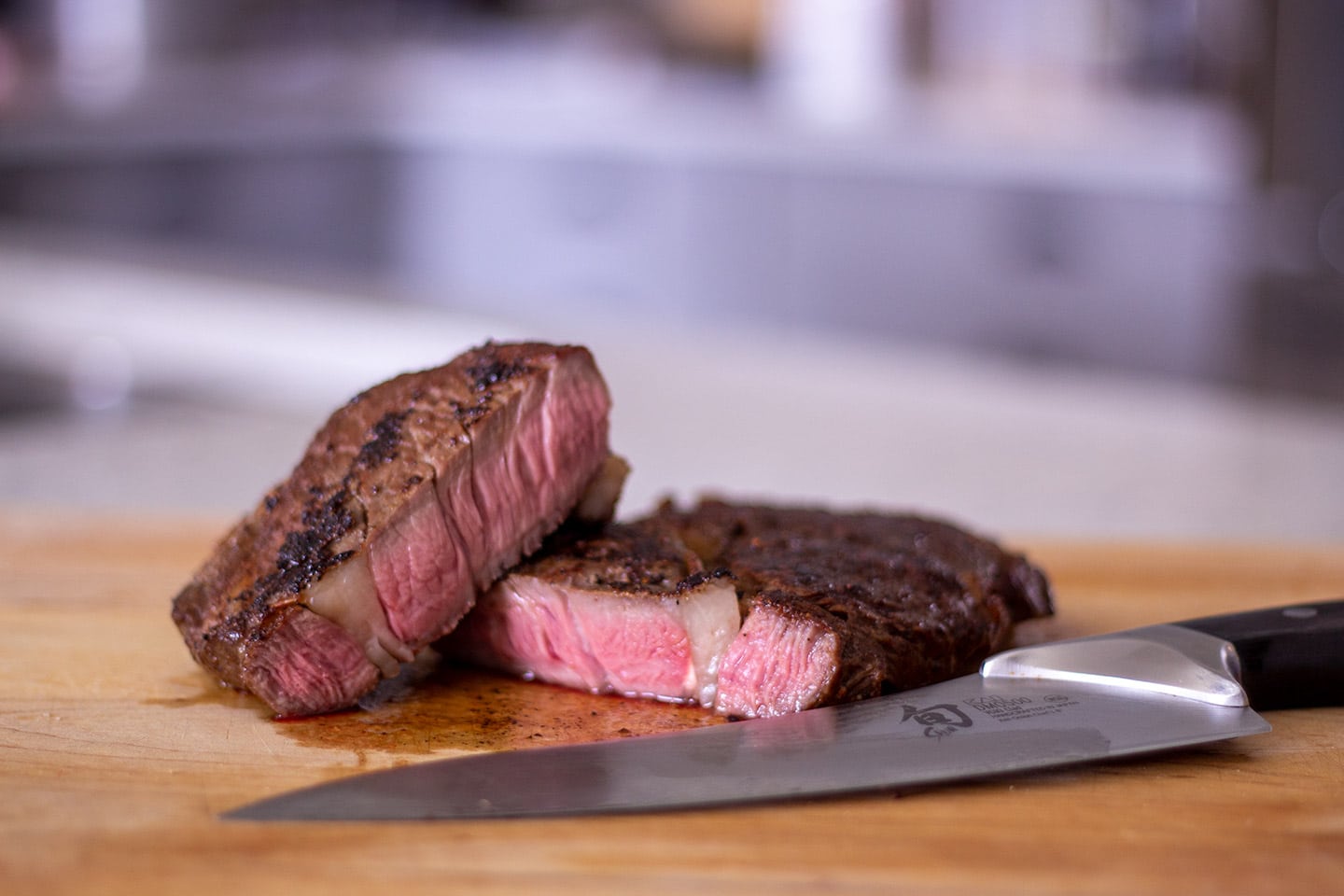
Maintaining food safety is crucial when handling and cooking meat to prevent foodborne illnesses. Here are guidelines to ensure proper handling, storage, and cooking temperatures.
Before handling meat, wash your hands thoroughly with soap and water. Keep raw meat separate from other foods to avoid cross-contamination. Store raw meat in the refrigerator at a temperature below 40°F (4°C) and use it within 3-5 days.
Once you've savored the melt-in-your-mouth goodness of a perfectly cooked sous vide ribeye roast, you might be tempted to venture into the world of cocktails. If so, look no further than the tantalizing red white and berry smirnoff recipes . These vibrant concoctions will transport you to a summery paradise, while complementing the bold flavors of your sous vide masterpiece.
Cooking Temperatures
- For sous vide cooking, cook the ribeye roast to an internal temperature of 135°F (57°C) for medium-rare or 145°F (63°C) for medium.
- When finishing the roast in a pan or on a grill, sear it quickly to achieve a golden-brown crust while ensuring the internal temperature reaches the desired doneness.
Troubleshooting

Sous vide cooking, while precise, can sometimes encounter challenges. Here are common issues and solutions to ensure a successful cooking experience:
Undercooking:
- Insufficient cooking time:Ensure the food has been cooked for the recommended time based on the thickness and desired doneness.
- Malfunctioning circulator:Check if the circulator is maintaining the desired temperature accurately.
Overcooking:
- Extended cooking time:Avoid overcooking by following the recommended cooking times or using a timer.
- Circulator malfunction:Ensure the circulator is not overheating or malfunctioning.
Uneven cooking:
- Improper vacuum sealing:Ensure the food is vacuum-sealed tightly to prevent air pockets that can cause uneven cooking.
- Uneven water circulation:Check if the circulator is positioned correctly to ensure proper water circulation around the food.
Variations and Adaptations
The sous vide ribeye roast recipe offers a canvas for culinary creativity. Explore variations to personalize the flavor and texture of your roast.
Experiment with different marinades to infuse the roast with unique flavors. Try a classic combination of herbs and spices, or create your own blend. For a tangy twist, consider a marinade made with citrus juices and vinegar.
Rubs and Spices
Rubs add a flavorful crust to the roast. Use a combination of spices, herbs, and salt to create a customized blend. Experiment with smoked paprika, cumin, coriander, or garlic powder.
Cooking Temperatures
Adjust the cooking temperature to achieve your desired level of doneness. For a medium-rare roast, cook at 131-134°F (55-57°C). For a medium roast, increase the temperature to 135-138°F (57-59°C). For a medium-well roast, cook at 140-145°F (60-63°C).
Adaptations for Different Cuts and Meats, Sous vide ribeye roast recipe
The sous vide method can be applied to various cuts of beef and other types of meat. For a leaner roast, consider using a top sirloin or filet mignon. For a more flavorful option, try a chuck roast or brisket.
Adapt the cooking time and temperature according to the specific cut and thickness of the meat.
Final Wrap-Up
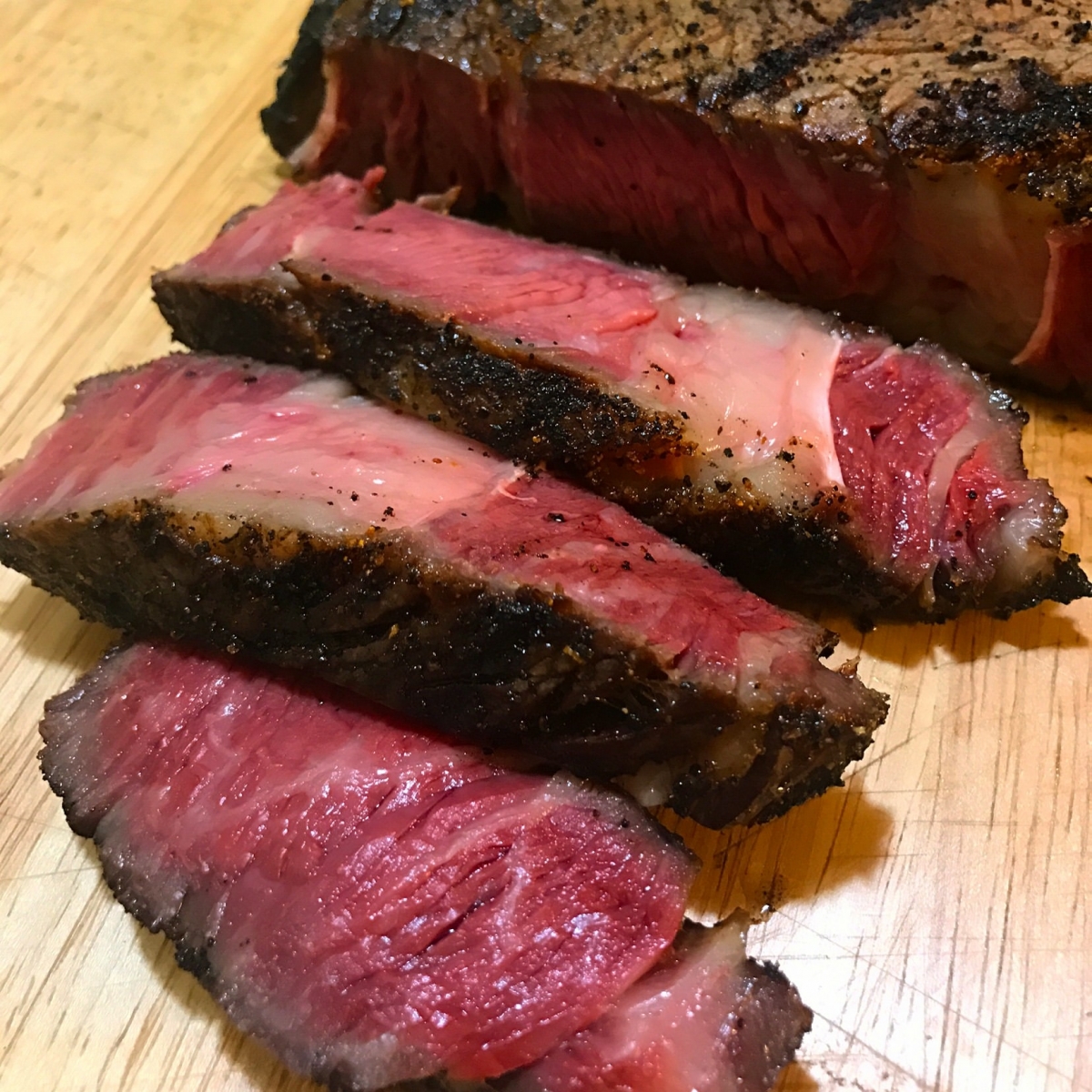
As you savor each bite of your sous vide ribeye roast, let the symphony of flavors dance on your palate. This culinary masterpiece is a testament to the transformative power of sous vide cooking, elevating the humble ribeye to new heights of culinary excellence.


