Embark on a culinary adventure with zucchini and kale recipes, where the fusion of these nutrient-rich vegetables tantalizes your taste buds and nourishes your body. From vibrant salads to hearty main dishes, discover the endless possibilities of this dynamic duo.
Zucchini and kale offer a symphony of flavors, complemented by a remarkable nutritional profile. Their versatility shines through in various cooking techniques, allowing you to create dishes that are not only delicious but also beneficial for your health.
Zucchini and Kale Nutritional Value

Zucchini and kale are two incredibly nutritious vegetables that offer a wide range of health benefits. They are both low in calories and fat, and packed with vitamins, minerals, and antioxidants.
The following table provides a detailed breakdown of the nutritional information for both zucchini and kale:
| Nutrient | Zucchini (1 cup, raw) | Kale (1 cup, raw) |
|---|---|---|
| Calories | 20 | 33 |
| Fat | 0.1g | 0.6g |
| Carbohydrates | 4.6g | 6.0g |
| Protein | 1.2g | 3.0g |
| Fiber | 1.0g | 2.0g |
| Vitamin C | 12mg | 80mg |
| Vitamin A | 100IU | 1,035IU |
| Potassium | 261mg | 295mg |
| Calcium | 24mg | 100mg |
| Iron | 0.4mg | 1.1mg |
As you can see, both zucchini and kale are excellent sources of vitamins, minerals, and antioxidants. They are also low in calories and fat, making them a great addition to a healthy diet.
Health Benefits of Zucchini and Kale
Consuming zucchini and kale regularly can provide a number of health benefits, including:
- Reduced risk of chronic diseases:Zucchini and kale are both rich in antioxidants, which can help protect cells from damage caused by free radicals. This damage can lead to the development of chronic diseases such as heart disease, cancer, and diabetes.
- Improved digestion:Zucchini and kale are both good sources of fiber, which is essential for maintaining a healthy digestive system. Fiber helps to keep you feeling full and satisfied, and it can also help to prevent constipation and other digestive problems.
- Stronger bones:Zucchini and kale are both good sources of calcium, which is essential for maintaining strong bones. Calcium helps to prevent osteoporosis, a condition that can lead to weak and brittle bones.
- Healthy skin and hair:Zucchini and kale are both good sources of vitamin C, which is essential for producing collagen. Collagen is a protein that gives skin its elasticity and strength. Vitamin C also helps to protect skin from damage caused by the sun.
If you're looking for a refreshing way to incorporate more vegetables into your diet, consider trying out some zucchini and kale recipes. These versatile ingredients can be used in a variety of dishes, from salads and soups to main courses.
If you're experiencing a headache, you might want to try a salt water for headache recipe before reaching for medication. After you've tried that, you can come back to your zucchini and kale recipes and enjoy a delicious, healthy meal.
Overall, zucchini and kale are two incredibly nutritious vegetables that offer a wide range of health benefits. They are a great addition to a healthy diet and can help you to improve your overall health and well-being.
Zucchini and Kale Preparation Techniques
Zucchini and kale are versatile vegetables that can be prepared in a variety of ways. Each technique offers unique advantages and disadvantages, allowing you to tailor your cooking to your preferences and the desired outcome.
Roasting
- Advantages:Roasting intensifies the flavors of zucchini and kale, creating a slightly caramelized exterior and a tender interior. It is also a convenient method that requires minimal hands-on time.
- Disadvantages:Roasting can result in some loss of nutrients due to high temperatures. Additionally, it may require more oil or fat than other cooking methods.
Sautéing
- Advantages:Sautéing is a quick and easy way to cook zucchini and kale, allowing you to retain more nutrients compared to roasting. It also provides a good balance between crispiness and tenderness.
- Disadvantages:Sautéing can require more attention and stirring to prevent burning or overcooking. It may also be less flavorful than roasting.
Grilling
- Advantages:Grilling imparts a smoky flavor to zucchini and kale, adding depth and complexity to the dish. It is also a healthy cooking method that uses little to no oil.
- Disadvantages:Grilling can be more time-consuming than other methods and requires careful monitoring to prevent burning. It may also not be suitable for all types of zucchini and kale.
Steaming
- Advantages:Steaming is the most nutrient-preserving cooking method for zucchini and kale, as it retains vitamins and minerals. It also produces a tender texture and is a low-fat option.
- Disadvantages:Steaming can result in a less flavorful dish compared to other methods. It may also require longer cooking times and can be more challenging to achieve a crispy texture.
Zucchini and Kale Side Dishes
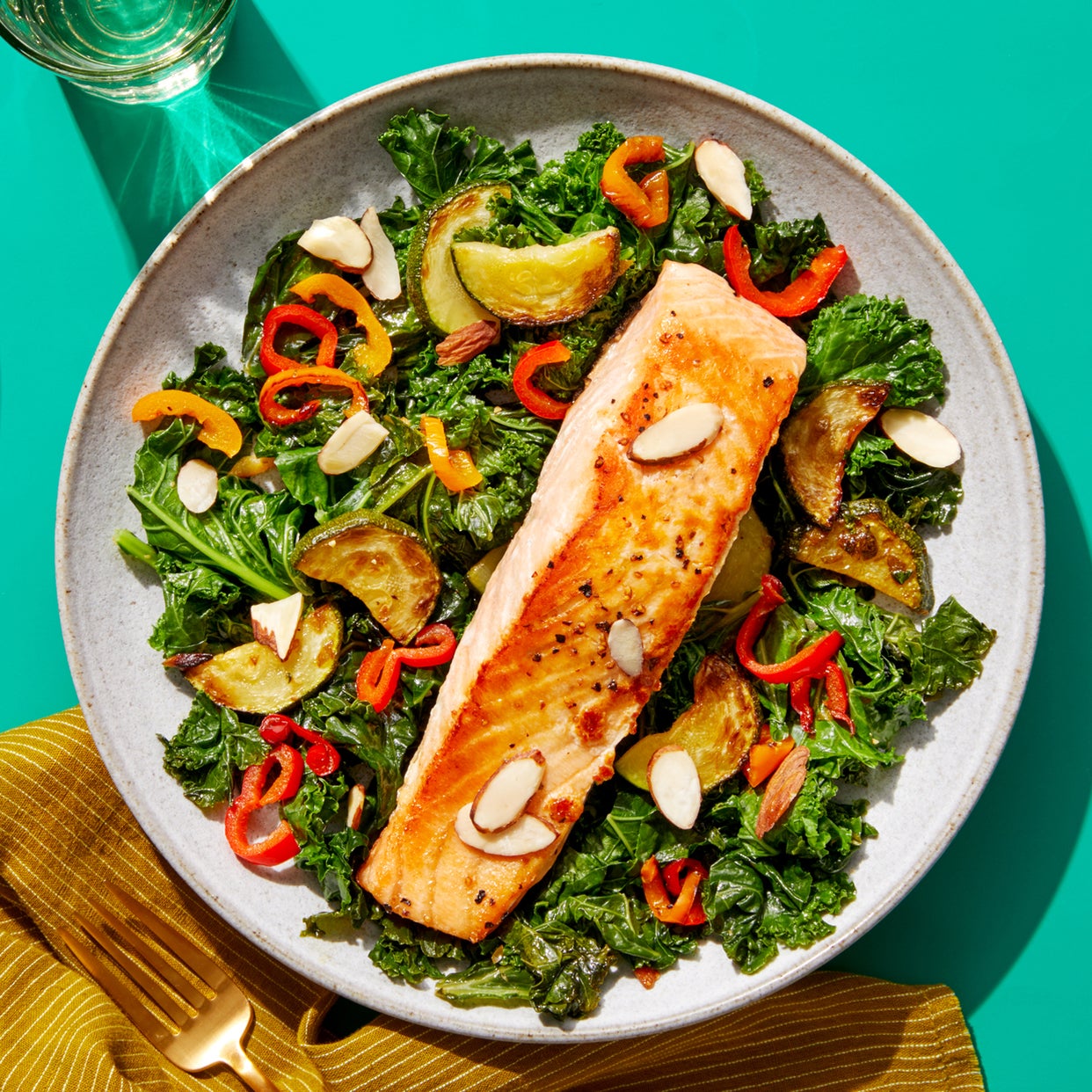
Zucchini and kale are incredibly versatile vegetables that can be used to create a wide range of side dishes. Whether you prefer grilled, roasted, or sautéed preparations, there's a recipe out there to suit your taste.
The table below provides a few ideas for zucchini and kale side dishes that will add color, flavor, and nutrients to your next meal.
Grilled Side Dishes
- Grilled Zucchini and Kale Salad: This refreshing salad features grilled zucchini and kale tossed with a tangy vinaigrette dressing.
- Grilled Zucchini and Kale Kebabs: These kebabs are a fun and easy way to enjoy grilled zucchini and kale. Simply skewer the vegetables and grill until tender.
Roasted Side Dishes
- Roasted Zucchini and Kale with Parmesan: This simple but flavorful side dish is made with roasted zucchini and kale tossed with Parmesan cheese.
- Roasted Zucchini and Kale with Lemon and Garlic: This roasted vegetable dish is bursting with flavor thanks to the addition of lemon and garlic.
Sautéed Side Dishes
- Sautéed Zucchini and Kale with Garlic and Olive Oil: This quick and easy side dish is made with sautéed zucchini and kale seasoned with garlic and olive oil.
- Sautéed Zucchini and Kale with Bacon: This hearty side dish is made with sautéed zucchini and kale cooked with bacon.
Zucchini and Kale Breakfast Dishes

Start your day with a nutritious and delicious breakfast that incorporates the goodness of zucchini and kale. These versatile ingredients can be easily incorporated into various breakfast dishes, providing a boost of vitamins, minerals, and antioxidants.
From fluffy omelets to savory frittatas and refreshing smoothies, there are endless possibilities for creating satisfying and healthy breakfast meals with zucchini and kale.
Zucchini and Kale Omelets
Omelets are a quick and easy breakfast option that can be customized to your liking. Adding zucchini and kale to your omelet not only enhances its nutritional value but also adds a pop of color and flavor.
- In a bowl, whisk together eggs, milk, salt, and pepper.
- Heat a nonstick skillet over medium heat. Add butter or oil and pour in the egg mixture.
- Cook for a few minutes, until the bottom of the omelet is set. Flip the omelet and cook for another minute or two.
- Top the omelet with sautéed zucchini and kale, cheese, and any other desired toppings.
Zucchini and Kale Frittatas
Frittatas are similar to omelets but are baked in the oven. This makes them a great option for meal prepping or feeding a crowd.
- Preheat oven to 375°F (190°C).
- In a bowl, whisk together eggs, milk, salt, and pepper.
- In a skillet, sauté zucchini, kale, and any other desired vegetables.
- Pour the egg mixture into the skillet and top with the sautéed vegetables and cheese.
- Bake for 20-25 minutes, or until the frittata is set.
Zucchini and Kale Smoothies
Smoothies are a great way to get a quick and nutritious breakfast on the go. Adding zucchini and kale to your smoothie provides a boost of vitamins, minerals, and antioxidants.
- In a blender, combine zucchini, kale, banana, yogurt, and milk.
- Blend until smooth and creamy.
- Add honey or other sweetener to taste, if desired.
- Pour into a glass and enjoy!
Zucchini and Kale Preserving Techniques
Zucchini and kale are versatile vegetables that can be enjoyed fresh or preserved for later use. Preserving these vegetables allows you to extend their shelf life and enjoy their nutritional benefits throughout the year.
There are several methods for preserving zucchini and kale, each with its own benefits and limitations.
Canning
Canning is a method of preserving food by heating it to a high temperature and sealing it in airtight containers. This process kills bacteria and other microorganisms that can cause spoilage. Canned zucchini and kale can be stored at room temperature for up to a year.
Benefits of canning:
- Long shelf life
- Easy to store
- Retains nutrients well
Limitations of canning:
- Requires specialized equipment
- Can be time-consuming
- May alter the texture and flavor of the vegetables
Freezing
Freezing is a method of preserving food by rapidly lowering its temperature to below freezing point. This process inhibits the growth of bacteria and other microorganisms. Frozen zucchini and kale can be stored in the freezer for up to 6 months.
Benefits of freezing:
- Easy and convenient
- Preserves nutrients well
- Does not require specialized equipment
Limitations of freezing:
- Shorter shelf life than canning
- May alter the texture of the vegetables
- Takes up freezer space
Pickling
Pickling is a method of preserving food by submerging it in a vinegar solution. The vinegar creates an acidic environment that inhibits the growth of bacteria and other microorganisms. Pickled zucchini and kale can be stored at room temperature for up to 6 months.
Benefits of pickling:
- Long shelf life
- Adds flavor to the vegetables
- Preserves nutrients well
Limitations of pickling:
- May alter the texture of the vegetables
- Can be high in sodium
- Not suitable for all types of vegetables
Zucchini and Kale Seasonality and Availability: Zucchini And Kale Recipes
Zucchini and kale are widely available vegetables, but their peak season varies depending on the region.
Zucchini is a summer squash that thrives in warm weather. It is typically available from June to September in most areas. Kale, on the other hand, is a hardy green that can withstand cooler temperatures. It is available year-round, but its peak season is during the fall and winter months.
Factors Affecting Availability and Cost, Zucchini and kale recipes
Several factors can affect the availability and cost of zucchini and kale, including:
- Weather conditions:Extreme weather events, such as droughts, floods, or hurricanes, can disrupt crop production and lead to shortages.
- Seasonality:As mentioned earlier, zucchini and kale have different peak seasons. This can affect their availability and cost outside of their peak months.
- Transportation costs:The distance between the growing region and the market can impact the cost of zucchini and kale. Transportation costs can be higher for vegetables that are shipped long distances.
- Demand:Increased demand for zucchini and kale can lead to higher prices. This can occur during peak season or when there is a shortage of supply.
Closing Summary
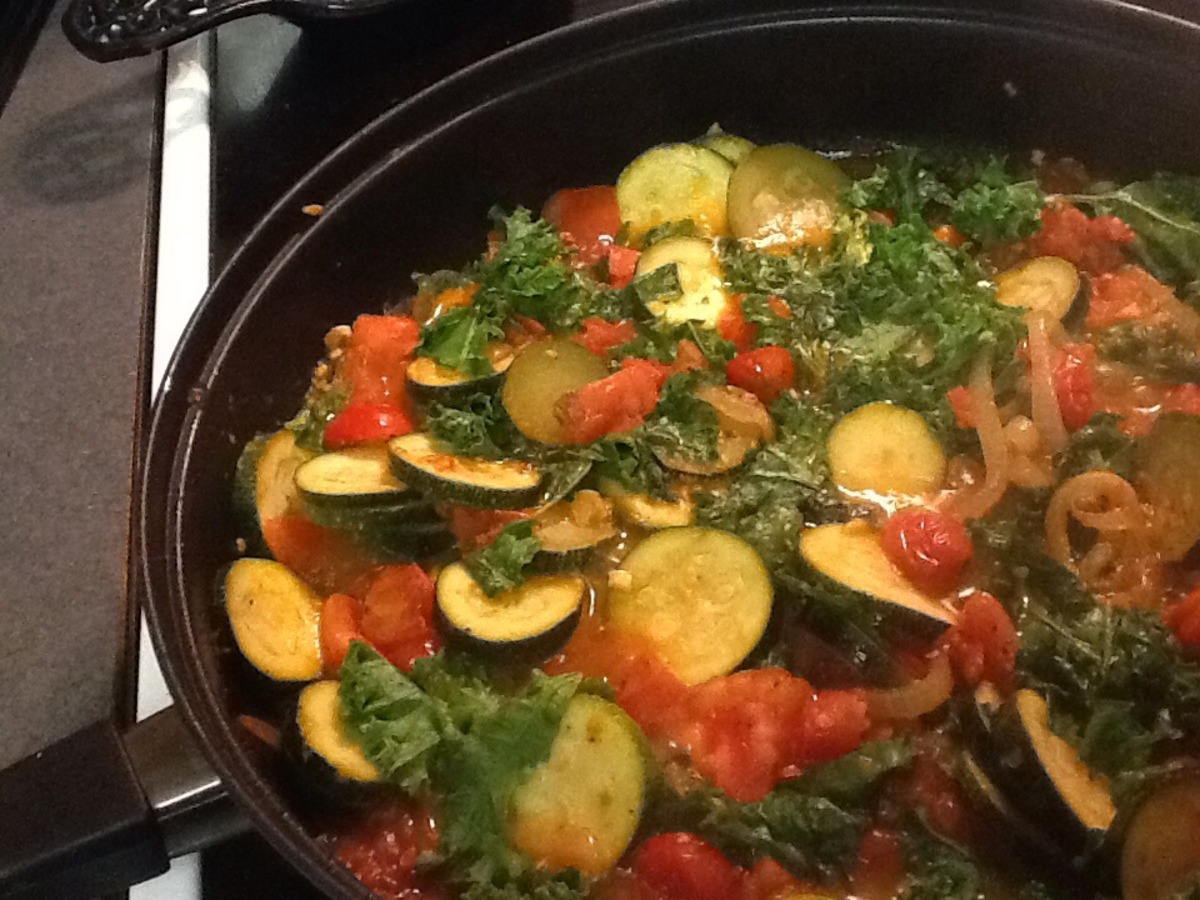
Whether you're a seasoned chef or a culinary novice, zucchini and kale recipes offer a gateway to a healthier, more flavorful lifestyle. Experiment with different combinations, explore new techniques, and unlock the potential of these incredible ingredients. Let your culinary creativity soar and savor the delights of zucchini and kale.


