Embark on a delectable journey with the Toll House Pan Cookie Recipe, a timeless treat that has tantalized taste buds for generations. This iconic recipe, born from the kitchens of the Toll House Inn, has become an American culinary staple, cherished for its irresistible chewy texture, rich chocolatey flavor, and nostalgic charm.
From its humble beginnings to its global popularity, the Toll House Pan Cookie Recipe has woven itself into the fabric of our culinary heritage. Join us as we delve into the secrets of this beloved cookie, exploring its ingredients, techniques, variations, and the cultural significance that has made it an enduring favorite.
Ingredients
The Toll House Pan Cookie Recipe calls for a combination of pantry staples and a few unique ingredients that contribute to its distinctive flavor and texture.
Here’s a comprehensive list of all the ingredients used:
Dry Ingredients
- 2 1/4 cups (281 grams) all-purpose flour
- 1 teaspoon (5 grams) baking soda
- 1/2 teaspoon (2.5 grams) salt
Wet Ingredients
- 1 cup (2 sticks or 226 grams) unsalted butter, softened
- 3/4 cup (150 grams) granulated sugar
- 3/4 cup (150 grams) packed light brown sugar
- 1 teaspoon (5 milliliters) vanilla extract
- 2 large eggs
Chocolate Chips
- 2 cups (340 grams) semi-sweet chocolate chips
Unique Ingredients
The Toll House Pan Cookie Recipe uses two unique ingredients that set it apart from other cookie recipes:
- Brown Sugar: Brown sugar adds moisture, depth of flavor, and a slight chewiness to the cookies.
- Baking Soda: Baking soda is a leavening agent that helps the cookies rise and achieve their signature puffy texture.
Equipment
Making Toll House Pan Cookies requires specific equipment to ensure the cookies turn out perfectly. Here’s a list of the essential tools and their uses:
- Mixing bowls: Large and medium-sized bowls are necessary for mixing the ingredients. A large bowl is used for combining the dry ingredients, while a medium bowl is used for the wet ingredients.
- Measuring cups and spoons: Accurate measuring is crucial for successful baking. A set of measuring cups and spoons ensures that the ingredients are added in the correct proportions.
- Spatula: A flexible spatula is used for mixing and scraping the batter, ensuring that all ingredients are well combined.
- Wooden spoon: A sturdy wooden spoon is ideal for stirring the dough, especially when adding the chocolate chips.
- Parchment paper: Lining the baking pan with parchment paper prevents the cookies from sticking and makes cleanup easier.
- Cookie sheet: A large cookie sheet is used for baking the cookies. It should be big enough to accommodate the desired number of cookies without overcrowding.
- Wire rack: A wire rack is used for cooling the cookies after baking. It allows air to circulate around the cookies, preventing them from becoming soggy.
Alternative Equipment
If you don’t have all the specified equipment, here are some alternative options that you can consider:
- Mixing bowls: If you don’t have separate mixing bowls, you can use a single large bowl and wash it between mixing the dry and wet ingredients.
- Measuring cups and spoons: If you don’t have a set of measuring cups and spoons, you can use a kitchen scale to weigh the ingredients.
- Spatula: A large spoon or even a butter knife can be used as a substitute for a spatula.
- Wooden spoon: A large spoon or a pair of chopsticks can be used for stirring the dough.
- Parchment paper: If you don’t have parchment paper, you can grease the baking pan with butter or oil.
- Cookie sheet: A large baking sheet or a pizza pan can be used instead of a cookie sheet.
- Wire rack: If you don’t have a wire rack, you can place the cookies on a cooling rack or even on a paper towel-lined plate.
s: Toll House Pan Cookie Recipe
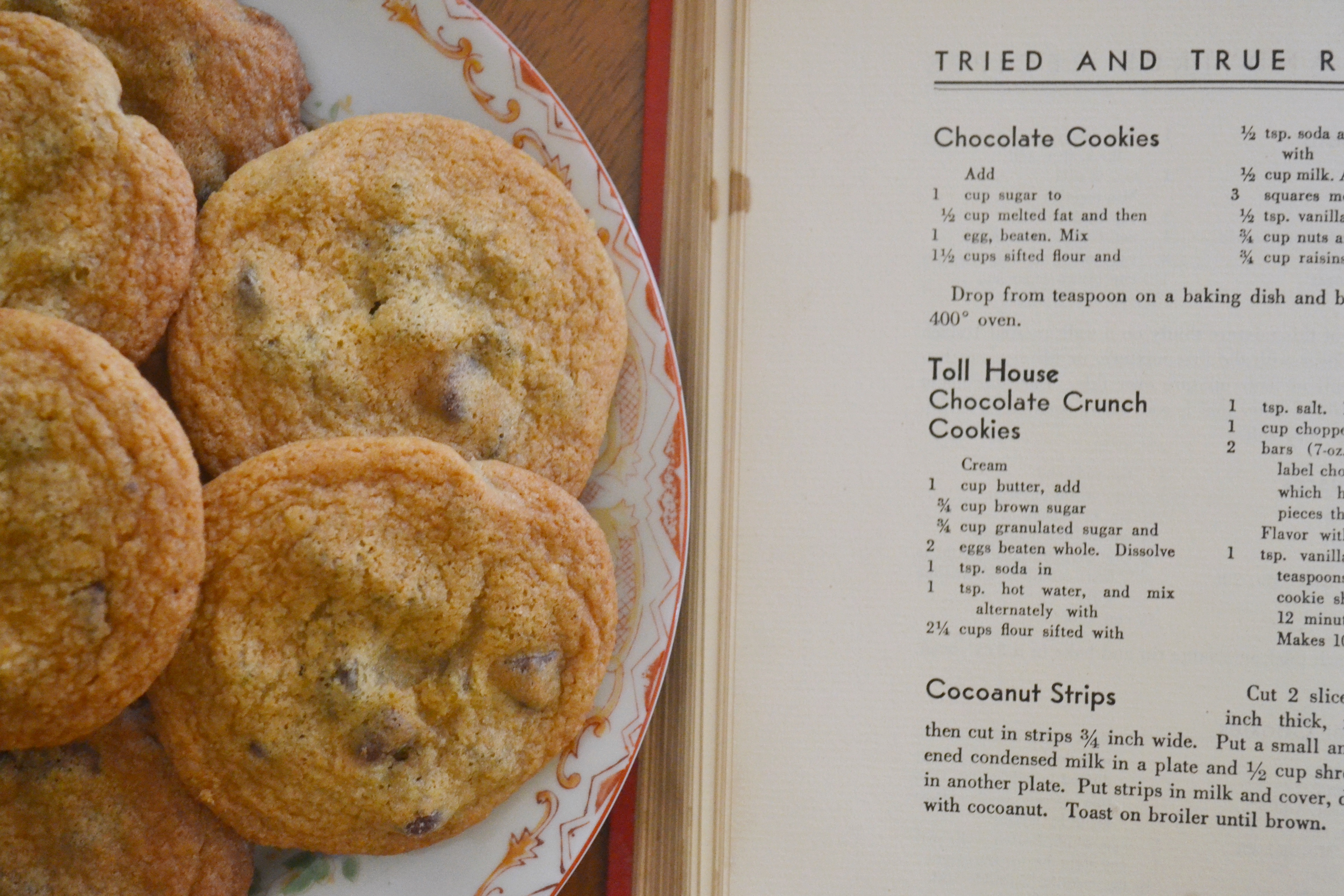
Creating delicious Toll House Pan Cookies involves a series of precise steps. Follow these instructions carefully to ensure the best results.
The process can be divided into three main sections: preparing the dough, baking the cookies, and cooling them. Each step requires specific techniques and attention to detail.
Preparing the Dough
Begin by measuring and combining all dry ingredients in a medium bowl. In a separate large bowl, cream together the butter and sugars until light and fluffy. Gradually beat in the eggs and vanilla extract.
Add the dry ingredients to the wet ingredients and mix until just combined. Do not overmix, as this can result in tough cookies.
Baking the Cookies
Preheat oven to 375°F (190°C). Line a baking sheet with parchment paper.
Drop rounded tablespoons of dough onto the prepared baking sheet, spacing them about 2 inches apart. Bake for 10-12 minutes, or until the edges are golden brown.
Cooling the Cookies
Remove the baking sheet from the oven and let the cookies cool on the sheet for a few minutes. Transfer the cookies to a wire rack to cool completely.
Once cooled, the Toll House Pan Cookies are ready to be enjoyed!
Variations

Toll House Pan Cookies offer endless possibilities for customization, allowing bakers to tailor them to their unique tastes and preferences. Experimenting with different flavor combinations, add-ins, and toppings can transform the classic cookie into a culinary adventure.
Flavor Combinations
The base cookie dough can be enhanced with various extracts, spices, and flavorings. Vanilla extract is a classic addition, but almond, maple, or coconut extracts can introduce new dimensions of flavor. Cinnamon, nutmeg, or ginger add warmth and spice, while citrus zest or dried fruits bring a burst of freshness.
Add-Ins
Incorporating different add-ins can create unique textures and flavors. Chocolate chips remain a beloved choice, but nuts, such as walnuts, pecans, or almonds, add a satisfying crunch. Dried cranberries, raisins, or apricots provide a chewy contrast and a touch of sweetness. For a decadent twist, try adding peanut butter cups, caramel bits, or marshmallows.
Toppings
After baking, Toll House Pan Cookies can be further enhanced with a variety of toppings. A sprinkle of sea salt enhances the sweetness, while a drizzle of melted chocolate or caramel adds richness. For a festive touch, top the cookies with chopped nuts, sprinkles, or edible glitter.
By experimenting with these variations, bakers can create a vast array of Toll House Pan Cookies, each with its own distinctive flavor and texture. These customizable cookies offer a blank canvas for culinary creativity, allowing bakers to express their unique tastes and create unforgettable treats.
Troubleshooting
Baking Toll House Pan Cookies may present occasional challenges. Here are some common problems and practical solutions to guide you towards successful baking experiences:
Uneven Baking
Uneven baking can occur when the cookies are not spread evenly in the pan or when the oven temperature is not consistent. To ensure even baking, spread the dough evenly across the pan and preheat the oven to the correct temperature before baking. Additionally, rotate the pan halfway through the baking time to promote even browning.
The Toll House Pan Cookie Recipe is a classic dessert that is easy to make and always a crowd-pleaser. If you’re looking for a more adventurous twist, try the Sourdough Pie Crust Recipe . This recipe uses sourdough starter to create a flaky, flavorful crust that will take your pies to the next level.
Once you’ve mastered the Sourdough Pie Crust Recipe, come back to the Toll House Pan Cookie Recipe for a comforting and nostalgic treat.
Burnt Edges
Burnt edges can result from excessive baking time or high oven temperature. To prevent burnt edges, bake the cookies for the recommended time and temperature. Use a lower oven temperature if the edges are browning too quickly. Additionally, line the pan with parchment paper to prevent the cookies from sticking and burning on the pan.
Dry Cookies
Dry cookies can be caused by overbaking or using too much flour. To achieve soft and chewy cookies, bake them for the recommended time and avoid overmixing the dough. Ensure the correct ratio of ingredients is followed, particularly the amount of flour used.
Flat Cookies
Flat cookies can result from using too much butter or not chilling the dough sufficiently before baking. To prevent flat cookies, chill the dough for at least 30 minutes before baking. This allows the butter to solidify and prevents the cookies from spreading excessively during baking.
Crumbly Cookies
Crumbly cookies can be caused by using too little butter or overmixing the dough. To achieve a cohesive and tender texture, ensure you use the correct amount of butter and avoid overmixing the dough. Additionally, chilling the dough before baking can help prevent crumbling.
Nutritional Information

Toll House Pan Cookies are a delicious treat, but they also come with a hefty dose of calories and fat. One cookie contains approximately 250 calories, with 12 grams of fat, 15 grams of sugar, and 3 grams of protein. The majority of the calories come from the butter and sugar used in the recipe. However, the cookies also contain some important nutrients, such as fiber, iron, and calcium.
Macronutrient Distribution
The macronutrient distribution of Toll House Pan Cookies is as follows:
* Calories: 250
* Fat: 12 grams (18% of Daily Value)
* Saturated fat: 7 grams (35% of Daily Value)
* Cholesterol: 30 milligrams (10% of Daily Value)
* Sodium: 120 milligrams (5% of Daily Value)
* Carbohydrates: 30 grams (10% of Daily Value)
* Dietary fiber: 2 grams (8% of Daily Value)
* Sugar: 15 grams
* Protein: 3 grams (6% of Daily Value)
Vitamins and Minerals
Toll House Pan Cookies also contain a number of vitamins and minerals, including:
* Vitamin A: 10% of Daily Value
* Vitamin C: 2% of Daily Value
* Calcium: 4% of Daily Value
* Iron: 4% of Daily Value
The ingredients used in Toll House Pan Cookies, such as flour, sugar, butter, and eggs, all contribute to the nutritional value of the cookies. Flour provides carbohydrates and fiber, while sugar provides sweetness and calories. Butter provides fat and flavor, and eggs provide protein and cholesterol.
It is important to note that Toll House Pan Cookies are a high-calorie food and should be eaten in moderation. However, they can be a part of a healthy diet if they are consumed in small amounts.
History and Origin
The Toll House Pan Cookie Recipe has a rich history that spans over a century. The recipe was invented by Ruth Graves Wakefield in 1930 at the Toll House Inn in Whitman, Massachusetts.
Wakefield was experimenting with a chocolate cookie recipe when she ran out of baker’s chocolate. In a moment of inspiration, she chopped up a Nestle semi-sweet chocolate bar and added it to the batter. The result was a delicious cookie with gooey chocolate chips that became an instant hit with her guests.
The Name “Toll House”
The name “Toll House” comes from the inn where Wakefield lived and worked. The inn was originally a toll house, where travelers on the Boston-Providence Turnpike would pay a toll to pass through.
Commercial Success
In 1939, Wakefield sold the recipe to Nestle, who began mass-producing Toll House Chocolate Chip Cookies. The cookies quickly became one of the most popular desserts in the United States and have remained so to this day.
Variations and Legacy
Over the years, the Toll House Pan Cookie Recipe has undergone many variations. Today, there are countless different ways to make chocolate chip cookies, each with its own unique flavor and texture.
However, the original Toll House Pan Cookie Recipe remains a classic and is still enjoyed by people all over the world.
Tips and Techniques
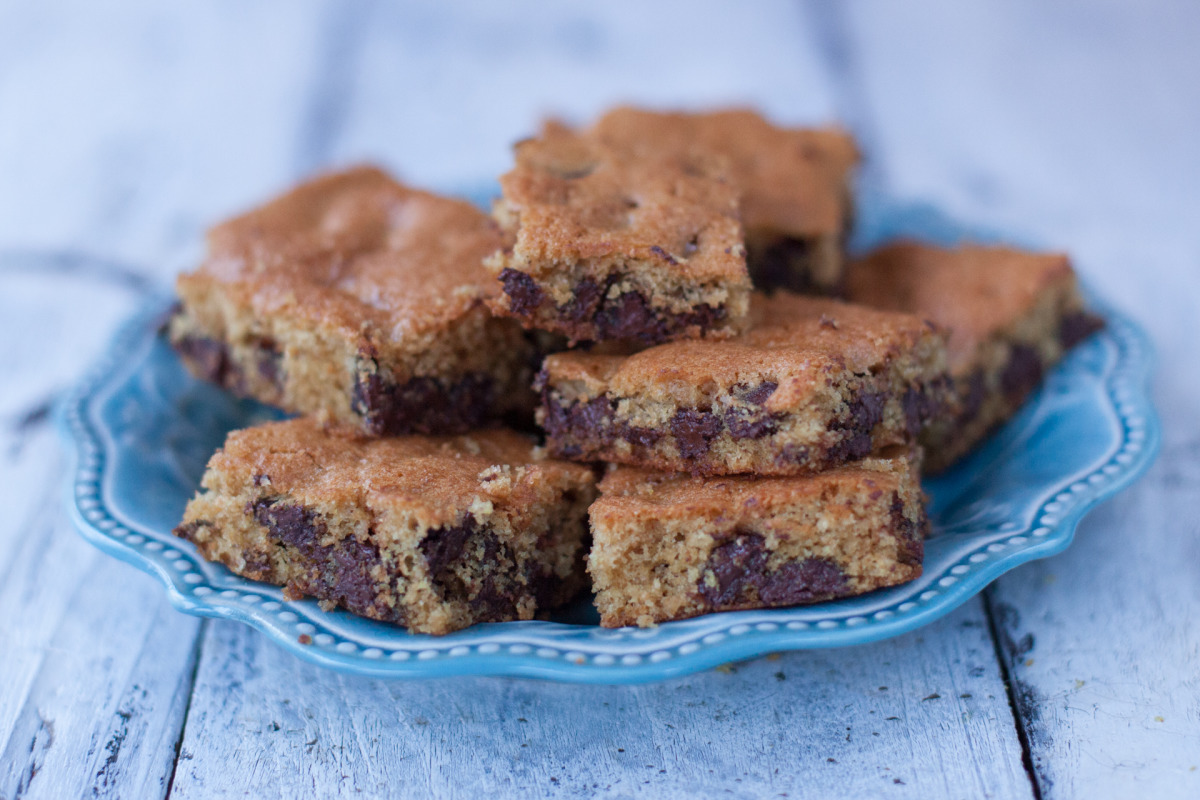
Perfecting the art of Toll House Pan Cookies requires a combination of precision, technique, and a few insider secrets. Here are some tips to help you achieve the ideal texture, flavor, and appearance:
To ensure an evenly cooked cookie, preheat your oven to the correct temperature and make sure your baking sheet is clean and free of any debris.
Chilling the Dough
Chilling the dough before baking is a crucial step that enhances the flavor and texture of the cookies. The cold temperature allows the flavors to meld and the dough to firm up, resulting in a thicker, chewier cookie.
- Refrigerate the dough for at least 30 minutes, or up to overnight.
- Chilling the dough for longer periods (up to 3 days) will intensify the flavor even further.
Measuring the Ingredients
Accurate measuring is essential for achieving the perfect balance of ingredients. Use measuring cups and spoons that are specifically designed for dry and liquid ingredients, and level off each measurement with a knife or straight edge.
- Under-measuring dry ingredients can result in a dense, dry cookie, while over-measuring can lead to a flat, spread-out cookie.
- For liquid ingredients, over-measuring can make the dough too wet and difficult to handle.
Mixing the Dough
Over-mixing the dough can result in tough, chewy cookies. Mix the ingredients just until they are combined, being careful not to overwork the dough.
- Use a wooden spoon or spatula to mix the dough, and avoid using an electric mixer.
- If the dough is too dry, add a little bit of milk or water, one tablespoon at a time, until it reaches the desired consistency.
Baking the Cookies
Bake the cookies in a preheated oven for the recommended amount of time. Over-baking will result in dry, crumbly cookies, while under-baking will leave them soft and gooey.
Indulge in the irresistible flavors of the classic Toll House Pan Cookie Recipe, where crispy edges meet a chewy center. If you’re seeking a healthier alternative, explore Recipes With Buckwheat Flour . This versatile ingredient adds a nutty flavor and is rich in fiber.
Return to the Toll House Pan Cookie Recipe for a sweet treat that will satisfy your cravings.
- Rotate the baking sheet halfway through the baking time to ensure even cooking.
- If the edges of the cookies start to brown too quickly, cover them with aluminum foil.
Health Considerations
Toll House Pan Cookies are a beloved treat, but it’s important to be aware of their potential health implications. While they provide a source of energy and satisfaction, they are also high in calories, fat, and sugar.
The primary concern with Toll House Pan Cookies is their high sugar content. Excessive sugar consumption can lead to weight gain, tooth decay, and an increased risk of chronic diseases such as type 2 diabetes and heart disease.
Sugar Content
- A single Toll House Pan Cookie contains approximately 15 grams of sugar, which is more than 30% of the recommended daily intake for adults.
- Consuming too much sugar can lead to insulin resistance, which can increase the risk of developing type 2 diabetes.
Fat Content
- Toll House Pan Cookies are also high in fat, with each cookie containing around 10 grams of fat, or 15% of the recommended daily intake.
- While some of the fat in Toll House Pan Cookies comes from healthy sources like butter, a significant portion is saturated fat, which can raise cholesterol levels and increase the risk of heart disease.
Calorie Content, Toll House Pan Cookie Recipe
- Toll House Pan Cookies are also high in calories, with each cookie containing around 200 calories.
- Consuming too many high-calorie foods can lead to weight gain and obesity, which can increase the risk of developing chronic diseases such as heart disease, stroke, and type 2 diabetes.
Healthier Variations
While Toll House Pan Cookies are not inherently unhealthy, there are ways to make them healthier. Some healthier variations include:
- Using whole wheat flour instead of white flour
- Reducing the amount of sugar
- Using healthier fats, such as olive oil or avocado oil
- Adding fruits or vegetables to the batter
Cultural Significance
Toll House Pan Cookies hold a special place in American cuisine, transcending their role as a mere dessert and becoming deeply ingrained in the nation’s cultural fabric. Their humble origins as a serendipitous kitchen experiment have evolved into a ubiquitous presence, shaping family traditions, social gatherings, and culinary experiences across generations.
A Staple in American Cuisine
The Toll House Pan Cookie recipe has achieved widespread recognition and enduring popularity, becoming a staple in American homes and a beloved treat across the country. Its simplicity, affordability, and deliciousness have made it a go-to choice for families, students, and individuals alike. Whether enjoyed as a warm, gooey comfort food or shared as a festive treat during holidays, Toll House Pan Cookies have become synonymous with American culinary traditions.
Stories and Anecdotes
Numerous stories and anecdotes attest to the cultural significance of Toll House Pan Cookies. They have been featured in popular culture, from classic films like “The Parent Trap” to television shows and literature. The cookies have also been used as a symbol of warmth, hospitality, and the American spirit in countless tales and anecdotes, further cementing their place in the nation’s cultural landscape.
Final Wrap-Up
As we bid farewell to our exploration of the Toll House Pan Cookie Recipe, we leave you with a lingering sweetness that will continue to inspire your culinary adventures. Whether you’re a seasoned baker or a novice in the kitchen, this timeless recipe empowers you to create delectable moments that will warm hearts and bring joy to every occasion.