Dive into the delightful world of bee candy board recipes, where we explore the art of crafting this delectable treat for our buzzing companions. Discover the ingredients, equipment, methods, and variations that will guide you in creating a nutritious and energy-rich feast for your bees.
Join us on this sweet adventure as we uncover the secrets of bee candy boards, ensuring your bees thrive and flourish throughout the year.
Ingredients
Bee candy boards provide a vital source of carbohydrates for bees during winter, helping them maintain their energy levels and survive the cold months. The ingredients used in these recipes play specific roles in creating a nutritious and effective food source for the bees.
The primary ingredient in bee candy boards is sugar, which provides the bees with the carbohydrates they need for energy. Sugar can be used in various forms, including granulated sugar, powdered sugar, or honey.
Sugar
- Provides carbohydrates for energy
- Can be used in various forms (granulated sugar, powdered sugar, honey)
Water
- Dissolves the sugar to create a syrup
- Prevents the candy from becoming too hard or brittle
Corn syrup
- Inverts the sugar, preventing it from crystallizing
- Keeps the candy soft and pliable
Tartaric acid
- Prevents the candy from becoming too sticky
- Helps preserve the candy and prevent spoilage
Equipment

Making bee candy boards requires specific equipment to ensure proper preparation and handling. These tools are essential for creating a successful and efficient process.
The following equipment is necessary for making bee candy boards:
Pots and Pans
- Large pot:A large pot with a capacity of at least 5 liters is required for boiling the sugar solution.
- Medium saucepan:A medium saucepan is needed for melting the shortening and mixing it with the sugar solution.
Measuring Tools
- Measuring cups:Measuring cups are essential for accurately measuring the sugar, water, and shortening.
- Measuring spoons:Measuring spoons are necessary for measuring smaller amounts of ingredients, such as salt and vinegar.
- Candy thermometer:A candy thermometer is crucial for monitoring the temperature of the sugar solution and ensuring it reaches the correct consistency.
Methods
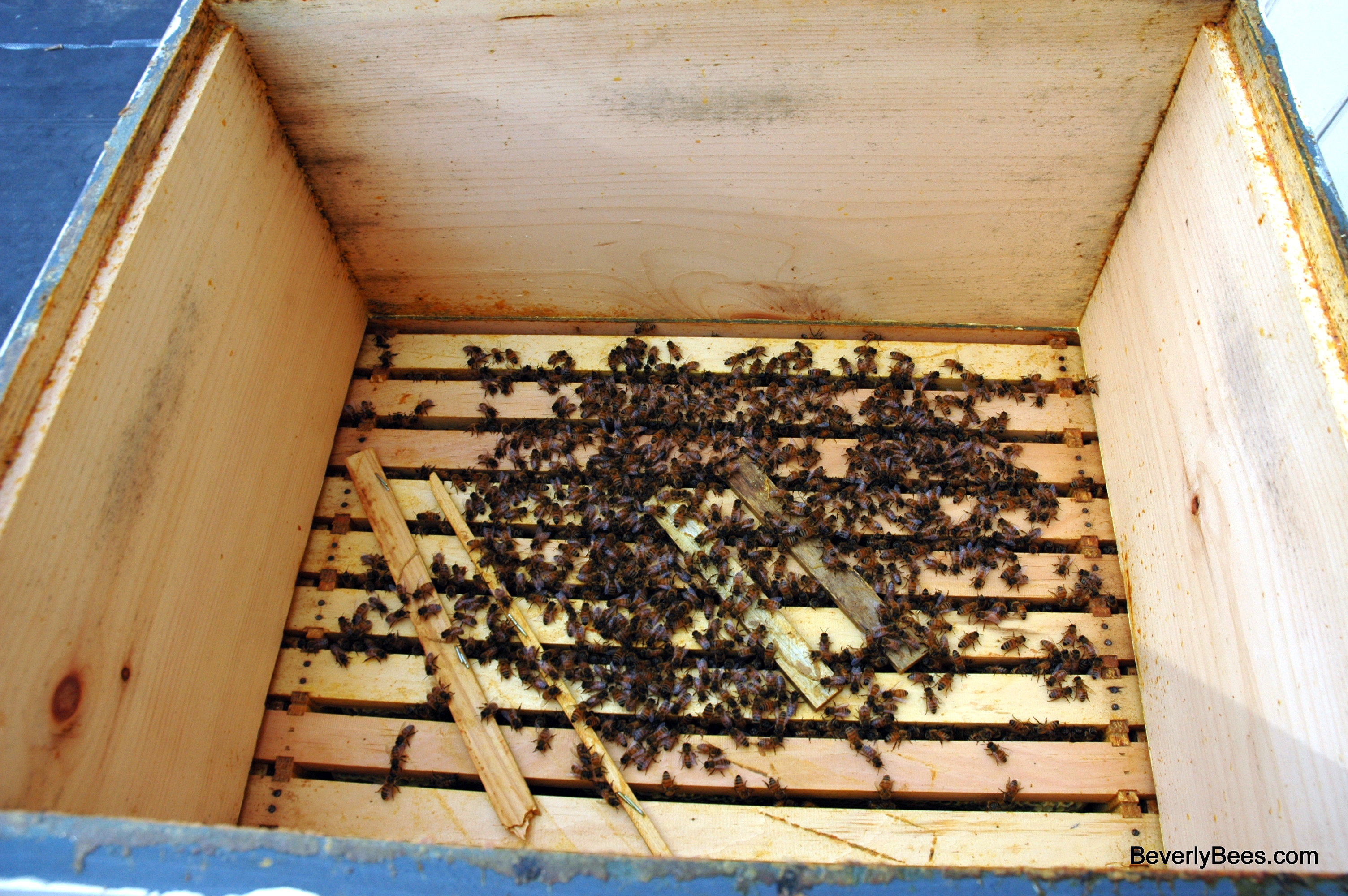
Crafting bee candy boards is a straightforward process that involves heating sugar and water to form a syrup, then adding powdered sugar to create a thick paste. The paste is poured into molds and allowed to cool and harden.
Heating the Syrup
In a medium saucepan, combine sugar and water. Bring to a boil over medium heat, stirring constantly to dissolve the sugar. Reduce heat to low and simmer for 5 minutes, or until the syrup has thickened slightly.
Adding Powdered Sugar
Remove the saucepan from the heat and gradually add powdered sugar, stirring constantly until a thick paste forms. The paste should be thick enough to hold its shape when poured.
Pouring the Paste, Bee candy board recipe
Pour the paste into molds or onto a greased baking sheet. Use a spatula to smooth the surface and remove any air bubbles. Allow the candy to cool and harden completely before removing it from the molds or baking sheet.
Variations
Bee candy board recipes can be customized to suit your preferences and the needs of your bees. Experiment with different ingredients and flavorings to create unique and flavorful boards.
For those who love to treat their bees, a homemade bee candy board recipe is a sweet delight. But if you're looking for something a little more indulgent for the big game, why not check out some tantalizing air fryer super bowl recipes ? From crispy wings to golden mozzarella sticks, there's something for everyone to enjoy.
And once the game is over, don't forget to spoil your bees with their very own candy treat!
One popular variation is to add pollen to the recipe. Pollen provides essential nutrients for bees, and it can help to attract them to the board. You can also add honey or sugar to the recipe to make it sweeter.
Flavorings
Flavorings can be added to the recipe to make the boards more appealing to bees. Some popular flavorings include:
- Vanilla extract
- Almond extract
- Citrus zest
- Herbs, such as rosemary or thyme
Benefits: Bee Candy Board Recipe
Bee candy boards offer several advantages for beekeeping, particularly during the challenging winter months.
They provide a vital source of energy and nutrients for bees, ensuring their survival and well-being. The sugar content in the candy provides bees with a quick and easily digestible source of energy, helping them maintain their body temperature and perform essential activities.
Enhanced Winter Survival
During winter, when natural food sources are scarce, bee candy boards become even more crucial. They help bees conserve their energy reserves, reducing the risk of starvation and colony collapse. By providing a reliable and consistent food supply, candy boards contribute to the overall health and vitality of the hive.
Storage
Bee candy boards should be stored properly to maintain their quality and prevent spoilage. Optimal storage conditions include:
Temperature:Store bee candy boards in a cool, dry place with a temperature between 40°F (4°C) and 60°F (16°C). Avoid storing them in areas with extreme temperature fluctuations.
Humidity:Bee candy boards should be stored in a low-humidity environment with a relative humidity of around 50%. High humidity can cause the candy to absorb moisture and become sticky.
Safety Precautions

Working with bee candy boards involves certain hazards that must be addressed to ensure safety. Understanding these risks and implementing proper safety measures are crucial to prevent accidents and injuries.
The main potential hazards associated with making and using bee candy boards include:
- Hot liquids:Boiling sugar syrup can cause severe burns if handled improperly.
- Sharp objects:Cutting tools, such as knives, can be used to shape the candy board, posing a risk of cuts.
- Chemical hazards:The ingredients used in bee candy boards, such as sugar and water, can create a slippery surface, increasing the risk of falls.
To minimize these risks and ensure safety, follow these precautions:
- Wear protective gear:Always wear gloves, safety glasses, and long sleeves when working with hot liquids or sharp objects.
- Handle hot liquids carefully:Use heat-resistant containers and utensils when working with boiling sugar syrup. Avoid spilling or splashing hot liquids on yourself or others.
- Use sharp objects with caution:Keep cutting tools sharp and use them carefully to avoid accidental cuts.
- Maintain a clean and dry work area:Spills and debris can create a slippery surface, increasing the risk of falls. Clean up any spills immediately and keep the work area dry.
- Store bee candy boards properly:Keep bee candy boards in a cool, dry place to prevent spoilage or contamination.
Troubleshooting
Making bee candy boards is generally straightforward, but certain issues may arise during the process. Identifying and addressing these problems will help ensure successful candy board preparation.
Here are some common problems and their solutions:
Candy board is too hard
- Cause:Insufficient moisture content.
- Solution:Add a small amount of water or honey to the sugar mixture and stir thoroughly before pouring onto the board.
Candy board is too soft
- Cause:Excess moisture content.
- Solution:Reduce the amount of water or honey added to the sugar mixture. Alternatively, spread the mixture thinner on the board to allow excess moisture to evaporate.
Candy board is not sticking to the board
- Cause:Board not properly cleaned or insufficiently roughened.
- Solution:Clean the board thoroughly with a damp cloth and sand or roughen the surface to provide a better adhesive surface.
Candy board is crumbling
- Cause:Candy mixture not cooked long enough or insufficiently stirred.
- Solution:Cook the sugar mixture until it reaches the desired consistency and stir constantly to prevent crystallization.
Tips and Tricks
Creating delectable bee candy boards requires precision and attention to detail. Here are some invaluable tips and tricks to help you achieve beekeeping perfection:
Experienced beekeepers and culinary experts emphasize the importance of using high-quality ingredients. Opt for pure cane sugar and avoid using substitutes like corn syrup or honey, as they can alter the consistency and flavor of the candy.
Measuring and Mixing
- Precisely measure both the sugar and water to ensure the correct consistency. Too much water will result in a runny candy, while too little will make it difficult to spread.
- Mix the ingredients thoroughly until the sugar is completely dissolved. Any undissolved sugar crystals can cause the candy to crystallize.
Spreading and Cooling
- Spread the hot candy evenly onto the parchment paper-lined baking sheet. A thin layer will cool faster and be easier to cut.
- Allow the candy to cool completely before cutting it into squares. This will prevent the candy from sticking to the knife and breaking.
Outcome Summary
In the realm of beekeeping, bee candy boards stand as a testament to our dedication to providing nourishment and sustenance to our precious pollinators. By mastering this simple yet effective recipe, you empower your bees to overcome the challenges of winter and emerge stronger than ever before.
Remember, every bee candy board you create is a symbol of your love and care for your buzzing friends. So, let's embark on this sweet journey together, crafting treats that will keep your bees healthy, happy, and humming with joy.


