Recipes for canning vegetable soup – Embark on a culinary adventure with our comprehensive guide to canning vegetable soup, a time-honored technique that preserves the bounty of fresh vegetables for year-round enjoyment. Discover the art of transforming seasonal produce into a delectable and nutritious staple, perfect for busy weeknights or cozy winter evenings.
From essential ingredients and preparation techniques to step-by-step canning instructions and creative uses, we’ll delve into every aspect of this rewarding culinary endeavor. Get ready to savor the flavors of summer all year long with our expert tips and mouthwatering recipes.
Introduction
Vegetable soup is a hearty and nutritious dish made from a variety of vegetables, often including carrots, celery, onions, and potatoes. It is a versatile dish that can be served as a main course or as a side dish. Vegetable soup is also a great way to use up leftover vegetables.
Canning vegetable soup is a great way to preserve it for later use. Canned vegetable soup can be stored in a cool, dark place for up to a year. This makes it a convenient option for busy families or for those who live in areas where fresh vegetables are not always available.
Benefits of Canning Vegetable Soup
- Preserves vegetable soup for later use.
- Extends the shelf life of vegetable soup to up to a year.
- Provides a convenient option for busy families or for those who live in areas where fresh vegetables are not always available.
- Reduces food waste by using up leftover vegetables.
Essential Ingredients
Vegetable soup is a versatile and nourishing dish that can be customized to your liking. The core ingredients form the foundation of the soup, providing flavor, texture, and nutrition. Here’s a list of the essential ingredients commonly used:
Vegetables:
- Carrots: Add sweetness and a vibrant color.
- Celery: Provides a subtle crunch and a savory flavor.
- Onions: Enhance the base flavor of the soup.
- Potatoes: Thicken the soup and provide a starchy texture.
- Green beans: Add a bright color and a slightly sweet taste.
- Corn: Adds a sweet and crunchy element.
- Peas: Provide a pop of color and a slightly sweet flavor.
Liquids:
- Vegetable broth or stock: Forms the base of the soup and adds flavor.
- Water: Adjusts the consistency and volume of the soup.
Seasonings:
- Salt and pepper: Enhance the flavors of the vegetables.
- Dried herbs: Such as thyme, oregano, or basil, add depth of flavor.
Variations and Alternatives:
You can customize your vegetable soup by adding or substituting ingredients based on your preferences or dietary needs. Here are some variations and alternatives:
- Vegetables:Add or remove vegetables to create different flavor combinations. For example, you can include bell peppers, zucchini, or mushrooms.
- Liquids:Use chicken broth or beef broth instead of vegetable broth for a richer flavor. You can also add a splash of white wine or beer for a more complex taste.
- Seasonings:Experiment with different herbs and spices to create a unique flavor profile. For example, you can add paprika, cumin, or chili powder.
Preparation Techniques: Recipes For Canning Vegetable Soup
Before you can can vegetable soup, you need to prepare the vegetables. This includes washing, peeling, and cutting them. The method you use to prepare the vegetables will depend on the type of vegetable and the size of the pieces you want.
For example, if you are canning carrots, you can peel them with a vegetable peeler or a knife. You can then cut them into slices, sticks, or cubes. If you are canning tomatoes, you can peel them by scoring an “X” into the bottom of each tomato and then blanching them in boiling water for a few seconds.
This will loosen the skin, making it easy to peel off. You can then cut the tomatoes into wedges or chunks.
Once the vegetables are prepared, they need to be sterilized. This can be done by boiling them in water for 10 minutes or by steaming them for 5 minutes. Sterilization is important because it kills any bacteria that may be present on the vegetables.
After the vegetables are sterilized, they need to be processed. This can be done by canning them in jars or by freezing them. Canning is the more common method, and it involves sealing the vegetables in jars and then heating them in a boiling water bath for a specific amount of time.
This process kills any remaining bacteria and creates a vacuum seal that keeps the vegetables fresh for months.
Sterilization
Sterilization is an important step in the canning process because it kills any bacteria that may be present on the vegetables. This prevents the bacteria from growing and spoiling the soup.
There are two methods of sterilization: boiling and steaming. Boiling is the more common method, and it involves submerging the vegetables in boiling water for 10 minutes. Steaming is a gentler method, and it involves exposing the vegetables to steam for 5 minutes.
Both methods of sterilization are effective, but boiling is the more common method because it is faster and easier. However, if you are canning delicate vegetables, such as tomatoes, you may want to use the steaming method to prevent the vegetables from becoming overcooked.
Processing
Processing is the final step in the canning process, and it involves sealing the vegetables in jars and then heating them in a boiling water bath for a specific amount of time. This process kills any remaining bacteria and creates a vacuum seal that keeps the vegetables fresh for months.
There are two methods of processing: hot pack and cold pack. Hot pack involves filling the jars with hot vegetables and then sealing them. Cold pack involves filling the jars with cold vegetables and then adding hot liquid. Both methods of processing are effective, but hot pack is the more common method because it is faster and easier.
However, if you are canning delicate vegetables, such as tomatoes, you may want to use the cold pack method to prevent the vegetables from becoming overcooked.
Canning Procedures
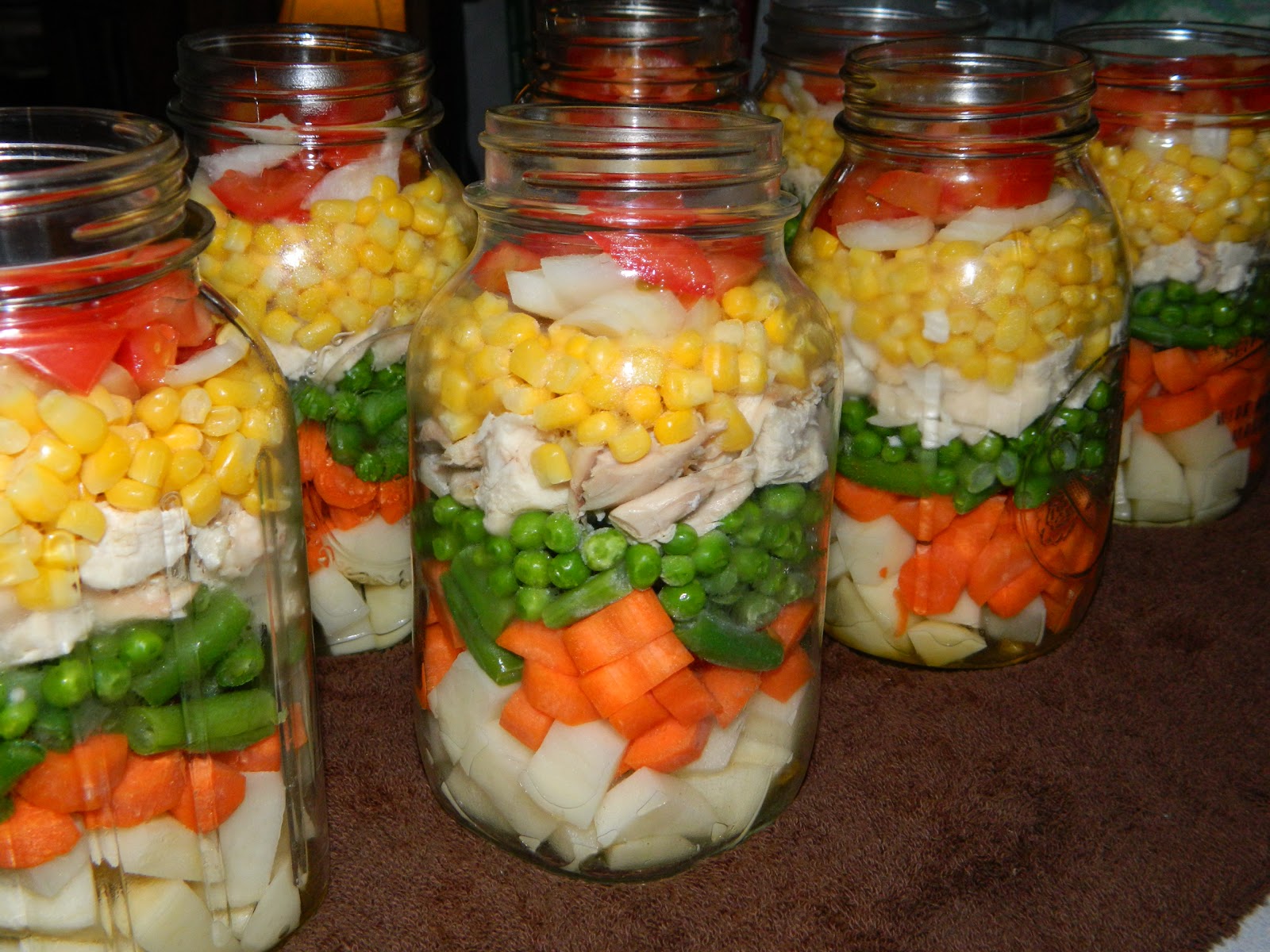
Canning vegetable soup is a safe and convenient way to preserve it for later use. By following proper procedures, you can ensure that your canned soup is safe to eat and will retain its flavor and nutritional value.
Before you begin, it is important to sterilize your jars and lids. This will help to prevent the growth of bacteria and mold. To sterilize jars, wash them thoroughly with hot soapy water and rinse them well. Then, place them in a boiling water bath for 10 minutes.
To sterilize lids, wash them in hot soapy water and rinse them well. Then, place them in a saucepan of simmering water for 5 minutes.
Filling Jars, Recipes for canning vegetable soup
Once your jars and lids are sterilized, you can begin filling them with soup. Use a funnel to carefully pour the soup into the jars, leaving about 1 inch of headspace at the top of each jar. Headspace is important because it allows for the soup to expand during processing.
Sealing Jars
Once the jars are filled, wipe the rims with a clean, damp cloth to remove any food residue. Then, place the lids on the jars and screw on the bands until they are fingertip tight. Do not overtighten the bands, as this can cause the jars to break during processing.
Processing Times
The processing time for vegetable soup will vary depending on the size of the jars and the altitude at which you are canning. Consult a reputable canning guide for specific processing times. Once the processing time is complete, turn off the heat and let the jars cool in the canner for 10 minutes.
Then, remove the jars from the canner and let them cool completely on a wire rack.
Recipe Variations
Vegetable soup offers a versatile canvas for culinary creativity. Explore a range of recipes that cater to diverse palates and dietary needs, highlighting unique flavors and ingredients.
Canning vegetable soup is a great way to preserve the summer harvest. But when the weather gets cold, sometimes you just crave something sweet. That’s where this pudding pie recipe vanilla comes in. It’s easy to make and absolutely delicious.
Plus, it’s a great way to use up any leftover canned vegetable soup. Simply add a few simple ingredients, and you’ll have a dessert that the whole family will love. Then, when you’re ready to get back to canning, you’ll have a delicious batch of vegetable soup to enjoy all winter long.
Classic Vegetable Soup
This timeless recipe combines carrots, celery, onions, potatoes, and green beans in a savory broth. Add herbs and spices like thyme, bay leaves, and black pepper for a comforting and flavorful soup.
Mediterranean Vegetable Soup
Infused with the vibrant flavors of the Mediterranean, this soup features sun-dried tomatoes, olives, artichokes, and zucchini. Herbs such as oregano, basil, and rosemary enhance its aromatic profile.
Vegan Vegetable Soup
Suitable for those following a plant-based diet, this soup uses vegetable broth as its base. Lentils or beans add protein, while vegetables like carrots, celery, and potatoes provide a hearty texture.
Spicy Vegetable Soup
For those who enjoy a bit of heat, this soup incorporates chili peppers, cumin, and paprika. Roasted red peppers add a smoky sweetness, while tomatoes and onions balance the spiciness.
Low-Sodium Vegetable Soup
Designed for individuals with sodium restrictions, this soup uses unsalted broth and reduces the amount of added salt. Vegetables like celery, carrots, and onions provide natural flavor without compromising taste.
Storage and Preservation

Proper storage and preservation techniques are crucial to maintain the quality and safety of canned vegetable soup.Storing canned vegetable soup in a cool, dry place, such as a pantry or basement, is essential. Ensure the storage area is protected from direct sunlight and extreme temperatures, as these can compromise the integrity of the cans and their contents.The
shelf life of canned vegetable soup typically ranges from 1 to 3 years, depending on the type of soup and the storage conditions. Factors that affect the preservation of canned vegetable soup include the acidity level of the soup, the processing temperature, and the integrity of the can.To
maximize the shelf life of canned vegetable soup, avoid storing it in areas with high humidity or moisture, as this can lead to rusting of the cans. Additionally, handle the cans with care to prevent dents or damage, which can compromise the seal and increase the risk of spoilage.
Safety Considerations
Preserving vegetables through canning is a rewarding process, but it’s crucial to prioritize safety to prevent potential hazards and ensure the longevity of your canned goods.
By following proper canning procedures and adhering to these essential tips, you can minimize risks and enjoy your homemade vegetable soup with peace of mind.
Potential Hazards
- Botulism:A severe and potentially fatal illness caused by the growth of Clostridium botulinumbacteria in improperly canned foods.
- Spoilage:Caused by microorganisms that can lead to undesirable changes in the soup’s flavor, texture, and safety.
Tips for Safe Canning
- Follow Recipes Accurately:Use tested and approved recipes that have been specifically designed for canning vegetable soup.
- Use Proper Equipment:Ensure you have the necessary equipment, such as a pressure canner, canning jars, lids, and a jar lifter, and that they are in good working condition.
- Maintain Hygiene:Keep your work area and utensils clean and sanitized to prevent contamination.
- Process at the Correct Temperature and Time:Follow the recommended processing times and temperatures for your specific recipe and altitude.
- Cool and Store Properly:Allow canned soup to cool completely before storing it in a cool, dark, and dry place.
Nutritional Value
Vegetable soup is a nutrient-packed dish that offers a wide range of vitamins, minerals, and other essential nutrients. It is a low-calorie and low-fat meal that can contribute to a healthy and balanced diet.
Vitamins
Vegetable soup is a rich source of various vitamins, including:
- Vitamin A: Essential for vision, immune function, and cell growth.
- Vitamin C: An antioxidant that supports immune function, collagen production, and wound healing.
- Vitamin K: Involved in blood clotting and bone health.
- B vitamins: Essential for energy production, nerve function, and red blood cell formation.
Minerals
Vegetable soup also provides a good amount of minerals, such as:
- Potassium: Helps regulate blood pressure and fluid balance.
- Sodium: An essential electrolyte that aids in fluid balance and nerve function.
- Iron: Necessary for red blood cell production and oxygen transport.
- Calcium: Vital for strong bones and teeth.
Other Nutrients
In addition to vitamins and minerals, vegetable soup also contains other beneficial nutrients, including:
- Fiber: Promotes digestive health and helps regulate blood sugar levels.
- Antioxidants: Protect cells from damage caused by free radicals.
- Phytonutrients: Plant compounds that have various health-promoting effects.
Health Benefits
Consuming vegetable soup is not just a culinary delight but also a nourishing choice that offers a plethora of health benefits. It’s a wholesome meal packed with essential nutrients, antioxidants, and fiber that play a crucial role in promoting overall well-being.
Let’s delve into the specific health benefits associated with this delectable dish:
Immune System Booster
- Vegetable soup is a rich source of vitamin C, a potent antioxidant that supports the immune system’s ability to fight off infections.
- It also contains beta-carotene, which converts to vitamin A in the body, further strengthening the immune system.
Heart Health
- The soluble fiber in vegetable soup, such as pectin, can help lower cholesterol levels, reducing the risk of heart disease.
- It also contains potassium, which helps regulate blood pressure.
Digestive Health
- The fiber in vegetable soup aids digestion by promoting regular bowel movements and preventing constipation.
- It also contains prebiotics, which feed the beneficial bacteria in the gut, promoting a healthy digestive system.
Weight Management
- Vegetable soup is low in calories and fat, making it an excellent choice for weight management.
- The fiber in the soup promotes satiety, helping you feel fuller for longer and reducing overall calorie intake.
Creative Uses
Canned vegetable soup is not just for warming you up on a cold day. It can be used in a variety of creative ways to add flavor and nutrition to your dishes.
Here are a few ideas:
As a base for sauces
Canned vegetable soup can be used as a base for a variety of sauces. For example, you can add it to tomato sauce to make a hearty pasta sauce, or you can use it to make a creamy soup base for casseroles and stews.
As a thickener for soups and stews
Canned vegetable soup can be used as a thickener for soups and stews. Simply add it to your soup or stew and simmer until it reaches the desired consistency.
As a filling for casseroles and pot pies
Canned vegetable soup can be used as a filling for casseroles and pot pies. It’s a great way to add vegetables and flavor to your dishes.
Conclusion

In conclusion, canning vegetable soup offers numerous benefits. It’s a convenient way to preserve the freshness and nutritional value of vegetables while extending their shelf life. Whether you’re a seasoned canner or a beginner, canning vegetable soup is a worthwhile endeavor that allows you to enjoy homemade, nutritious soups all year round.
Remember, canning is a safe and effective method of food preservation when done correctly. By following the proper techniques and safety guidelines, you can enjoy the fruits of your labor with peace of mind. Embrace the joy of canning and reap the rewards of a well-stocked pantry filled with delicious and nutritious homemade soups.
Conclusive Thoughts

As you master the art of canning vegetable soup, you’ll not only preserve the goodness of fresh vegetables but also unlock a world of culinary possibilities. Experiment with different flavor combinations, dietary variations, and creative uses to elevate your meals and impress your loved ones.
Embrace the joy of canning and reap the rewards of homemade convenience and wholesome nutrition.