Recipes for molded cookies open the door to a world of culinary creativity, inviting you to explore the art of transforming simple dough into delectable masterpieces. Whether you’re a seasoned baker or a novice eager to impress, this comprehensive guide will equip you with the knowledge and techniques to craft exquisite molded cookies that will tantalize taste buds and delight the eyes.
From understanding the nuances of molded cookies to mastering the techniques of shaping and decorating, this guide delves into every aspect of this delightful craft, empowering you to create an array of stunning and flavorful treats that will become cherished favorites.
Definition of Molded Cookies

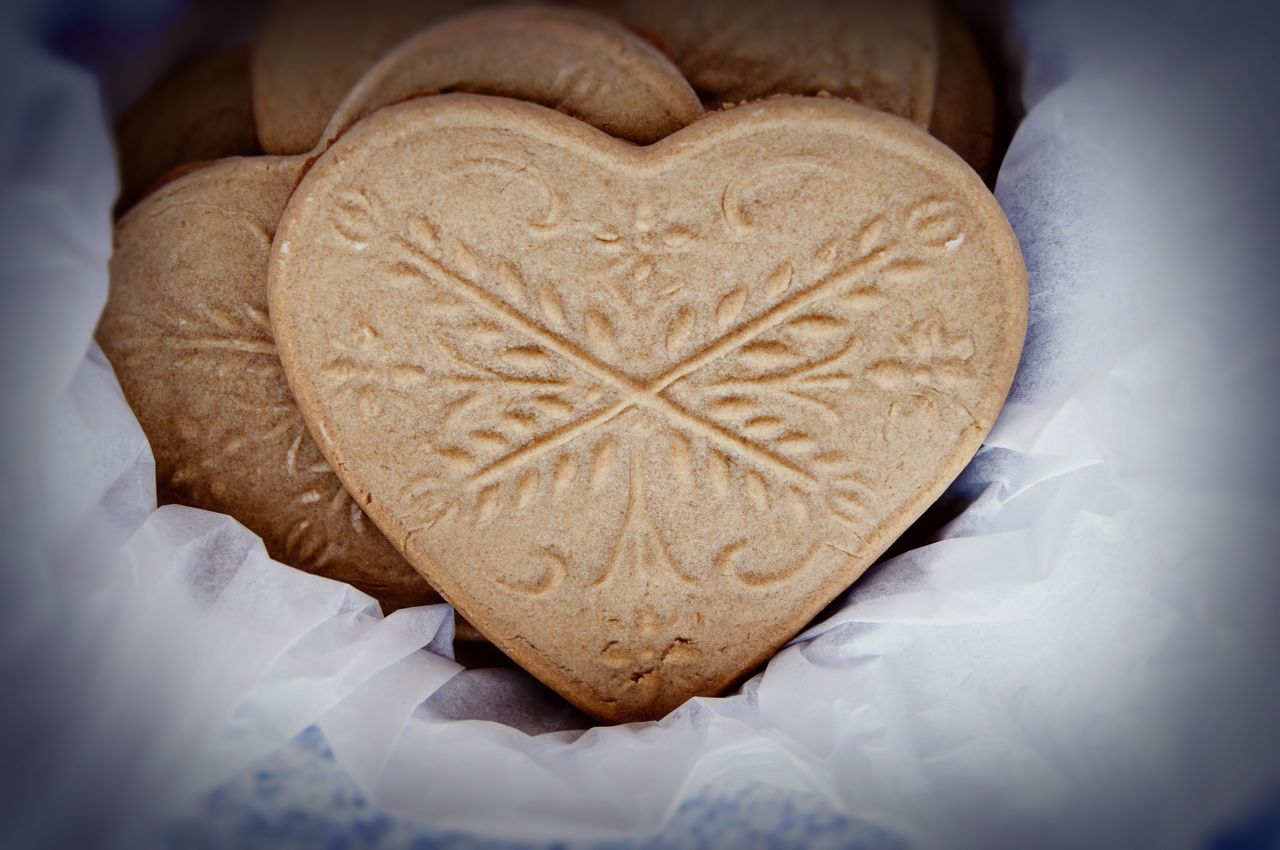
Molded cookies are a type of cookie dough shaped using a mold before baking. They are characterized by their intricate designs and detailed shapes. The dough is typically firm enough to hold its shape when molded, but not so firm that it becomes difficult to work with.
Types of Molds Used for Molded Cookies
There are several different types of molds that can be used for molded cookies, including:
- Cookie cutters:These are the most common type of mold used for molded cookies. They come in a variety of shapes and sizes, and can be used to cut out simple or intricate designs from the dough.
- Cookie stamps:These are similar to cookie cutters, but they have a raised design on one side. When the stamp is pressed into the dough, it creates a debossed design on the cookie.
- Rolling pins:Rolling pins can be used to create a variety of patterns on molded cookies. By rolling the pin over the dough with different amounts of pressure, you can create designs such as stripes, waves, or checks.
- Molds:Molds are specifically designed to create three-dimensional shapes from cookie dough. They typically consist of two pieces that are pressed together around the dough, forming a shape such as a flower, a heart, or an animal.
Popular Molded Cookie Shapes
Some of the most popular molded cookie shapes include:
- Animals:Animals are a popular choice for molded cookies, especially for children. Common animal shapes include cats, dogs, rabbits, and bears.
- Flowers:Flowers are another popular choice for molded cookies. They can be simple or intricate, and can be decorated with royal icing or other embellishments.
- Hearts:Hearts are a classic shape for molded cookies, especially for Valentine’s Day. They can be decorated with sprinkles, candy melts, or other decorations.
- Stars:Stars are a versatile shape that can be used for a variety of occasions. They can be decorated with sprinkles, frosting, or other embellishments.
- Christmas shapes:Christmas shapes, such as trees, snowmen, and Santa Claus, are popular for molded cookies during the holiday season.
Ingredients and Equipment
Crafting molded cookies requires a carefully curated selection of ingredients and specialized equipment to achieve the desired texture, shape, and flavor. Understanding the essential components and tools involved is crucial for successful cookie-making.
The primary ingredients for molded cookies include:
- Flour:Provides the structural foundation and absorbs moisture.
- Sugar:Adds sweetness and contributes to browning.
- Butter:Creates a tender and crumbly texture.
- Eggs:Bind the ingredients together and add richness.
- Flavorings:Enhance the taste, such as vanilla extract or cocoa powder.
Specialized Equipment
Molding cookies necessitates the use of specialized equipment to shape and cut the dough precisely.
- Cookie press:A handheld device that extrudes dough through interchangeable discs to create various shapes.
- Cookie molds:Rigid forms that press dough into intricate designs.
- Cookie cutters:Metal or plastic shapes that cut dough into specific shapes.
- Rolling pin:A cylindrical tool used to flatten dough evenly.
- Pastry bags and tips:Used for piping dough into specific shapes or designs.
Measuring and Preparing Ingredients
Accurate measurement and preparation of ingredients are paramount for successful molded cookie-making. Use precise measuring tools like cups, spoons, and a kitchen scale for accuracy.
- Flour:Measure by spooning into a measuring cup and leveling it off with a knife.
- Sugar:Pack firmly into a measuring cup and level off.
- Butter:Soften to room temperature for easy incorporation into the dough.
- Eggs:Bring to room temperature before adding to prevent curdling.
- Flavorings:Add according to the recipe’s instructions.
Techniques for Molding Cookies
Mastering the art of molding cookies unlocks a world of endless shapes and textures. Proper dough consistency, careful handling, and specific techniques are key to achieving crisp or chewy molded cookies.
Before diving into the molding process, ensure the dough is chilled and firm enough to hold its shape. Too soft dough will spread, while too dry dough will crumble.
Chilling the Dough
- Refrigerate the dough for at least 30 minutes or up to overnight. This allows the flour to absorb the moisture and develop gluten, resulting in a more stable dough.
Rolling the Dough, Recipes for molded cookies
- On a lightly floured surface, roll out the dough to a thickness of 1/8 to 1/4 inch. Use a rolling pin with guide rings to ensure even thickness.
- For crisp cookies, roll the dough thinner (1/8 inch). For chewy cookies, roll it thicker (1/4 inch).
Cutting the Cookies
- Use cookie cutters of various shapes and sizes to cut out the desired shapes. Press down firmly but evenly to prevent tearing.
- If the dough becomes too soft or sticky, chill it for an additional 15 minutes before continuing.
Transferring to Baking Sheets
- Carefully transfer the cut-out cookies to ungreased baking sheets. Use a thin spatula or cookie sheet to avoid deforming the shapes.
- Space the cookies about 2 inches apart to allow for spreading.
Design and Decoration

Molded cookies offer a canvas for creativity, allowing you to create visually stunning treats. Explore different mold designs to create unique shapes and textures. Experiment with colors and glazes to enhance their visual appeal and make them a feast for the eyes.
Molding Techniques
- Impression Molds:Use molds with intricate designs to create detailed impressions on the cookie dough. This technique is ideal for creating elegant and sophisticated cookies.
- Cut-Out Molds:Cut-out molds allow you to create clean-edged shapes. You can use a variety of cookie cutters to create simple or complex designs, from classic shapes to whimsical characters.
- 3D Molds:These molds create three-dimensional cookies, adding depth and dimension to your creations. Use them to make festive holiday cookies or adorable animal shapes.
Decoration Ideas
- Glazes:Glaze your molded cookies with a variety of colors and finishes. You can create shiny, matte, or textured glazes to add a touch of elegance or whimsy.
- Sprinkles:Sprinkle your cookies with colorful sprinkles for a festive touch. You can use different colors and shapes to create unique designs.
- Edible Glitter:Add a touch of sparkle to your cookies with edible glitter. Use it sparingly to create a subtle shimmer or go bold for a dramatic effect.
- Royal Icing:Use royal icing to create intricate designs and details on your cookies. This technique requires a steady hand and some practice, but the results can be stunning.
Baking and Cooling
The final steps in creating molded cookies are baking and cooling them properly. These processes impact the texture, flavor, and overall quality of the cookies.
Baking Temperature and Time
For molded cookies, the optimal baking temperature is typically between 350-375°F (175-190°C). This range allows the cookies to bake evenly without burning or overbrowning. The baking time can vary depending on the size and thickness of the cookies, but it generally ranges from 10-15 minutes.
Rotating the Baking Sheet
Rotating the baking sheet halfway through the baking time is crucial for even baking. This prevents the cookies from browning unevenly and ensures they have a consistent texture throughout.
Cooling Molded Cookies
Once the cookies are baked, it’s essential to cool them properly. Transfer the cookies to a wire rack and let them cool completely at room temperature. This cooling process helps to set the texture and prevent the cookies from becoming too soft or crumbly.
Storage and Serving
Molded cookies, with their intricate designs and delicious flavors, are a treat that deserves to be enjoyed and shared. To ensure their freshness and appeal, proper storage and serving techniques are crucial. Here’s how to store and serve molded cookies effectively:
Storing Molded Cookies
To maintain the freshness and texture of molded cookies, proper storage is essential. Here are some tips:
- Airtight Container:Store molded cookies in an airtight container at room temperature. This prevents moisture loss and keeps them crisp.
- Single Layer:Arrange the cookies in a single layer to avoid crushing and damage to their delicate designs.
- Cool Before Storing:Allow the cookies to cool completely before storing them to prevent condensation from forming inside the container.
- Freezing Option:For longer storage, molded cookies can be frozen for up to 2 months. Place them in a freezer-safe airtight container with parchment paper between layers.
Serving Molded Cookies
Molded cookies can be served in various creative ways to enhance their visual appeal and enjoyment. Here are some ideas:
- Individual Platters:Arrange the cookies on individual small platters to showcase their unique designs and allow guests to admire their intricate details.
- Tiered Display:Create a visually stunning display by placing the cookies on a tiered stand or cake plate, alternating colors and designs for a festive touch.
- Accompaniments:Serve molded cookies with complementary accompaniments such as tea, coffee, hot chocolate, or a glass of milk to enhance the experience.
- Themed Events:Match the designs of the molded cookies to the theme of your event, whether it’s a holiday, birthday party, or special occasion, to create a cohesive and memorable atmosphere.
Packaging Molded Cookies
If you plan to gift or transport molded cookies, proper packaging is essential to maintain their integrity and presentation. Here are some tips:
- Protective Layers:Wrap each cookie individually in tissue paper or parchment paper to prevent damage during transit.
- Shock-Absorbing Material:Place the wrapped cookies in a sturdy box or container lined with bubble wrap or crumpled paper to absorb shocks and vibrations.
- Avoid Overcrowding:Ensure there is enough space in the packaging to prevent the cookies from crushing or rubbing against each other.
- Labeling:If gifting the cookies, attach a label with a personalized message or the occasion they are intended for.
Variations and Adaptations
Molded cookies offer a versatile base for endless flavor combinations and adaptations. Experiment with different ingredients and techniques to create unique and delightful treats.
Explore a world of flavors by incorporating spices such as cinnamon, nutmeg, or ginger into the dough. Add zest from citrus fruits like lemon, orange, or lime for a refreshing twist. For a touch of sweetness, consider adding chopped nuts, dried fruits, or chocolate chips.
Substitutions and Modifications
To accommodate dietary restrictions, consider using gluten-free flour blends or nut flours as a substitute for wheat flour. For vegan options, replace butter with plant-based alternatives such as coconut oil or vegan butter. If you’re watching your sugar intake, reduce the amount of sugar in the dough or opt for natural sweeteners like honey or maple syrup.
Creating molded cookies can be a fun and rewarding experience, especially when you experiment with different shapes and flavors. If you’re looking for a delicious gluten-free treat, try our recipe gluten free pound cake . This moist and flavorful cake is perfect for any occasion, and it’s easy to make with our simple instructions.
Once you’ve mastered the basics of molded cookies, you can start exploring more complex designs and flavors. The possibilities are endless!
Molded Cookies as a Base
Molded cookies can serve as a delectable foundation for other desserts and treats. Use them as a crust for tarts or pies, filled with your favorite fruits or custards. Dip them in chocolate or glaze them with a variety of flavors for a sweet and elegant touch.
You can even crumble them and use them as a topping for ice cream, yogurt, or oatmeal.
Troubleshooting Common Issues
Making molded cookies is generally straightforward, but certain issues may arise. Understanding the causes and implementing appropriate solutions can ensure successful outcomes.
One common problem is dough sticking to the molds. This can be prevented by lightly greasing the molds before pressing the dough in. If the dough is too sticky, adding a small amount of flour can help firm it up.
Cookies Breaking
Cookies breaking during molding or baking can be caused by several factors. Ensure the dough is chilled before molding to prevent it from becoming too soft and breaking easily. Additionally, handling the dough gently and avoiding overworking it can help maintain its integrity.
Additional Resources

Expand your knowledge of molded cookies with these helpful resources.
Reputable Websites and Cookbooks
Explore a curated list of websites and cookbooks that provide a wide range of molded cookie recipes:
- The Spruce Eats: https://www.thespruceeats.com/molded-cookies-591589
- King Arthur Flour: https://www.kingarthurbaking.com/recipes/molded-cookies-recipe
- Betty Crocker: https://www.bettycrocker.com/recipes/molded-cookies/1977d336-8452-4c94-b644-6f09c434199d
Online Tutorials and Videos
Enhance your molding techniques with these informative online tutorials and videos:
- YouTube: “How to Make Molded Cookies” by Preppy Kitchen: https://www.youtube.com/watch?v=iYx8mI4Bd3A
- Craftsy: “Molded Cookies: A Beginner’s Guide” by Amy Atlas: https://www.craftsy.com/class/molded-cookies-a-beginner-s-guide/130881
Glossary of Terms
Master the terminology of molded cookies with this comprehensive glossary:
- Embossing:Creating raised designs on the cookie surface.
- Imprinting:Pressing designs into the cookie dough.
- Molding:Shaping the cookie dough into desired forms using molds.
- Springerle:Traditional German molded cookies with intricate designs.
Last Point: Recipes For Molded Cookies
As you embark on this culinary adventure, you’ll discover the joy of creating edible works of art that not only satisfy your sweet cravings but also add a touch of whimsy to your table. With each molded cookie you craft, you’ll hone your skills, unlocking a world of endless possibilities and unforgettable taste experiences.