Sliced rib eye recipe, a culinary delight that tantalizes taste buds and satisfies cravings, embarks on a delectable journey of flavors, textures, and techniques. This exquisite dish, crafted from the finest cuts of rib eye steak, promises an unforgettable gastronomic experience.
Delving into the intricacies of sliced rib eye recipe, we explore the secrets of selecting the perfect cut, mastering the art of slicing against the grain, and experimenting with a symphony of marinades. The sizzle of the grill, the aroma of herbs and spices, and the succulent tenderness of the cooked steak combine to create a symphony of flavors that will leave you yearning for more.
Ingredients and Nutritional Value

Sliced rib eye is a flavorful and juicy cut of beef that can be cooked in various ways. The essential ingredients for a sliced rib eye recipe include:
- Rib eye steak
- Olive oil
- Salt and pepper
The nutritional value of a 3-ounce serving of sliced rib eye is approximately:
- Calories: 220
- Protein: 25 grams
- Fat: 15 grams
- Carbohydrates: 0 grams
Choosing the Right Cut of Rib Eye
The quality of your rib eye steak will significantly impact the flavor and tenderness of your dish. Here’s a guide to help you choose the perfect cut.
Grades of Rib Eye
Rib eye steaks are graded based on their quality, with Prime being the highest and Select being the lowest. Prime rib eye steaks come from young, well-fed cattle and have excellent marbling, which contributes to their rich flavor and tenderness.
Choice rib eye steaks are also of high quality, with good marbling and flavor. Select rib eye steaks have less marbling and may be tougher than Prime or Choice cuts.
Characteristics of a High-Quality Rib Eye
- Good marbling: Look for steaks with evenly distributed white flecks of fat throughout the meat. This marbling will melt during cooking, adding flavor and tenderness.
- Firm texture: The steak should be firm to the touch but not too hard. Avoid steaks that are mushy or have a slimy texture.
- Bright red color: A high-quality rib eye steak will have a bright red color. Avoid steaks that are brown or dull in color.
- Good thickness: A rib eye steak should be at least 1 inch thick to ensure even cooking and prevent overcooking.
Slicing Techniques
Mastering the art of slicing a rib eye against the grain is crucial to unlocking its full flavor and tenderness. Cutting against the grain breaks down the tough muscle fibers, resulting in a melt-in-your-mouth experience.
Step-by-Step Slicing Instructions
- Let the rib eye rest at room temperature for 30 minutes to relax the muscles.
- Locate the grain of the meat by running your fingers along the surface. It will appear as parallel lines.
- Hold the knife perpendicular to the cutting board and slice the rib eye into thin strips, about 1/4 inch thick.
- Cut against the grain, meaning your knife should move in the opposite direction of the muscle fibers.
Marinating Options
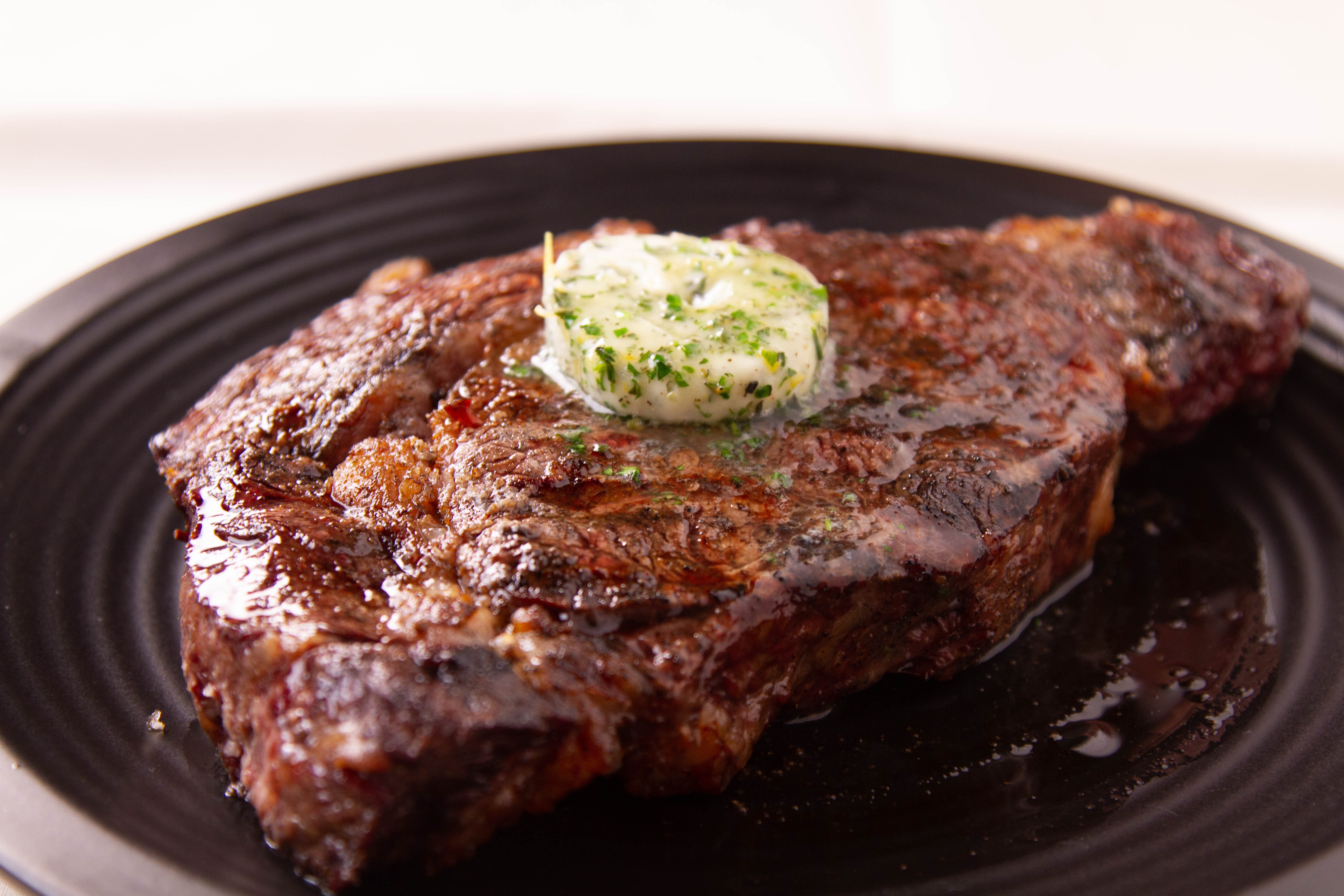
Marinating is a great way to enhance the flavor and tenderness of your sliced rib eye. There are many different marinade recipes that you can use, depending on your taste preferences. Some popular options include:
- Red wine marinade:This marinade is made with red wine, olive oil, garlic, herbs, and spices. It gives the steak a rich, flavorful taste.
- Lemon-herb marinade:This marinade is made with lemon juice, olive oil, herbs, and spices. It gives the steak a bright, tangy flavor.
- Teriyaki marinade:This marinade is made with soy sauce, sake, mirin, and sugar. It gives the steak a sweet, savory flavor.
Marinating your steak for several hours or overnight will allow the flavors to penetrate the meat. However, if you’re short on time, even a 30-minute marinade will make a difference.
Cooking Methods
Once you have your sliced rib eye ready, it’s time to cook it to perfection. There are several cooking methods you can choose from, each with its own unique advantages and disadvantages.
The most popular cooking methods for sliced rib eye are grilling, pan-searing, and oven-roasting. Let’s explore each method in more detail:
Grilling
Grilling is a great way to cook sliced rib eye if you want to achieve a smoky flavor. When grilling, it’s important to use a high heat setting to sear the meat quickly and evenly. This will help to lock in the juices and create a flavorful crust.
To grill sliced rib eye, preheat your grill to high heat. Season the meat with your favorite spices and herbs, then place it on the grill grates. Cook for 2-3 minutes per side, or until the meat is cooked to your desired doneness level.
Pan-Searing
Pan-searing is another popular cooking method for sliced rib eye. This method is great if you want to achieve a crispy exterior and a juicy interior.
While preparing the succulent sliced rib eye, don’t forget to complement it with a delectable side dish. For a creamy and indulgent treat, try the Lawry’s creamed spinach recipe . Its rich flavor and smooth texture will perfectly balance the savory rib eye.
Once you’ve savored the spinach, return to the sizzling rib eye for a satisfying and well-rounded culinary experience.
To pan-sear sliced rib eye, heat a large skillet over medium-high heat. Add a little oil to the pan, then place the meat in the skillet. Cook for 2-3 minutes per side, or until the meat is browned and cooked to your desired doneness level.
Oven-Roasting
Oven-roasting is a great way to cook sliced rib eye if you want to achieve a more tender and evenly cooked piece of meat. To oven-roast sliced rib eye, preheat your oven to 400 degrees Fahrenheit (200 degrees Celsius).
Season the meat with your favorite spices and herbs, then place it on a baking sheet. Roast the meat for 10-15 minutes, or until it is cooked to your desired doneness level.
Seasoning and Sauces
Seasoning is crucial for enhancing the natural flavors of sliced rib eye. Salt and pepper are the foundation, providing a simple yet effective base. Herbs like thyme, rosemary, and oregano add aromatic depth, while garlic and onion powder lend savory notes.
Essential Seasonings and Herbs
- Salt
- Pepper
- Thyme
- Rosemary
- Oregano
- Garlic powder
- Onion powder
Flavorful Sauce Recipes
Sauces can elevate the sliced rib eye experience by adding moisture, richness, and complexity. Here are two delectable sauce recipes to try:
Red Wine Reduction Sauce
- 1 cup red wine
- 1/2 cup beef broth
- 1/4 cup shallots, chopped
- 2 tablespoons butter
- 1 tablespoon Worcestershire sauce
- 1 teaspoon Dijon mustard
- Salt and pepper to taste
In a saucepan, reduce red wine and beef broth until thickened. Add shallots and sauté in butter. Stir in Worcestershire sauce, Dijon mustard, salt, and pepper. Simmer until the sauce reaches desired consistency.
Horseradish Cream Sauce
- 1 cup sour cream
- 1/4 cup prepared horseradish
- 2 tablespoons chives, chopped
- 1 teaspoon lemon juice
- Salt and pepper to taste
Combine all ingredients in a bowl and mix until smooth. Refrigerate for at least 30 minutes before serving.
Serving Suggestions
When serving sliced rib eye, it’s important to pair it with side dishes that complement its rich flavor and texture. These side dishes should provide a balance of flavors and textures, ensuring a satisfying meal.
Grilled Vegetables
Grilled vegetables are an excellent accompaniment to sliced rib eye. The smokiness from grilling adds depth to the vegetables, creating a harmonious blend with the meat. Asparagus, bell peppers, and zucchini are all great choices that can be grilled to perfection.
Roasted Potatoes
Roasted potatoes are a classic side dish that goes well with any steak. They can be seasoned with herbs, spices, or garlic for added flavor. The crispy exterior and fluffy interior provide a satisfying contrast to the tender rib eye.
Mashed Cauliflower
Mashed cauliflower is a healthier alternative to mashed potatoes, offering a creamy and flavorful side dish. It can be made with roasted cauliflower, butter, and milk, creating a smooth and comforting accompaniment to the rib eye.
Green Salad
A fresh green salad provides a light and refreshing contrast to the richness of the rib eye. A simple salad with mixed greens, tomatoes, onions, and a light vinaigrette dressing can help balance the meal.
Health Considerations
Consuming sliced rib eye offers potential health benefits, but it’s important to be mindful of potential concerns. This section explores both sides to help you make informed choices while enjoying this dish.
Rib eye is a rich source of protein, essential for muscle growth and repair. It also provides iron, which helps carry oxygen throughout the body, and zinc, crucial for immune function and wound healing.
Concerns
Sliced rib eye is relatively high in saturated fat, which can raise cholesterol levels and increase the risk of heart disease. Additionally, it contains a moderate amount of sodium, which can contribute to high blood pressure if consumed excessively.
Making Healthier Choices
To enjoy sliced rib eye while minimizing potential health risks, consider the following tips:
- Choose leaner cuts with less marbling.
- Trim excess fat before cooking.
- Cook using healthier methods, such as grilling or roasting, to reduce fat content.
- Balance your meal with plenty of fruits, vegetables, and whole grains.
- Consume rib eye in moderation as part of a balanced diet.
Tips and Tricks: Sliced Rib Eye Recipe

Unlock the secrets of perfectly cooked and tantalizing sliced rib eye with these invaluable tips and tricks from seasoned chefs and home cooking enthusiasts.
Searing Perfection
- Sear the rib eye over high heat to create a flavorful crust while keeping the interior tender and juicy.
- Use a cast iron skillet or grill for even heat distribution and a superior sear.
Resting is Essential
Allow the rib eye to rest for 5-10 minutes before slicing. This allows the juices to redistribute, resulting in a more evenly cooked and tender steak.
Slice Against the Grain
Cut the rib eye against the grain to break down the muscle fibers, making it more tender and easier to chew.
Use Sharp Knives
Invest in a sharp knife to ensure clean, precise slices that preserve the integrity of the steak.
Season Generously
Don’t be shy with the seasoning! Generously season the rib eye with salt and pepper before cooking to enhance its natural flavors.
Control Cooking Time, Sliced rib eye recipe
Monitor the cooking time closely to achieve your desired doneness. Use a meat thermometer for accuracy.
Consider Marinating
Marinating the rib eye in a flavorful marinade overnight can add extra moisture and depth of flavor.
Experiment with Sauces
Complement the sliced rib eye with a variety of sauces, such as chimichurri, béarnaise, or a classic steak sauce.
Closing Summary
As we conclude our exploration of sliced rib eye recipe, we celebrate the versatility and adaptability of this culinary gem. Whether grilled, pan-seared, or oven-roasted, the sliced rib eye steak transforms into a canvas for creativity, inviting experimentation with seasonings, sauces, and accompaniments.
Embark on this culinary adventure and discover the boundless possibilities that await your palate.