As stove top stuffing for turkey recipes takes center stage, this opening passage beckons readers into a world crafted with expertise, ensuring a reading experience that is both absorbing and distinctly original. From the essential ingredients to the regional variations, this comprehensive guide delves into the art of creating this beloved Thanksgiving staple.
Prepare to embark on a culinary journey that will transform your holiday gatherings into unforgettable feasts.
Ingredients and Variations
Classic stove top stuffing begins with a foundation of essential ingredients, including bread, aromatics, and seasonings.
Bread forms the backbone of the stuffing, providing structure and absorbing the flavorful liquids. Traditionally, stale bread is preferred, as it absorbs moisture better and results in a less mushy stuffing. Common bread choices include white, wheat, or cornbread.
Herbs, Spices, and Vegetables
Herbs and spices add depth and complexity to the stuffing’s flavor profile. Popular choices include sage, thyme, rosemary, and parsley. For a warm and savory touch, add a pinch of nutmeg or allspice.
Vegetables can enhance the stuffing’s texture and nutritional value. Diced celery, onions, and carrots are classic additions, providing a subtle sweetness and crunch. Consider incorporating other vegetables such as mushrooms, leeks, or bell peppers for added flavor and variety.
Cooking Methods
Prepare the stove top stuffing by following these steps:
- In a large skillet or Dutch oven, melt the butter over medium heat.
- Add the celery, onion, and carrots and cook until softened about 5 minutes.
- Stir in the bread cubes, chicken broth, herbs, and seasonings.
- Bring to a simmer and cook, stirring occasionally, until the bread cubes are tender and the liquid is absorbed, about 20 minutes.
- Remove from heat and fluff with a fork before serving.
Browning the Stuffing
For a golden-brown crust, brown the stuffing before serving. Heat a little butter in a skillet over medium heat. Add the stuffing and cook, stirring frequently, until browned on all sides.
Achieving the Desired Texture
The desired texture of the stuffing depends on personal preference. For a moist stuffing, add more chicken broth. For a drier stuffing, cook for longer or add less chicken broth.
Optimal Cooking Temperature and Time
Cook the stuffing over medium heat. This will allow the stuffing to cook evenly without burning. The cooking time will vary depending on the amount of stuffing being prepared. As a general rule, cook for about 20 minutes, or until the bread cubes are tender and the liquid is absorbed.
Flavor Enhancements

Kick your stuffing up a notch by incorporating flavorful ingredients and seasonings. A rich stock or broth forms the foundation, adding depth and moisture to the dish.
Herbs and spices are essential for creating a flavorful stuffing. Sage, thyme, rosemary, and marjoram are classic choices, but don’t be afraid to experiment with other herbs like parsley, basil, or oregano.
Creative Flavor Additions
For a unique twist, consider incorporating dried fruit, such as cranberries, raisins, or apricots, which add a touch of sweetness and tartness. Nuts, like pecans, walnuts, or almonds, provide a crunchy texture and nutty flavor.
Accompaniments: Stove Top Stuffing For Turkey Recipes

Stove top stuffing traditionally accompanies turkey and gravy, completing the classic Thanksgiving or Christmas meal. It can also be served as a side dish with other roasted meats, such as chicken, pork, or beef.
When it comes to Thanksgiving, stove top stuffing for turkey is a must-have side dish. But if you’re looking for something a little different, why not try a longhorn mac and cheese recipe ? It’s creamy, cheesy, and oh-so-delicious. And it’s sure to be a hit with your family and friends.
But don’t forget the stove top stuffing for turkey! It’s the perfect complement to any Thanksgiving meal.
To prepare the stuffing as a side dish, simply omit the turkey and gravy and serve it in a separate bowl or dish. You can also add additional ingredients to enhance the flavor, such as chopped vegetables, nuts, or dried fruit.
Pairing Suggestions
Stove top stuffing pairs well with a variety of dishes, including:
- Roasted turkey or chicken
- Mashed potatoes
- Green bean casserole
- Cranberry sauce
- Sweet potato casserole
Nutritional Considerations
Stove top stuffing is a classic Thanksgiving side dish, but it can be high in calories, fat, and sodium. However, there are several ways to reduce the nutritional impact of the dish without sacrificing flavor.
Reducing Calories
One way to reduce calories in stove top stuffing is to use whole-wheat bread instead of white bread. Whole-wheat bread is higher in fiber, which helps you feel full faster and eat less. You can also reduce calories by using low-fat or fat-free broth instead of butter or oil.
Reducing Fat
To reduce fat in stove top stuffing, use lean ground turkey or chicken instead of pork sausage. You can also reduce fat by using low-fat or fat-free broth instead of butter or oil.
Reducing Sodium, Stove top stuffing for turkey recipes
To reduce sodium in stove top stuffing, use low-sodium broth instead of regular broth. You can also reduce sodium by using unsalted butter or margarine instead of salted butter or margarine.
Tips for Making Healthier Versions
In addition to the tips above, there are several other ways to make healthier versions of stove top stuffing.* Use vegetables to add bulk and nutrients to the stuffing. Good choices include celery, onions, carrots, and mushrooms.
- Add herbs and spices to the stuffing for flavor. Good choices include sage, thyme, rosemary, and pepper.
- Avoid using canned soups or sauces in the stuffing. These products are often high in sodium and fat.
- Make the stuffing ahead of time and reheat it on Thanksgiving Day. This will give the flavors time to meld and will help you avoid overeating on Thanksgiving Day.
Presentation and Serving
The presentation of stove top stuffing can enhance its visual appeal and make it more inviting. Here are some tips to consider:
Arranging on a Serving Platter
Arrange the stuffing loosely on a warm serving platter to allow for even heat distribution and prevent sogginess. Mound the stuffing slightly in the center to create height and visual interest.
Garnishing
Garnishing the stuffing with fresh herbs like parsley, thyme, or sage adds a touch of color and flavor. You can also sprinkle on toasted nuts, such as almonds or walnuts, for a crunchy texture and nutty flavor.
Serving Temperature
Stove top stuffing should be served hot to maintain its texture and flavor. Allow the stuffing to rest for a few minutes after cooking to settle before serving.
Storage and Leftovers
To store leftover stove top stuffing, allow it to cool completely, then transfer it to an airtight container and refrigerate for up to 3 days. You can also freeze the stuffing for up to 2 months.
To reheat the stuffing, preheat your oven to 350°F (175°C). Spread the stuffing in a baking dish and bake for 15-20 minutes, or until heated through.
Creative Uses for Leftover Stuffing
- Use leftover stuffing as a filling for omelets or breakfast burritos.
- Add leftover stuffing to soups and stews for extra flavor and texture.
- Fry leftover stuffing into stuffing balls and serve them as a side dish.
- Mix leftover stuffing with ground beef or turkey to make stuffing burgers.
- Use leftover stuffing as a topping for baked potatoes or sweet potatoes.
Regional Variations
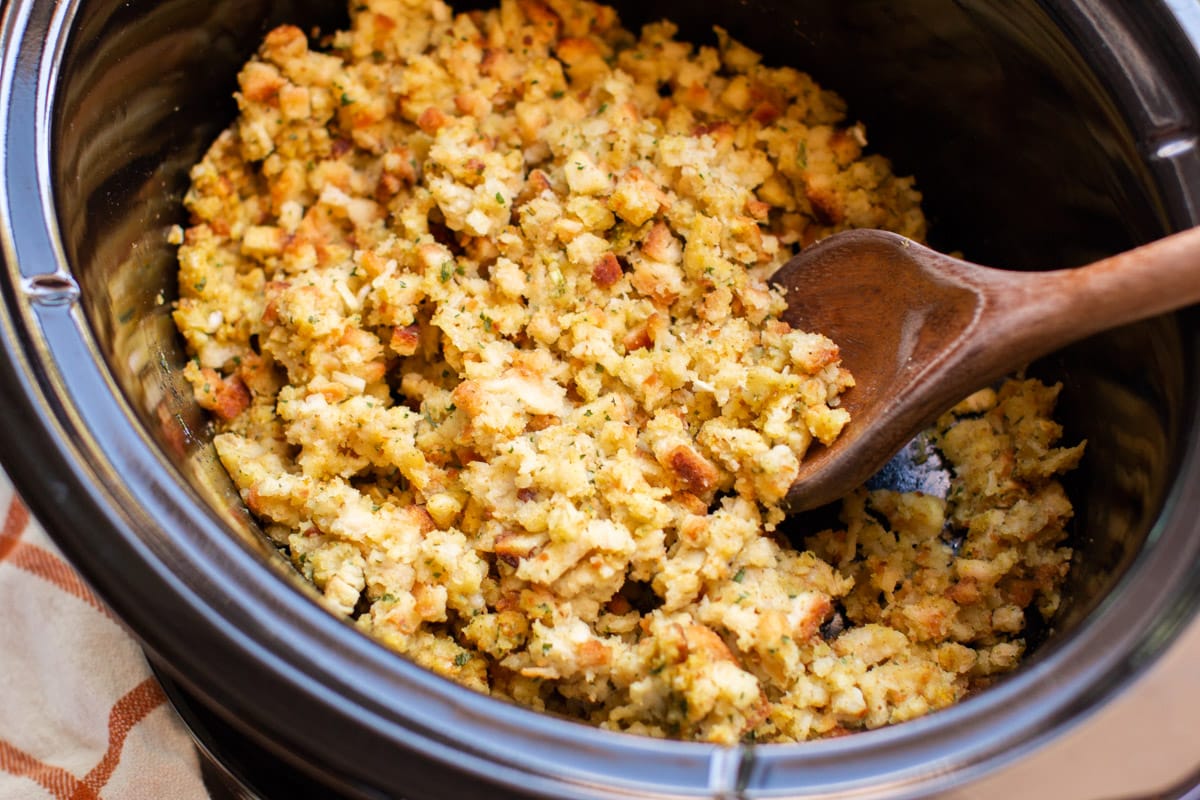
Stove top stuffing exhibits regional variations across the globe, showcasing unique ingredients and cooking methods.
American South
Southern stuffing is renowned for its cornbread base, which imparts a sweet and crumbly texture. It often incorporates celery, onion, and chicken broth, along with seasonings like sage, thyme, and rosemary.
New England
New England stuffing traditionally uses white bread as its base, resulting in a moist and flavorful filling. It includes a mix of herbs, including sage, thyme, and parsley, along with onions, celery, and apples for a touch of sweetness.
Mid-Atlantic
Mid-Atlantic stuffing combines the richness of oysters with the traditional ingredients of bread, celery, and onion. It is seasoned with sage, thyme, and bay leaves, resulting in a savory and briny stuffing.
Cajun/Creole
Cajun and Creole stuffing is known for its bold flavors. It incorporates a mix of vegetables, including bell peppers, celery, and onions, along with spices like cayenne pepper, paprika, and thyme. Andouille sausage is often added for a smoky and spicy kick.
West Coast
West Coast stuffing often features a blend of wild rice, brown rice, and quinoa for a nutty and earthy flavor. It includes vegetables like mushrooms, leeks, and cranberries, along with herbs like sage and rosemary.
Tips and Troubleshooting

Mastering stove top stuffing requires attention to detail and troubleshooting common issues. Here are some tips and solutions to ensure a delectable and satisfying stuffing:
To achieve the perfect stuffing, consider these tips:
- Use a combination of bread cubes and crumbled bread for a balanced texture.
- Toast the bread cubes for a crispy exterior and tender interior.
- Season the stuffing generously with herbs, spices, and salt and pepper.
- Add moisture with broth, stock, or melted butter to prevent dryness.
- Cook the stuffing until it reaches an internal temperature of 165°F (74°C) to ensure food safety.
Troubleshooting Common Problems
If your stuffing encounters issues, here are some solutions:
- Dry Stuffing:Add more broth or stock and cook for a longer duration.
- Bland Stuffing:Enhance flavors by adding more herbs, spices, or grated Parmesan cheese.
- Undercooked Stuffing:Extend the cooking time until the internal temperature reaches 165°F (74°C).
- Overcooked Stuffing:Remove from heat and let stand for a few minutes before serving to prevent further cooking.
Final Review

In conclusion, stove top stuffing for turkey recipes is a culinary masterpiece that brings families and friends together around the table. Whether you prefer classic flavors or regional variations, the tips and techniques Artikeld in this guide will empower you to create a dish that will steal the show.
So gather your ingredients, fire up the stove, and let the aromas of this delectable stuffing fill your home with warmth and cheer.