West Indian breakfast recipes are a vibrant and flavorful expression of the region’s rich culinary heritage. From the iconic ackee and saltfish to the hearty callaloo and fluffy roti, these dishes tantalize the taste buds and offer a glimpse into the vibrant culture of the West Indies.
Throughout this culinary adventure, we’ll explore the origins, ingredients, and cultural significance of West Indian breakfast traditions. We’ll delve into the art of creating classic dishes and discover modern interpretations that showcase the evolution of this beloved cuisine.
West Indian Breakfast Cuisine Overview
West Indian breakfast cuisine is a vibrant and diverse culinary tradition that reflects the rich cultural heritage of the Caribbean region. It is characterized by a unique blend of flavors and ingredients, influenced by the culinary traditions of Africa, Europe, and Asia.
West Indian breakfasts are typically hearty and flavorful, providing a substantial start to the day.
Origins and Influences
The origins of West Indian breakfast cuisine can be traced back to the indigenous peoples of the Caribbean, who traditionally consumed a diet of fruits, vegetables, and fish. With the arrival of European colonizers, new ingredients such as wheat flour, sugar, and dairy products were introduced to the region, which significantly influenced the development of West Indian breakfast dishes.
Cultural Significance
Breakfast holds a special place in West Indian culture. It is a time for families and communities to gather and share a meal. Breakfast is also an important part of many religious and cultural festivals in the Caribbean.
Common Ingredients and Staples
West Indian breakfast cuisine is renowned for its vibrant flavors and use of fresh, wholesome ingredients. These ingredients provide a range of essential nutrients and health benefits, contributing to a nutritious and satisfying start to the day.
Key ingredients commonly found in West Indian breakfast recipes include:
Fruits
- Mangoes:Rich in vitamins A, C, and E, as well as antioxidants, mangoes support eye health, boost immunity, and protect against cellular damage.
- Papayas:An excellent source of vitamin C, papain (a digestive enzyme), and fiber, papayas aid in digestion, reduce inflammation, and promote skin health.
- Bananas:High in potassium, fiber, and vitamin B6, bananas help regulate blood pressure, support digestive health, and improve cognitive function.
li> Avocados:A unique fruit high in healthy fats, fiber, and vitamins K, C, and E, avocados contribute to heart health, reduce inflammation, and protect against oxidative stress.
Vegetables
- Callaloo:A leafy green vegetable rich in vitamins A, C, and K, as well as calcium and iron, callaloo supports bone health, boosts immunity, and improves vision.
- Sweet potatoes:An excellent source of vitamin A, fiber, and potassium, sweet potatoes promote eye health, regulate blood sugar levels, and support heart function.
- Okra:Rich in fiber, vitamins C and K, and antioxidants, okra aids in digestion, reduces cholesterol levels, and protects against cell damage.
Grains
- Cornmeal:A staple grain in West Indian cuisine, cornmeal is a good source of fiber, B vitamins, and iron, contributing to digestive health, energy production, and red blood cell formation.
- Wheat flour:A versatile flour used in various breakfast dishes, wheat flour provides carbohydrates, protein, and fiber, supporting energy levels, muscle growth, and digestive function.
Proteins
- Saltfish:A popular breakfast protein, saltfish is a good source of protein, calcium, and iodine, supporting muscle growth, bone health, and thyroid function.
- Eggs:A nutrient-rich food, eggs provide high-quality protein, essential vitamins and minerals, and antioxidants, contributing to overall health and well-being.
- Ackee:A unique fruit from the ackee tree, ackee is a good source of protein, fiber, and vitamins A and C, supporting muscle growth, digestive health, and immune function.
These ingredients are combined in various ways to create a diverse range of breakfast dishes, from savory saltfish and ackee to sweet and fruity mango pancakes.
Traditional Breakfast Dishes
West Indian breakfast cuisine offers a diverse array of classic dishes that showcase the region’s unique flavors and ingredients. From the savory combination of ackee and saltfish to the hearty warmth of callaloo and roti, these traditional dishes are a staple of West Indian mornings.
Ackee and Saltfish
Ingredients:
- 1 can (15 ounces) ackee
- 1 pound saltfish, soaked overnight and flaked
- 1 onion, chopped
- 2 tomatoes, chopped
- 1 scotch bonnet pepper, finely chopped (optional)
- 1/2 teaspoon black pepper
- 1/4 teaspoon allspice
- Salt to taste
- Oil for frying
Instructions:
- Heat oil in a large skillet over medium heat.
- Add onions and cook until softened.
- Add tomatoes and scotch bonnet pepper (if using) and cook for 5 minutes.
- Add saltfish and cook for 10 minutes, stirring occasionally.
- Add ackee, black pepper, and allspice. Cook for 15 minutes, or until ackee is heated through.
- Season with salt to taste.
Serving Suggestions:
Serve ackee and saltfish with fried plantains or boiled dumplings.
Nutritional Information:
Per serving (1 cup):
Calories
250
Fat
10g
Protein
20g
Carbohydrates
30g
Modern Interpretations

Traditional West Indian breakfast dishes have undergone a transformation in recent years, adapting to modern tastes and preferences. Contemporary chefs are experimenting with new ingredients and techniques, while still staying true to the essence of West Indian cuisine.
One of the most notable trends is the use of non-traditional ingredients in classic dishes. For example, ackee and saltfish, a traditional Jamaican breakfast staple, is now being paired with ingredients like smoked salmon or avocado.
Fusion Cuisine
West Indian flavors are also being incorporated into other cuisines, creating innovative fusion dishes. One example is the breakfast burrito, which has been reimagined with West Indian ingredients such as jerk chicken or callaloo.
Health-Conscious Adaptations
Another trend is the focus on healthier breakfast options. Traditional West Indian dishes can be high in calories and fat, but modern interpretations are often made with lighter ingredients and cooking methods. For example, fried plantains are now often baked or air-fried, and sweet potato pancakes are made with whole-wheat flour.
Regional Variations: West Indian Breakfast Recipes
West Indian breakfast cuisine exhibits a diverse range of flavors and ingredients across different islands and countries. Each region has its unique culinary traditions, influenced by local produce, cultural heritage, and colonial history.
These variations add richness and diversity to the overall West Indian breakfast experience, showcasing the vibrant tapestry of the region’s culinary heritage.
Jamaica
Jamaican breakfasts are known for their bold flavors and generous portions. Ackee and saltfish, the national dish, is a staple, often accompanied by fried plantains, callaloo (a leafy green vegetable), and dumplings.
Other popular breakfast items include porridge made with oats or cornmeal, boiled bananas, and stewed chicken with fried breadfruit.
Trinidad and Tobago
Trinidadian and Tobagonian breakfasts blend Indian, African, and Caribbean influences. Doubles, a street food consisting of curried chickpeas between two flatbreads, is a popular choice.
Other favorites include roti (an Indian flatbread) with various fillings, bake and shark (fried dough with fried shark), and pholourie (fried balls made from split peas).
Barbados
Barbadian breakfasts often feature fish, such as flying fish and saltfish. Fried or grilled flying fish is a common dish, along with saltfish and bakes (fried dough).
Other breakfast staples include conkies (cornmeal and coconut dumplings), cassava pancakes, and sweet potato pudding.
Bahamas
Bahamian breakfasts are known for their seafood dishes. Grits and fish is a popular choice, along with conch fritters, lobster omelets, and boiled fish with Johnny cakes (fried cornmeal cakes).
Other breakfast items include guava duff (a steamed guava-filled pastry), souse (a spicy pickled pig’s head), and coconut bread.
Guyana
Guyanese breakfasts reflect the country’s diverse ethnic background. Roti with various curries, such as chicken, beef, or potato, is a common dish.
Other breakfast favorites include puri (a deep-fried flatbread), dhal (a lentil soup), and chowmein (stir-fried noodles).
Health Considerations
West Indian breakfast recipes are often rich in calories, carbohydrates, and saturated fats. However, they also contain essential nutrients like protein, fiber, and vitamins.
Consuming these dishes in moderation can provide energy and essential nutrients for the day. However, excessive consumption may contribute to weight gain, high cholesterol levels, and other health concerns.
Tips for Making Healthier West Indian Breakfast Recipes
- Use whole-wheat or multigrain bread instead of white bread.
- Add fruits and vegetables to your breakfast, such as sliced bananas, berries, or sautéed spinach.
- Choose lean protein sources, such as grilled chicken or fish, instead of fatty meats.
- Limit the amount of added sugar and salt in your recipes.
- Prepare your meals at home to control ingredients and portion sizes.
Accompaniments and Beverages
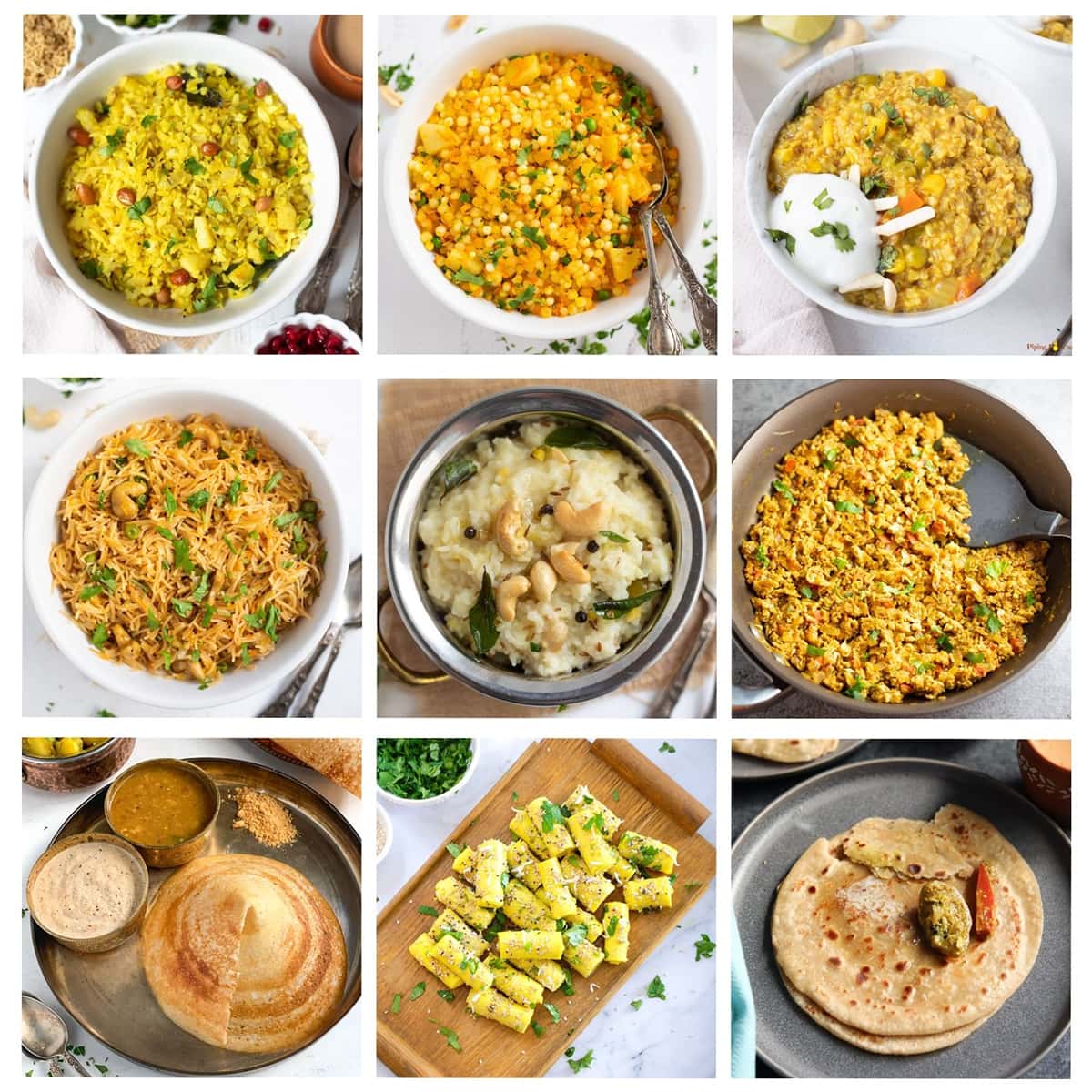
Accompaniments and beverages play a vital role in enhancing the West Indian breakfast experience, adding flavors and textures that complement the main dishes. They hold cultural significance, reflecting the region’s history and culinary traditions.
Popular Breakfast Drinks
*
-*Sorrel
A refreshing and flavorful drink made from dried hibiscus flowers, spices, and sugar.
-
-*Ginger Beer
A non-alcoholic, carbonated beverage with a spicy ginger flavor.
-*Orange Juice
Freshly squeezed orange juice is a common and healthy accompaniment.
-*Tea
Black tea with milk and sugar is a staple breakfast drink.
Typical Sides and Accompaniments
*
-*Saltfish
Salted and dried codfish, often served with tomatoes, onions, and peppers.
-
-*Ackee
A fruit that resembles scrambled eggs when cooked with saltfish, onions, and tomatoes.
-*Dumplings
Soft, doughy balls made from flour, baking powder, and water.
-*Fried Plantains
Sweet plantains sliced and fried until golden brown.
-*Johnny Cakes
Flat, unleavened bread made from cornmeal and flour.
These accompaniments and beverages enhance the flavors of the main breakfast dishes, adding sweetness, saltiness, and spicy notes. They are also a nod to the region’s history, as many of these ingredients have been used in West Indian cuisine for centuries.
Presentation and Serving
West Indian breakfast dishes are typically presented in a vibrant and communal manner, reflecting the social and cultural significance of the meal. Traditional methods of serving involve large platters or bowls filled with an assortment of dishes, allowing guests to sample and share the variety of flavors.
In modern interpretations, individual portions are becoming more prevalent, catering to the changing lifestyles and dining preferences of urban populations. However, the communal spirit of West Indian breakfast remains, with family and friends often gathering around the table to enjoy the meal together.
Cultural Customs and Etiquette
Breakfast in West Indian households is often a leisurely affair, with ample time dedicated to conversation and socializing. It is customary to greet each other warmly and exchange pleasantries before beginning the meal.
Elders are typically served first, as a sign of respect and gratitude. Children are encouraged to participate in the meal preparation and serving, fostering a sense of family involvement and responsibility.
Visual Appeal and Authenticity
Creating visually appealing and authentic West Indian breakfast presentations is essential for enhancing the dining experience. Here are some tips to consider:
- Use vibrant colors: West Indian cuisine is known for its use of fresh fruits, vegetables, and spices, which add a pop of color to the plate.
- Arrange dishes creatively: Play with different heights and textures to create a visually interesting spread. Consider using bowls, platters, and serving utensils of varying shapes and sizes.
- Incorporate traditional elements: Use banana leaves, coconut shells, or other natural materials as serving vessels to add an authentic touch to the presentation.
- Pay attention to portion sizes: While West Indian breakfast dishes are typically generous, avoid overwhelming guests with excessive portions. Serve reasonable amounts that allow guests to sample and enjoy the variety of dishes.
Cultural Influences
West Indian breakfast cuisine is a vibrant and diverse culinary tradition that has been shaped by a rich blend of cultural influences. Over centuries, the region has been influenced by African, European, Indian, and other cultures, each of which has left its unique mark on the breakfast table.
African Influence
African influences are evident in many traditional West Indian breakfast dishes. Dishes like ackee and saltfish, callaloo, and plantains are rooted in African culinary traditions. Ackee and saltfish, the national dish of Jamaica, is a breakfast staple made from salted codfish cooked with ackee fruit, a native African fruit.
West Indian breakfast recipes are a delightful fusion of flavors, offering a vibrant start to the day. If you’re looking for a nutritious and easy-to-make option for your little one, consider trying our sweet potato toddler recipe . Packed with essential vitamins and minerals, this sweet potato puree is a delicious and wholesome way to nourish your growing toddler.
Once they’ve enjoyed their sweet potato treat, continue exploring the diverse range of West Indian breakfast recipes, from hearty stews to fluffy pancakes, for a satisfying and flavorful morning meal.
Callaloo, a leafy green vegetable soup, is another popular breakfast dish with African origins. Plantains, a type of large banana, are often fried or boiled and served as a side dish or breakfast staple.
European Influence
European influence is also apparent in West Indian breakfast cuisine. Dishes like pancakes, waffles, and French toast are all common breakfast items that have been adapted from European culinary traditions. Pancakes, made from a batter of flour, milk, and eggs, are a popular breakfast choice throughout the region.
Waffles, a similar batter-based dish cooked in a waffle iron, are also enjoyed for breakfast. French toast, made from bread soaked in a mixture of eggs, milk, and cinnamon, is another popular European-influenced breakfast dish.
Indian Influence
Indian influences have also played a role in shaping West Indian breakfast cuisine. Dishes like roti, curries, and chutneys are all common breakfast items that reflect Indian culinary traditions. Roti, a flatbread made from flour and water, is often served with curries, which are stews made with various spices and vegetables.
Chutneys, sweet and sour relishes made from fruits or vegetables, are also popular accompaniments to breakfast dishes.
Other Influences
In addition to African, European, and Indian influences, West Indian breakfast cuisine has also been influenced by other cultures, including Chinese and Portuguese. Dishes like fried rice and bacalhau (salted codfish) are examples of these influences.
Breakfast Culture

Breakfast in West Indian communities holds immense social and cultural significance, serving as a cornerstone of daily life, family gatherings, and community events. It is a time for families to connect, share stories, and nourish themselves for the day ahead.
Traditionally, breakfast is a leisurely affair, enjoyed in the comfort of one’s home or at local eateries. It is a time for conversation, laughter, and bonding. In many West Indian households, the aroma of freshly cooked breakfast dishes fills the air, creating a warm and inviting atmosphere.
Role in Family Gatherings and Community Events
Breakfast plays a central role in family gatherings and community events in West Indian societies. On weekends and special occasions, families often gather for elaborate breakfast feasts. These gatherings provide an opportunity for extended family members to reconnect, catch up on each other’s lives, and celebrate special moments.
In many West Indian communities, breakfast is also an integral part of community events. Churches, schools, and community centers often host breakfast fundraisers or potlucks, where members come together to share a meal and socialize.
Cultural Traditions and Rituals, West indian breakfast recipes
Breakfast in West Indian societies is steeped in cultural traditions and rituals. In some communities, it is customary to offer breakfast to guests as a sign of hospitality and respect. In other communities, breakfast is believed to have spiritual significance, and certain dishes are prepared for specific occasions or to ward off evil spirits.
For example, in some parts of the Caribbean, it is believed that eating a hearty breakfast on New Year’s Day brings good luck and prosperity for the year ahead.
Closure
West Indian breakfast recipes are a testament to the rich tapestry of flavors, cultures, and traditions that define the region. Whether enjoyed as a leisurely weekend brunch or a quick weekday meal, these dishes nourish the body and soul, bringing a taste of the Caribbean to breakfast tables everywhere.