Embark on a culinary journey with our recipe for Polish goulash, a hearty and flavorful stew that embodies the rich culinary traditions of Poland. Let’s delve into the origins, ingredients, and cultural significance of this beloved dish, uncovering the secrets that make it a cornerstone of Polish cuisine.
From its humble beginnings to its modern-day iterations, Polish goulash has captured the hearts of food enthusiasts worldwide. Join us as we explore the essence of this dish, discovering the perfect balance of spices, meats, and vegetables that create a symphony of flavors.
Introduction: Recipe For Polish Goulash
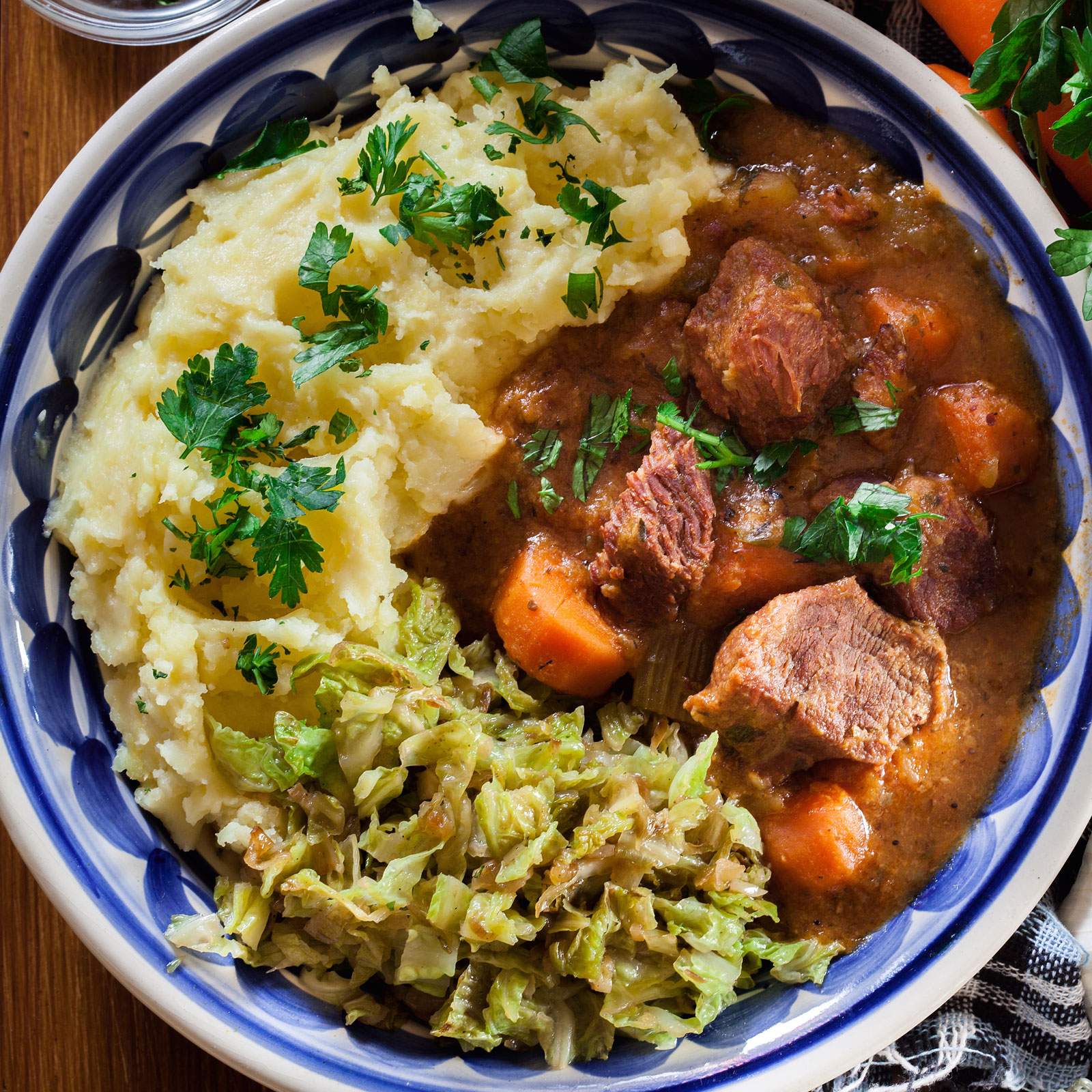
Goulash, a hearty stew, has its origins in Hungary and is widely enjoyed across Central and Eastern Europe. Polish goulash, a variation of the classic dish, holds a special place in Polish cuisine.
Ingredients
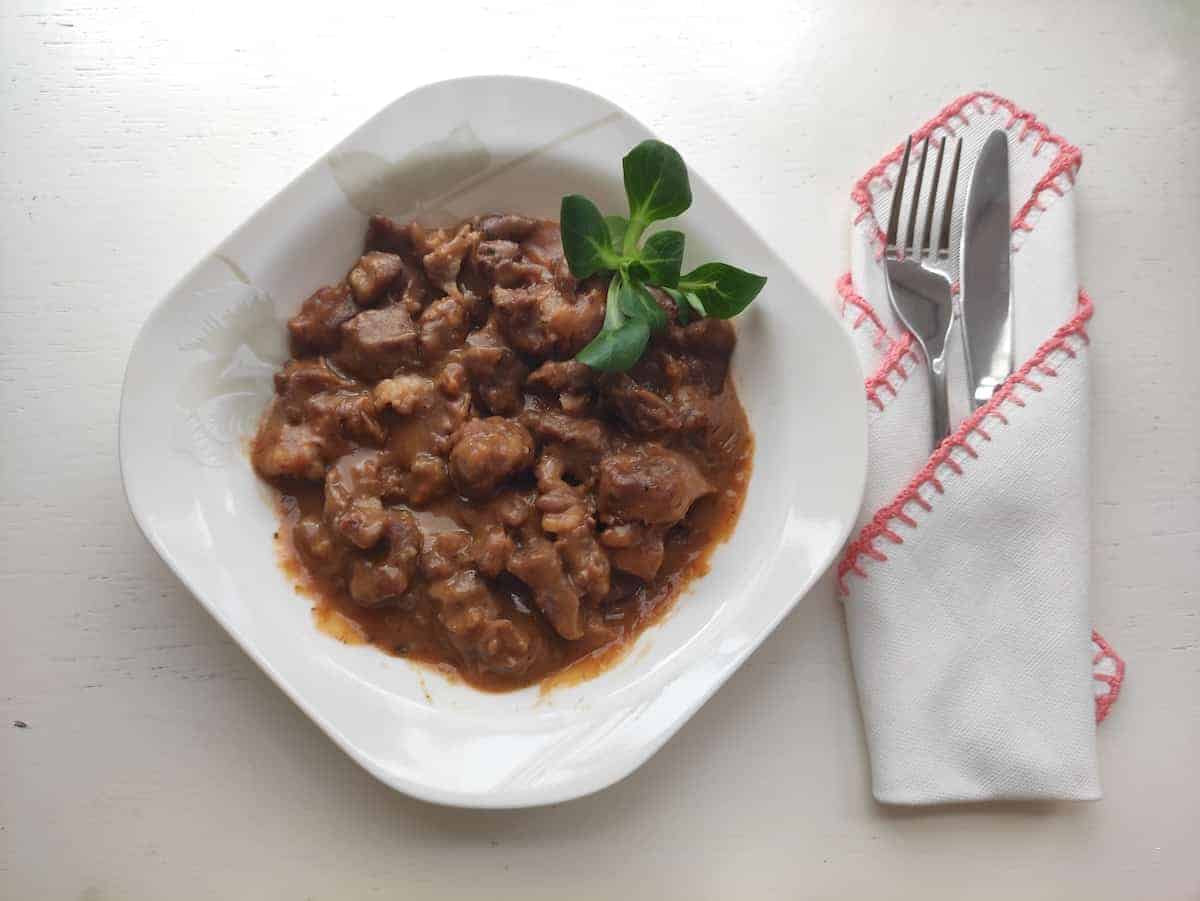
The essential ingredients for Polish goulash include:
- Beef chuck roast, cut into cubes
- Onions, chopped
- Garlic, minced
- Paprika, both sweet and smoked
- Caraway seeds
- Tomatoes, canned or fresh
- Beef broth
- Sour cream (optional)
Variations in ingredient usage include using different cuts of beef, adding vegetables such as carrots or celery, and adjusting the amount of paprika for desired spiciness.
Preparation Methods
Traditional Polish goulash is prepared in a Dutch oven or large pot over medium heat. The beef is browned first, then the onions and garlic are added and cooked until softened. Paprika and caraway seeds are added and toasted to enhance their flavor.
The tomatoes and beef broth are then poured in, and the mixture is brought to a boil. The heat is reduced, and the goulash is simmered for several hours, or until the beef is tender and the sauce has thickened.
Alternative cooking techniques include using a slow cooker or pressure cooker. The slow cooker allows for a longer, more gradual cooking process, while the pressure cooker reduces cooking time significantly.
To enhance the flavor, try marinating the beef overnight in a mixture of paprika, garlic, and herbs. This allows the flavors to penetrate the meat and results in a more flavorful goulash.
Serving Suggestions

Polish goulash is typically served with boiled potatoes, egg noodles, or dumplings. It can also be served with a side of sour cream or pickles.
For a creative presentation, try serving the goulash in a hollowed-out pumpkin or bread bowl. Garnish with fresh parsley or dill for a pop of color.
Appropriate beverage pairings for Polish goulash include beer, red wine, or vodka.
Variations and Adaptations
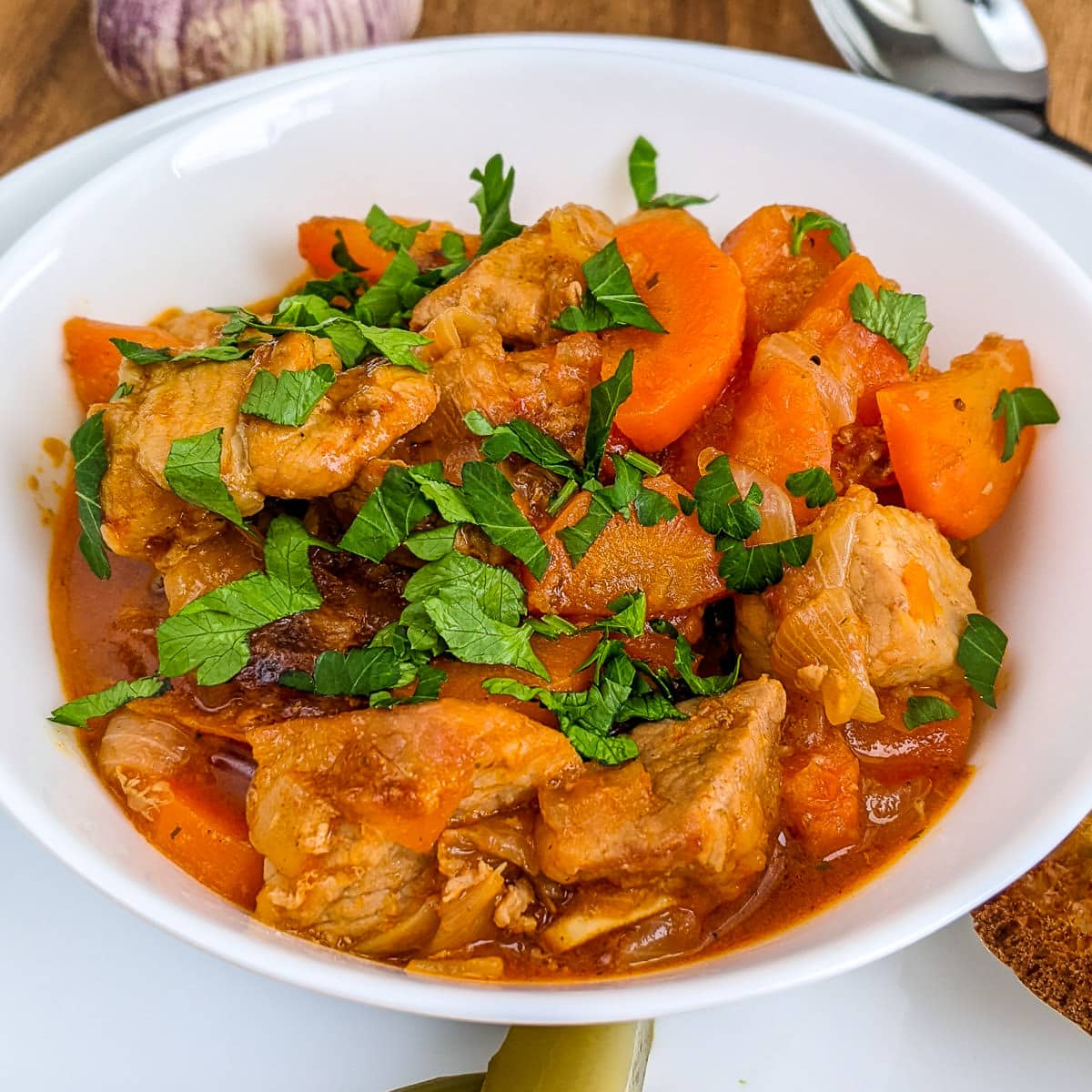
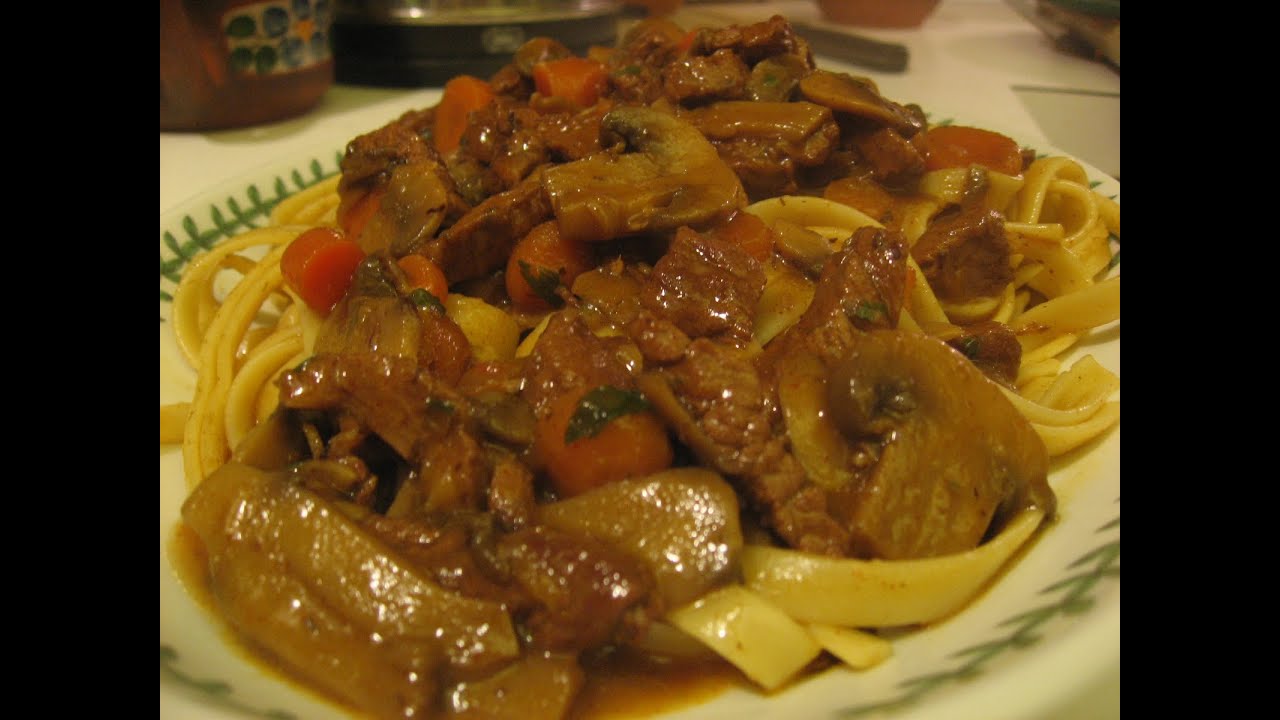
Regional variations of Polish goulash exist, such as the addition of cabbage or sauerkraut in the southern regions of Poland. Creative adaptations include using ground beef instead of cubed beef, adding mushrooms or bell peppers, or incorporating different spices and herbs.
For those with dietary needs, Polish goulash can be adapted by using gluten-free noodles or dumplings, substituting sour cream with dairy-free alternatives, and reducing or omitting the amount of paprika for those sensitive to spice.
Cultural Significance
Polish goulash is a cherished dish in Polish cuisine, deeply rooted in the country’s culinary traditions. It is a staple at family gatherings, festivals, and celebrations.
The dish has played a significant role in Polish history, serving as a source of nourishment during times of hardship. It is also a symbol of Polish hospitality and warmth.
Closing Summary
Our exploration of the recipe for Polish goulash has been a delightful journey through history, culture, and culinary artistry. We’ve uncovered the secrets of its preparation, from the traditional methods to contemporary adaptations, and delved into the cultural significance it holds for the people of Poland.
Whether you’re a seasoned cook or a novice in the kitchen, we encourage you to embark on this culinary adventure and create your own unforgettable version of this Polish masterpiece.