When it comes to cakes, size and servings are key factors to consider. From grand weddings to intimate gatherings, understanding cake sizes and servings ensures you have enough to satisfy your guests without excessive waste. This guide will delve into the intricacies of cake dimensions, serving calculations, and presentation techniques, empowering you to plan and serve your next cake with confidence.
Delving into the realm of cake sizes and servings, we’ll explore how shape, density, frosting, and cutting techniques influence the number of portions you can yield. Whether you’re a seasoned baker or a novice party planner, this comprehensive guide will equip you with the knowledge to navigate the world of cake sizes and servings with ease.
Cake Sizes and Servings

Cakes come in a variety of sizes to accommodate different needs and preferences. The standard sizes of cakes include round, square, and rectangular shapes. The serving size of a cake depends on the size and shape of the cake, as well as the desired portion size.
Here is a table of standard cake sizes with their corresponding serving sizes:
| Cake Size | Serving Size |
|---|---|
| 6-inch round | 8-10 servings |
| 8-inch round | 16-20 servings |
| 10-inch round | 24-30 servings |
| 12-inch round | 32-40 servings |
| 9×13-inch rectangular | 24-30 servings |
| 11×15-inch rectangular | 36-40 servings |
| 13×18-inch rectangular | 48-60 servings |
Factors Affecting Cake Servings
The number of servings per cake can vary depending on several factors, including the size of the slices and the thickness of the cake. The occasion or event can also influence the serving size.
Slice Size
The size of the slices is a major factor in determining the number of servings per cake. Smaller slices will yield more servings than larger slices. The thickness of the cake also affects the number of servings. A thicker cake will yield fewer servings than a thinner cake.
Occasion or Event
The occasion or event can also influence the serving size. For example, a cake served at a wedding will typically be cut into smaller slices than a cake served at a birthday party. This is because wedding cakes are often more elaborate and are meant to be shared by a larger number of people.
Cake Shapes and Servings: Cake Sizes And Servings

The shape of a cake can significantly impact the number of servings it yields. Round and square cakes are the most common shapes, but there are many other shapes that can be used, such as rectangular, oval, and even heart-shaped. The shape of the cake will determine how it is cut, which in turn will affect the number of servings.
Round Cakes
Round cakes are the most popular shape for cakes, and they are also the easiest to cut. To cut a round cake, simply start by cutting a circle in the center of the cake. Then, cut the cake into wedges, starting from the center and working your way out. You can cut the wedges as thin or thick as you like, depending on how many servings you want.
Square Cakes
Square cakes are another popular shape for cakes, and they are also relatively easy to cut. To cut a square cake, simply cut the cake into four equal squares. Then, cut each square into two triangles. You can also cut the squares into smaller pieces, such as rectangles or cubes, if you want more servings.
Rectangular Cakes
Rectangular cakes are a good choice for cakes that need to be cut into a specific size or shape. To cut a rectangular cake, simply cut the cake into the desired size and shape. You can cut the cake into squares, rectangles, or even triangles.
Oval Cakes
Oval cakes are a more unique shape for cakes, but they can be very elegant. To cut an oval cake, simply cut the cake into ovals. You can cut the ovals as thin or thick as you like, depending on how many servings you want.
Heart-Shaped Cakes
Heart-shaped cakes are a popular choice for Valentine’s Day or other romantic occasions. To cut a heart-shaped cake, simply cut the cake into heart shapes. You can cut the hearts as thin or thick as you like, depending on how many servings you want.
Cake Density and Servings

The density of a cake significantly influences the number of servings it yields. Denser cakes, with a higher proportion of ingredients like flour, sugar, and butter, have a smaller volume compared to lighter cakes.
For instance, a dense chocolate cake, packed with cocoa powder and chocolate chips, will typically produce fewer servings than a light sponge cake, which has a more airy and fluffy texture due to whipped egg whites or baking powder.
Frosting and Servings
The amount of frosting on a cake can significantly affect the number of servings. A cake with a generous layer of frosting will yield fewer servings than a cake with a thin layer of frosting. This is because the frosting adds bulk to the cake, making each slice more filling.
Different types of frosting can also influence serving sizes. For example, buttercream frosting is denser than whipped cream frosting, so a cake with buttercream frosting will yield fewer servings than a cake with whipped cream frosting.
Consideration of Frosting Type
When determining the number of servings a cake will yield, it is important to consider the type of frosting used. A cake with a dense frosting, such as buttercream, will yield fewer servings than a cake with a light and airy frosting, such as whipped cream.
Balancing Frosting and Cake
It is also important to consider the ratio of frosting to cake. A cake with too much frosting can be overwhelming, while a cake with too little frosting can be dry. The ideal ratio of frosting to cake will vary depending on personal preference, but a good starting point is to use about 1 cup of frosting for every 9-inch cake layer.
Cake Layers and Servings
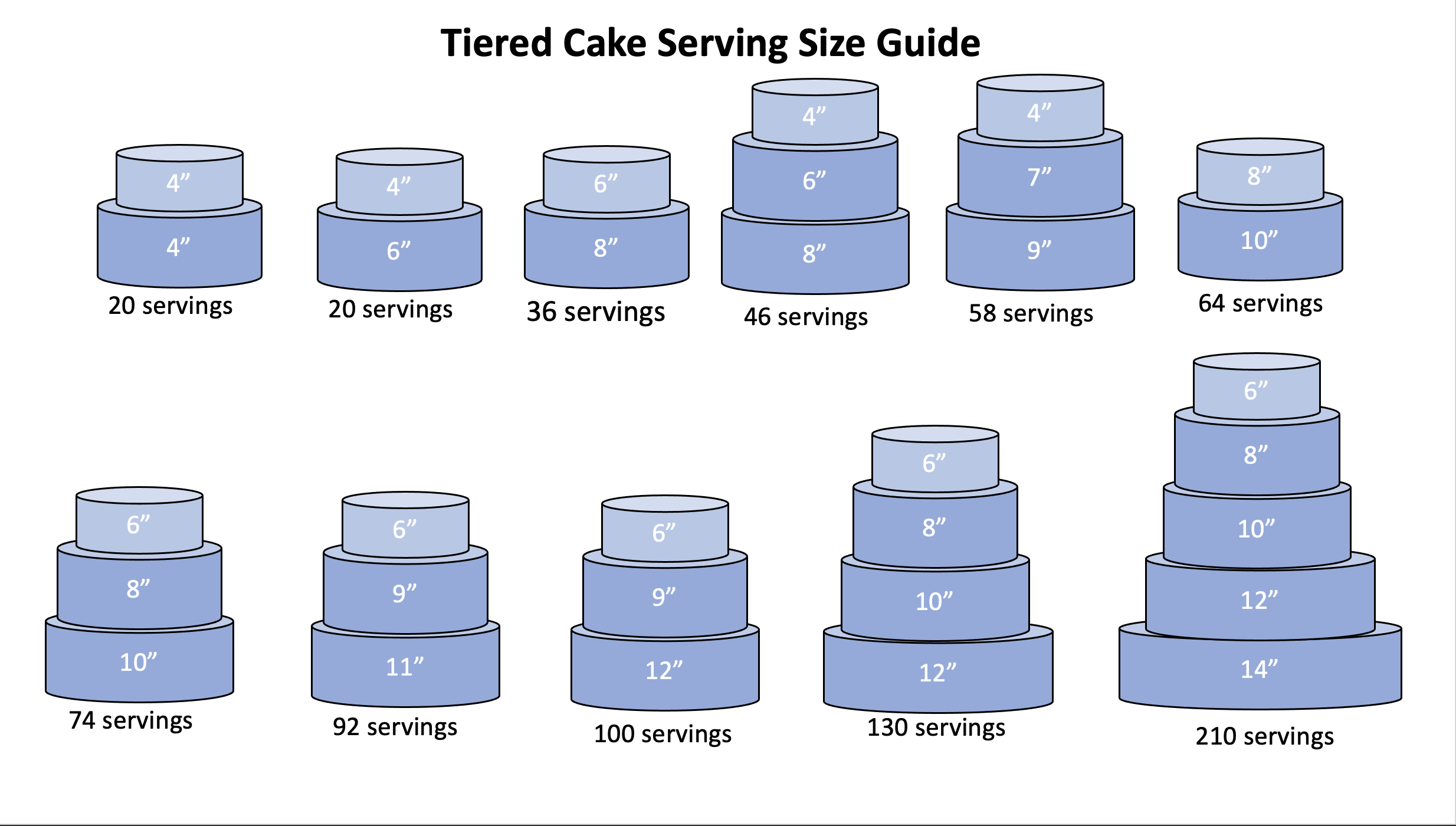
The number of layers in a cake significantly impacts the number of servings it yields. Generally, more layers result in more servings, as each layer adds height and surface area to the cake.
Understand how the union of 40th birthday cake ideas can improve efficiency and productivity.
For example, a single-layer cake typically yields 8-12 servings, while a two-layer cake can yield 12-16 servings. A three-layer cake can yield 16-20 servings, and so on.
Layer Configurations and Serving Sizes
Different layer configurations can also affect serving sizes. For instance, a cake with two equal layers will yield larger servings than a cake with one tall layer and one thin layer.
Further details about birthday cake with name is accessible to provide you additional insights.
Additionally, the thickness of the layers plays a role. Thicker layers will result in larger servings, while thinner layers will yield smaller servings.
Cutting Techniques and Servings
The way you cut a cake can significantly impact the number of servings you get. There are two main techniques for cutting cakes: the wedge method and the square method.
The wedge method is the most common way to cut a cake. To do this, first, cut a small wedge out of the center of the cake. Then, cut slices from the center wedge to the outer edge of the cake. This method yields triangular slices that are relatively easy to serve.
The square method is less common but can be more efficient if you need to get as many servings as possible from a cake. To do this, first, cut the cake in half lengthwise. Then, cut each half into equal-sized squares. This method yields square slices that are more compact than triangular slices.
The size and shape of the slices you cut can also affect the number of servings you get. Smaller slices will yield more servings than larger slices. Similarly, square slices will yield more servings than triangular slices.
Tips for Cutting Cakes to Maximize Servings
- Use a sharp knife to make clean cuts.
- Cut the cake into even-sized slices.
- If you are cutting a round cake, start by cutting a small wedge out of the center.
- If you are cutting a square or rectangular cake, cut the cake in half lengthwise, then cut each half into equal-sized squares.
- If you need to get as many servings as possible from a cake, cut the cake into small, square slices.
Serving Suggestions
When it comes to serving cakes, there are a few things you can do to maximize the number of servings you get. First, consider the size of your cake. A smaller cake will yield fewer servings than a larger cake. If you’re serving a large group, you may want to consider ordering a larger cake or cutting the cake into smaller pieces.
Another way to maximize the number of servings is to use different presentation techniques. For example, you can cut the cake into different shapes, such as squares, triangles, or wedges. You can also stack the cake layers on top of each other to create a taller cake that will yield more servings.
Finally, you can also use different servingware options to maximize the number of servings. For example, you can use a cake stand to elevate the cake and make it more visually appealing. You can also use a cake slicer to cut the cake into even pieces.
Cake Size Calculator
:max_bytes(150000):strip_icc()/southern-living-TexasSheetCakewithFudgeIcing-TK-0040_preview-f5168f6f6a9d4e4e81f89201c55666f9.jpg "Cake Sizes And Servings 4")
A cake size calculator is a useful tool that allows you to estimate the number of servings you can get from a given cake size. This can be helpful when planning a party or event, as it ensures you have enough cake to feed your guests without having too much leftover.
There are a few different ways to use a cake size calculator. One common method is to enter the dimensions of your cake (length, width, and height) and the desired serving size. The calculator will then estimate the number of servings you can get from the cake.
Another way to use a cake size calculator is to enter the number of guests you will be serving and the desired serving size. The calculator will then estimate the size of cake you need to purchase.
Cake size calculators are a helpful tool for planning parties and events. They can help you ensure you have enough cake to feed your guests without having too much leftover.
Online Cake Size Calculator
There are many different online cake size calculators available. Some popular options include:
- The Wilton Cake Size Calculator
- The King Arthur Flour Cake Size Calculator
- The Betty Crocker Cake Size Calculator
These calculators are all easy to use and provide accurate estimates of the number of servings you can get from a given cake size.
Example
Let’s say you are planning a party for 50 guests and you want to serve each guest a slice of cake that is 2 inches wide by 4 inches long. You can use a cake size calculator to estimate the size of cake you need to purchase.
Using the Wilton Cake Size Calculator, you would enter the following information:
- Number of guests: 50
- Serving size: 2 inches wide by 4 inches long
The calculator would then estimate that you need to purchase a cake that is 12 inches wide by 18 inches long.
This is just one example of how to use a cake size calculator. These calculators can be a helpful tool for planning any party or event where you will be serving cake.
Cake Serving Etiquette
Cake serving etiquette is essential for ensuring a smooth and enjoyable dessert experience at any occasion. Understanding the proper techniques and protocols can help you serve cakes elegantly and efficiently.
When serving cakes, it’s crucial to consider the size and shape of the cake, the number of guests, and the occasion. The goal is to cut and distribute equal portions while minimizing waste.
Cutting and Serving Techniques, Cake sizes and servings
- Slice the cake evenly: Use a sharp knife to make clean, even slices. Start by cutting from the center of the cake towards the edge, ensuring each slice is approximately the same size.
- Serve on individual plates: Place each slice of cake on an individual plate to prevent crumbs and frosting from getting on other surfaces.
- Use a serving spatula: A serving spatula helps lift and transfer cake slices neatly onto plates. Avoid using forks or spoons, as they can tear the cake.