Funnel cake vs elephant ear – Step into the sweet and crispy world of funnel cakes and elephant ears, where the battle for carnival supremacy rages on. From their doughy origins to their delectable toppings, these iconic treats offer a tantalizing journey that will satisfy your cravings and ignite your curiosity.
As we dive into the heart of this culinary showdown, we’ll explore the distinct characteristics, cooking methods, and cultural significance that set these two carnival favorites apart.
Comparison of Dough Characteristics
Funnel cakes and elephant ears, both beloved fairground treats, share a common dough-based foundation, yet they exhibit distinct characteristics that set them apart. This divergence stems from the unique properties of the doughs employed in their preparation.
Dough Ingredients and Composition
- Funnel Cakes: Crafted from a batter-like dough, funnel cakes are characterized by their airy and crispy texture. The batter is typically composed of flour, sugar, milk, eggs, and baking powder. The inclusion of baking powder creates pockets of air within the batter, resulting in a light and fluffy texture.
- Elephant Ears: In contrast, elephant ears boast a dough that is more akin to bread. Made with a combination of flour, water, yeast, sugar, and salt, this dough is kneaded and allowed to rise, developing a chewy and slightly dense texture. The addition of yeast facilitates the fermentation process, imparting a subtle tang to the dough.
Thickness and Texture
- Funnel Cakes: The batter-based dough of funnel cakes is poured into hot oil through a funnel, creating thin and delicate strands that intertwine and crisp up. This results in a pastry that is airy and shatteringly crisp, with a texture that melts in the mouth.
- Elephant Ears: Elephant ears, on the other hand, are rolled out into a flat sheet and then deep-fried. The thicker dough produces a pastry that is chewy and slightly crispy on the exterior, with a soft and fluffy interior. This combination of textures provides a satisfying contrast in each bite.
Impact on Final Product
- Funnel Cakes: The airy and crispy texture of funnel cakes makes them an ideal treat for those seeking a light and ephemeral dessert. Their delicate nature complements sweet toppings such as powdered sugar, fruit compote, or ice cream.
- Elephant Ears: The chewy and dense texture of elephant ears provides a more substantial eating experience. They are often served with hearty toppings such as cinnamon and sugar, powdered sugar, or even savory fillings like cheese or meat.
Cooking Methods and Equipment
Funnel cakes and elephant ears, while similar in appearance, are prepared using distinct cooking methods that require specialized equipment.
Funnel Cakes
- Frying: Funnel cake batter is poured into a funnel with a crimped edge and released in a circular motion over hot oil. This creates the characteristic ridges and crispy exterior.
Equipment: A deep fryer is essential for frying funnel cakes, as it maintains a consistent temperature for even cooking.
Elephant Ears
- Griddling: Elephant ear dough is rolled out into a thin sheet and cooked on a hot griddle or flat-top grill. This method yields a soft and chewy texture.
- Frying: Elephant ears can also be fried, resulting in a crispier texture similar to funnel cakes.
Equipment: A griddle or flat-top grill is required for griddling elephant ears, while a deep fryer is used for frying.
Advantages and Disadvantages
Frying:
- Advantages: Creates a crispy exterior, enhances flavor through Maillard reaction.
- Disadvantages: Can be greasy, requires more oil, and may not be as chewy.
Griddling:
Further details about wedding cake pool steps is accessible to provide you additional insights.
- Advantages: Results in a soft and chewy texture, less greasy.
- Disadvantages: May not develop as much flavor, requires precise temperature control.
Shape and Presentation
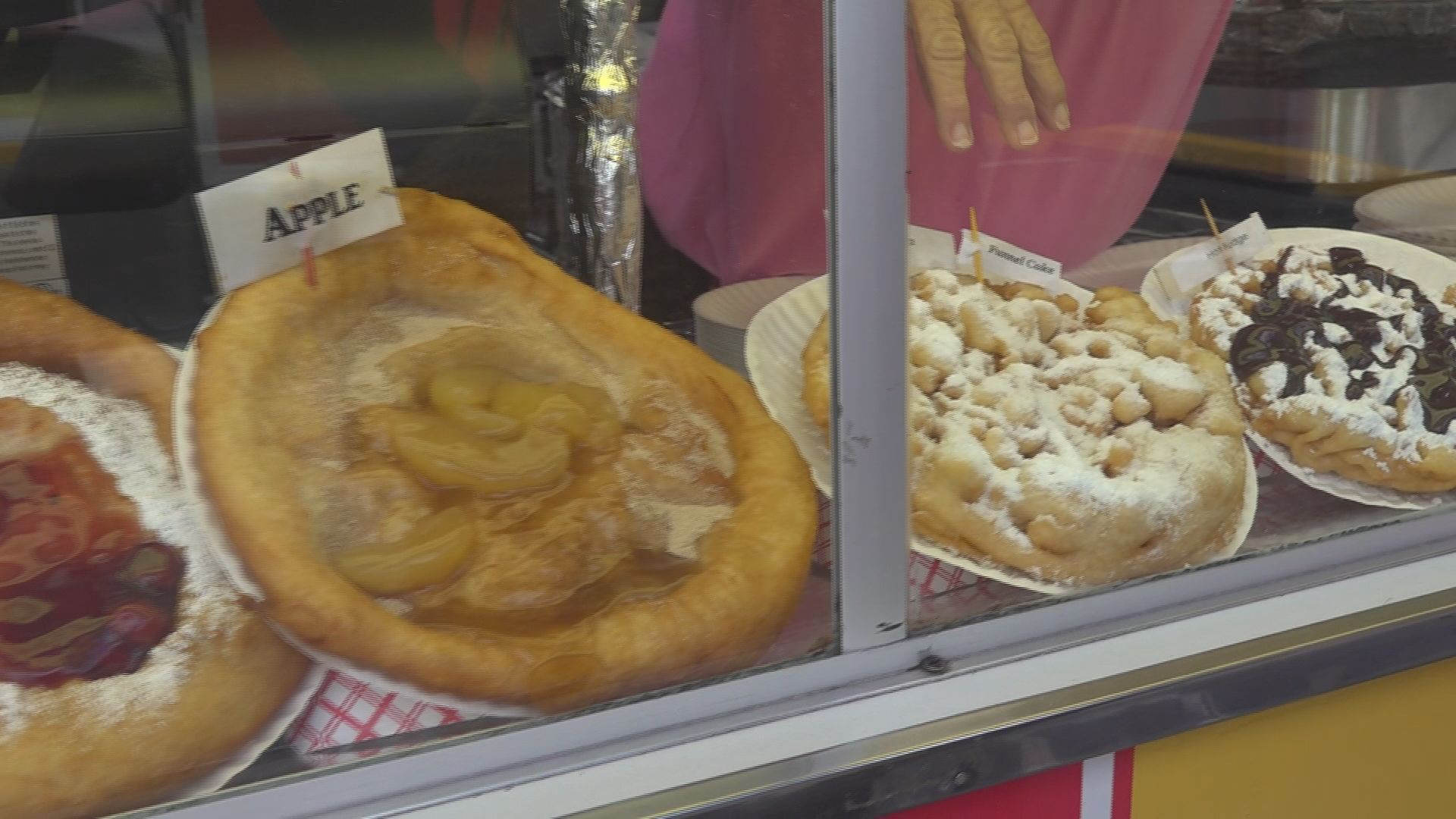
Funnel cakes and elephant ears share a similar dough base but differ significantly in their shape and presentation. Funnel cakes are typically made by pouring batter through a funnel into hot oil, creating a crispy, lace-like pattern. They are usually served in a round or oval shape, with a dusting of powdered sugar or cinnamon. Elephant ears, on the other hand, are made by rolling out the dough into a thin sheet and then frying it. They are typically rectangular or square in shape, with a slightly chewy texture and a crispy exterior.
Traditional Variations
Traditional funnel cakes are round or oval, with a lacy pattern created by the batter poured through a funnel. Elephant ears are traditionally rectangular or square, with a slightly chewy texture and a crispy exterior.
Creative Variations
In recent years, there have been many creative variations on the shape and presentation of both funnel cakes and elephant ears. Funnel cakes can be made into different shapes, such as hearts, stars, or even animals. They can also be topped with a variety of fruits, sauces, and whipped cream. Elephant ears can be made into different shapes, such as triangles, circles, or even flowers. They can also be filled with different fillings, such as fruit, cheese, or meat.
Impact on Eating Experience
The shape and presentation of funnel cakes and elephant ears affect the eating experience in several ways. The lacy pattern of funnel cakes makes them easy to eat, as they can be broken into smaller pieces. The chewy texture of elephant ears makes them more filling, as they take longer to eat. The different shapes and toppings of both funnel cakes and elephant ears can make them more visually appealing and enjoyable to eat.
Toppings and Accompaniments
Funnel cakes and elephant ears offer a diverse range of toppings and accompaniments that enhance their flavor and texture. These toppings not only add sweetness and richness but also provide a variety of textures and visual appeal.
Common Toppings
The most common toppings for funnel cakes and elephant ears include:
- Powdered sugar: A classic topping that adds a sweet and delicate crunch.
- Cinnamon sugar: A fragrant and flavorful combination that adds warmth and spice.
- Fruit: Fresh or frozen fruit, such as strawberries, blueberries, and bananas, provides a refreshing and juicy contrast to the fried dough.
- Whipped cream: A light and fluffy topping that adds a creamy sweetness.
- Ice cream: A decadent and indulgent topping that adds a cold and creamy contrast to the warm pastry.
Regional Variations, Funnel cake vs elephant ear
In addition to these common toppings, there are also regional variations that reflect the diverse culinary traditions of different cultures.
- Pennsylvania Dutch funnel cakes: Often topped with molasses or maple syrup.
- New Orleans beignets: Served with a dusting of powdered sugar and sometimes accompanied by café au lait.
- Mexican churros: Typically served with a chocolate dipping sauce.
- Indian jalebis: Topped with a saffron-infused sugar syrup.
These toppings not only enhance the flavor and texture of funnel cakes and elephant ears but also add cultural significance and regional flair to these beloved pastries.
Origin and History
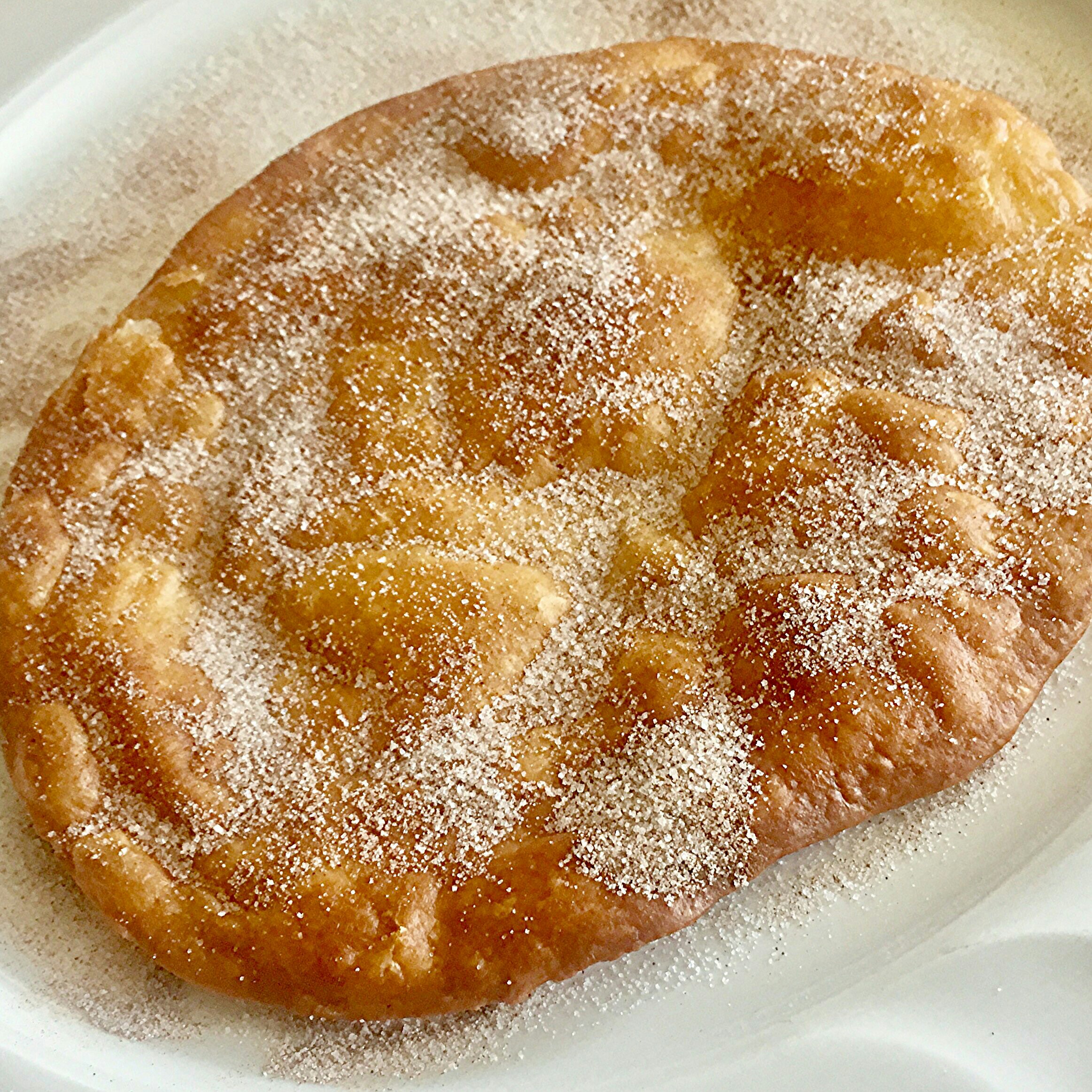
Funnel cakes and elephant ears share a rich history that spans across different cultures and time periods.
Funnel cakes originated in Europe during the Middle Ages, where they were known as “crullers” or “funnels”. These pastries were made from a simple batter that was poured through a funnel into hot oil, creating a crispy and airy treat. Over time, funnel cakes became popular in the United States, where they were often sold at fairs and carnivals.
Elephant Ears
Elephant ears, on the other hand, are believed to have originated in the United States in the late 19th century. The first recorded instance of an elephant ear being sold as a street food was at the World’s Fair in Chicago in 1893. These pastries were made from a dough that was rolled out into a thin sheet and then fried. The name “elephant ear” comes from the shape of the pastry, which resembles the large ears of an elephant.
Nutritional Value and Health Considerations
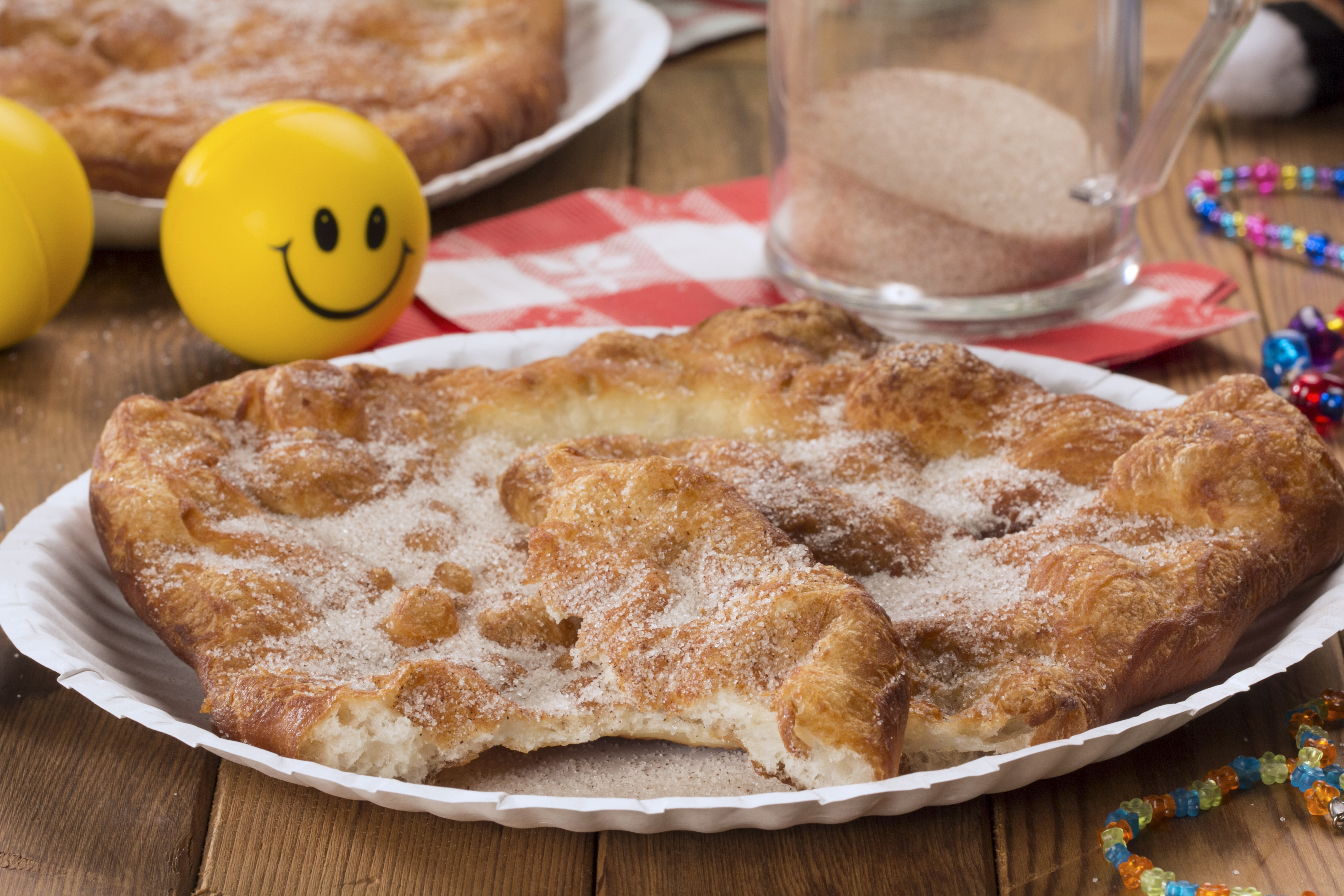
Funnel cakes and elephant ears are both high-calorie treats, but they differ in their nutritional content. Funnel cakes are typically made with a batter that contains flour, sugar, milk, and eggs, while elephant ears are made with a dough that contains flour, sugar, yeast, and water. As a result, funnel cakes are higher in calories, fat, and sugar than elephant ears.
Calorie Content
- Funnel cake: 250-350 calories per serving
- Elephant ear: 150-250 calories per serving
Fat Content
- Funnel cake: 10-15 grams of fat per serving
- Elephant ear: 5-10 grams of fat per serving
Sugar Content
- Funnel cake: 20-25 grams of sugar per serving
- Elephant ear: 10-15 grams of sugar per serving
Other Nutritional Factors
- Funnel cakes are also higher in sodium than elephant ears.
- Elephant ears are a good source of fiber.
- Both funnel cakes and elephant ears are low in protein.
Recommendations for Healthier Variations or Consumption Guidelines
- To make healthier funnel cakes or elephant ears, use whole-wheat flour instead of white flour.
- Reduce the amount of sugar in the batter or dough.
- Bake funnel cakes or elephant ears instead of frying them.
- Limit your intake of funnel cakes and elephant ears to occasional treats.
Regional Variations
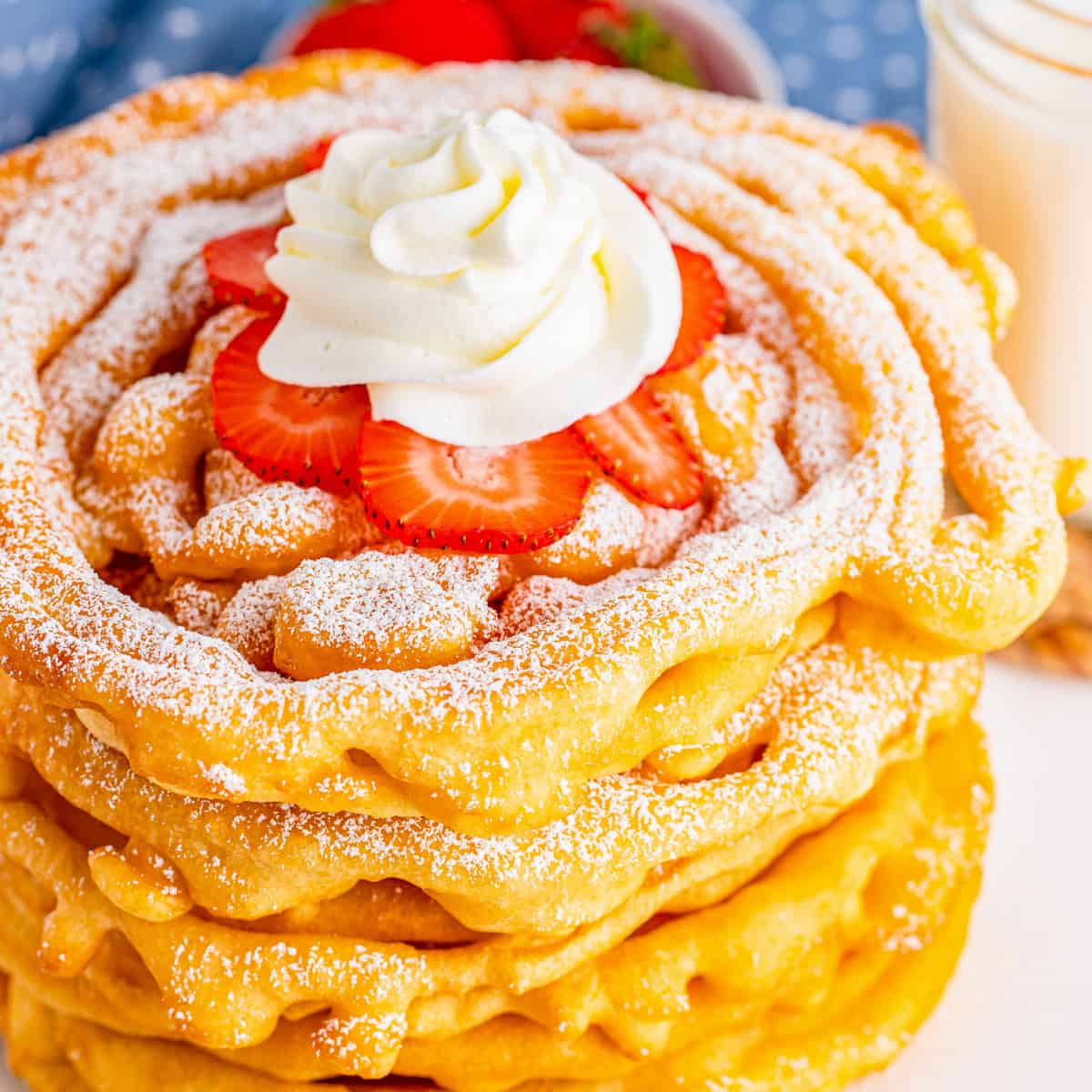
Funnel cakes and elephant ears have gained widespread popularity, leading to regional variations that reflect local tastes and ingredients.
In the Midwestern United States, funnel cakes are often served with a generous dusting of powdered sugar, while in the Northeastern United States, they may be topped with fruit compote or whipped cream. In the Southern United States, funnel cakes are sometimes drizzled with honey or molasses, giving them a unique sweet and sticky flavor.
Do not overlook the opportunity to discover more about the subject of 1/2 sheet cake.
Elephant Ear Variations
Elephant ears also exhibit regional variations. In Texas, they are known as “fried pies” and are often filled with fruit or savory ingredients like cheese and beans. In New Orleans, elephant ears are called “beignets” and are typically served with a dusting of powdered sugar or drizzled with chocolate sauce.
Marketing and Packaging
Funnel cakes and elephant ears are marketed and packaged to appeal to different target audiences. Funnel cakes are often positioned as a nostalgic and indulgent treat, while elephant ears are presented as a more substantial and savory option.
Funnel cakes are typically sold at fairs, carnivals, and other events. They are often packaged in individual serving sizes, wrapped in paper or plastic. The packaging often features bright colors and eye-catching graphics to attract attention. Some vendors also offer funnel cakes in larger sizes, which are often served in a box or on a plate.
Elephant ears are typically sold at restaurants and bakeries. They are often packaged in individual serving sizes, wrapped in paper or plastic. The packaging often features a more subdued design, with a focus on the product’s name and ingredients. Some vendors also offer elephant ears in larger sizes, which are often served on a plate or in a basket.
Marketing Campaigns
Funnel cakes and elephant ears have been featured in a variety of marketing campaigns. Some of the most successful campaigns have focused on the products’ unique flavors and textures. For example, one funnel cake vendor created a marketing campaign that featured the product’s “fluffy” and “decadent” texture. The campaign was successful in increasing sales and generating buzz on social media.
Elephant ears have also been featured in a variety of marketing campaigns. One of the most successful campaigns focused on the product’s “savory” and “filling” flavor. The campaign was successful in increasing sales and generating buzz on social media.
Business Models
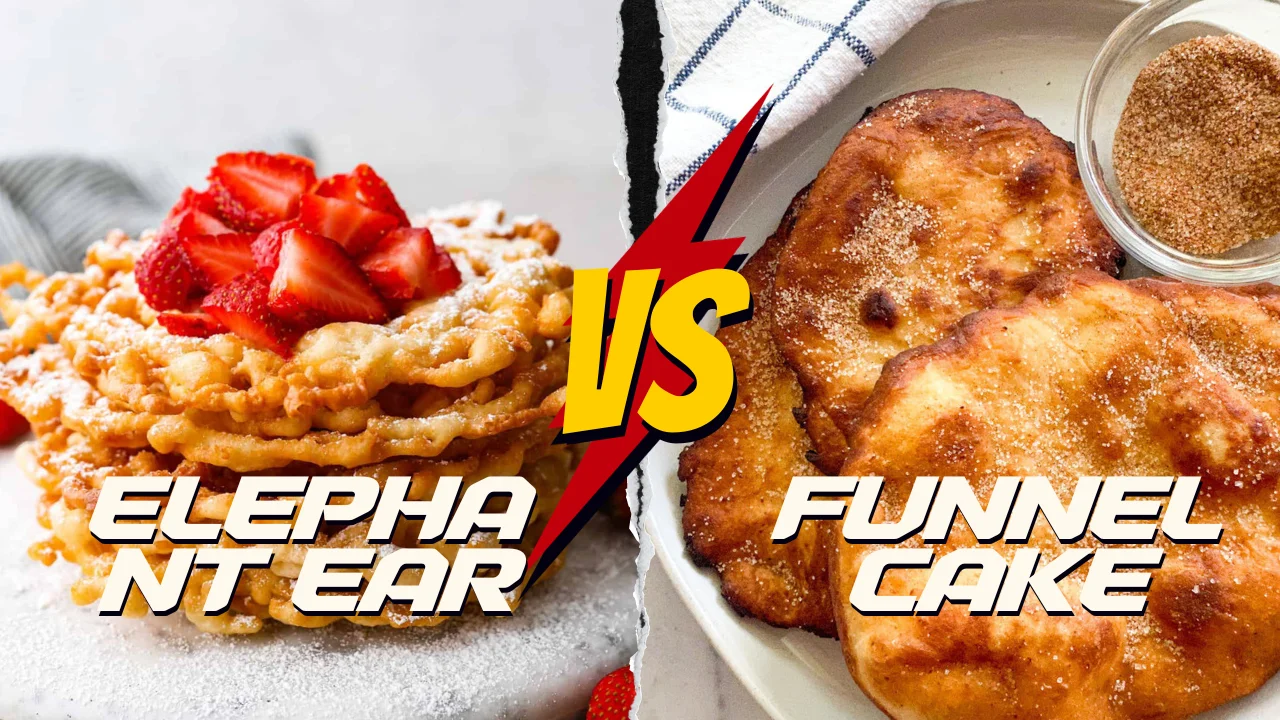
Funnel cakes and elephant ears are typically sold through various business models, each with its advantages and disadvantages.
Food trucks offer mobility and flexibility, allowing vendors to reach different locations and cater to events. They are relatively low-cost to operate compared to traditional restaurants, but may have limited space and storage capacity.
Kiosks
Kiosks are small, often temporary structures located in high-traffic areas such as malls, amusement parks, and festivals. They provide a convenient and accessible option for customers, but may have limited seating and menu options.
Restaurants
Restaurants offer a more traditional dining experience, with dedicated seating, a wider menu selection, and often higher prices. They provide a stable location but require significant investment and ongoing operating costs.
The success of these businesses depends on factors such as location, target audience, menu variety, and customer service. Food trucks and kiosks rely on high visibility and foot traffic, while restaurants benefit from a loyal customer base and a more controlled environment.
Cultural Impact: Funnel Cake Vs Elephant Ear
Funnel cakes and elephant ears have become iconic symbols of festivals, fairs, and community gatherings. These pastries evoke nostalgia and joy, creating a sense of shared experience and community. They are often associated with childhood memories, family outings, and the excitement of special occasions.
Popular Culture and Cultural Events
Funnel cakes and elephant ears have been featured prominently in popular culture, including movies, TV shows, and music. They have been depicted as treats enjoyed by characters in movies such as “The Goonies” and “Stand By Me.” Elephant ears have also been featured in popular TV shows like “The Simpsons” and “Seinfeld.” Additionally, these pastries are often served at cultural events such as the Chinese New Year, Oktoberfest, and the State Fair of Texas, where they have become symbols of celebration and community.
Future Trends and Innovations
The world of funnel cakes and elephant ears is constantly evolving, with new trends and innovations emerging all the time. These changes are being driven by a number of factors, including new technologies, changing consumer preferences, and the growing popularity of these pastries around the world.
One of the most significant trends in the funnel cake and elephant ear industry is the use of new technologies. These technologies are being used to create new and innovative flavors, as well as to improve the production process. For example, some companies are now using 3D printers to create custom-shaped funnel cakes and elephant ears. Others are using new frying techniques to create pastries that are lighter and crispier than ever before.
Another major trend is the changing consumer preferences. Consumers are increasingly looking for healthier and more flavorful options. This has led to the development of new funnel cake and elephant ear recipes that are made with whole grains, fruits, and vegetables. These healthier options are still delicious, but they are also better for you.
Finally, the growing popularity of funnel cakes and elephant ears around the world is also driving innovation. These pastries are now being enjoyed in countries all over the globe, and each country is putting its own unique spin on them. For example, in Mexico, funnel cakes are often filled with fruit or ice cream. In Thailand, they are often served with a sweet and sour dipping sauce.
Potential Opportunities for Innovation and Growth
There are a number of potential opportunities for innovation and growth in the funnel cake and elephant ear industry. One area of opportunity is the development of new flavors. There are endless possibilities when it comes to creating new flavor combinations, and companies are constantly experimenting with new ingredients. Another area of opportunity is the development of new products. For example, some companies are now making funnel cake and elephant ear ice cream sandwiches. These products are a delicious and unique way to enjoy these classic pastries.
The funnel cake and elephant ear industry is a dynamic and growing industry. There are a number of trends and innovations that are shaping the future of these pastries. Companies that are able to adapt to these changes will be well-positioned for success.