Welcome to the world of peach cobbler, where simplicity meets indulgence! Our cake mix peach cobbler recipe is the perfect blend of convenience and homemade goodness. Join us as we explore the steps, tips, and variations that will elevate your cobbler game to the next level.
Using cake mix as the base creates a tender and flavorful crust that complements the juicy peaches. We’ll guide you through choosing the ideal cake mix flavors, preparing the batter, and creating a delectable filling that bursts with peachy goodness.
Cake Mix Peach Cobbler Base
Using a cake mix as the base for a peach cobbler offers several advantages. Firstly, it simplifies the preparation process by eliminating the need to measure and combine individual ingredients for a traditional cobbler crust. Secondly, cake mixes are formulated to create a tender and flavorful base that complements the sweetness of the peaches.
Cake Mix Flavors
Various cake mix flavors can be paired with peaches to create unique and delectable cobblers. Some popular choices include:
– Yellow cake mix: A classic option that provides a neutral base for the peach flavor to shine through.
– Vanilla cake mix: Similar to yellow cake mix, vanilla adds a subtle sweetness and allows the peach flavor to take center stage.
– Spice cake mix: Adds a warm and aromatic dimension to the cobbler, complementing the natural sweetness of peaches.
– Funfetti cake mix: Introduces a playful touch with its colorful sprinkles, creating a visually appealing and festive dessert.
Preparing the Batter
Preparing the cake mix batter for the cobbler base is straightforward:
– In a large bowl, combine the cake mix, water, and oil (as specified on the cake mix package).
– Stir until the ingredients are well blended and a smooth batter forms.
– Pour the batter into a greased 9×13 inch baking dish.
– Spread the batter evenly and set aside.
Peach Preparation
The quality of your peaches greatly impacts the overall flavor and texture of your cobbler. Choose ripe, firm peaches with vibrant skin and a sweet aroma. Avoid peaches that are bruised or have soft spots.
To peel the peaches, bring a large pot of water to a boil. Carefully place the peaches in the boiling water for 30-60 seconds, or until the skin starts to loosen. Remove the peaches from the boiling water and immediately transfer them to a bowl of ice water to stop the cooking process. Once the peaches are cool enough to handle, use a sharp knife to peel off the skin. You can also use a paring knife to slice the peaches into thin wedges.
Preserving Freshness and Flavor
To preserve the freshness and flavor of your peaches, store them in the refrigerator for up to 3 days. You can also freeze the peaches for up to 6 months. To freeze the peaches, simply slice them into wedges and place them in a freezer-safe container. When you’re ready to use the peaches, thaw them overnight in the refrigerator or at room temperature for several hours.
Cobbler Filling
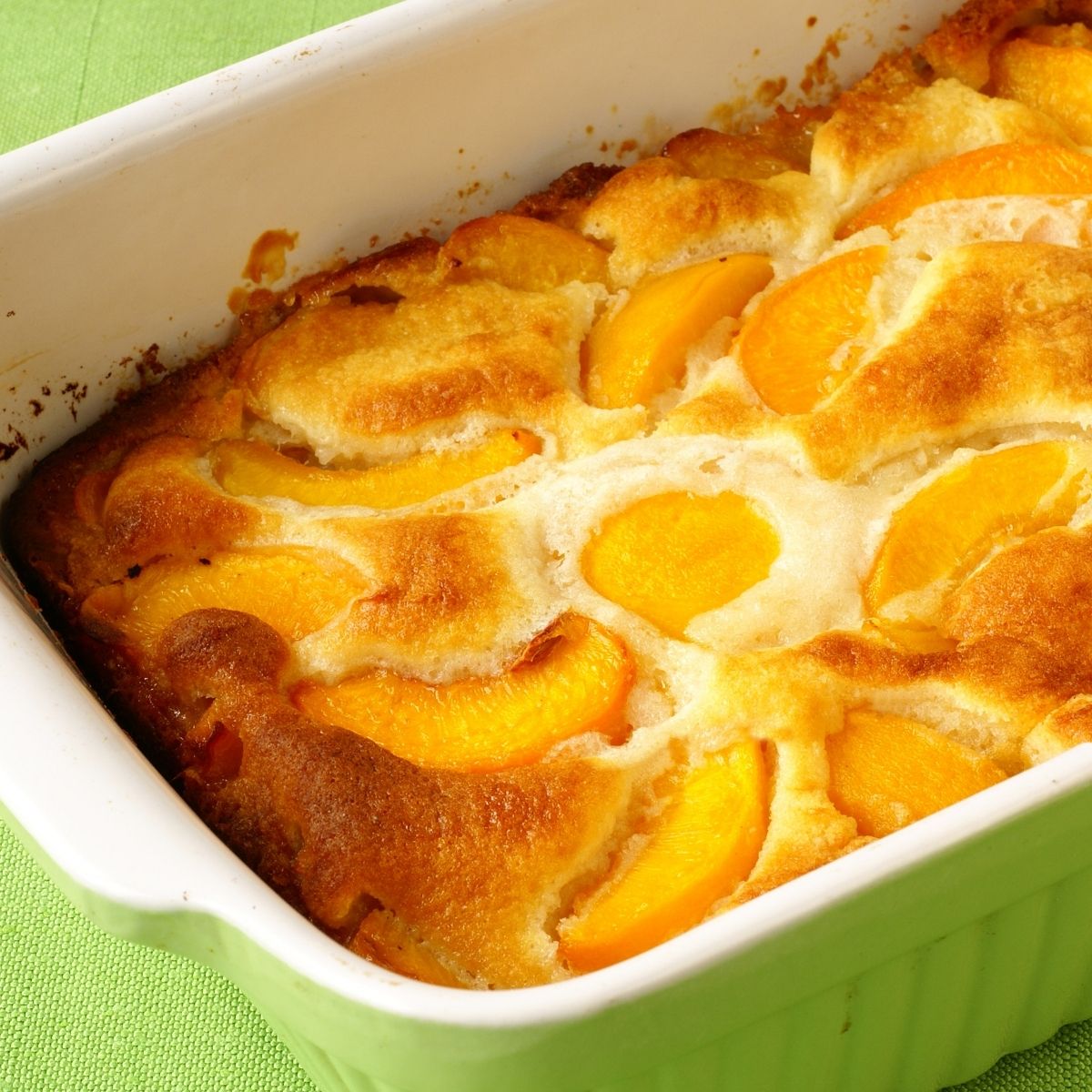
The ratio of peaches to cake mix batter for the filling is typically 1:1. This means that for every cup of peaches, you will use one cup of cake mix batter. However, you can adjust this ratio to your liking. If you want a more peachy cobbler, you can use more peaches and less cake mix batter. If you want a more cakey cobbler, you can use more cake mix batter and less peaches.
In addition to peaches and cake mix batter, you can also add other ingredients to the filling to enhance the flavor. Some popular additions include:
- Spices, such as cinnamon, nutmeg, or ginger
- Extracts, such as vanilla or almond extract
- Sugars, such as brown sugar or granulated sugar
To combine the peaches and cake mix batter, simply stir them together until they are well combined. You do not want to overmix the batter, as this will make the cobbler tough.
Cobbler Topping: Cake Mix Peach Cobbler Recipe
The traditional topping for a peach cobbler is a simple combination of flour, sugar, and butter. This topping is rolled out and placed over the peaches before baking, creating a golden brown crust that is both crispy and flaky.
There are many variations on the classic cobbler topping. Some recipes call for using a biscuit mix or a pie crust mix instead of flour. Others add spices like cinnamon or nutmeg to the topping for extra flavor. You can also get creative with the shape of the topping, cutting it into strips or squares or even using cookie cutters to create fun shapes.
Using Different Types of Crust
If you want a more substantial topping, you can use a pre-made pie crust or a biscuit dough. Simply roll out the dough and place it over the peaches before baking. You can also use a combination of crusts, such as a layer of pie crust on the bottom and a layer of biscuit dough on the top.
Using Streusel
Streusel is a crumbly topping made from flour, sugar, and butter. It is often used on coffee cakes and muffins, but it can also be used on cobblers. To make streusel, simply combine the ingredients in a bowl and mix until the mixture resembles coarse crumbs. Sprinkle the streusel over the peaches before baking.
Preparing and Applying the Topping
No matter what type of topping you choose, it is important to prepare it properly. If the topping is too thick, it will not cook through and will be doughy. If the topping is too thin, it will not provide enough structure and will fall apart. The ideal consistency for a cobbler topping is somewhere in between.
To apply the topping, simply roll it out or sprinkle it over the peaches. If you are using a pre-made crust, you may need to trim the edges to fit the pan. Once the topping is in place, bake the cobbler according to the recipe instructions.
Baking s
To ensure the perfect texture and doneness of your peach cobbler, it’s crucial to follow the recommended baking temperature and time. Preheat your oven to 375 degrees Fahrenheit (190 degrees Celsius) before placing the cobbler inside.
The baking time typically ranges from 40 to 50 minutes, depending on the size of your baking dish and the amount of filling. To determine if the cobbler is done, insert a toothpick or skewer into the center of the filling. If it comes out clean or with just a few moist crumbs attached, the cobbler is ready.
You also can understand valuable knowledge by exploring rainbow cake with unicorn.
Storing
Once baked, the cobbler can be stored at room temperature for up to 2 days. For longer storage, refrigerate it for up to 5 days. When ready to serve, reheat the cobbler in a preheated oven at 350 degrees Fahrenheit (175 degrees Celsius) for about 15-20 minutes, or until warmed through.
In this topic, you find that olive oil pumpkin cake is very useful.
Serving
Serve the peach cobbler warm with a scoop of vanilla ice cream, whipped cream, or a drizzle of honey. The warm, gooey filling paired with the crispy topping and cold accompaniments creates a delightful dessert experience.
Flavor Enhancements
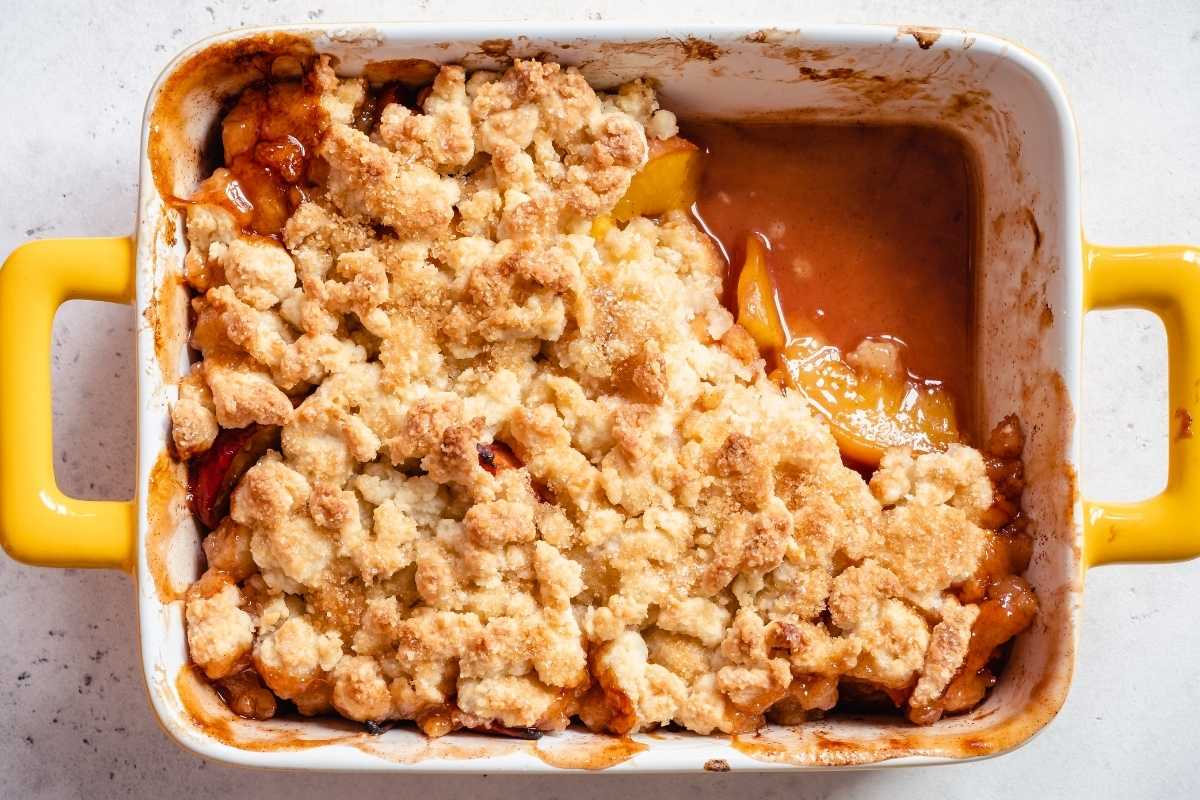
The basic cake mix peach cobbler recipe provides a delicious and comforting dessert, but there are several ways to enhance the flavor and make it even more special.
One simple way to add flavor is to incorporate spices. Cinnamon and nutmeg are classic choices that pair well with peaches. You can also try adding a touch of vanilla extract or almond extract for a more complex flavor profile.
Fresh Herbs
Fresh herbs can also be used to enhance the flavor of peach cobbler. Mint, basil, and thyme are all good choices. Simply add a few leaves to the cobbler filling before baking.
Fresh Fruit
Adding other fresh fruit to the cobbler can also create a more flavorful dessert. Berries, such as blueberries or raspberries, are a good choice. You can also try adding sliced apples or pears.
Presentation
Presentation is key when it comes to any dish, and cobbler is no exception. A visually appealing cobbler will entice your guests and make them eager to dig in. There are a few things you can do to create a stunning cobbler:
First, make sure your cobbler is golden brown and bubbling hot. This will give it a delicious and inviting appearance. You can also add a few extra touches, such as a sprinkle of cinnamon or a dollop of whipped cream, to make it even more appealing.
Garnishes and Toppings
Garnishes and toppings can also help to enhance the appearance of your cobbler. Some popular garnishes include fresh fruit, such as peaches, strawberries, or blueberries. You can also add a dollop of whipped cream or a scoop of ice cream. If you’re feeling creative, you can even create a decorative design on top of your cobbler using a piping bag filled with whipped cream or frosting.
Plating and Serving
The way you plate and serve your cobbler can also affect its presentation. For a more formal occasion, you can serve your cobbler in individual ramekins. For a more casual gathering, you can serve it in a large bowl or baking dish. No matter how you choose to serve it, make sure to do so with a smile and enjoy the compliments that are sure to come your way.
Variations
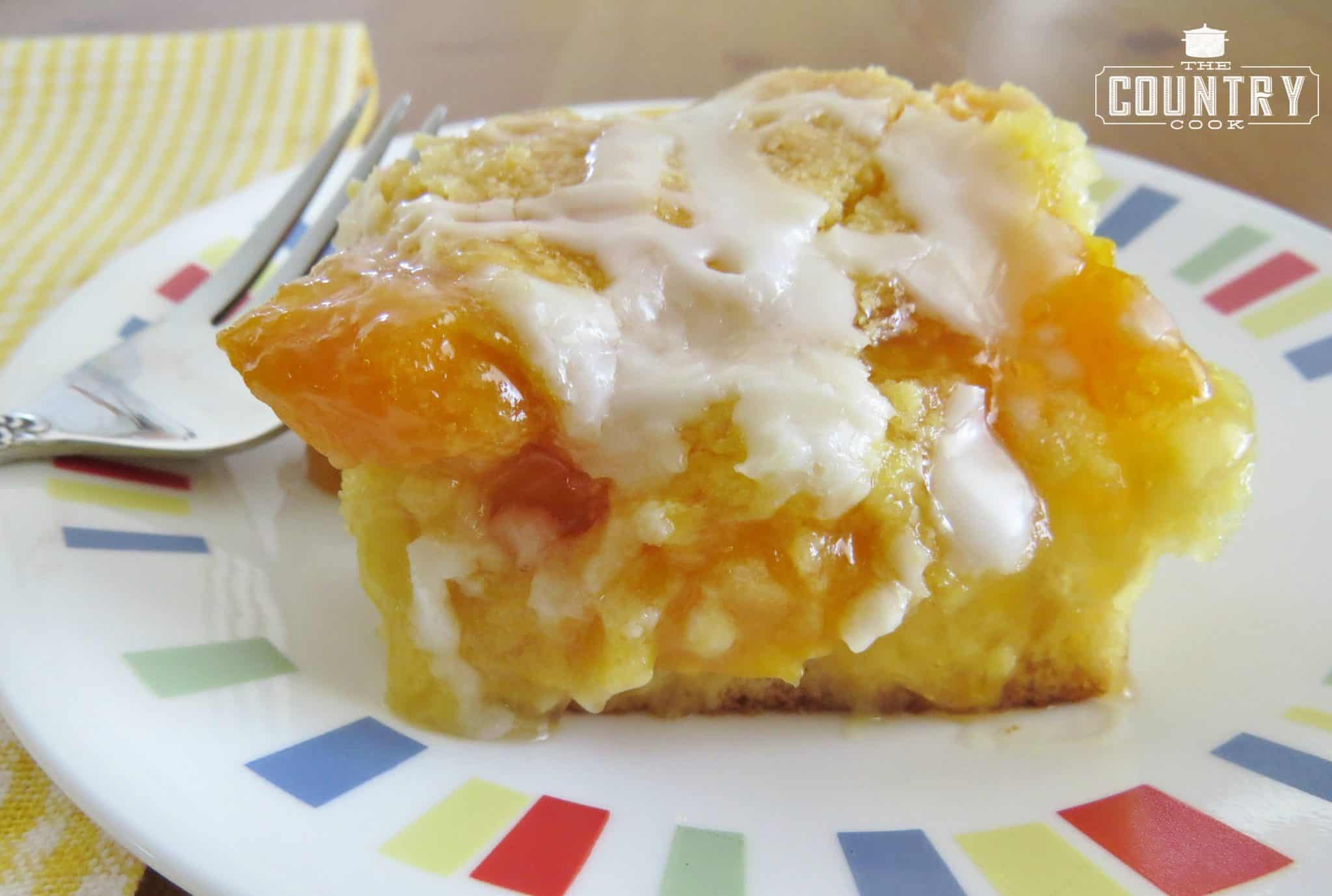
The classic peach cobbler is a delicious and versatile dessert that can be easily customized to suit your tastes. Here are a few variations on the classic recipe:
Different Fruits
You can use any type of fruit in your cobbler, not just peaches. Some popular choices include:
- Berries (such as blueberries, raspberries, or strawberries)
- Apples
- Pears
- Cherries
- Apricots
Different Flavors
You can also add different flavors to your cobbler by using different spices or extracts. Some popular choices include:
- Cinnamon
- Nutmeg
- Ginger
- Vanilla extract
- Almond extract
Gluten-Free and Vegan Cobbler, Cake mix peach cobbler recipe
If you have dietary restrictions, you can easily make a gluten-free or vegan version of peach cobbler. Here are a few tips:
- For a gluten-free cobbler, use a gluten-free flour blend in the topping.
- For a vegan cobbler, use plant-based milk and butter in the topping.
Troubleshooting
Making peach cobbler is generally a straightforward process, but occasional problems can arise. Identifying the causes and implementing solutions can help ensure a successful outcome.
Common Problems and Solutions
- The cobbler is too runny. This can be caused by using too much liquid or not cooking the filling long enough. To prevent this, measure the liquids carefully and simmer the filling until it has thickened.
- The cobbler is too dry. This can be caused by using too little liquid or overcooking the filling. To prevent this, add a little more liquid or reduce the cooking time.
- The cobbler topping is too dense. This can be caused by using too much flour or not mixing the ingredients properly. To prevent this, measure the flour carefully and mix the ingredients until just combined.
- The cobbler is burnt. This can be caused by cooking the cobbler at too high a temperature or for too long. To prevent this, cook the cobbler at the recommended temperature and check it frequently.
- The cobbler is not cooked through. This can be caused by using a baking dish that is too large or not cooking the cobbler for long enough. To prevent this, use a baking dish that is the right size and cook the cobbler until it is bubbly and the topping is golden brown.
Prevention Tips
To prevent problems from occurring in the future, it is important to:
- Follow the recipe carefully.
- Use the correct ingredients and equipment.
- Measure the ingredients carefully.
- Cook the cobbler at the recommended temperature and for the correct amount of time.
- Check the cobbler frequently to ensure that it is cooking properly.