How much are cake pops? This seemingly simple question opens up a world of factors that influence the pricing of these delectable treats. From ingredient costs to labor expenses, packaging, and marketing, understanding the dynamics of cake pop pricing is essential for businesses looking to optimize their revenue and profitability.
In this comprehensive guide, we delve into the intricate details that determine how much cake pops cost, empowering you with the knowledge to make informed decisions about your pricing strategy. Whether you’re a seasoned baker or just starting your cake pop journey, this guide will provide valuable insights to help you succeed.
Market Analysis

The pricing of cake pops is influenced by various market factors, including the cost of ingredients, labor costs, and market demand. These factors can vary significantly depending on the region, season, and specific market conditions.
In general, the cost of ingredients is a major factor in determining the price of cake pops. The cost of flour, sugar, butter, and other ingredients can fluctuate based on supply and demand, as well as seasonal factors. Labor costs are another important consideration, as the time and effort required to make cake pops can impact the overall price.
Seasonal Variations
The demand for cake pops can vary seasonally, with higher demand during holidays and special occasions. During these times, the price of cake pops may increase due to increased demand and limited supply. For example, during Valentine’s Day, cake pops decorated with hearts or other romantic themes may be in higher demand and thus priced higher.
Regional Differences
The price of cake pops can also vary regionally based on factors such as the cost of living, local customs, and the availability of ingredients. In areas with a higher cost of living, the price of cake pops may be higher to cover the increased costs of production and operation. Additionally, local customs and preferences can influence the demand for certain flavors or designs of cake pops, which can impact pricing.
Ingredient Costs
Ingredient costs are a crucial factor in determining the pricing of cake pops. The quality and quantity of ingredients used can significantly impact the overall cost.
Flour
– Cake pops require all-purpose flour, which is a relatively inexpensive ingredient.
– Using higher-quality flour with a higher protein content can improve the texture of the cake pops, but it will also increase the cost.
Sugar
– Granulated sugar is used to sweeten the cake pops.
– The amount of sugar used will affect the sweetness and cost of the cake pops.
Butter
– Butter adds richness and flavor to the cake pops.
– Using high-quality butter will improve the taste and texture of the cake pops, but it will also increase the cost.
Eggs
– Eggs provide structure and moisture to the cake pops.
– Using fresh, high-quality eggs will improve the taste and texture of the cake pops, but it will also increase the cost.
Labor Costs
Labor costs play a significant role in determining the profitability of cake pop production. This section will analyze the labor time required to prepare, bake, and decorate cake pops, as well as the cost implications of using skilled versus unskilled labor.
Labor Time, How much are cake pops
The labor time required to produce cake pops varies depending on the scale of production, the complexity of the design, and the level of experience of the labor.
- For small-scale production, it may take around 1 hour to prepare and bake a batch of 24 cake pops, including mixing ingredients, baking, and cooling.
- For larger-scale production, the time required may be reduced as tasks can be divided among multiple workers.
- Decorating cake pops can be time-consuming, especially for intricate designs. A skilled decorator may take around 30 minutes to decorate 24 cake pops, while an unskilled decorator may take longer.
Skilled Labor vs. Unskilled Labor
The cost of labor also depends on the skill level of the workers. Skilled labor, such as experienced bakers and decorators, typically commands a higher wage than unskilled labor.
- For small-scale production, it may be more cost-effective to use unskilled labor for basic tasks such as mixing ingredients and baking.
- For larger-scale production, it may be necessary to hire skilled labor for more complex tasks such as decorating.
- The decision of whether to use skilled or unskilled labor should be based on the specific requirements of the production process and the availability of skilled labor in the local market.
Packaging and Presentation
Packaging and presentation play a crucial role in the perceived value and pricing of cake pops. The right packaging can enhance the product’s appeal, protect it during transport, and influence the customer’s perception of quality.
Packaging Options
- Clear Plastic Bags: These are a cost-effective option that allows customers to see the cake pops clearly. They are typically sealed with a twist tie or ribbon.
- Small Boxes: Cardboard boxes provide more protection and can be customized with branding or designs. They are a good choice for larger orders or for cake pops that need to be shipped.
- Cake Pop Stands: These stands are specifically designed to hold cake pops upright, making them ideal for display or serving at events.
- Custom Packaging: Custom packaging can be designed to match the theme of a party or event. It can include personalized labels or tags with special messages or logos.
Presentation
The way cake pops are presented can also impact their perceived value. Arrange them attractively on a plate or cake stand, using different colors and heights to create visual interest. Consider adding sprinkles, drizzles, or other decorations to enhance their appeal.
Proper presentation not only enhances the customer’s experience but also justifies a higher price point. By investing in quality packaging and presentation, you can create a premium product that commands a premium price.
Production Scale
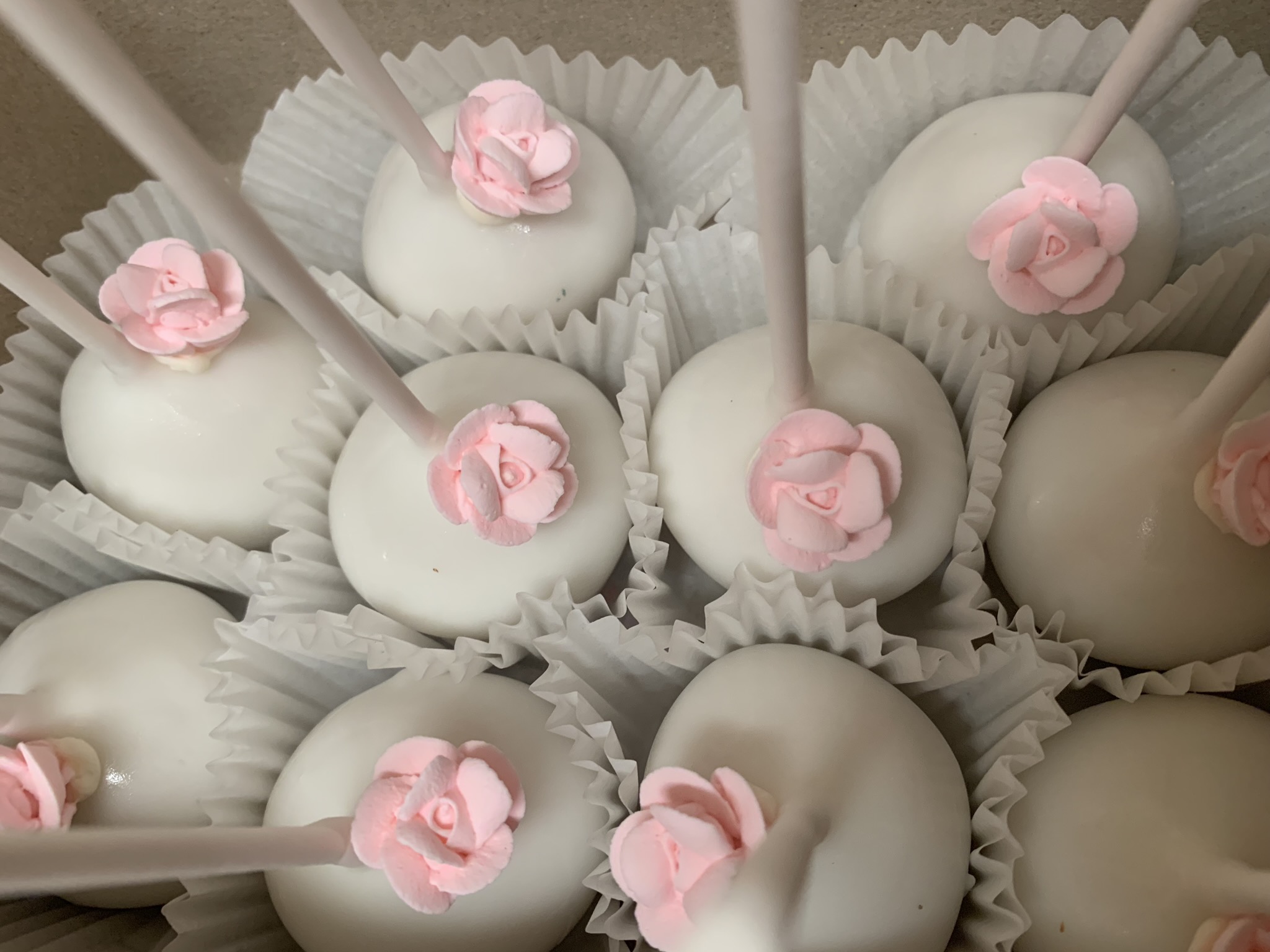
Production scale plays a significant role in determining the cost of cake pops. The cost per unit decreases as the production scale increases.
Small-batch production involves producing a limited number of cake pops, typically for a specific order or event. The costs associated with small-batch production include:
- Higher ingredient costs due to smaller purchasing volumes
- Increased labor costs as production is more labor-intensive
- Limited economies of scale in packaging and presentation
Mass production, on the other hand, involves producing large quantities of cake pops to meet high demand or for wholesale distribution. The costs associated with mass production include:
- Lower ingredient costs due to bulk purchasing
- Lower labor costs due to automation and streamlined processes
- Economies of scale in packaging and presentation, allowing for cost-effective options
Competition and Pricing Strategy

The cake pop market is a competitive one, with a number of key players vying for market share. Some of the most notable competitors include:
- Crumbs & Whiskers
- Gigi’s Cupcakes
- Cake Pops by Austin
- Sweets by K
These companies offer a variety of cake pops, ranging from classic flavors like chocolate and vanilla to more unique flavors like red velvet and peanut butter cup. Prices vary depending on the flavor and size of the cake pop, but generally range from $1 to $3 per pop.
Obtain a comprehensive document about the application of hello kitty ice cream cake that is effective.
Market Share
Crumbs & Whiskers is the current market leader in the cake pop market, with a market share of approximately 25%. Gigi’s Cupcakes is a close second, with a market share of around 20%. Cake Pops by Austin and Sweets by K each have a market share of around 10%. The remaining market share is divided among a number of smaller competitors.
Pricing Strategies
The key competitors in the cake pop market use a variety of pricing strategies to attract customers. Crumbs & Whiskers and Gigi’s Cupcakes both use a premium pricing strategy, charging a higher price for their cake pops than their competitors. Cake Pops by Austin and Sweets by K use a more competitive pricing strategy, offering their cake pops at a lower price than their competitors.
Target Market and Value Proposition
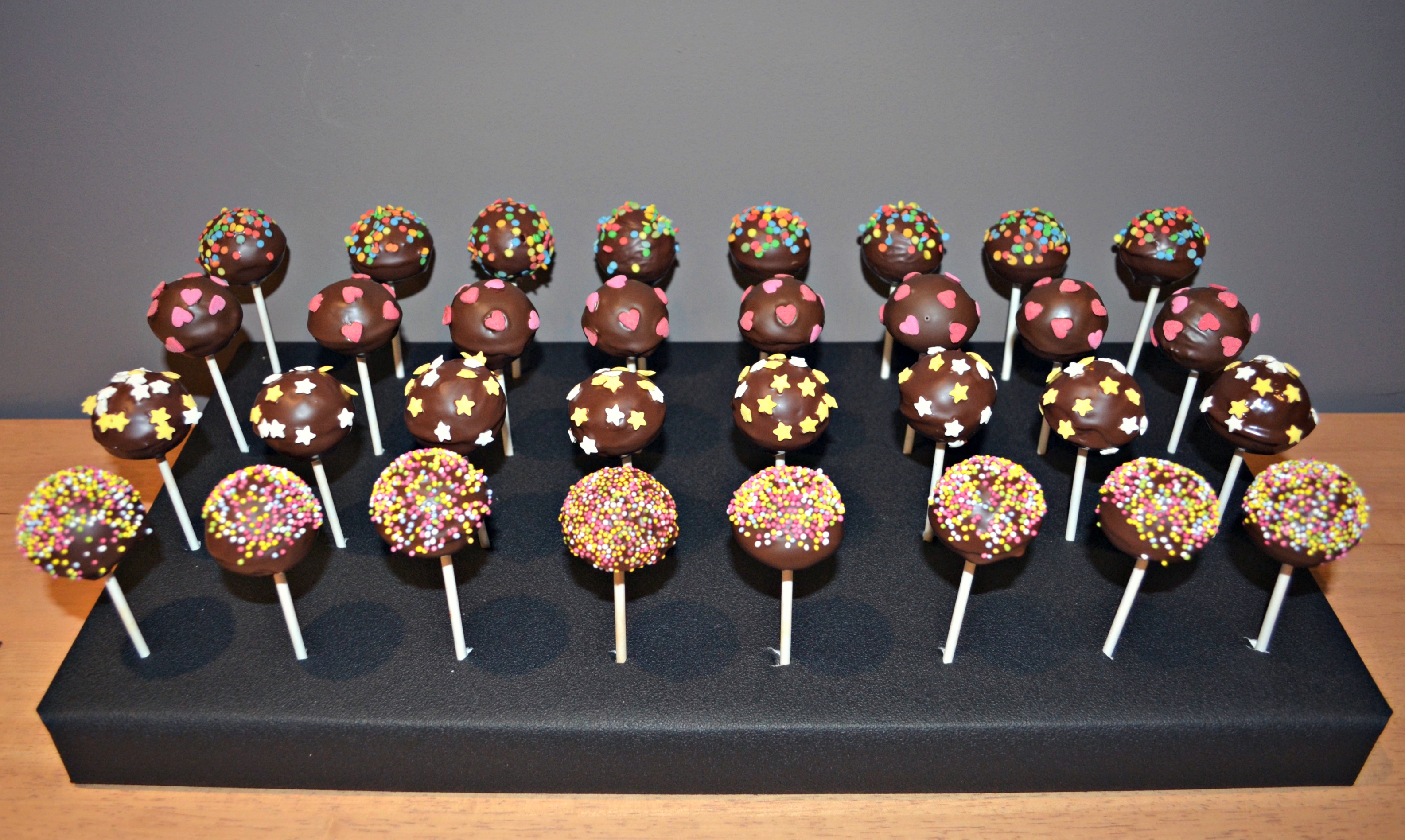
Cake pops have a broad target market that spans various demographics, including children, teenagers, adults, and seniors. The appeal of these treats lies in their delightful taste, vibrant colors, and whimsical presentation, making them suitable for a range of occasions.
In terms of price sensitivity, the target market for cake pops exhibits some elasticity. Consumers are generally willing to pay a premium for high-quality, artisanal cake pops, especially if they perceive them as unique and indulgent. However, they may be more price-conscious when it comes to mass-produced or generic options.
Creating a Compelling Value Proposition
To justify the price of cake pops and attract customers, it is crucial to create a compelling value proposition that highlights the unique benefits and qualities of the product. This can be achieved by emphasizing the following aspects:
- Premium Ingredients: Using high-quality ingredients, such as rich chocolate, fresh fruit, and pure vanilla extract, enhances the taste and overall experience of the cake pops.
- Artisanal Craftsmanship: Handmade cake pops demonstrate attention to detail and a commitment to quality. Customers appreciate the care and skill that goes into creating each treat.
- Unique Flavors and Designs: Offering a variety of flavors and designs, including seasonal specials and limited-edition creations, keeps customers engaged and encourages repeat purchases.
- Convenience and Portability: Cake pops are individually wrapped, making them easy to grab and go. This convenience appeals to busy individuals who want a quick and satisfying treat.
- Giftability: Cake pops are often purchased as gifts due to their attractive presentation and versatility. They can be customized to suit different occasions, making them a thoughtful and appreciated gesture.
Marketing and Promotion
Marketing and promotion play a vital role in determining the pricing of cake pops. Effective marketing campaigns can increase demand and create a perception of value, allowing businesses to charge a premium price for their products.
Successful marketing campaigns for cake pops often focus on highlighting their unique flavors, creative designs, and versatility. These campaigns may use a combination of online and offline channels, such as social media, email marketing, and in-store promotions.
Check what professionals state about birthday paw patrol cake and its benefits for the industry.
Social Media Marketing
Social media platforms like Instagram and Facebook provide an excellent opportunity to showcase the visual appeal of cake pops and engage with potential customers. Businesses can use these platforms to post mouthwatering images of their products, share customer testimonials, and run contests and giveaways.
Influencer Marketing
Collaborating with food bloggers and influencers can be an effective way to reach a wider audience and generate buzz around a cake pop brand. Influencers can create sponsored posts or stories featuring the products, providing their followers with an authentic and relatable recommendation.
Profitability Analysis

Evaluating the profitability of a cake pop business is crucial for understanding its financial performance and viability. By calculating profitability, you can determine whether the business is generating sufficient revenue to cover its costs and generate a profit.
Profitability is calculated by subtracting the total costs of producing and selling cake pops from the total revenue generated by their sales. The formula for calculating profitability is as follows:
Profitability = Total Revenue – Total Costs
Key factors that impact profitability include:
- Revenue: The total amount of money generated from the sale of cake pops.
- Cost of Goods Sold (COGS): The direct costs associated with producing the cake pops, including ingredients, packaging, and labor.
- Operating Expenses: Indirect costs associated with running the business, such as rent, utilities, marketing, and insurance.
Price Optimization: How Much Are Cake Pops
Optimizing cake pop prices is crucial for maximizing revenue and profitability. Here are some effective strategies:
Value-Based Pricing
Set prices based on the perceived value customers place on your cake pops. Consider factors such as unique flavors, premium ingredients, and attractive packaging.
Competitive Pricing
Research competitors’ prices to ensure your pricing is competitive while still maintaining profitability. Offer discounts or bundle deals to match or undercut competitor pricing.
Psychological Pricing
Use psychological cues to influence customer perception. For example, use odd-even pricing (e.g., $2.99 instead of $3.00) or bundle cake pops in sets of three or five to create a sense of value.
Dynamic Pricing
Adjust prices based on demand, seasonality, or special events. Offer discounts during off-peak times or increase prices for limited-edition flavors.
Examples of Successful Price Optimization Techniques
- Starbucks’ “Grande” size: Starbucks optimized pricing by introducing a size between “Tall” and “Venti,” increasing sales and revenue.
- Amazon’s “Dynamic Pricing”: Amazon adjusts prices based on factors like demand, competition, and inventory levels, resulting in increased profitability.