Aioli for crab cakes is a marriage of flavors that tantalizes the palate and elevates the dining experience to new heights. This creamy, garlicky sauce is the perfect complement to the delicate sweetness of crab, creating a symphony of flavors that will leave you craving more.
In this comprehensive guide, we will delve into the origins, ingredients, and techniques behind aioli for crab cakes. We will explore the nuances of flavor combinations, presentation styles, and the versatility of this beloved condiment.
Aioli
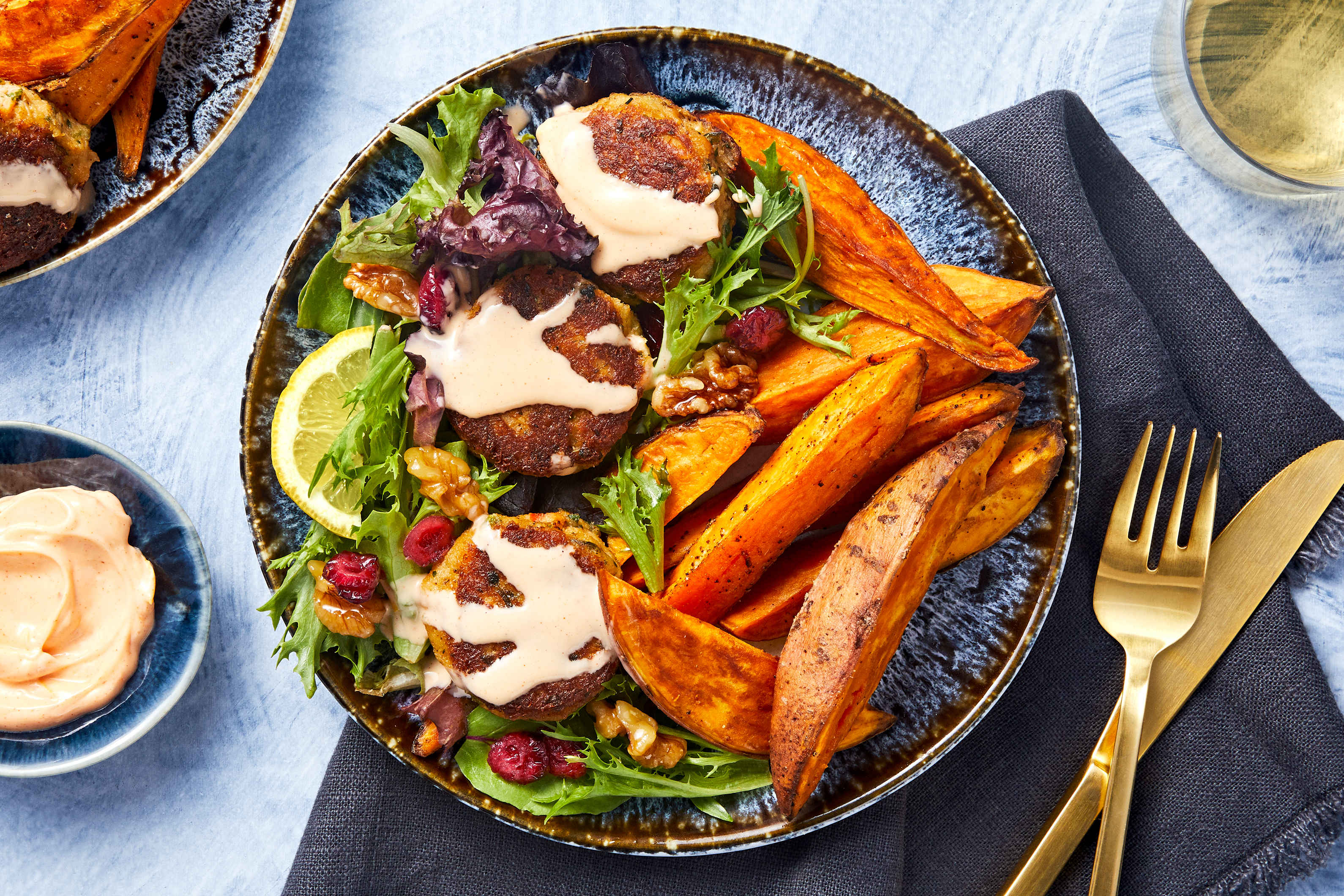
Aioli is a classic culinary emulsion that originated in the Mediterranean region, particularly in the coastal areas of Provence, France, and Catalonia, Spain. It is a versatile condiment that is commonly served with seafood dishes, especially grilled or fried fish, and is also used as a dipping sauce for vegetables or as a spread for sandwiches.
Traditionally, aioli was made by slowly whisking together garlic, salt, and olive oil until a thick, creamy emulsion was formed. The key to making a successful aioli is to use a high-quality olive oil and to whisk the ingredients together slowly and patiently. Over-whisking can cause the aioli to break, so it is important to be gentle and to stop whisking as soon as the emulsion has formed.
Key Ingredients
- Garlic: Garlic is the main flavoring ingredient in aioli, and it is important to use fresh, high-quality garlic for the best flavor.
- Salt: Salt is used to balance the flavors of the aioli and to help the emulsion to form.
- Olive oil: Olive oil is the base of aioli, and it is important to use a high-quality olive oil for the best flavor. Extra virgin olive oil is the best choice, as it has a more robust flavor and aroma.
Variations
There are many variations of aioli, each with its own unique flavor profile. Some common variations include:
- Garlic aioli: This is the classic aioli recipe, made with garlic, salt, and olive oil.
- Lemon aioli: This variation adds lemon juice to the classic aioli recipe, for a brighter, more acidic flavor.
- Herb aioli: This variation adds herbs, such as parsley, basil, or chives, to the classic aioli recipe, for a more complex flavor.
- Saffron aioli: This variation adds saffron to the classic aioli recipe, for a golden color and a slightly bitter flavor.
Recipe
Classic Aioli
- Ingredients:
- 1 head of garlic, cloves separated and peeled
- 1 teaspoon salt
- 1 cup extra virgin olive oil
- Instructions:
- In a mortar and pestle, mash the garlic and salt together until a smooth paste forms.
- Gradually whisk in the olive oil, 1 tablespoon at a time, until the aioli is thick and creamy.
- Season with additional salt to taste, if desired.
- Serve immediately or store in the refrigerator for later use.
Crab Cakes
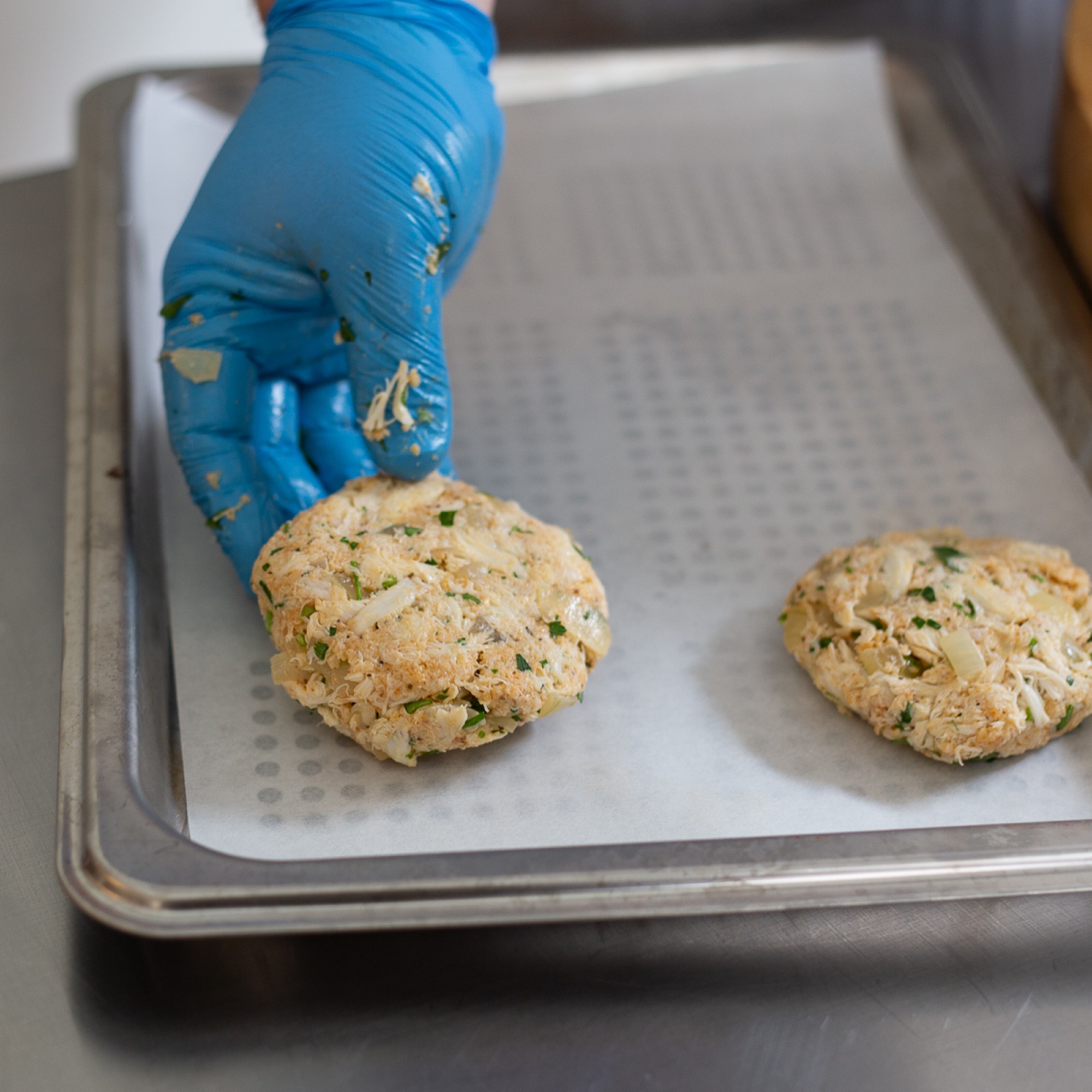
Crab cakes are a delicious and versatile dish that can be enjoyed as an appetizer, main course, or side dish. They are typically made with crab meat, bread crumbs, eggs, and seasonings, and can be fried, baked, or grilled.
Further details about kodiak cakes gluten free is accessible to provide you additional insights.
The type of crab used in crab cakes will affect the flavor and texture of the dish. Blue crab is a popular choice for crab cakes, as it has a sweet and delicate flavor. Dungeness crab is another good option, as it has a slightly sweeter flavor than blue crab. Snow crab is a less expensive option, but it has a milder flavor than blue crab or Dungeness crab.
Choosing the Best Crab Meat
When choosing crab meat for crab cakes, it is important to look for meat that is fresh and has a good texture. Fresh crab meat should be firm and white, and should not have any brown or black spots. The texture of the crab meat should be flaky, not mushy.
Recipe for a Delicious Crab Cake
Here is a recipe for a delicious crab cake:
- 1 pound crab meat, picked over for shells and cartilage
- 1/2 cup bread crumbs
- 1/4 cup mayonnaise
- 1 egg, beaten
- 1 teaspoon Dijon mustard
- 1/4 teaspoon Old Bay seasoning
- 1/4 teaspoon salt
- 1/4 teaspoon black pepper
- Vegetable oil, for frying
Instructions:
- In a large bowl, combine the crab meat, bread crumbs, mayonnaise, egg, Dijon mustard, Old Bay seasoning, salt, and black pepper. Mix well.
- Form the crab mixture into 12 equal-sized cakes.
- Heat the vegetable oil in a large skillet over medium heat.
- Fry the crab cakes for 2-3 minutes per side, or until golden brown and cooked through.
- Serve the crab cakes with your favorite dipping sauce.
Aioli for Crab Cakes
Aioli is a versatile condiment that pairs perfectly with crab cakes, enhancing their flavor and elevating the overall dining experience. Its creamy texture and rich, garlicky taste complement the delicate sweetness of crab meat, creating a harmonious balance of flavors.
Flavor and Texture Combinations
Aioli’s smooth, velvety texture provides a luxurious contrast to the crispy exterior and tender interior of crab cakes. The garlic in aioli adds a subtle yet assertive flavor that enhances the natural sweetness of the crab without overpowering it. The combination creates a symphony of flavors that delights the palate.
Aioli Variations for Crab Cakes
To complement the unique flavors of crab cakes, consider experimenting with different aioli variations. A classic aioli made with olive oil, garlic, and lemon juice is always a reliable choice. For a zesty twist, try adding a touch of Sriracha or harissa to the mix. If you prefer a creamy and herbaceous aioli, incorporate fresh herbs like basil, parsley, or chives.
Serving Aioli with Crab Cakes
To showcase the harmonious pairing of aioli and crab cakes, presentation is key. A visually appealing plate enhances the dining experience and whets the appetite.
To create an aesthetically pleasing presentation, arrange the crab cakes on a clean plate. A bed of fresh greens, such as arugula or watercress, adds a vibrant touch and complements the flavors. The aioli should be placed alongside the crab cakes, either in a small bowl or drizzled over the top.
Garnishing and Styling
Garnishes elevate the presentation and add a touch of elegance. Chopped fresh herbs, such as parsley, chives, or cilantro, provide a vibrant pop of color and enhance the flavor. A squeeze of lemon adds a bright citrus note and balances the richness of the aioli.
For a more sophisticated touch, consider using edible flowers or microgreens. These delicate embellishments add visual interest and a touch of whimsy to the dish.
Nutritional Information
Aioli, a rich and flavorful sauce, is a popular accompaniment to various dishes. It offers a distinct blend of flavors, making it a delectable addition to meals. Beyond its culinary appeal, aioli also possesses significant nutritional value, attributed to its core ingredients.
Calorie Content
Aioli, in its classic form, contains a substantial amount of calories, primarily due to the use of olive oil. A single tablespoon of homemade aioli typically contains around 100-120 calories, making it a calorie-dense condiment. It is important to consume aioli in moderation to maintain a balanced diet.
Fat Content
Aioli is predominantly composed of olive oil, a heart-healthy fat. Olive oil is rich in monounsaturated fats, which have been associated with reducing the risk of cardiovascular diseases. However, it is important to note that aioli should be consumed in moderation due to its high fat content.
Protein Content
Aioli typically contains a moderate amount of protein, primarily derived from the egg yolks used in its preparation. Egg yolks are a good source of essential amino acids, which are the building blocks of proteins. Protein is crucial for various bodily functions, including muscle growth and repair.
Carbohydrate Content
Aioli is low in carbohydrates, as it is primarily made with olive oil, egg yolks, and garlic. This makes it a suitable condiment for individuals following low-carb diets.
Health Benefits of Aioli Ingredients
- Olive oil: Rich in monounsaturated fats, which have been associated with reducing the risk of cardiovascular diseases.
- Egg yolks: Good source of protein and essential amino acids, crucial for muscle growth and repair.
- Garlic: Contains antioxidants and anti-inflammatory compounds, which may provide various health benefits.
Variations and Nutritional Differences
There are several variations of aioli, each with its own unique nutritional profile. Some common variations include:
- Vegan aioli: Made with plant-based milk instead of egg yolks, resulting in a lower protein content.
- Roasted garlic aioli: Uses roasted garlic, which imparts a sweeter and more intense flavor, potentially increasing the antioxidant content.
- Lemon aioli: Incorporates lemon juice, adding a tangy flavor and increasing the vitamin C content.
When choosing an aioli, consider your dietary needs and preferences. Opt for variations that align with your nutritional goals and taste preferences.
Understand how the union of applesauce coffee cake recipe can improve efficiency and productivity.
Pairing Aioli with Other Seafood Dishes
Aioli’s versatility extends beyond crab cakes. Its creamy texture and flavorful profile make it a delectable accompaniment to a wide range of seafood dishes.
The key to pairing aioli with seafood is to consider the flavor profiles involved. Aioli’s richness and garlicky notes complement dishes with mild or delicate flavors. It adds depth and complexity without overpowering the natural taste of the seafood.
Grilled Fish, Aioli for crab cakes
Aioli pairs wonderfully with grilled fish such as salmon, trout, or halibut. The smoky, charred flavors of the fish meld harmoniously with the creamy richness of the aioli. Serve it as a dipping sauce or spread it over the fish before grilling to enhance its flavor.
Seafood Platters
Aioli is an ideal dipping sauce for seafood platters featuring an assortment of shellfish, such as shrimp, oysters, and mussels. Its creamy texture complements the briny flavors of the seafood, enhancing the overall dining experience.
Seafood Salads
Aioli can elevate seafood salads to new heights. Its creamy texture binds the ingredients together while adding a touch of richness and garlic flavor. Consider incorporating aioli into tuna salad, shrimp salad, or salmon salad for a delectable twist.
Seafood Pasta
Aioli can transform seafood pasta dishes into culinary masterpieces. Stir it into a sauce made with white wine, lemon juice, and fresh herbs to create a creamy and flavorful sauce that pairs perfectly with seafood like shrimp, scallops, or mussels.
Aioli as a Versatile Condiment
Aioli’s versatility extends beyond crab cakes, making it a culinary chameleon that enhances various cuisines.
In Mediterranean kitchens, aioli serves as a flavorful dip for grilled vegetables, such as zucchini, eggplant, and bell peppers. It adds a creamy richness to salads, elevating simple greens with a tangy twist. In Spanish tapas, aioli is an indispensable accompaniment to patatas bravas, crispy fried potatoes topped with a spicy sauce.
Beyond Appetizers
Aioli’s culinary adventures extend to main courses. Grilled fish, such as salmon or tuna, gains a zesty complement when paired with aioli. Roasted chicken becomes even more delectable when slathered with aioli’s savory goodness. It transforms sandwiches into gourmet delights, adding a layer of creamy richness to grilled burgers or crispy fish tacos.
Sweet Surprises
Aioli’s versatility extends even to desserts. It adds a surprising yet harmonious touch when drizzled over grilled fruit, such as peaches or pineapple. Aioli’s tangy flavor complements the sweetness of the fruit, creating a tantalizing balance. It can also be incorporated into baked goods, adding a subtle savory note to cakes and cookies.
Aioli Variations and Flavor Profiles

Aioli is a versatile condiment that can be customized to complement various dishes. By incorporating different herbs, spices, and citrus, you can create unique flavor profiles that enhance the overall culinary experience.
The classic aioli recipe forms the foundation for experimentation. Garlic, mayonnaise, and olive oil are essential ingredients, but adding other elements can transform the flavor.
Herb-Infused Aioli
- Fresh herbs like basil, cilantro, or parsley add a vibrant and aromatic touch.
- Chop the herbs finely and stir them into the aioli base.
Spiced Aioli
- Ground spices like cumin, paprika, or cayenne pepper introduce warmth and depth of flavor.
- Start with a small amount and adjust to taste, as spices can be potent.
Citrus Aioli
- Lemon, lime, or orange zest and juice brighten the aioli with a refreshing acidity.
- Add the zest and juice gradually to control the intensity of the citrus flavor.
Recipe Ideas
- Roasted Red Pepper Aioli: Puree roasted red peppers and add them to the aioli base for a smoky and sweet twist.
- Chipotle Aioli: Mix in chipotle peppers in adobo for a spicy and smoky flavor.
- Lemon-Herb Aioli: Combine lemon zest and juice with chopped basil and parsley for a refreshing and aromatic variation.
Aioli in Modern Cuisine: Aioli For Crab Cakes
Aioli has transcended its traditional role as a condiment for seafood and has found innovative applications in modern cuisine. Chefs are experimenting with aioli as an ingredient in sauces, dressings, and marinades, adding depth and richness to various dishes.
In Sauces
Aioli’s creamy texture and vibrant flavors make it an excellent base for sauces. Chefs blend aioli with herbs, spices, and other ingredients to create flavorful sauces that complement grilled meats, roasted vegetables, and pasta dishes.
As a Dressing
Aioli’s versatility extends to dressings for salads and dips. By adding aioli to vinaigrettes, chefs create rich and creamy dressings that enhance the flavors of greens, vegetables, and fruits.
In Marinades
Aioli’s acidic properties make it an effective marinade for meats and seafood. Marinating proteins in aioli infuses them with flavor and tenderizes them, resulting in succulent and flavorful dishes.
Contemporary Dish Examples
* Grilled salmon with aioli-herb sauce
* Roasted asparagus with aioli-lemon dressing
* Chicken breast marinated in aioli-spice blend
* Shrimp tacos with aioli-cilantro dipping sauce
* Vegetable crudités with aioli-dijon dip