Prepare to embark on a delectable journey as we delve into the art of crafting Venison Italian Sausage. This flavorful delicacy, steeped in tradition and versatility, awaits your culinary exploration. Whether you’re a seasoned sausage maker or a novice eager to expand your culinary horizons, this comprehensive guide will equip you with the knowledge and techniques to create exceptional venison Italian sausage that will tantalize your taste buds.
From selecting the finest ingredients to mastering the intricate process of curing and stuffing, we’ll guide you through every step with precision and clarity. Discover the secrets of creating a symphony of flavors that will elevate your favorite dishes to new heights.
Ingredients and Preparation
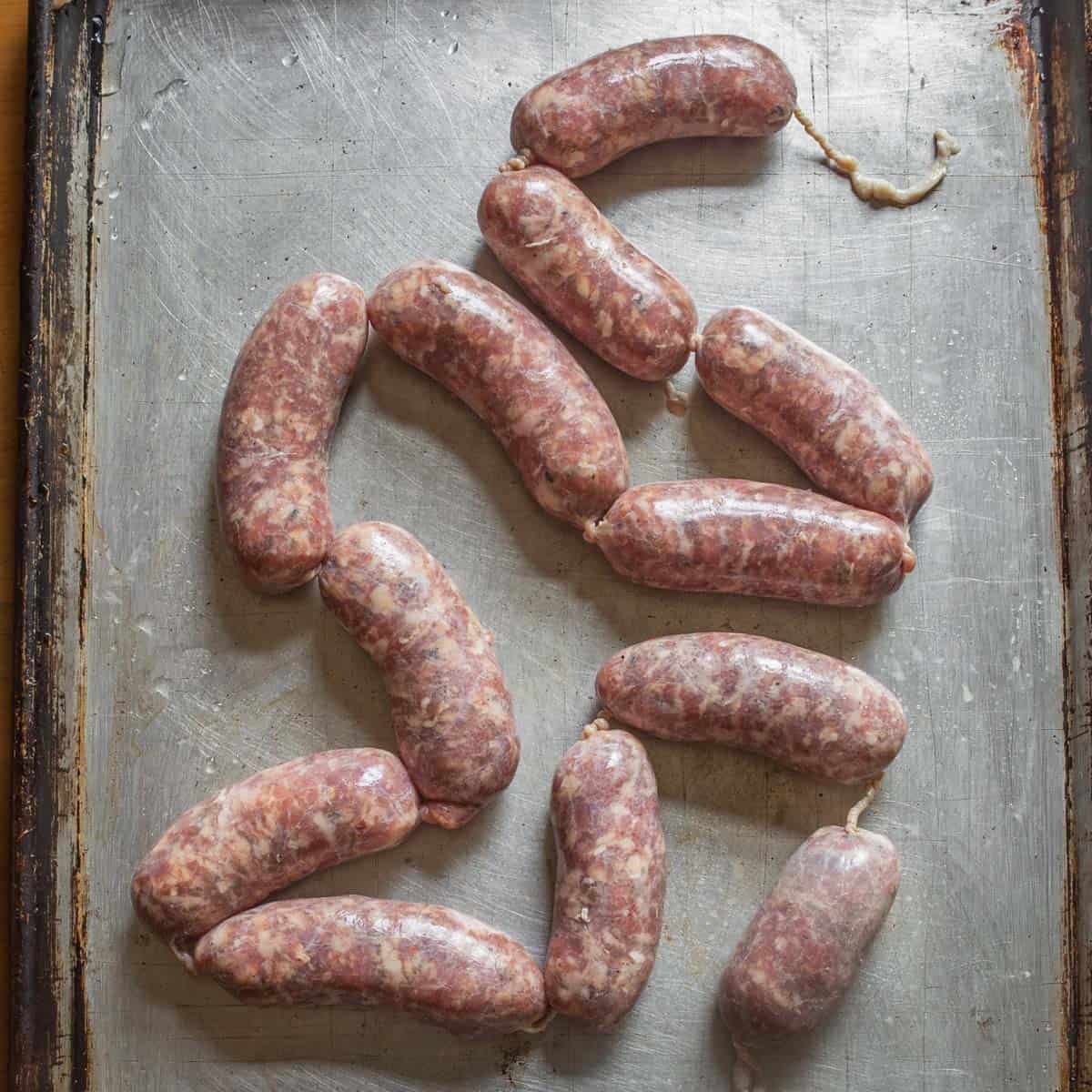
Crafting venison Italian sausage involves a harmonious blend of select ingredients and meticulous preparation techniques.
To embark on this culinary adventure, gather the following ingredients:
- Ground venison
- Ground pork shoulder (fatty)
- Italian sausage seasoning
- Salt
- Black pepper
- Fennel seeds
- Red pepper flakes
- Casing for stuffing
Curing
Begin by combining the ground venison, pork shoulder, and Italian sausage seasoning in a large bowl. Thoroughly mix the ingredients, ensuring even distribution of flavors.
Next, season the mixture generously with salt and black pepper. The amount of salt and pepper added will depend on personal preferences, but a good starting point is 1 teaspoon of salt and 1/2 teaspoon of black pepper per pound of meat.
Transfer the seasoned meat mixture to a clean container and refrigerate for at least 24 hours. This curing process allows the flavors to meld and develop, resulting in a more robust and flavorful sausage.
Stuffing
After the curing period, remove the meat mixture from the refrigerator and allow it to come to room temperature for about 30 minutes. This will make it easier to stuff into the casings.
Attach the desired casing to the sausage stuffer and begin filling it with the meat mixture. Avoid overstuffing the casings, as this can cause them to burst during cooking.
Once the casings are filled, twist them into links and prick them with a toothpick to release any trapped air.
The venison Italian sausages are now ready to be cooked and enjoyed.
Seasoning and Flavor Profiles
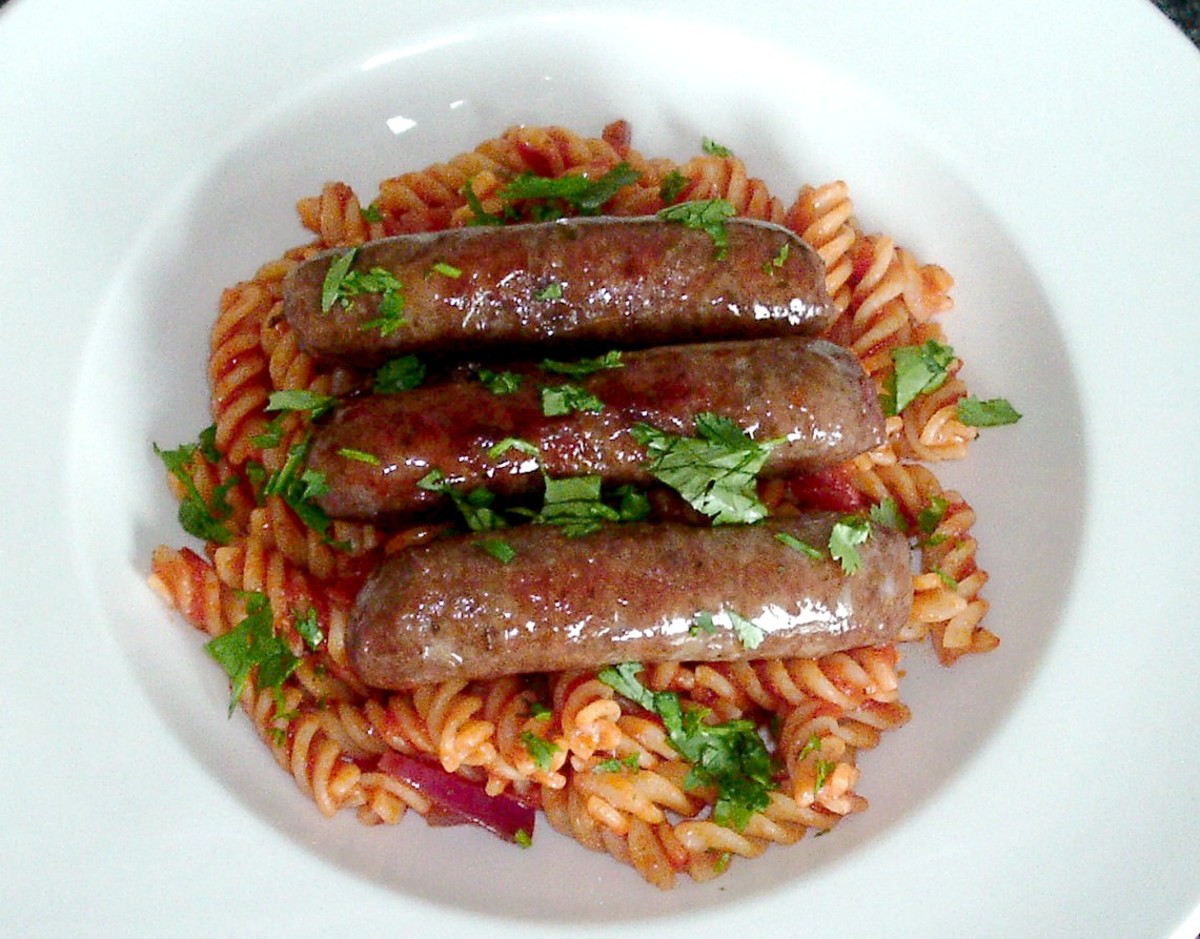
Venison Italian sausage derives its distinctive flavors from a blend of spices and seasonings. These ingredients work in harmony to create a complex and savory profile that sets it apart from other types of sausage.
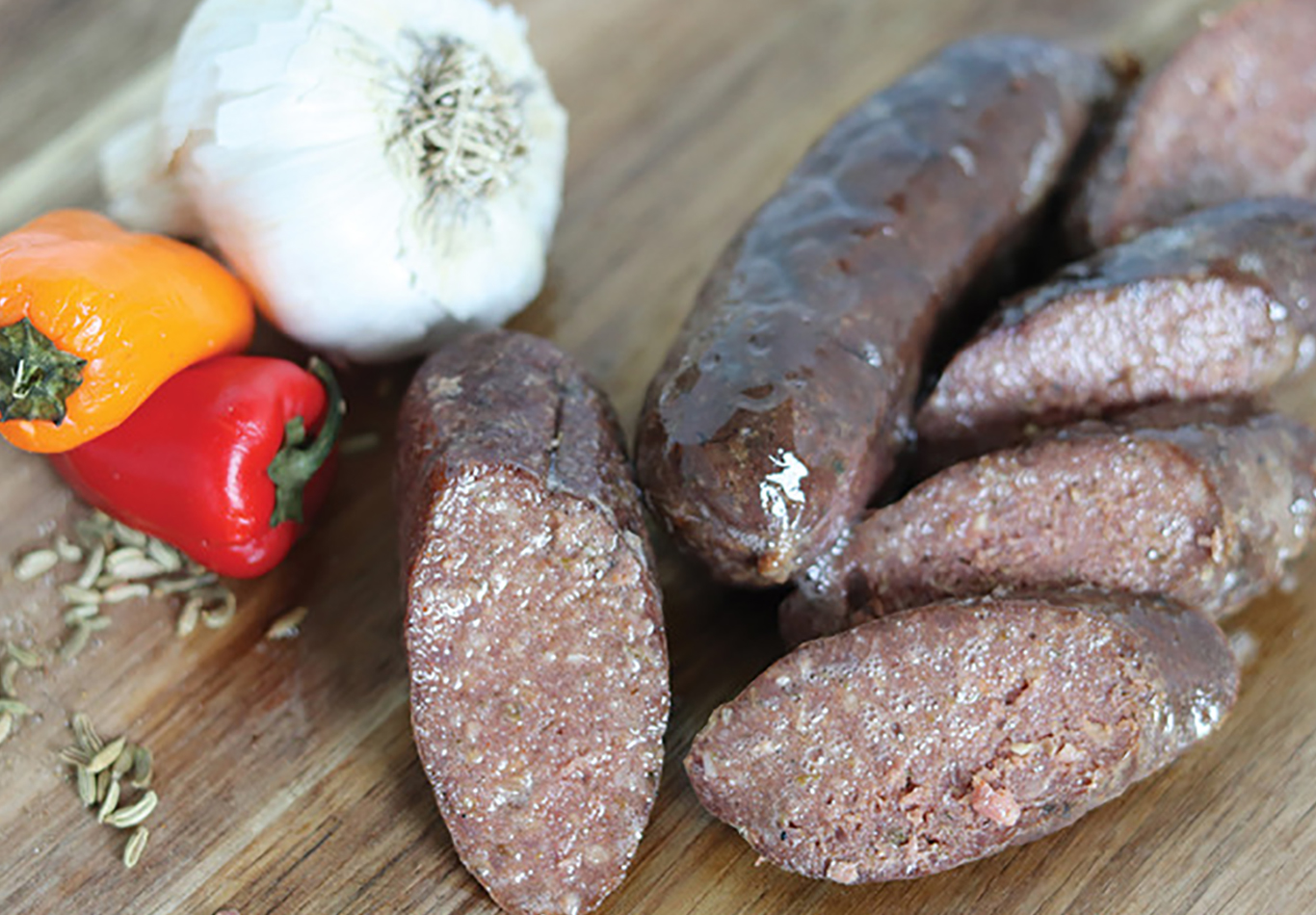
The typical spices used in venison Italian sausage include fennel, garlic, paprika, and black pepper. Fennel provides a sweet and slightly anise-like flavor, while garlic adds a savory and aromatic touch. Paprika lends a vibrant red color and a subtle smokiness, and black pepper adds a touch of heat and depth.
Variations in Flavor Profiles
By adjusting the proportions of these spices and introducing additional herbs, you can create unique flavor profiles that cater to your personal preferences. For example, adding a touch of rosemary or thyme can enhance the earthy notes, while a pinch of red pepper flakes can provide a subtle kick.
Experimenting with different combinations of spices and seasonings allows you to craft a venison Italian sausage that perfectly aligns with your taste buds. Whether you prefer a classic flavor profile or a more adventurous blend, the possibilities are endless.
Casing Options and Techniques
The choice of casing for venison Italian sausage depends on the desired texture and flavor. Natural casings, made from the intestines of animals, provide a more traditional and flavorful sausage, while synthetic casings offer greater convenience and consistency.
Natural Casings
- Hog Casings: The most common type of natural casing, hog casings are derived from the intestines of pigs. They are relatively thin and delicate, producing a sausage with a snappy texture.
- Sheep Casings: Thicker and more durable than hog casings, sheep casings are well-suited for larger sausages. They provide a firmer texture and a more intense flavor.
- Beef Casings: The thickest and most durable natural casing, beef casings are ideal for making large-diameter sausages. They impart a slightly gamey flavor to the sausage.
Synthetic Casings
- Collagen Casings: Made from edible collagen, these casings are strong and flexible, producing a sausage with a uniform texture. They are easy to handle and remove after cooking.
- Cellulose Casings: Derived from plant cellulose, these casings are edible and provide a smooth, glossy finish to the sausage. They are less permeable than natural casings, resulting in a longer shelf life.
- Plastic Casings: Non-edible casings made from plastic, these casings are durable and easy to remove. They are not as breathable as natural or collagen casings, which can affect the flavor and texture of the sausage.
Stuffing and Linking Techniques
Proper stuffing and linking techniques are crucial for producing high-quality venison Italian sausage. Here are some tips:
- Use a meat grinder: A meat grinder will ensure that the venison is ground to a consistent size, which is essential for proper stuffing.
- Stuff the casings evenly: Use a sausage stuffer to fill the casings evenly, avoiding air pockets.
- Twist the sausages: Once the casings are stuffed, twist them into links of the desired length.
- Prick the sausages: Prick the sausages with a needle to release any trapped air, which can cause the sausages to burst during cooking.
Cooking Methods and Applications
Venison Italian sausage is a versatile ingredient that can be cooked using various methods, each imparting unique flavors and textures to the dish.
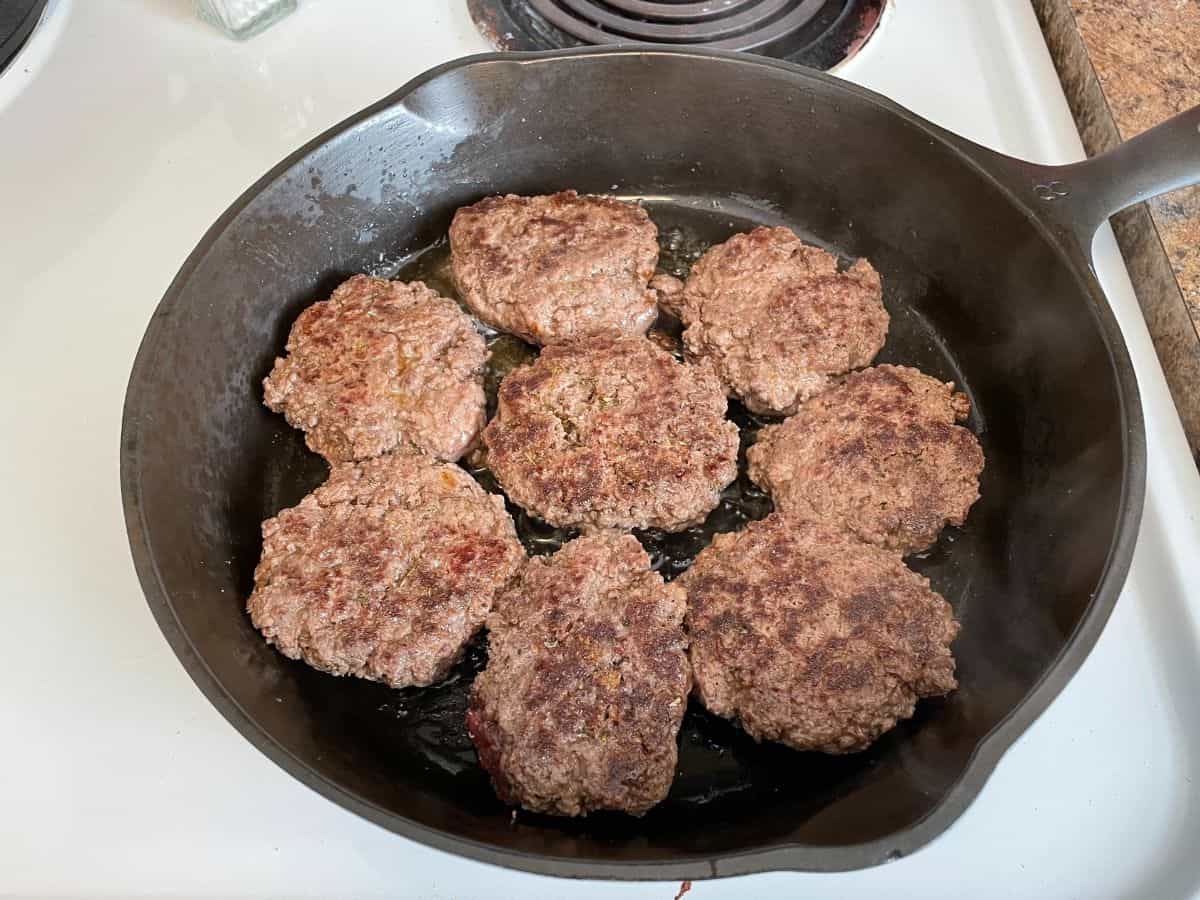
Grilling is a popular option, as it allows for a smoky, charred flavor. Smoking adds a deep, rich flavor to the sausage and is perfect for creating a more intense taste. Pan-frying is a quick and easy method that results in a crispy exterior and juicy interior.
Pasta
Venison Italian sausage pairs well with pasta dishes, adding a savory and flavorful element to the sauce. It can be crumbled and added to a tomato-based sauce or used as a filling for ravioli or tortellini.
Pizza
Venison Italian sausage makes an excellent topping for pizza. It can be sliced and added to a classic Margherita pizza or combined with other toppings like mushrooms, onions, and peppers.
Sandwiches
Venison Italian sausage is a delicious addition to sandwiches. It can be grilled or pan-fried and served on a bun with your favorite toppings, such as peppers, onions, and cheese.
Conclusive Thoughts
As you embark on this culinary adventure, remember that the true magic lies in experimenting and adapting the techniques to your unique preferences. Whether you prefer a bold and spicy sausage or a milder, more delicate flavor, the possibilities are endless. Embrace the artistry of sausage making, and let your creativity shine through in every bite.
Detailed FAQs
What type of venison is best for making Italian sausage?
For the most flavorful sausage, choose venison from the shoulder, leg, or loin.
How long should I cure the sausage before stuffing?
Allow the sausage to cure for at least 24 hours, or up to 3 days for a more intense flavor.
What is the best casing for venison Italian sausage?
Natural casings, such as sheep or hog casings, provide the most authentic texture and flavor.
How do I prevent the sausage from drying out during cooking?
Cook the sausage over indirect heat or use a water pan to create a moist cooking environment.