Embark on a culinary adventure as we delve into the art of crafting Rustic Italian Bread. This beloved staple, steeped in tradition and bursting with flavor, invites you to experience the authentic taste of Italy in your own kitchen. From kneading the dough with care to baking it to golden-brown perfection, we’ll guide you through every step of this rewarding process.
Whether you’re a seasoned baker or just starting your bread-making journey, this guide will empower you with the knowledge and techniques to create a rustic Italian masterpiece that will delight your taste buds and impress your loved ones.
Rustic Italian Bread Baking Techniques

Crafting a rustic Italian bread involves a combination of traditional techniques and modern-day convenience. The process begins with preparing the dough, a delicate balance of flour, water, yeast, and salt. Kneading the dough develops the gluten network, giving the bread its characteristic chewy texture. Fermentation, a controlled process of allowing the yeast to consume the sugars in the dough, contributes to the bread’s flavor and aroma.
Shaping the Loaf
Once the dough has risen, it’s time to shape it into a rustic loaf. This involves dividing the dough into two equal portions, shaping them into balls, and then flattening them into ovals. The ovals are then folded and sealed to create a classic Italian loaf shape. This shaping technique not only adds visual appeal but also ensures even baking.
Creating a Crisp Crust
The secret to a rustic Italian bread’s signature crisp crust lies in scoring the surface before baking. Scoring involves making shallow cuts in the dough using a sharp knife or a razor blade. These cuts allow steam to escape during baking, resulting in a crust that is both golden-brown and shatteringly crisp.
Baking in a Home Oven
Baking rustic Italian bread in a home oven requires a combination of heat and steam. Preheat the oven to a high temperature, typically around 450°F (230°C). Place a baking stone or a Dutch oven inside the oven to create a steamy environment. Once the bread is placed in the oven, reduce the temperature slightly and bake for 25-30 minutes, or until the crust is golden-brown and the bread sounds hollow when tapped.
Flavor Profiles and Ingredient Variations
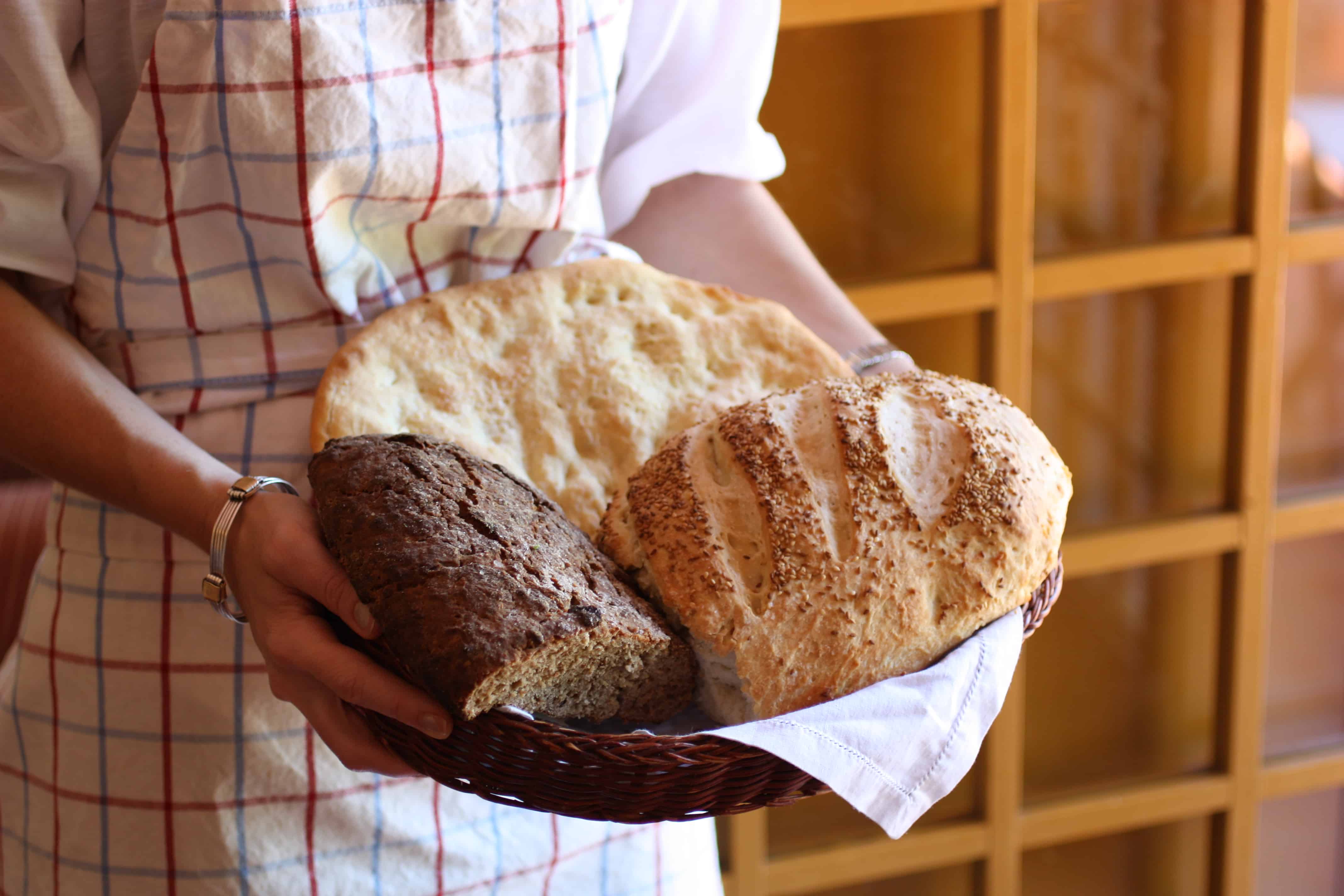
Rustic Italian bread is renowned for its robust and earthy flavor profile. Achieving this classic taste requires a careful balance of ingredients and baking techniques. By experimenting with different flours, herbs, and seasonings, you can create a wide range of variations on the basic recipe.
Flour Variations
The type of flour used significantly impacts the texture and flavor of your bread. While traditional Italian bread is made with a combination of white and whole wheat flour, you can substitute all-purpose flour or bread flour for a chewier texture. For a more rustic flavor, try using stone-ground flour or a blend of different grains.
Herb and Seasoning Additions
Incorporating herbs and seasonings into your bread dough adds an extra layer of flavor. Classic Italian herbs like basil, oregano, and rosemary pair well with the earthy notes of the bread. Experiment with other herbs such as thyme, sage, or fennel for a unique twist. Salt and pepper are essential seasonings that enhance the overall taste.
Fillings and Toppings
Fillings and toppings can transform your rustic Italian bread into a flavorful masterpiece. Olives, sun-dried tomatoes, and cheese are popular additions that add a savory touch. For a sweeter bread, try incorporating dried fruit, nuts, or a honey glaze.
Serving Suggestions and Pairing Options
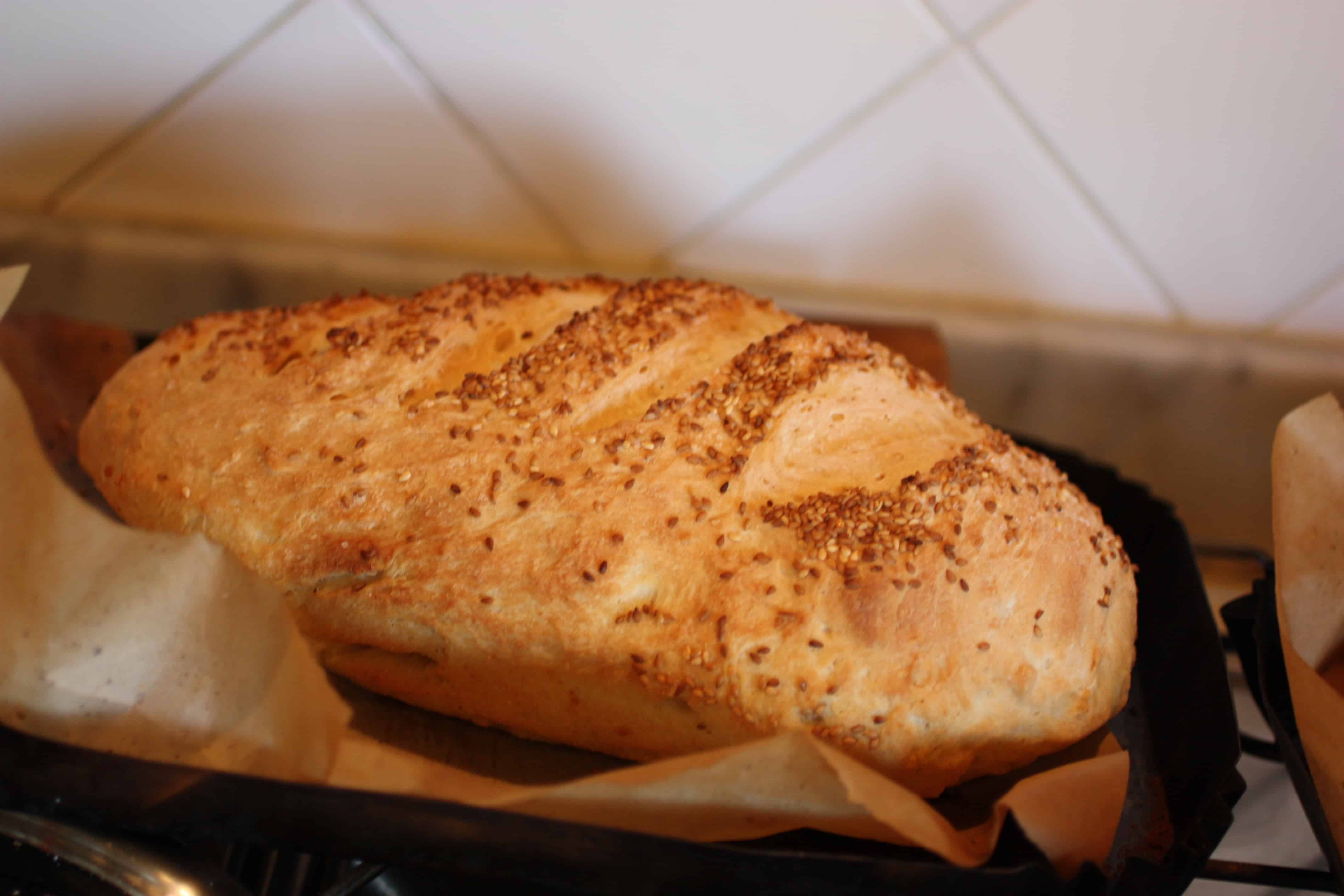
Rustic Italian bread is a versatile culinary delight that can be enjoyed in a multitude of ways. Whether as an appetizer, side dish, or even a main course, its hearty texture and flavorful crust make it a perfect complement to various culinary creations.
As an Appetizer
- Pair rustic Italian bread with a selection of flavorful dips, such as olive tapenade, hummus, or a creamy goat cheese spread.
- Serve it alongside a platter of cured meats and cheeses, such as prosciutto, salami, and aged cheddar, for a delightful antipasto platter.
As a Side Dish
- Complement hearty soups and stews, such as minestrone or beef stew, with slices of rustic Italian bread to soak up the flavorful broth.
- Serve alongside grilled meats, such as chicken, steak, or fish, to balance the richness of the main course with the bread’s earthy flavors.
As a Main Course
- Transform rustic Italian bread into a hearty meal by topping it with grilled vegetables, roasted meats, or a combination of both.
- Create a savory bread salad by tearing the bread into pieces and tossing it with fresh greens, vegetables, and a tangy vinaigrette.
Pairing Options
Rustic Italian bread’s robust flavors pair well with a variety of beverages:
- Complement the bread’s earthy notes with a glass of full-bodied red wine, such as a Cabernet Sauvignon or Merlot.
- Enhance the bread’s rustic character with a crisp craft beer, such as a pale ale or IPA.
- Balance the bread’s richness with a refreshing glass of iced tea or lemonade.
Preserving and Storing Rustic Italian Bread

Rustic Italian bread is a perishable food item that requires proper storage to maintain its freshness and flavor. This section provides detailed guidance on the best practices for preserving and storing rustic Italian bread to ensure its longevity and optimal quality.
Freezing Rustic Italian Bread
Freezing is an effective method for extending the shelf life of rustic Italian bread while preserving its texture and flavor. To freeze the bread, follow these steps:
- Slice the bread into desired portions.
- Wrap each slice tightly in plastic wrap or aluminum foil.
- Place the wrapped slices in a freezer-safe bag or container.
- Freeze for up to 3 months.
To reheat frozen rustic Italian bread, remove the desired number of slices from the freezer and thaw them at room temperature for 30-60 minutes. Alternatively, you can reheat the slices in a preheated oven at 350°F (175°C) for 5-7 minutes, or until warmed through.
Storing Rustic Italian Bread at Room Temperature
For short-term storage, rustic Italian bread can be kept at room temperature for 2-3 days. To preserve its freshness, wrap the bread tightly in plastic wrap or store it in a bread box. The bread box helps regulate moisture levels, preventing the bread from drying out.
Extending the Shelf Life of Rustic Italian Bread
In addition to freezing and storing at room temperature, there are other techniques that can help extend the shelf life of rustic Italian bread:
- Double Wrapping: Wrap the bread in two layers of plastic wrap or aluminum foil to create a barrier against moisture and air.
- Bread Boxes: Store the bread in a bread box made of materials like wood, ceramic, or plastic. Bread boxes help maintain the bread’s moisture and prevent it from drying out.
- Slice and Freeze: If you plan to consume the bread over a longer period, slice it into portions and freeze them. This allows you to thaw and consume only the amount you need, preserving the freshness of the remaining bread.
Conclusive Thoughts

As you savor the warm, chewy texture and tantalizing flavors of your homemade Rustic Italian Bread, take pride in your culinary accomplishment. This timeless recipe, passed down through generations, now holds a special place in your kitchen repertoire. Whether enjoyed as an appetizer, side dish, or main course, this bread is a versatile addition to any meal, promising to elevate your dining experience with its rustic charm and authentic Italian flavor.
Helpful Answers
What is the secret to achieving a crispy crust on Rustic Italian Bread?
The key to a crispy crust lies in the combination of high heat and steam during baking. Preheat your oven to a high temperature and place a baking stone or Dutch oven inside to create a hot environment. Add a small amount of water to the bottom of the oven to generate steam, which will help form a golden-brown, crackling crust.
Can I use different types of flour for this recipe?
Absolutely! Experimenting with different flours can add unique flavors and textures to your Rustic Italian Bread. Try substituting a portion of all-purpose flour with bread flour, which has a higher protein content and will result in a chewier loaf. You can also incorporate whole wheat flour for a nutty flavor and increased fiber.
How do I store Rustic Italian Bread to maintain its freshness?
To preserve the freshness of your Rustic Italian Bread, wrap it tightly in plastic wrap or place it in a bread box at room temperature. The bread will stay fresh for several days. For longer storage, you can freeze the bread for up to two months. When ready to serve, thaw the bread at room temperature and reheat it in a warm oven or toaster oven to restore its crispiness.

.gallery-container {
display: flex;
flex-wrap: wrap;
gap: 10px;
justify-content: center;
}
.gallery-item {
flex: 0 1 calc(33.33% – 10px); /* Fleksibilitas untuk setiap item galeri */
overflow: hidden; /* Pastikan gambar tidak melebihi batas kotak */
position: relative;
margin-bottom: 20px; /* Margin bawah untuk deskripsi */
}
.gallery-item img {
width: 100%;
height: 200px;
object-fit: cover; /* Gambar akan menutupi area sepenuhnya */
object-position: center; /* Pusatkan gambar */
}
.image-description {
text-align: center; /* Rata tengah deskripsi */
}
@media (max-width: 768px) {
.gallery-item {
flex: 1 1 100%; /* Full width di layar lebih kecil dari 768px */
}
}