Step into the realm of culinary artistry with our Burnt Ends Recipe Oven, where the tantalizing flavors of smoky, caramelized beef brisket dance upon your palate. Join us as we embark on a delectable journey, unraveling the secrets of this mouthwatering dish, from its humble beginnings to its triumphant reign as a barbecue masterpiece.
In this comprehensive guide, we’ll delve into the intricacies of crafting perfect burnt ends in the comfort of your own kitchen. From the meticulous selection of ingredients to the precise cooking techniques, we’ll empower you with the knowledge to create this culinary wonder that will leave your taste buds craving for more.
Ingredients and Preparation
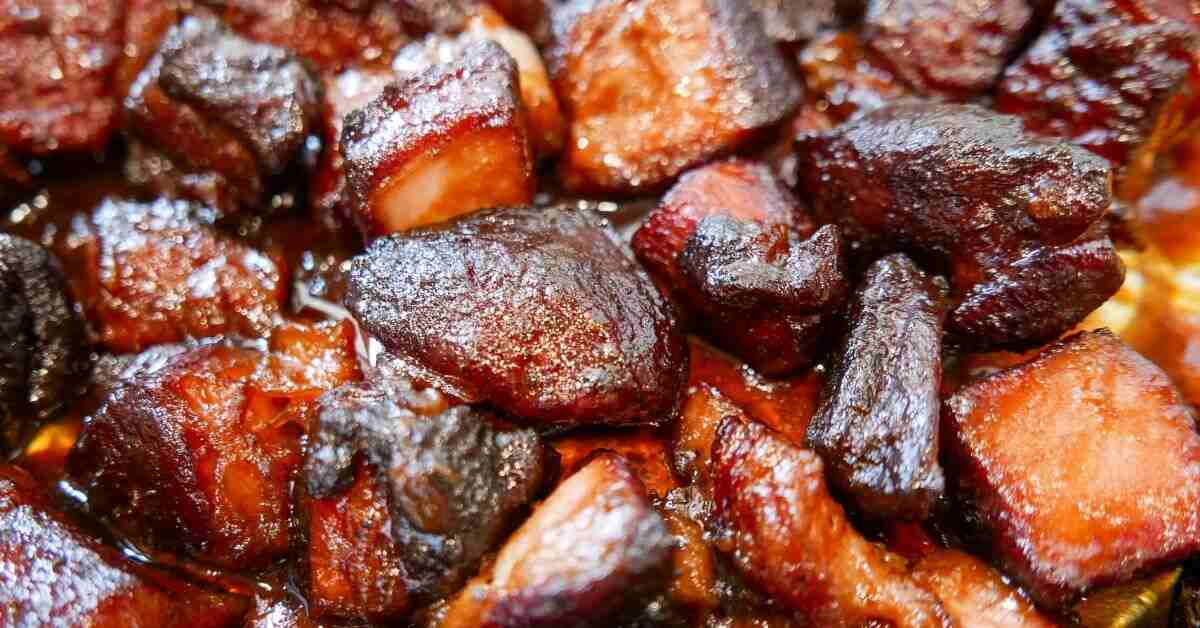
Preparing burnt ends in the oven involves gathering specific ingredients and following precise steps to ensure optimal results.
The essential ingredients include:
- Beef brisket, preferably a point cut
- Brown sugar
- Honey
- Mustard
- Worcestershire sauce
- Liquid smoke
- Seasonings (salt, pepper, garlic powder, onion powder)
Preparation involves:
- Trimming excess fat from the brisket.
- Creating a flavorful rub by combining brown sugar, honey, mustard, Worcestershire sauce, liquid smoke, and seasonings.
- Applying the rub liberally to the brisket and allowing it to marinate for several hours or overnight.
- Smoking the brisket at a low temperature (225-250°F) for several hours until it reaches an internal temperature of 165°F.
- Wrapping the brisket in foil and continuing to smoke until it reaches an internal temperature of 203°F.
- Cutting the brisket into cubes and returning them to the oven to crisp up and caramelize.
Smoking
Smoking the brisket imparts a distinctive flavor and aroma to the burnt ends. Using a smoker box or liquid smoke can achieve this effect in an oven.
Cooking Techniques
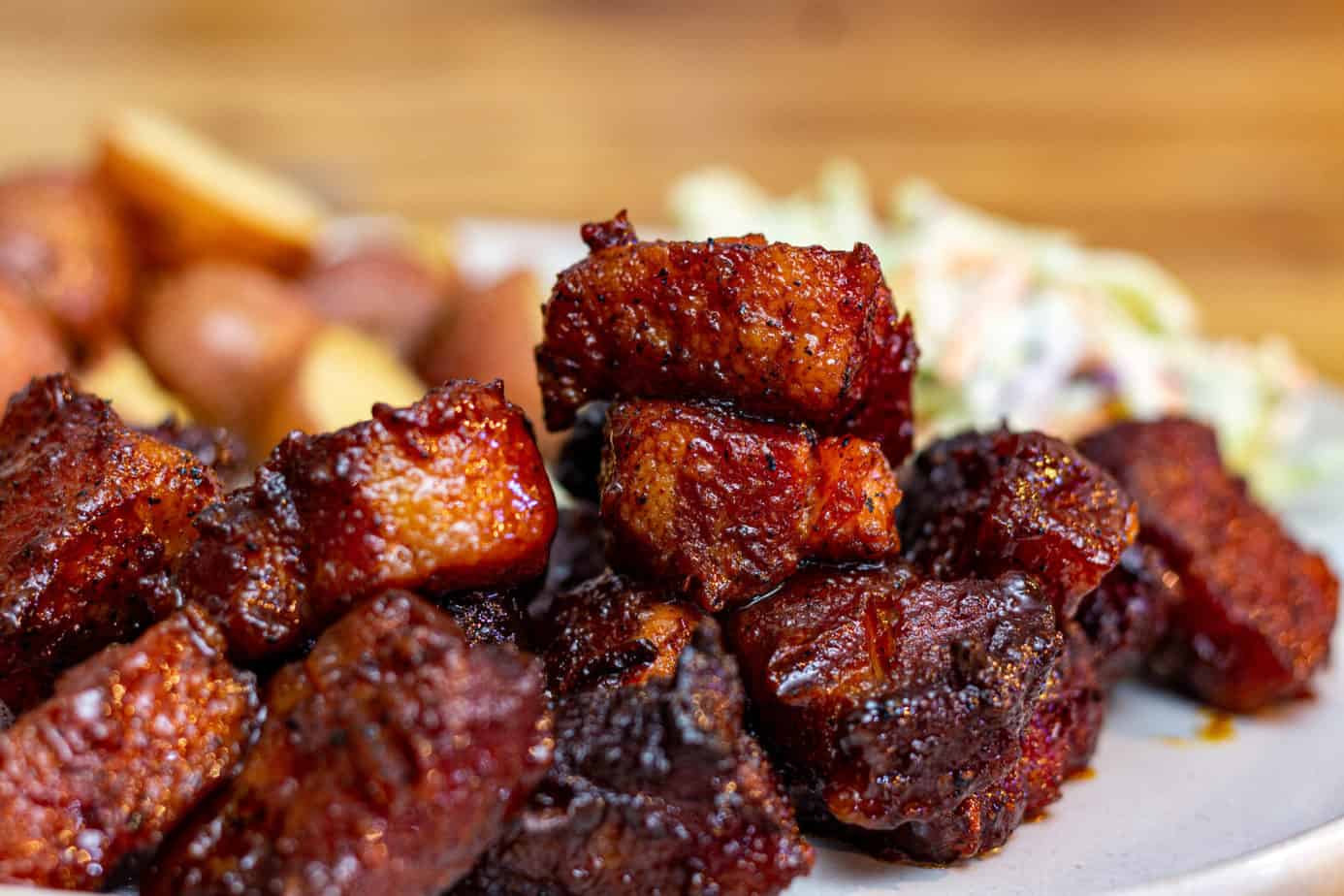
Achieving tender and flavorful burnt ends in the oven requires careful control of temperature and cooking time. The optimal temperature range is between 225°F (107°C) and 250°F (121°C), ensuring a slow and even cooking process that allows the meat to break down and develop its rich flavor.
To create a crispy exterior while maintaining a moist interior, it is essential to apply a dry rub to the brisket before cooking. The rub helps to form a crust on the surface, protecting the meat from drying out. Additionally, basting the brisket with braising liquid or sauce during the cooking process further enhances the flavor and prevents dryness.
Braising Liquid or Sauce
Using a braising liquid or sauce not only adds flavor to the burnt ends but also helps to keep them moist. The liquid creates a humid environment in the oven, preventing the meat from drying out and allowing it to cook evenly throughout.
Common braising liquids include beef broth, chicken broth, or a combination of both. These liquids provide a rich base flavor that complements the beef. Alternatively, sauces such as barbecue sauce or honey mustard can be used to add a sweeter or more tangy flavor profile.
Regardless of the choice of liquid or sauce, it is important to apply it generously to the brisket throughout the cooking process. This will ensure that the meat remains moist and flavorful.
Serving and Presentation
Burnt ends are a versatile dish that can be served as an appetizer, main course, or even as a snack. When serving as an appetizer, burnt ends can be arranged on a platter with other finger foods, such as cheese cubes, crackers, or vegetable crudités. As a main course, burnt ends can be paired with a variety of side dishes, such as mashed potatoes, green beans, or coleslaw. For a more casual setting, burnt ends can be served on a bun with your favorite toppings.
To create an appealing presentation, burnt ends can be garnished with a variety of ingredients, such as fresh herbs, grated Parmesan cheese, or crispy onions. Burnt ends can also be plated on a bed of greens, such as arugula or spinach, to add a touch of color and freshness to the dish.
Dipping Sauces
Dipping sauces can enhance the taste and texture of burnt ends. Some popular dipping sauces for burnt ends include barbecue sauce, honey mustard, and ranch dressing. For a more unique flavor, try dipping burnt ends in a sweet and spicy sauce, such as a mango habanero sauce or a sriracha mayonnaise.
Recipe Variations
Experimenting with various marinades, rubs, and smoking woods can lead to a wide range of flavor profiles and appearances for burnt ends.
The table below compares different variations, highlighting their key characteristics and advantages:
Marinades
- Sweet and savory marinade: A blend of brown sugar, soy sauce, Worcestershire sauce, and spices creates a sweet and savory flavor.
- Spicy marinade: A combination of chili powder, cayenne pepper, and paprika adds a kick of heat to the burnt ends.
- Honey-based marinade: Honey provides a natural sweetness and caramelizes during the cooking process, resulting in a sticky and flavorful exterior.
Rubs
- Coffee rub: Ground coffee adds a smoky and bitter flavor to the burnt ends.
- BBQ rub: A classic blend of paprika, garlic powder, onion powder, and cumin provides a traditional barbecue flavor.
- Smoky rub: A combination of smoked paprika, chipotle powder, and black pepper creates a rich and smoky flavor.
Smoking Woods
- Hickory: A strong and smoky flavor that pairs well with sweet and savory marinades.
- Oak: A milder and more versatile flavor that complements a wide range of rubs and marinades.
- Cherry: A fruity and slightly sweet flavor that adds a unique twist to burnt ends.
End of Discussion

As we bid farewell to our exploration of the Burnt Ends Recipe Oven, let the lingering flavors serve as a testament to the culinary artistry that awaits you. Whether you’re a seasoned pitmaster or a novice cook eager to expand your culinary horizons, this guide has equipped you with the knowledge and inspiration to create this exceptional dish. So gather your ingredients, fire up your oven, and embark on a tantalizing journey that will transform your barbecue game forever.
Helpful Answers
What is the ideal temperature for cooking burnt ends in the oven?
For optimal tenderness and flavor, aim for an internal temperature of 203-205°F (95-96°C) when cooking burnt ends in the oven.
How do I achieve a crispy exterior while maintaining a moist interior?
To achieve a perfect balance of crispy and moist, trim the fat from the brisket to about 1/4 inch thickness, allowing the edges to crisp up while the interior remains tender and juicy.
What type of wood should I use for smoking burnt ends?
For a classic barbecue flavor, hickory or oak wood chips are excellent choices for smoking burnt ends. However, feel free to experiment with different woods such as applewood or cherrywood to create unique flavor profiles.