The Lebanese Food Recipe Book: Embark on a tantalizing culinary adventure that unveils the vibrant flavors, aromatic spices, and delectable dishes that have captivated taste buds for centuries. From the bustling souks of Beirut to the serene vineyards of the Bekaa Valley, this comprehensive guide transports you to the heart of Lebanese cuisine, inviting you to savor the essence of a culinary tradition that has stood the test of time.
Step into a world where every dish tells a story, where each ingredient plays a harmonious symphony, and where the art of cooking is celebrated as a sacred ritual. The Lebanese Food Recipe Book is your passport to a culinary wonderland, where the warmth of hospitality and the passion for food intertwine to create an unforgettable dining experience.
Lebanese Cuisine: Lebanese Food Recipe Book
Lebanese cuisine, a vibrant tapestry of flavors and aromas, has its roots in the rich cultural heritage of Lebanon. Its origins can be traced back to ancient Phoenician times, influenced by the Mediterranean Sea, the Middle East, and Europe.
Lebanese dishes are renowned for their unique blend of spices, fresh ingredients, and meticulous preparation. They often feature a harmonious balance of sweet and savory flavors, with an emphasis on herbs like mint, parsley, and thyme.
Popular Lebanese Dishes
Lebanese cuisine offers a delectable array of dishes, from tantalizing appetizers to hearty entrees and delectable desserts.
Appetizers
- Tabbouleh:A refreshing salad made with bulgur, parsley, tomatoes, mint, and a tangy lemon-olive oil dressing.
- Hummus:A creamy dip made from chickpeas, tahini, lemon juice, and garlic, often served with pita bread or vegetables.
- Falafel:Deep-fried chickpea balls seasoned with herbs and spices, a popular street food and appetizer.
Entrees
- Kibbeh:A savory dish made with bulgur, ground meat, and spices, often shaped into patties or balls.
- Shish Tawook:Grilled chicken skewers marinated in yogurt, garlic, and spices, served with rice or pita bread.
- Maqluba:A layered dish featuring rice, vegetables, and meat, cooked upside down and served with yogurt.
Desserts
- Baklava:A sweet pastry made with layers of filo dough, nuts, and honey syrup.
- Kanafeh:A shredded filo dough pastry filled with sweet cheese and drizzled with a sugar syrup.
- Maamoul:Date-filled pastries decorated with intricate designs, often enjoyed during religious holidays.
Traditional Lebanese Recipes
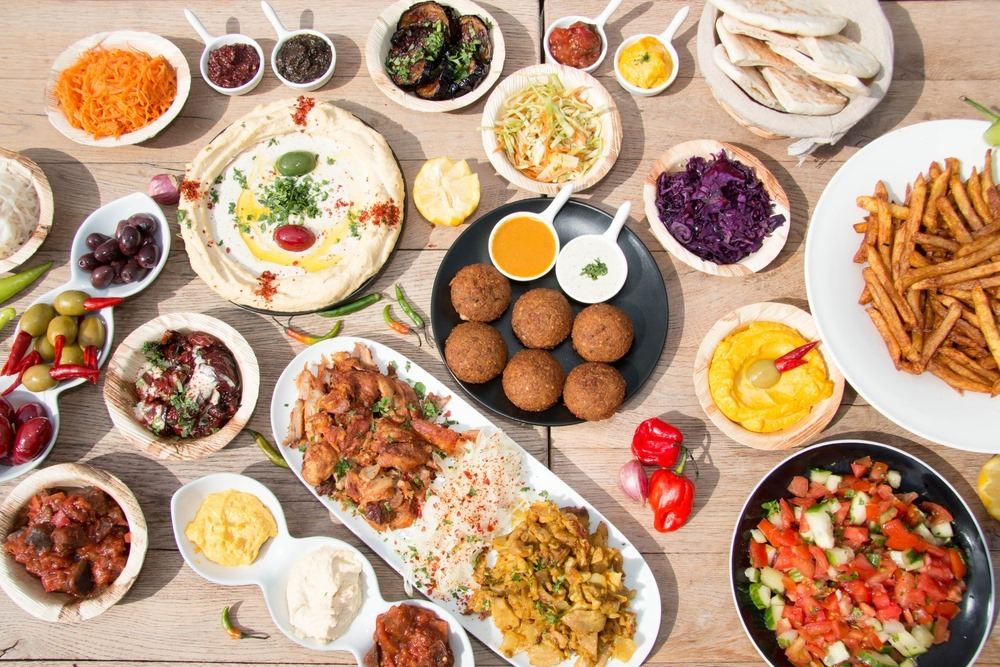
Lebanese cuisine is a delectable fusion of flavors and textures, a testament to the country’s rich history and diverse cultural influences. From savory appetizers to tantalizing main courses and sweet desserts, Lebanese food is a feast for the senses. This section delves into the heart of traditional Lebanese recipes, providing step-by-step guides to recreate these culinary masterpieces in your own kitchen.
To ensure your cooking journey is as smooth as the finest hummus, we have compiled a comprehensive table showcasing an array of traditional Lebanese dishes. Each entry features a list of essential ingredients, clear instructions, and mouthwatering images to guide you through the culinary process.
Lebanese cuisine is known for its flavorful dishes that tantalize the taste buds. While delving into the delectable world of Lebanese recipes, one might stumble upon a craving for something different. Cajun turkey breast recipes offer a savory escape, blending the spicy allure of Cajun flavors with the succulent tenderness of turkey.
After indulging in this flavorful adventure, return to the pages of your Lebanese food recipe book to continue exploring the vibrant culinary tapestry of the Middle East.
Traditional Lebanese Recipes: A Step-by-Step Guide
| Dish Name | Ingredients | Instructions | Image |
|---|---|---|---|
| Kibbeh |
|
|
 |
| Tabbouleh |
|
|
 |
| Fattoush |
|
|
 |
| Baklava |
|
|
 |
The Art of Lebanese Cooking

Lebanese cooking is an art form that has been passed down through generations. The dishes are known for their bold flavors, fresh ingredients, and beautiful presentation. In this section, we will explore the essential techniques used in Lebanese cooking, share tips for selecting the best ingredients, and discuss the importance of presentation and plating.
Lebanese cuisine is a diverse and flavorful tapestry of culinary traditions. It is characterized by its use of fresh, seasonal ingredients, fragrant herbs and spices, and a variety of cooking techniques that have been passed down through generations.
Marinating
Marinating is a technique used to infuse meat, poultry, or fish with flavor. The marinade typically consists of a combination of oil, vinegar, herbs, spices, and other seasonings. The meat is marinated for several hours or overnight, allowing the flavors to penetrate deeply.
For those seeking culinary adventures beyond the ordinary, a Lebanese food recipe book unlocks a world of vibrant flavors and tantalizing aromas. Its pages hold secrets to delectable dishes, including the beloved sweet potato leaf recipe, where tender leaves are transformed into a savory delicacy.
Discover the art of preparing this unique dish , and let the vibrant flavors of Lebanese cuisine ignite your senses.
Marinating not only enhances the flavor of the meat but also tenderizes it, making it more juicy and flavorful.
Grilling
Grilling is a popular cooking method in Lebanese cuisine. It is used to cook a variety of meats, poultry, and vegetables. The food is cooked over hot coals or a grill, which gives it a smoky flavor and a crispy exterior.
Grilling is a great way to cook food quickly and easily, and it is also a healthy way to cook, as it does not require the use of added fats.
Spicing
Spices are an essential part of Lebanese cooking. They are used to add flavor, depth, and complexity to dishes. Lebanese cuisine uses a wide variety of spices, including cumin, coriander, paprika, cinnamon, and cloves. Spices can be used whole, ground, or in the form of spice blends.
They can be added to dishes at any stage of the cooking process, from marinating to finishing.
Lebanese Food Culture
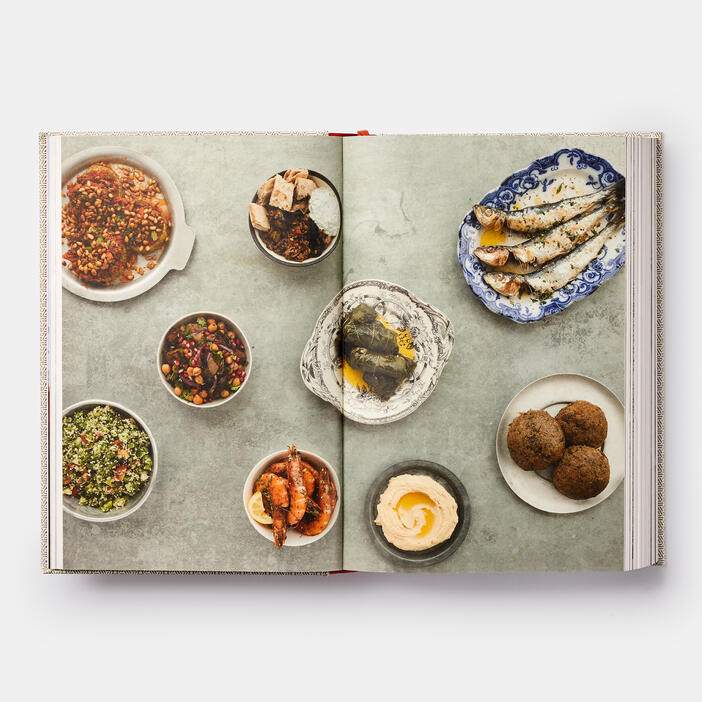
In Lebanon, food is more than just sustenance; it’s a way of life. It’s a means of bringing people together, celebrating special occasions, and expressing hospitality. The Lebanese dining experience is a feast for all the senses, with vibrant flavors, aromatic spices, and a lively atmosphere.
The traditional Lebanese dining experience is a social affair. Families and friends gather around a large table, sharing dishes and engaging in lively conversation. The meal typically begins with a selection of mezze, small appetizers that are served as a shared platter.
These may include hummus, baba ghanoush, tabbouleh, and fattoush.
Etiquette and Customs, Lebanese food recipe book
There are certain etiquette and customs that are observed during a Lebanese meal. For example, it is considered rude to refuse food when it is offered. It is also customary to eat with your right hand, as the left hand is considered unclean.
Health Benefits
Lebanese cuisine is not only delicious, but it is also healthy. The Mediterranean diet, which is similar to the Lebanese diet, has been shown to have numerous health benefits, including reducing the risk of heart disease, stroke, and type 2 diabetes.
The Lebanese diet is rich in fruits, vegetables, whole grains, and lean protein. It is also low in saturated fat and cholesterol. This combination of nutrients makes the Lebanese diet a healthy choice for people of all ages.
Last Recap
As you delve into the pages of this culinary masterpiece, you will not only discover a collection of delectable recipes but also a glimpse into the rich tapestry of Lebanese culture. From the convivial gatherings around the family table to the vibrant street food scene, Lebanese cuisine is an integral part of the country’s identity, reflecting its history, traditions, and unwavering zest for life.
Whether you are a seasoned chef or a home cook eager to explore new culinary horizons, the Lebanese Food Recipe Book is your indispensable companion. Let the aromatic flavors of Lebanon dance on your palate, as you embark on a culinary journey that will leave you craving for more.