The recipe for Delmonico roast, a timeless classic that has graced the tables of discerning diners for centuries, is an epicurean masterpiece with a captivating story to tell. Its origins can be traced back to the bustling streets of New York City, where Delmonico's Restaurant played a pivotal role in popularizing this delectable dish.
Delmonico roast is a symphony of flavors, crafted from the finest cuts of beef and an array of aromatic herbs and spices. The preparation process is an art form in itself, requiring meticulous attention to detail and a touch of culinary alchemy.
The result is a roast that is both tender and flavorful, with a tantalizing aroma that will entice even the most discerning palate.
Historical Origins of Delmonico Roast

The Delmonico roast, a succulent and flavorful dish, traces its roots to the iconic Delmonico's Restaurant in New York City. Established in 1827, Delmonico's quickly became a culinary destination, renowned for its elegant ambiance and innovative cuisine.
French and American Influences
The creation of the Delmonico roast is believed to be influenced by both French and American culinary traditions. French techniques, such as braising and roasting, were likely employed, while American ingredients, like beef and potatoes, formed the core of the dish.
Delmonico’s Role in Popularization
Delmonico's played a pivotal role in popularizing the Delmonico roast. The restaurant's reputation for excellence attracted a discerning clientele, including wealthy patrons and celebrities. As the dish gained popularity among this influential crowd, it spread beyond the restaurant's walls and became a staple in American homes and restaurants.
Ingredients and Preparation Techniques
Delmonico roast is a flavorful and tender dish that requires careful preparation to achieve its classic taste and texture. The following ingredients and preparation techniques will guide you in creating an exceptional Delmonico roast:
Ingredients
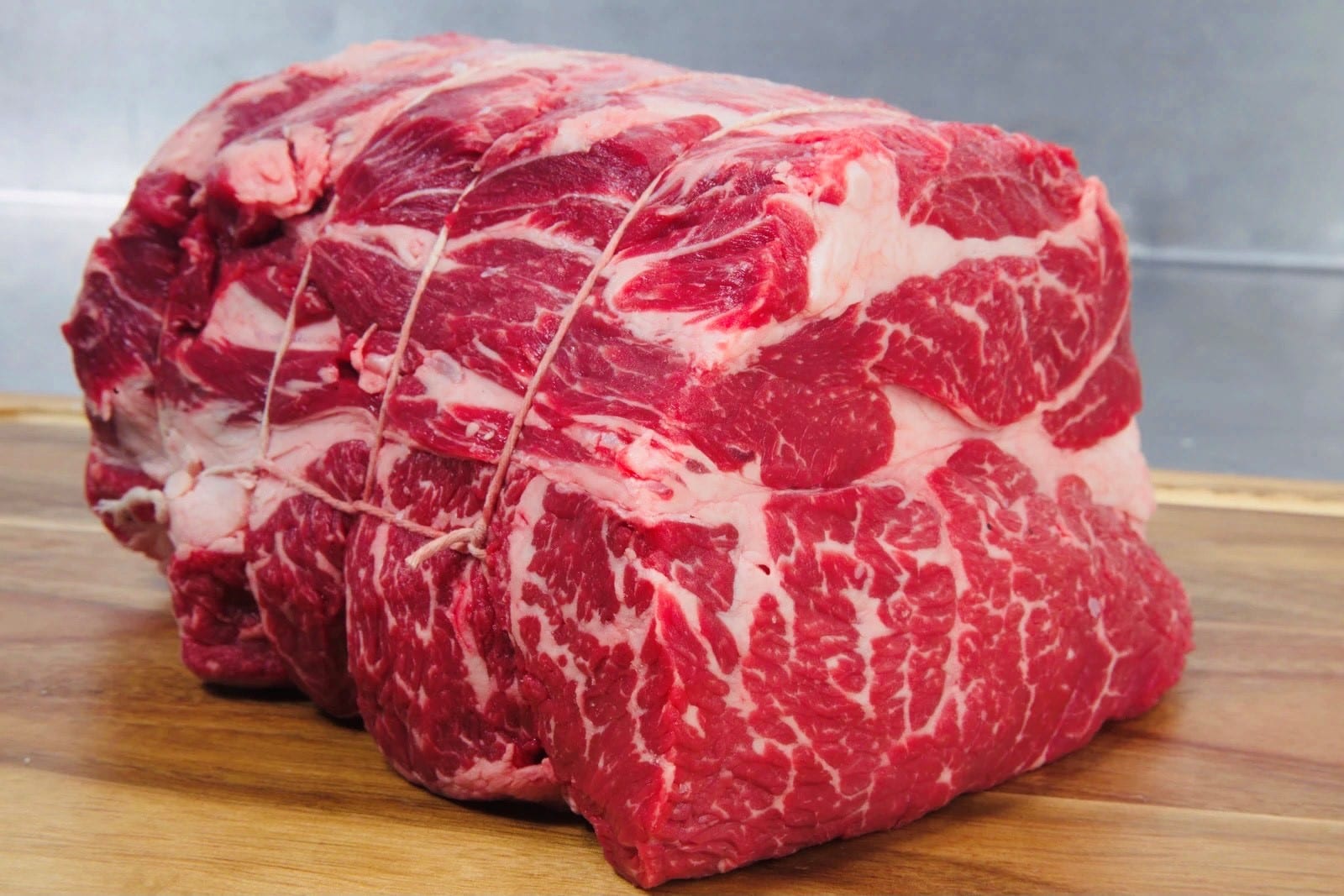
- Beef roast:Choose a 3-4 pound beef roast from the chuck, rump, or rib section.
- Seasonings:Salt, black pepper, garlic powder, onion powder, paprika, and dried oregano.
- Olive oil:For greasing the roasting pan.
- Red wine:For marinating the roast (optional).
- Beef broth:For basting the roast during roasting.
- Fresh herbs:Such as rosemary, thyme, or parsley, for added flavor (optional).
Preparation
Marinating
To enhance the flavor, you can marinate the roast in a mixture of red wine, herbs, and spices for several hours or overnight. This step helps tenderize the meat and allows the flavors to penetrate deeply.
Roasting
- Preheat oven to 350°F (175°C).
- Season the roast generously with salt, pepper, and the desired spices.
- In a large roasting pan, sear the roast on all sides over medium-high heat.
- Transfer the roast to the oven and roast for approximately 2 hours, or until the internal temperature reaches 135°F (57°C) for medium-rare, 145°F (63°C) for medium, or 155°F (68°C) for medium-well.
- During roasting, baste the roast with beef broth every 30 minutes to keep it moist and flavorful.
Carving
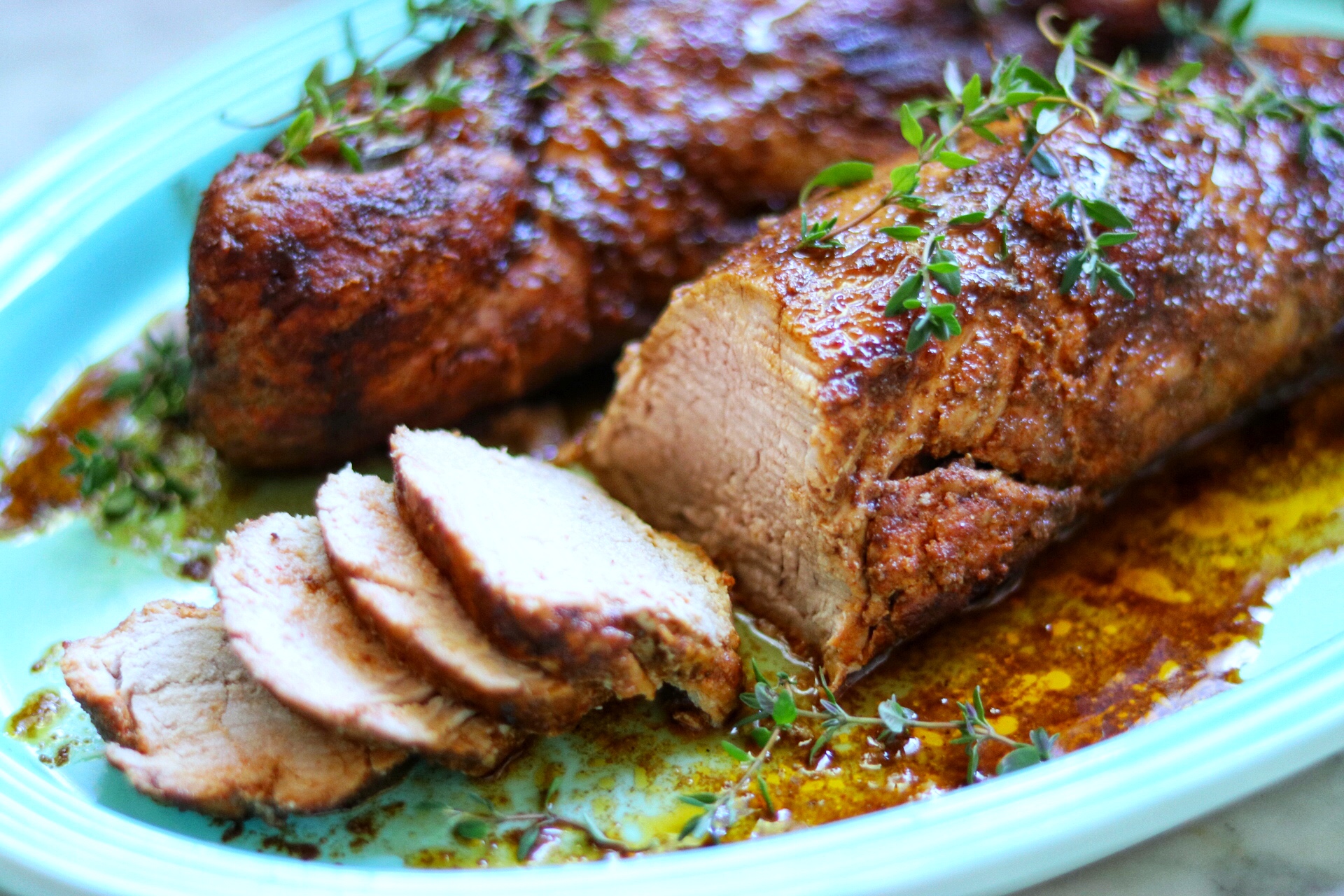
Once the roast is cooked to your desired doneness, let it rest for 15-20 minutes before carving. This allows the juices to redistribute throughout the meat, resulting in a more tender and flavorful roast. Slice the roast against the grain to ensure maximum tenderness.
Variations and Accompaniments
The Delmonico roast is a versatile dish that can be customized to suit various tastes and preferences. Chefs and home cooks alike have experimented with different variations, resulting in a range of flavor profiles and presentations.
Savor the juicy tenderness of a delmonico roast, its savory crust inviting you to indulge. Pair it with the velvety richness of mashed potatoes, and you have a feast that dances on your palate. Cheesecake Factory's secret recipe transforms ordinary potatoes into a culinary masterpiece, adding a touch of elegance to your delmonico roast experience.
Variations, Recipe for delmonico roast
- Cuts of Beef:While traditionally made with a prime rib roast, the Delmonico roast can be prepared using other cuts of beef, such as the top sirloin, chuck roast, or brisket. Each cut offers a unique texture and flavor, allowing for a variety of culinary experiences.
- Flavor Variations:To enhance the flavor of the roast, additional ingredients can be incorporated during the preparation process. Marinating the beef in a mixture of herbs, spices, and liquids, such as red wine or beef broth, infuses it with rich flavors. Rubbing the roast with a flavorful compound butter or herb paste creates a flavorful crust.
Accompaniments
The Delmonico roast is often accompanied by a selection of side dishes that complement its rich and savory flavors. These accompaniments elevate the dining experience and create a harmonious meal.
The delmonico roast, a succulent masterpiece, exudes an aroma that dances through the kitchen, tantalizing the senses. Its savory crust whispers secrets of culinary prowess, inviting one to explore a realm of gastronomic delights. While the roast basks in its glory, let us venture into a realm of culinary diversity, where recipes with polish kielbasa and pasta intertwine, offering a symphony of flavors that will awaken your taste buds.
Returning to our delmonico roast, we find its interior tender and juicy, a testament to the careful preparation that has brought this dish to life.
- Mashed Potatoes:Creamy and velvety mashed potatoes provide a comforting and absorbent base for the flavorful juices of the roast. They soak up the savory gravy, creating a delightful combination of textures and flavors.
- Roasted Vegetables:A medley of roasted vegetables, such as carrots, parsnips, and Brussels sprouts, adds color and a healthy balance to the meal. The vegetables caramelize in the oven, developing a sweet and savory flavor that complements the roast.
- Yorkshire Pudding:This classic British accompaniment is a puffy, eggy bread that soaks up the juices of the roast. Its light and airy texture provides a delightful contrast to the richness of the beef.
Presentation and Serving Suggestions: Recipe For Delmonico Roast
The Delmonico roast, a culinary masterpiece, deserves a presentation that matches its grandeur. When presenting the roast, consider the following tips to create an elegant and memorable dining experience:
Carving and Slicing Techniques
Carving the Delmonico roast is an art form. Use a sharp carving knife to ensure clean, even slices. Hold the knife at a slight angle and slice against the grain of the meat, creating thin, tender slices.
The ideal serving size is approximately 4-6 ounces per person. This allows guests to savor the flavor and texture of the roast without feeling overwhelmed.
Accompanying Sauces and Condiments
Complement the rich flavors of the Delmonico roast with a selection of sauces and condiments. Horseradish cream, a classic accompaniment, adds a piquant touch. Other options include red wine sauce, au jus, or a simple butter sauce.
Table Etiquette and Customs
Serving Delmonico roast in various settings requires attention to table etiquette and customs. In formal dining, the roast is typically presented on a silver platter and carved at the table by the host or a designated carver.
In less formal settings, the roast can be carved and served on individual plates. Encourage guests to share and enjoy the communal experience of this exceptional dish.
Final Conclusion
In conclusion, the recipe for Delmonico roast is a culinary treasure that has stood the test of time. Its rich history, delectable flavors, and elegant presentation make it a dish that is perfect for any occasion. Whether you are hosting a grand dinner party or simply indulging in a comforting meal, this timeless recipe will not disappoint.