Harness the power of nature with our antifungal essential oil blend recipe, a potent concoction that effectively combats fungal infections. Dive into the world of essential oils, unlocking their antifungal properties and discovering how to craft your own healing blend.
Essential oils have been revered for centuries for their medicinal qualities, and modern research has substantiated their antifungal efficacy. Our comprehensive guide empowers you with the knowledge to select the most effective oils, calculate safe dilutions, and explore various application methods.
Embrace the healing power of nature and bid farewell to fungal woes.
Essential Oil Blends for Antifungal Applications

Essential oils have gained recognition for their potential antifungal properties. These natural compounds possess mechanisms of action that target various fungal species, offering a promising alternative or complementary approach to conventional antifungal treatments.
Essential Oils with Antifungal Properties
Several essential oils have demonstrated antifungal activity, including:
- Tea Tree Oil:Contains terpinen-4-ol, which disrupts fungal cell membranes and inhibits spore germination.
- Lavender Oil:Exhibits antifungal activity against Candida and Aspergillus species due to its linalool and linalyl acetate components.
- Oregano Oil:Rich in carvacrol and thymol, which possess potent antifungal and antibacterial properties.
- Thyme Oil:Contains thymol, which disrupts fungal cell walls and inhibits growth.
- Cinnamon Oil:Effective against a wide range of fungi, including Candida and Cryptococcus species, due to its cinnamaldehyde content.
Mechanisms of Action and Effectiveness
The antifungal mechanisms of essential oils vary depending on the specific oil and its chemical composition. Some common mechanisms include:
- Membrane Disruption:Certain essential oils, such as tea tree oil, disrupt fungal cell membranes, leading to leakage of cell contents and cell death.
- Inhibition of Spore Germination:Oils like lavender oil inhibit the germination of fungal spores, preventing the spread of infection.
- Antioxidant Activity:Essential oils with antioxidant properties, such as oregano oil, neutralize free radicals and protect against oxidative damage caused by fungi.
Case Studies and Research Findings
Numerous studies have supported the antifungal efficacy of essential oil blends. For instance, a study published in the Journal of Medical Microbiology found that a blend of tea tree oil, lavender oil, and cinnamon oil effectively inhibited the growth of Candida albicans, a common fungal pathogen.
An antifungal essential oil blend recipe can be a natural and effective way to combat fungal infections. Whether you're looking for a way to enhance your overall well-being or simply want to indulge in the joy of cooking an apple pie , this versatile blend can be tailored to your specific needs.
By incorporating a few drops of essential oils into your daily routine, you can harness the power of nature to promote health and well-being while enjoying the comforting aroma of freshly baked apple pie.
Another study, published in the International Journal of Molecular Sciences, demonstrated the antifungal activity of a blend of oregano oil, thyme oil, and clove oil against Aspergillus fumigatus, a fungus that causes invasive aspergillosis.
Antifungal essential oil blend recipes are a great way to combat fungal infections naturally. However, if you're looking for a delicious side dish to accompany your meal, the gullivers creamed corn recipe is a must-try. This classic recipe is easy to make and packed with flavor.
Once you've enjoyed your creamed corn, you can return to exploring antifungal essential oil blend recipes for your health and wellness needs.
Formulating an Antifungal Essential Oil Blend: Antifungal Essential Oil Blend Recipe

To formulate an effective antifungal essential oil blend, it's crucial to select the most potent oils for your specific fungal infection. Consult with a qualified healthcare professional or research reputable sources to determine the appropriate oils based on the type of fungus you're targeting.
Essential Oil Selection
- Tea Tree Oil:Renowned for its broad-spectrum antifungal properties, tea tree oil is effective against various fungal strains.
- Oregano Oil:Possessing potent antifungal compounds, oregano oil is particularly effective against Candida and other fungal infections.
- Lavender Oil:With its antifungal and anti-inflammatory properties, lavender oil helps soothe irritated skin and combat fungal infections.
- Thyme Oil:Rich in thymol, a powerful antifungal agent, thyme oil effectively targets a wide range of fungal strains.
Dilution Ratios
Essential oils are highly concentrated and should always be diluted before topical application to avoid skin irritation or adverse reactions. The appropriate dilution ratio depends on the specific essential oil used and the severity of the fungal infection.
As a general guideline, a 2-5% dilution ratio is recommended for most essential oils. This means adding 2-5 drops of essential oil to 98-95 drops of carrier oil, such as jojoba, coconut, or almond oil.
Incorporating essential oils into your antifungal regimen can provide an effective and natural solution. For a potent blend, consider combining tea tree, lavender, and peppermint oils. Meanwhile, if you're seeking culinary inspiration, explore our collection of 12 tomatoes recipes desserts that tantalize taste buds with their unique flavors.
As you delve into these delectable creations, don't forget the importance of maintaining a healthy balance in your antifungal regimen with essential oil blends.
Carrier Oils
Carrier oils play a crucial role in enhancing the efficacy of essential oil blends by diluting them and facilitating their absorption into the skin. They also provide additional skin-nourishing benefits.
- Jojoba Oil:Closely resembling the skin's natural sebum, jojoba oil is an excellent carrier oil for all skin types.
- Coconut Oil:Possessing antifungal properties of its own, coconut oil is a suitable carrier oil for treating fungal infections.
- Almond Oil:Rich in vitamins and antioxidants, almond oil helps soothe and nourish the skin while supporting the antifungal effects of essential oils.
Application Methods for Antifungal Essential Oil Blends
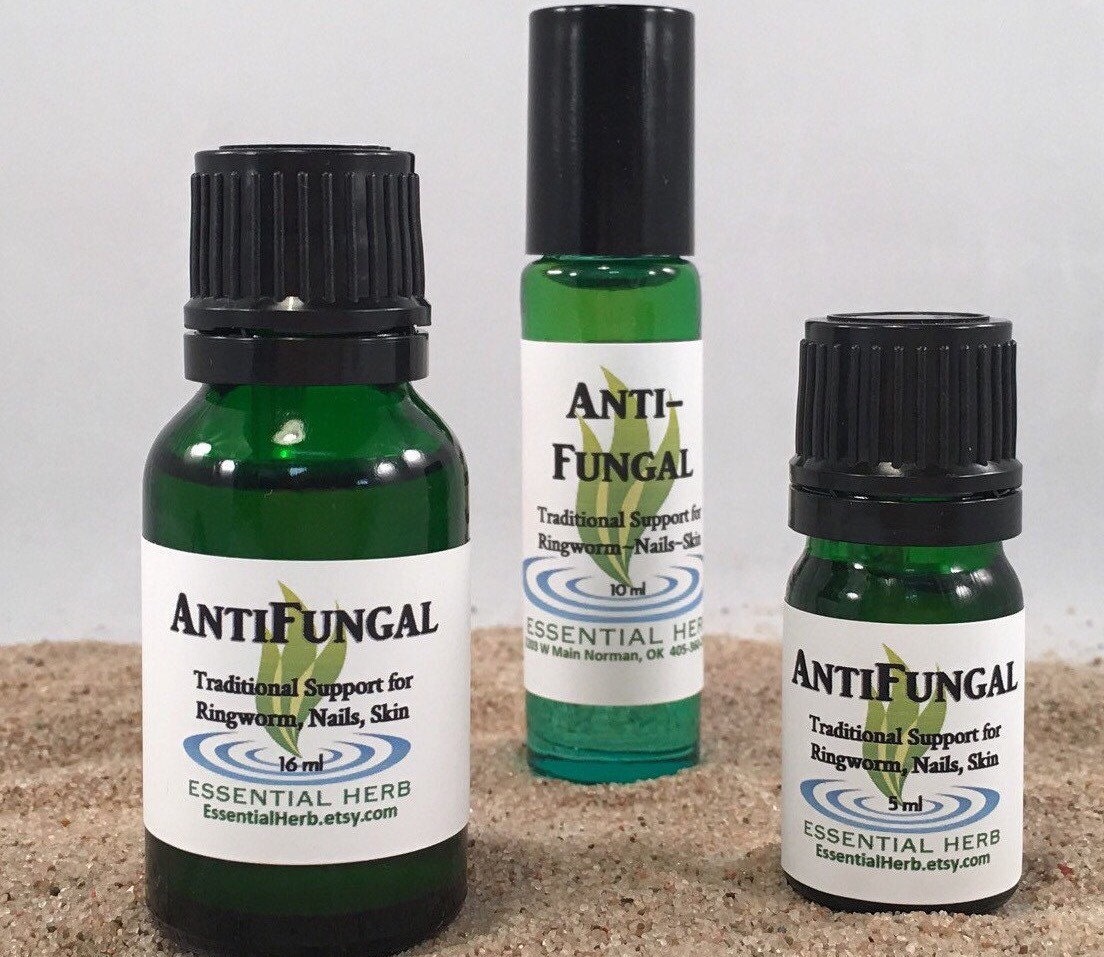
Antifungal essential oil blends can be applied in various ways, each with its advantages and considerations. Understanding these methods and their appropriate usage ensures safe and effective application.
Harnessing the antifungal properties of essential oils, our blend empowers you to combat infections. Meanwhile, if you seek a culinary adventure, indulge in the delectable flavors of halibut air fryer recipe here . Upon savoring this treat, return to our antifungal essential oil blend recipe, ensuring optimal health and well-being.
The primary application methods include topical, inhalation, and oral ingestion. Each method is discussed in detail below, along with its potential risks and benefits.
Topical Application
- Direct Application:Applying the essential oil blend directly to the affected area is a common method. Dilute the blend with a carrier oil (e.g., coconut oil, jojoba oil) at a ratio of 2-3 drops of essential oil per 10 ml of carrier oil.
Test a small area first to ensure skin compatibility.
- Compresses:Soak a clean cloth or gauze in a solution of the diluted essential oil blend and apply it to the affected area. Leave it on for 15-20 minutes, repeating several times a day.
- Baths:Add 5-10 drops of the diluted essential oil blend to a warm bath and soak for 15-20 minutes. Inhale the steam for added benefits.
Inhalation
- Diffusion:Use an essential oil diffuser to disperse the essential oil blend into the air. This method is suitable for large areas and can help purify the air while providing antifungal benefits.
- Steam Inhalation:Add 2-3 drops of the essential oil blend to a bowl of hot water. Cover your head with a towel and inhale the steam for 10-15 minutes. This method is effective for respiratory issues.
Oral Ingestion, Antifungal essential oil blend recipe
- Capsules:Fill empty capsules with the diluted essential oil blend and take them orally. This method is not recommended for all essential oils and should be done under the guidance of a qualified healthcare professional.
- Tinctures:Mix the essential oil blend with a neutral-tasting alcohol (e.g., vodka, brandy) to create a tincture. Take a few drops of the tincture as directed by a healthcare professional.
Important Note:Always dilute essential oils before topical application or ingestion. Some essential oils can cause skin irritation or other adverse effects if used undiluted. It is crucial to consult with a qualified healthcare professional before using essential oils, especially if you have any underlying health conditions or are taking medications.
Precautions and Considerations for Using Antifungal Essential Oil Blends
Before using any essential oil blend for antifungal purposes, it is crucial to take certain precautions and considerations to ensure safety and effectiveness.
Proper Dilution and Skin Sensitivity Testing
Essential oils are highly concentrated and can cause skin irritation or allergic reactions if applied undiluted. Always dilute essential oil blends with a carrier oil, such as jojoba or coconut oil, before applying them to the skin. A good rule of thumb is to use a 2-3% dilution, meaning 2-3 drops of essential oil blend per 10ml of carrier oil.
It is also essential to test the diluted blend on a small patch of skin before applying it to a larger area. This will help determine if you have any allergic reactions or sensitivities to the oils.
Potential Drug Interactions and Contraindications
Some essential oils may interact with certain medications or have contraindications for specific health conditions. For example, grapefruit essential oil can interact with statin drugs, and peppermint oil should be avoided by people with gastroesophageal reflux disease (GERD).
If you are taking any medications or have any underlying health conditions, consult with a healthcare professional before using essential oil blends.
Storage and Shelf Life
To maintain the potency and safety of antifungal essential oil blends, proper storage is crucial. Store blends in dark glass bottles away from direct sunlight and heat. Essential oils can oxidize and lose their effectiveness over time, so it is important to check the shelf life of the oils you are using.
Final Review
Incorporating antifungal essential oil blends into your healthcare regimen offers a natural and effective solution for combating fungal infections. By following our expert guidance, you can harness the power of essential oils to alleviate symptoms, promote healing, and restore your well-being.
Embrace the wisdom of nature and experience the transformative benefits of antifungal essential oil blends.


