Recipe For Beard Balm – Embark on a journey of beard grooming excellence with our comprehensive guide to crafting your own beard balm. Dive into the world of beard care and discover the secrets to a well-groomed, healthy beard that will turn heads.
From understanding the benefits of each ingredient to mastering the art of application, this guide empowers you to take control of your beard’s destiny. Get ready to elevate your grooming routine and unleash the full potential of your facial hair.
Ingredients and their benefits
Beard balm is a styling product that helps to tame, nourish, and protect your beard. It’s typically made from a combination of natural ingredients, each of which has its own unique benefits.
Some of the most common ingredients found in beard balm include:
- Beeswax: Beeswax helps to hold the balm in place and gives it a slightly waxy texture. It also helps to protect the beard from the elements.
- Shea butter: Shea butter is a rich moisturizer that helps to soften and condition the beard. It also has anti-inflammatory properties that can help to soothe irritated skin.
- Coconut oil: Coconut oil is another excellent moisturizer that helps to keep the beard soft and healthy. It also has antibacterial and antifungal properties that can help to protect the beard from infection.
- Jojoba oil: Jojoba oil is a natural oil that is very similar to the sebum that your skin produces. It helps to keep the beard moisturized and protected without making it feel greasy.
- Essential oils: Essential oils can be added to beard balm to give it a variety of different scents and benefits. Some of the most popular essential oils for beard balm include lavender, peppermint, and tea tree oil.
When choosing a beard balm, it’s important to look for one that is made with high-quality ingredients. The ingredients should be listed on the product label, and you should avoid products that contain harsh chemicals or artificial fragrances.
Step-by-step s
Crafting your own beard balm at home is a rewarding experience, allowing you to customize it to your specific beard needs and preferences. Follow these detailed s to create a nourishing and effective beard balm that will leave your facial hair feeling soft, manageable, and healthy.
Measuring Ingredients
Before you begin, ensure you have all the necessary ingredients and tools. You’ll need a kitchen scale or measuring cups and spoons, a heat-resistant bowl, a double boiler or microwave, a small saucepan, and a spatula or wooden spoon.
Melting Base Oils and Butters
Begin by measuring out the desired amounts of your chosen base oils and butters. Heat them gently in a double boiler or microwave until they are melted and combined.
Adding Essential Oils
Once the base oils and butters are melted, remove them from the heat and allow them to cool slightly. Add your desired essential oils and stir to combine.
Pouring into Containers
Pour the melted mixture into small containers, such as beard balm tins or glass jars. Allow the balm to cool and solidify completely at room temperature.
While whipping up a batch of beard balm, the tantalizing aroma of Pf Chang’S Fried Rice Recipe wafted from the kitchen, a culinary masterpiece that sent my taste buds on a savory adventure. Inspired by the fusion of flavors, I decided to incorporate a hint of sesame oil into my beard balm, creating a concoction that nourishes and scents my beard, leaving it feeling invigorated and oh-so-suave.
Tips for Successful Beard Balm Making
- Use high-quality ingredients for the best results.
- Experiment with different essential oils to find a scent you enjoy.
- If the balm is too hard, add a little more oil. If it’s too soft, add a little more beeswax.
- Store the balm in a cool, dry place.
Types of beard balm
Beard balms are available in various types, each tailored to specific beard needs. Understanding the different types and their unique benefits will help you make an informed choice for your beard care routine.
Moisturizing beard balm
Moisturizing beard balms are formulated to deeply hydrate and nourish dry, brittle beards. They contain natural oils and butters, such as shea butter, coconut oil, or jojoba oil, that penetrate the hair shafts, replenishing moisture and restoring softness and shine.
Styling beard balm
Styling beard balms provide hold and control for unruly or difficult-to-manage beards. They often contain beeswax or other natural waxes that give the beard a pliable, workable texture, allowing you to shape and style it as desired. Styling balms can also add volume and definition to thin or sparse beards.
Conditioning beard balm
Conditioning beard balms are designed to repair and strengthen damaged beards. They contain a blend of nourishing oils, such as argan oil, almond oil, or avocado oil, that penetrate the hair shafts, providing essential nutrients and vitamins. Conditioning balms help reduce breakage, split ends, and promote overall beard health and vitality.
Choosing the right beard balm
The best type of beard balm for you depends on your specific beard needs. If you have a dry, coarse beard, a moisturizing balm will be most effective in restoring hydration. For styling purposes, a balm with a stronger hold is recommended. If your beard is damaged or prone to breakage, a conditioning balm will provide the necessary nourishment and repair.
Benefits of using beard balm

Beard balm is a must-have grooming product for any man with a beard. It provides a multitude of benefits that can help to keep your beard looking and feeling its best.
For those of you bearded dudes, don’t forget to give your facial hair some TLC with a homemade beard balm. It’s like a moisturizer for your beard, keeping it soft and healthy. Speaking of healthy, have you tried the Kale Red Russian Recipe ? It’s a delicious and nutritious salad that’s perfect for a light and refreshing meal.
And to top it off, making your own beard balm is super easy, so there’s no excuse not to give it a try!
Moisturizing and conditioning
Beard balm is an excellent moisturizer for your beard. It helps to keep your beard hair soft and smooth, and it can also help to prevent dryness and itching. The natural oils in beard balm can penetrate the hair shaft and provide deep conditioning, leaving your beard feeling healthy and manageable.
Styling
Beard balm can also be used to style your beard. It can help to hold your beard in place and give it a more polished look. Beard balm is also a good way to tame flyaways and keep your beard looking neat and tidy.
Promoting beard health and growth
In addition to its moisturizing and styling benefits, beard balm can also help to promote beard health and growth. The natural ingredients in beard balm can help to nourish the hair follicles and stimulate hair growth. Beard balm can also help to protect your beard from damage caused by environmental factors, such as the sun and wind.
Essential oils for beard balm
Essential oils are concentrated plant oils that offer a wide range of therapeutic properties. When incorporated into beard balm, they enhance its benefits, providing additional nourishment and grooming capabilities.
Recommended essential oils for beard care
Some of the most beneficial essential oils for beard care include:
- Cedarwood oil: Promotes hair growth, reduces dandruff, and soothes irritation.
- Tea tree oil: Antibacterial and antifungal, it helps fight beardruff and acne.
- Eucalyptus oil: Stimulates hair follicles, improves circulation, and reduces inflammation.
- Lavender oil: Promotes relaxation, reduces stress, and improves sleep quality.
- Jojoba oil: Moisturizes and conditions the beard, leaving it soft and manageable.
Incorporating essential oils into beard balm
To incorporate essential oils into beard balm, add a few drops (usually 5-10) to the melted base oils. Mix well to ensure even distribution. It’s important to note that essential oils are highly concentrated, so a little goes a long way. Always follow the recommended usage guidelines to avoid skin irritation or other adverse effects.
Troubleshooting common beard balm issues: Recipe For Beard Balm
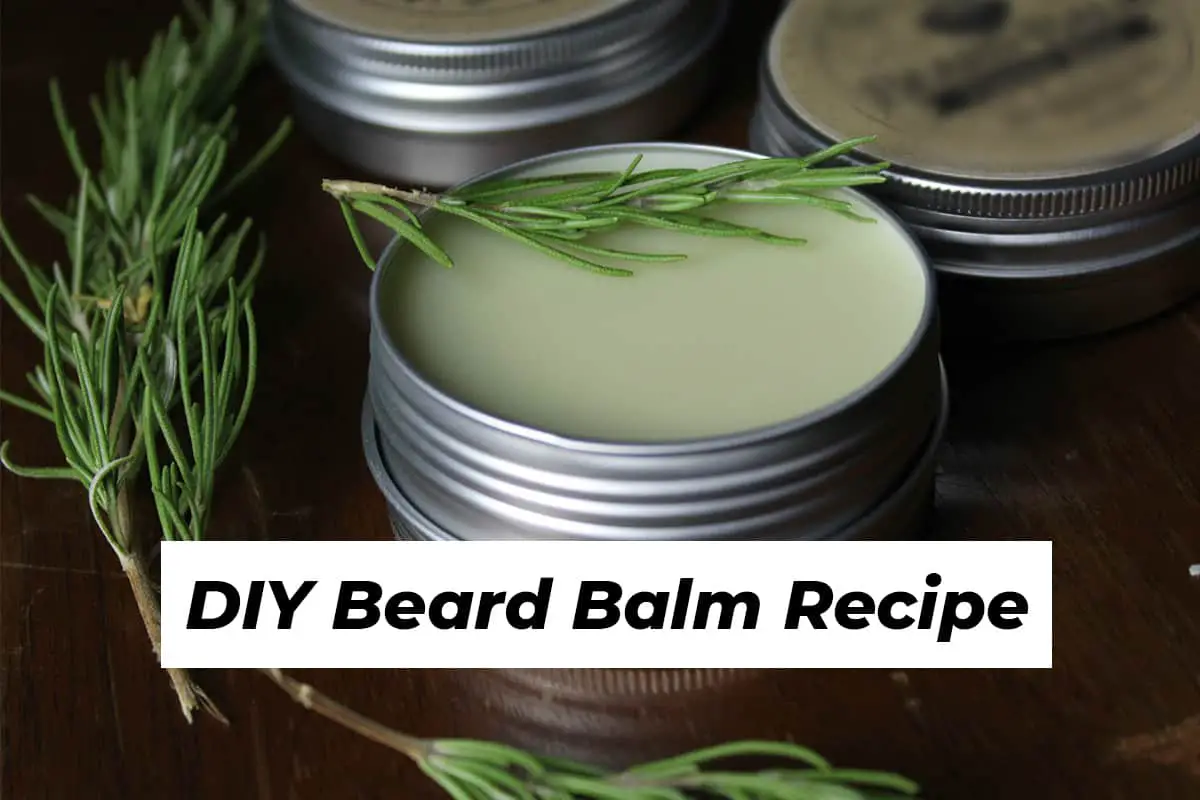
Beard balm is a versatile grooming product that can help you achieve a well-groomed and healthy beard. However, sometimes you may encounter some common problems while making or using beard balm. Here are some troubleshooting tips to help you resolve these issues:
Grainy texture, Recipe For Beard Balm
If your beard balm has a grainy texture, it means that the ingredients have not been properly mixed. To fix this, you can try melting the balm in a double boiler and then stirring it until it is smooth. You can also try adding a small amount of carrier oil to the balm to help it blend more easily.
Lack of hold
If your beard balm does not provide enough hold, it may be because the beeswax content is too low. To fix this, you can try adding more beeswax to the balm. You can also try using a harder type of beeswax, such as carnauba wax.
Skin irritation
If your beard balm causes skin irritation, it may be because you are allergic to one of the ingredients. To fix this, you can try switching to a different type of beard balm or making your own balm with ingredients that you know you are not allergic to.
Beard balm for different beard types
Beard balm can be customized to suit different beard types, taking into account factors such as coarseness, fineness, curliness, and sensitivity. Here are some specific ingredient recommendations and adjustments for each beard type:
Coarse beards
- Use heavier butters, such as shea butter or cocoa butter, to provide deep conditioning and moisture.
- Add beeswax or candelilla wax for extra hold and control.
- Consider adding essential oils like cedarwood or sandalwood, which can help to soften and tame coarse beards.
Fine beards
- Use lighter butters, such as coconut oil or jojoba oil, to avoid weighing down fine beards.
- Add beeswax or carnauba wax for a light hold and definition.
- Consider adding essential oils like lavender or rosemary, which can help to promote hair growth and thicken fine beards.
Curly beards
- Use butters with a medium consistency, such as mango butter or kokum butter, to provide moisture and definition without weighing down curls.
- Add beeswax or candelilla wax for a flexible hold that won’t make curls look stiff or crunchy.
- Consider adding essential oils like peppermint or eucalyptus, which can help to stimulate hair follicles and promote curl growth.
Sensitive beards
- Use gentle butters, such as aloe vera butter or calendula butter, to soothe and calm sensitive skin.
- Avoid using beeswax or other waxes that can be irritating to sensitive skin.
- Consider adding essential oils like chamomile or lavender, which have calming and anti-inflammatory properties.
Natural vs. commercial beard balms
When it comes to beard care, there are two main types of beard balms to choose from: natural and commercial. Both have their own benefits and drawbacks, so it’s important to understand the differences before making a decision.
Natural beard balms
Natural beard balms are made with all-natural ingredients, such as beeswax, shea butter, and coconut oil. These ingredients are gentle on the skin and hair, and they can help to nourish and protect the beard. Natural beard balms are also typically free of synthetic fragrances and dyes, which can be irritating to some people.
Benefits of natural beard balms:
* Made with all-natural ingredients
* Gentle on the skin and hair
* Nourishes and protects the beard
* Free of synthetic fragrances and dyes
Drawbacks of natural beard balms:
* Can be more expensive than commercial beard balms
* May not be as effective as commercial beard balms
* Can be difficult to find
Commercial beard balms
Commercial beard balms are made with a variety of ingredients, including natural and synthetic ingredients. These ingredients are often designed to provide specific benefits, such as moisturizing, conditioning, or styling. Commercial beard balms are typically more affordable than natural beard balms, and they are widely available.
Benefits of commercial beard balms:
* More affordable than natural beard balms
* Widely available
* Can provide specific benefits, such as moisturizing, conditioning, or styling
Drawbacks of commercial beard balms:
* May contain synthetic ingredients
* Can be harsh on the skin and hair
* May not be as effective as natural beard balms
How to choose the best beard balm for you
The best beard balm for you will depend on your individual preferences and needs. If you have sensitive skin, you may want to choose a natural beard balm that is free of synthetic fragrances and dyes. If you are looking for a beard balm that provides specific benefits, such as moisturizing or conditioning, you may want to choose a commercial beard balm that is designed for that purpose.
Ultimately, the best way to find the right beard balm for you is to try a few different types and see what works best for your beard.
Packaging and storage of beard balm
Beard balm is a natural product that requires proper packaging and storage to maintain its quality and extend its shelf life. Here’s why packaging and storage matter:
Preservation of ingredients: Beard balm contains natural ingredients that can degrade over time when exposed to light, air, and moisture. Proper packaging helps protect these ingredients from external factors, preserving their potency and effectiveness.
Prevention of contamination: Improper storage can lead to contamination of beard balm by bacteria or other microorganisms. Suitable containers and storage conditions minimize the risk of contamination, ensuring the safety and hygiene of the product.
Suitable containers
- Glass jars: Glass jars are airtight and non-reactive, making them ideal for storing beard balm. They protect the product from light and moisture, preserving its quality.
- Metal tins: Metal tins are durable and lightweight, providing good protection against external factors. They are also airtight, preventing oxidation and contamination.
- Plastic containers: Food-grade plastic containers are a convenient and affordable option. However, ensure they are BPA-free and designed for cosmetic storage.
Storage conditions
- Cool and dry place: Store beard balm in a cool, dry place away from direct sunlight and heat sources. Ideal temperatures range from 50°F to 70°F (10°C to 21°C).
- Avoid extreme temperatures: Extreme temperatures can cause the ingredients in beard balm to break down or separate. Avoid storing it in excessively hot or cold environments.
- Keep the container closed: Always keep the container tightly closed after use to prevent air and moisture from entering. This helps maintain the product’s consistency and prevents oxidation.
Extending shelf life
- Use clean utensils: Always use clean utensils to scoop out beard balm to avoid introducing bacteria.
- Avoid water contamination: Water can introduce bacteria and mold. Keep the container dry and avoid getting water into it.
- Monitor the product: Regularly check the beard balm for any changes in consistency, color, or smell. If you notice any signs of spoilage, discard the product.
Design a recipe table
Crafting the perfect beard balm requires a delicate balance of ingredients and precise measurements. To simplify the process, we’ve compiled a comprehensive recipe table that will guide you through the creation of various beard balms, each tailored to specific needs and preferences.
Beard Balm Recipes
The table below presents a curated selection of beard balm recipes, meticulously designed to cater to different beard types and desired outcomes. Each recipe includes a detailed list of ingredients, precise quantities, and clear instructions to ensure a successful balm-making experience.
| Recipe Name | Ingredients | Instructions | Additional Notes |
|---|---|---|---|
| Classic Beard Balm |
|
|
|
| Sensitive Skin Beard Balm |
|
|
|
| Beard Growth Beard Balm |
|
|
|
With this recipe table at your fingertips, you’ll be able to craft the perfect beard balm for your unique needs and preferences. Whether you’re seeking deep hydration, gentle nourishment, or beard growth stimulation, the right recipe is waiting to be discovered.
Beard balm safety precautions
While beard balm is generally safe for most people, it’s important to be aware of potential safety considerations to ensure a positive experience.
To avoid allergic reactions or skin irritation, it’s crucial to do a patch test before applying beard balm to your entire beard. Apply a small amount to a small area of skin on your inner forearm and wait 24 hours. If no irritation occurs, it’s likely safe to use on your beard.
Proper application
To ensure safe and effective use, follow these guidelines for proper application:
- Wash your hands thoroughly before applying beard balm.
- Start with a small amount and gradually increase as needed.
- Apply evenly throughout your beard, avoiding the skin underneath.
- Massage gently to distribute the balm and promote absorption.
Proper storage
Proper storage is essential to maintain the quality and effectiveness of your beard balm:
- Store in a cool, dry place away from direct sunlight.
- Keep the lid tightly closed to prevent contamination.
- Avoid storing in extreme temperatures, as this can affect the consistency and ingredients.
By following these precautions, you can safely enjoy the benefits of beard balm while minimizing the risk of any adverse reactions.
Final Summary

With this newfound knowledge, you’re now equipped to craft your own beard balm, tailored specifically to your unique needs. Experiment with different ingredients, essential oils, and techniques to find the perfect formula for your beard. Remember, a well-groomed beard is a reflection of confidence and style, so embrace the power of beard balm and let your facial hair shine.