Prepare to tantalize your taste buds with our delectable Recipe for Grouper Cheeks, an extraordinary culinary journey that unveils the hidden flavors of the sea. Dive into a symphony of textures and savor the nutritional riches of this ocean delicacy, as we guide you through every step of creating a dish that will leave you craving for more.
Grouper cheeks, prized for their delicate flavor and tender texture, offer a blank canvas for culinary creativity. With our expert guidance, you’ll master the art of preparing this succulent fish, exploring various seasonings, cooking techniques, and side dishes that elevate its taste to new heights.
Introduction
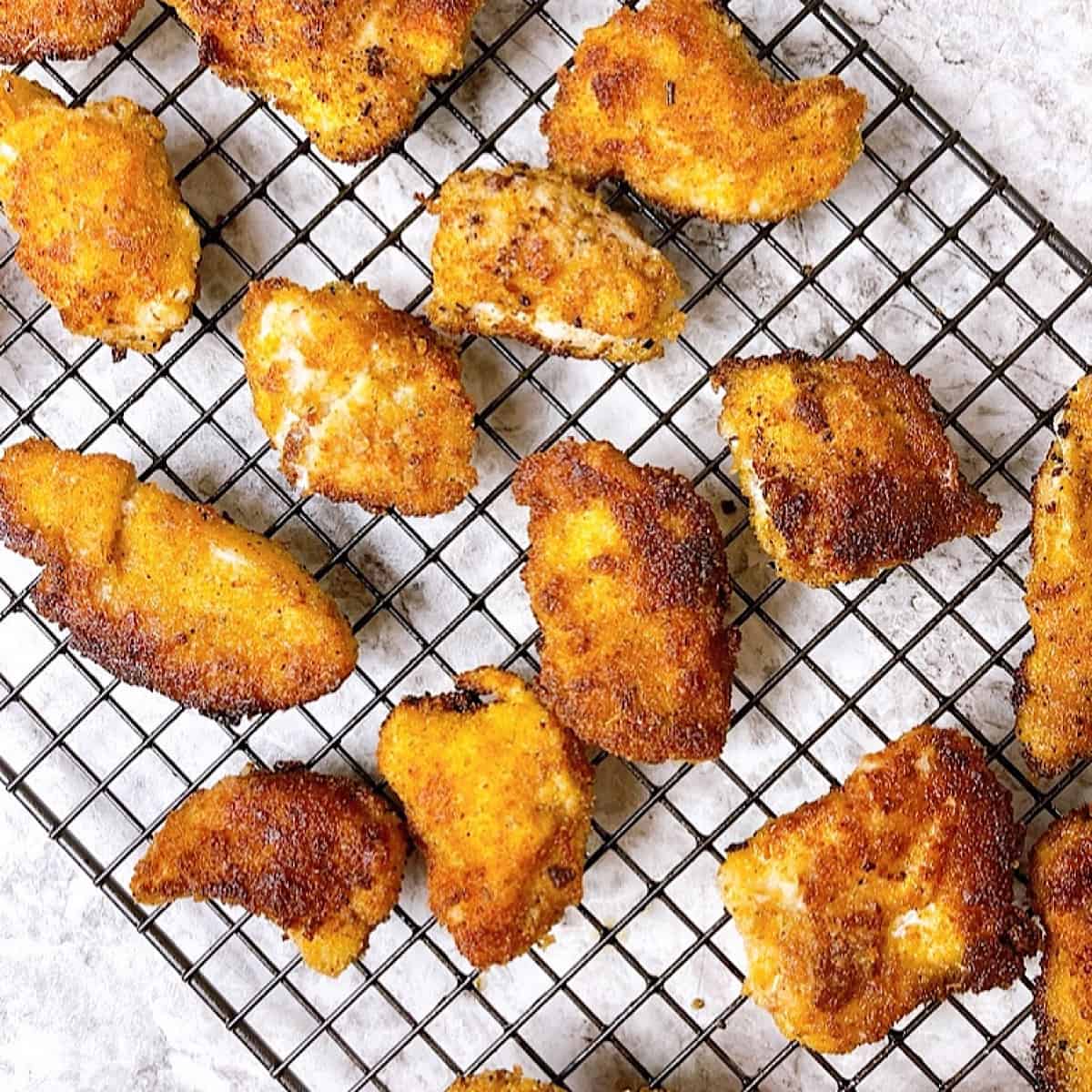
Grouper Cheeks, also known as the “poor man’s lobster,” are a hidden gem in the world of seafood. These delectable morsels are the cheek muscles of the grouper fish, a large marine fish found in tropical and subtropical waters around the globe. Grouper Cheeks are prized for their tender, flaky texture and mild, slightly sweet flavor.
Nutritional Value
In addition to their culinary appeal, Grouper Cheeks are also a nutritional powerhouse. They are an excellent source of lean protein, providing essential amino acids for muscle growth and repair. They are also a good source of omega-3 fatty acids, which have been linked to numerous health benefits, including reduced risk of heart disease, improved brain function, and reduced inflammation. Grouper Cheeks are also a good source of vitamins and minerals, including vitamin B12, selenium, and potassium.
Ingredients
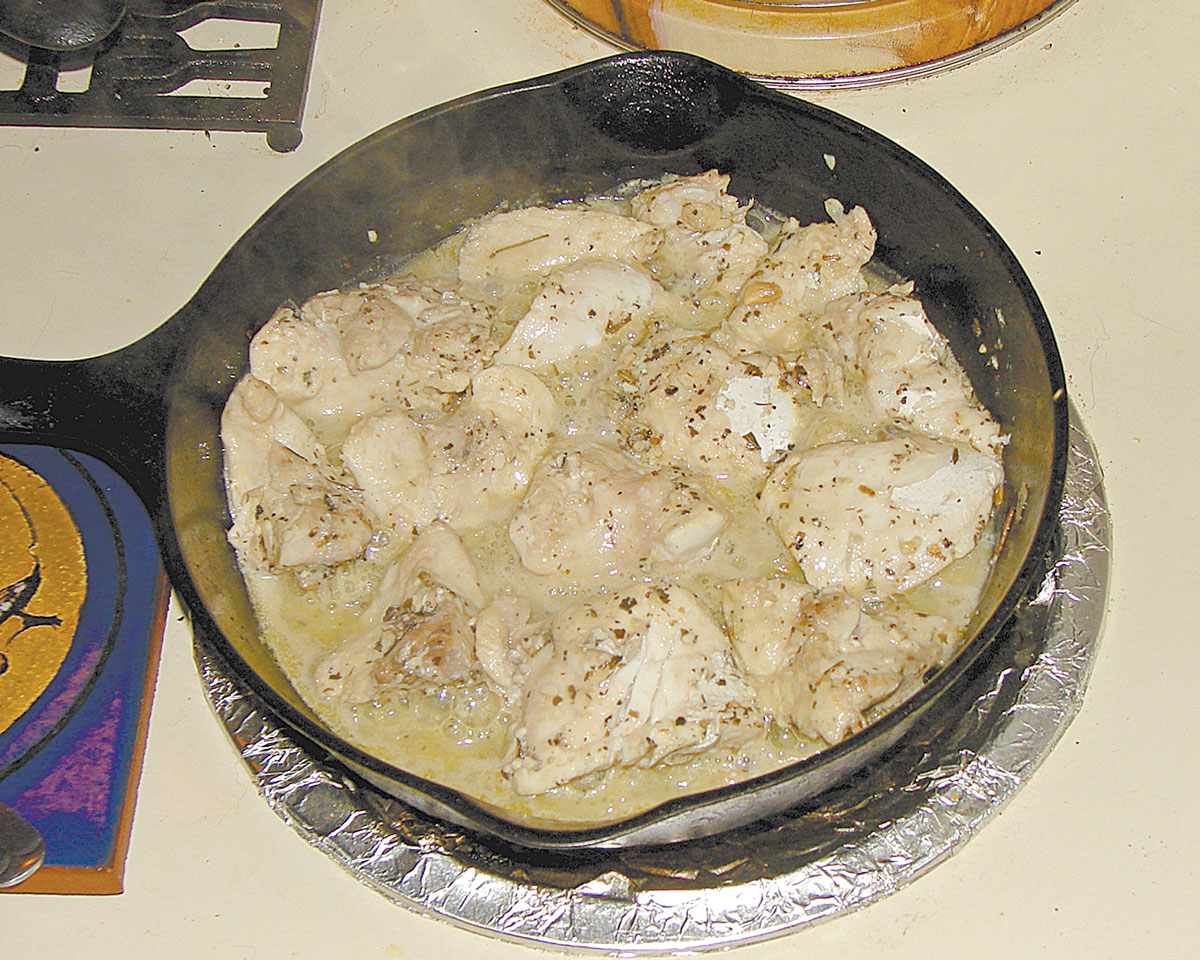
To prepare this delicious dish, you’ll need the following ingredients:
The precise amounts of each ingredient are crucial for achieving the perfect balance of flavors and textures.
Fish
- 1 pound fresh grouper cheeks, skinless and boneless
Seasonings
- 1 teaspoon salt
- 1/2 teaspoon black pepper
- 1/2 teaspoon paprika
- 1/4 teaspoon garlic powder
- 1/4 teaspoon onion powder
Batter
- 1 cup all-purpose flour
- 1/2 cup cornstarch
- 1 teaspoon baking powder
- 1/2 teaspoon salt
- 1 egg
- 1 cup milk
Oil
- Vegetable oil, for frying
3. How to Cook Grouper Cheeks: Recipe For Grouper Cheeks
Grouper cheeks are a versatile dish that can be cooked in various ways. Here’s a step-by-step guide to help you prepare this delicious delicacy:
Choosing the Cooking Method
The cooking method you choose will depend on your preference and the desired texture of the grouper cheeks. Popular methods include:
– Pan-frying: Pan-frying creates a crispy exterior while keeping the inside tender and juicy.
– Baking: Baking is a gentler method that results in a more evenly cooked and moist dish.
– Steaming: Steaming is a healthy option that preserves the delicate flavors and nutrients of the fish.
Cooking Instructions
Once you’ve chosen your cooking method, follow these steps to cook your grouper cheeks:
– Preheat your pan or oven to the appropriate temperature.
– Season the grouper cheeks with salt, pepper, and any other desired spices.
– Cook the grouper cheeks according to the chosen method and cooking time.
– Check the internal temperature of the fish using a meat thermometer to ensure it has reached the desired doneness.
– Let the grouper cheeks rest for a few minutes before serving. This allows the juices to redistribute, resulting in a more flavorful and tender dish.
Seasonings and Flavorings
Seasonings and flavorings play a crucial role in enhancing the taste of Grouper Cheeks. They add depth, complexity, and a symphony of flavors that tantalize the taste buds.
Each seasoning and flavoring brings its unique contribution to the overall flavor profile. Let’s delve into the world of spices and herbs that can transform your Grouper Cheeks into a culinary masterpiece.
Salt and Pepper
- Salt is the foundation of seasoning, bringing out the natural flavors of the fish.
- Black pepper adds a touch of warmth and spiciness, balancing the richness of the Grouper Cheeks.
Garlic and Onion
- Garlic and onion form the aromatic base of many dishes, adding a savory and slightly sweet flavor.
- They release their flavors when cooked, infusing the Grouper Cheeks with a delectable fragrance.
Lemon and Lime
- Citrus fruits like lemon and lime brighten up the flavor profile with their tangy and refreshing notes.
- A squeeze of lemon or lime juice adds a burst of acidity that cuts through the richness of the fish.
Herbs
- Fresh herbs like parsley, cilantro, and basil add a vibrant and aromatic touch.
- They release their essential oils when chopped, infusing the Grouper Cheeks with a herbaceous and refreshing flavor.
Spices
- Spices like paprika, cumin, and cayenne pepper add warmth and depth to the dish.
- They provide a subtle heat and complexity that complements the delicate flavor of the Grouper Cheeks.
Cooking Techniques
Grouper cheeks are a versatile fish that can be cooked using various techniques. Each method offers unique advantages and disadvantages, so choosing the right one depends on your personal preferences and the desired outcome.
Here are some of the most common cooking techniques for grouper cheeks:
Pan-Frying
Pan-frying is a quick and easy way to cook grouper cheeks. It results in a crispy exterior and a tender, flaky interior. However, pan-frying can be messy and requires careful monitoring to prevent burning.
Baking, Recipe For Grouper Cheeks
Baking is a healthier alternative to pan-frying. It produces evenly cooked grouper cheeks with a moist and tender texture. However, baking can take longer than other cooking methods.
Grilling
Grilling is a great way to cook grouper cheeks if you want a smoky flavor. It results in a slightly charred exterior and a juicy interior. However, grilling requires a bit of skill to prevent the fish from overcooking.
Steaming
Steaming is a gentle cooking method that preserves the delicate flavor and texture of grouper cheeks. It results in moist and flaky fish that is low in fat and calories. However, steaming can be time-consuming and may not produce a crispy exterior.
Side Dishes
To accompany the delicate flavor of Grouper Cheeks, consider side dishes that complement its mild taste without overpowering it.
Here are a few suggestions:
Grilled Vegetables
- Roasted asparagus brings a touch of freshness and a slightly bitter note that balances the richness of the fish.
- Grilled zucchini and bell peppers add a vibrant color and a hint of sweetness to the plate.
- Sautéed mushrooms provide an earthy flavor and a juicy texture that pairs well with the flaky fish.
Salads
- A light and refreshing green salad with a citrus vinaigrette adds acidity and brightness to the meal.
- A Mediterranean-inspired salad with grilled halloumi, olives, and feta cheese complements the Grouper Cheeks with its salty and tangy flavors.
- A quinoa salad with roasted vegetables and a tangy dressing provides a healthy and flavorful accompaniment.
Grains
- Steamed rice or couscous serves as a neutral base that allows the flavors of the Grouper Cheeks to shine.
- Quinoa with a nutty flavor and fluffy texture adds a touch of complexity to the dish.
- Grilled polenta with a crispy exterior and creamy interior offers a hearty and satisfying option.
Presentation
Grouper cheeks are a versatile dish that can be presented in a variety of ways. Whether you’re serving them as an appetizer, main course, or side dish, there are a few things you can do to make sure they look their best.
First, consider the plating. Grouper cheeks can be served on a bed of rice, quinoa, or vegetables. You can also arrange them on a platter with other seafood dishes, such as shrimp or scallops. If you’re serving them as an appetizer, you can skewer them and serve them with a dipping sauce.
Garnishes
Once you’ve plated the grouper cheeks, it’s time to add some garnishes. Fresh herbs, such as parsley or cilantro, are a great way to add color and flavor to the dish. You can also use lemon wedges or lime wedges to brighten up the plate. If you’re serving the grouper cheeks with a sauce, you can drizzle it over the top or serve it on the side.
Sauces
Grouper cheeks are a delicious dish on their own, but they can be even better with a sauce. There are a variety of sauces that you can use, depending on your taste. Some popular options include tartar sauce, cocktail sauce, and remoulade. You can also make your own sauce by combining mayonnaise, lemon juice, and herbs.
Variations
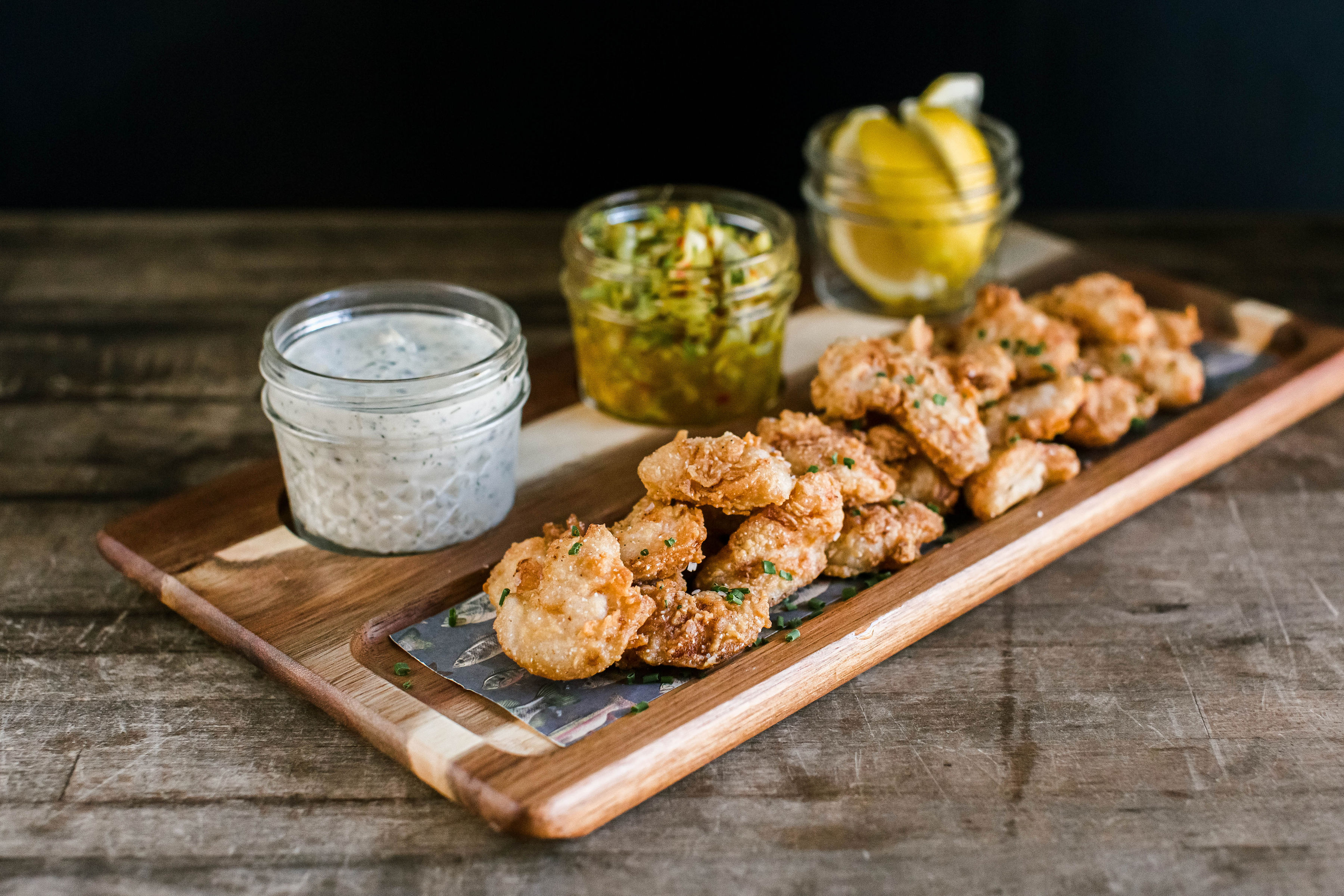
The versatility of Grouper Cheeks allows for a myriad of variations that can cater to diverse palates and preferences. Whether you seek bolder flavors, incorporate new ingredients, or experiment with different cooking techniques, there are endless possibilities to explore.
By introducing a variety of herbs and spices, you can transform the flavor profile of your Grouper Cheeks. Experiment with aromatic herbs such as thyme, oregano, or rosemary, or add a touch of heat with chili flakes or cayenne pepper. A blend of Cajun or Creole seasonings can also infuse your dish with a vibrant and flavorful kick.
Alternative Cooking Methods
Beyond pan-frying, Grouper Cheeks can be prepared using various cooking methods to achieve different textures and flavors. Baking the cheeks in the oven at a moderate temperature allows them to cook evenly while retaining their moistness. Grilling the cheeks over medium heat imparts a smoky flavor and a crispy exterior. Steaming the cheeks gently preserves their delicate texture and allows their natural flavors to shine through.
Accompanying Sauces
A flavorful sauce can complement and enhance the taste of your Grouper Cheeks. Consider a classic lemon-butter sauce, made by combining melted butter with fresh lemon juice and herbs. A creamy white wine sauce, enriched with shallots and mushrooms, adds a touch of elegance and sophistication. For a bolder flavor, try a spicy tomato-based sauce, incorporating chili peppers and a hint of cumin.
Craving for some delectable seafood? Try out our tantalizing Recipe For Grouper Cheeks! These succulent morsels will leave your taste buds dancing with joy. And if you’re looking for a hearty side dish, we highly recommend checking out the Mexican White Trash Recipe . This savory dish combines ground beef, beans, and spices to create a flavor explosion that will complement your grouper cheeks perfectly.
So, dive into these culinary delights and satisfy your cravings!
Storage and Reheating
Grouper cheeks are best enjoyed fresh, but if you have leftovers, you can store them in the refrigerator for up to 3 days or in the freezer for up to 3 months.
To store grouper cheeks in the refrigerator, place them in an airtight container and refrigerate for up to 3 days. To store grouper cheeks in the freezer, place them in a freezer-safe bag or container and freeze for up to 3 months.
When you are ready to reheat grouper cheeks, thaw them in the refrigerator overnight or in the microwave on the defrost setting. Once thawed, you can reheat grouper cheeks in the oven, on the stovetop, or in the microwave.
Cooking up a delectable dish of Grouper Cheeks is a culinary adventure worth embarking on. While we’re on the topic of delectable delights, have you heard about the Peanut Power Plus Recipe ? It’s a symphony of flavors that will tantalize your taste buds.
But let’s not stray too far from our Grouper Cheeks adventure. This dish promises a perfect balance of savory and succulent flavors, leaving you craving for more.
Reheating Grouper Cheeks
- Oven: Preheat the oven to 350 degrees Fahrenheit. Place the grouper cheeks on a baking sheet and bake for 10-15 minutes, or until heated through.
- Stovetop: Heat a skillet over medium heat. Add the grouper cheeks and cook for 5-7 minutes per side, or until heated through.
- Microwave: Place the grouper cheeks in a microwave-safe bowl and microwave on high for 1-2 minutes, or until heated through.
To maintain the quality and flavor of grouper cheeks, it is important to store them properly and reheat them gently. Avoid overcooking grouper cheeks, as this can make them tough and dry.
Health Benefits
Grouper cheeks are a rich source of essential nutrients that can contribute to a balanced diet and overall well-being. They are particularly notable for their high protein content, which is crucial for building and repairing tissues, as well as their abundance of omega-3 fatty acids, which play a vital role in heart health and brain function.
Rich in Protein
Grouper cheeks are an excellent source of protein, providing a significant amount per serving. Protein is an essential nutrient that the body uses to build and repair tissues, produce enzymes and hormones, and transport nutrients and oxygen throughout the body. Consuming adequate protein is crucial for maintaining muscle mass, supporting immune function, and promoting overall health.
Conclusive Thoughts
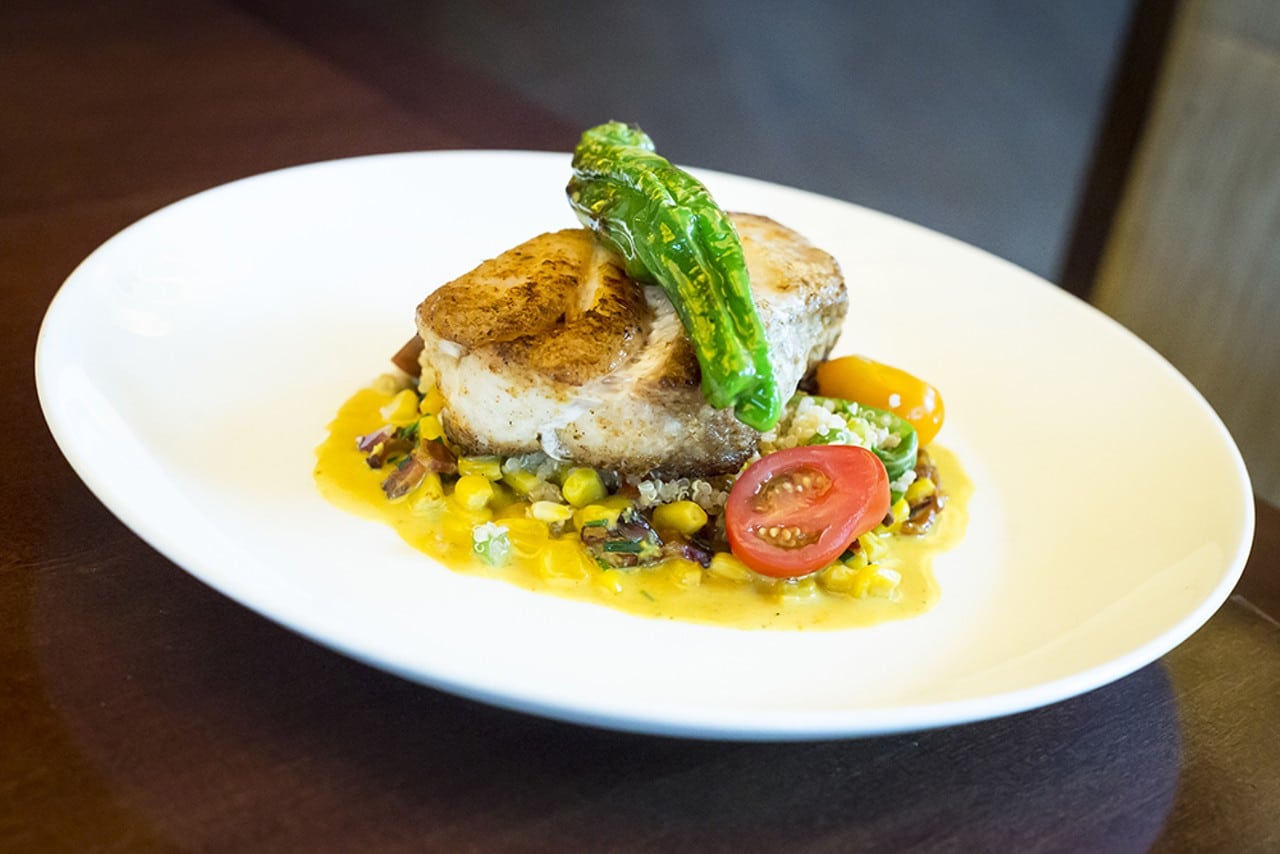
As you embark on this culinary adventure, you’ll not only delight in the exquisite flavors of Grouper Cheeks but also discover its versatility. Whether you prefer grilling, pan-frying, or baking, this recipe empowers you to tailor the dish to your palate, creating a masterpiece that reflects your culinary prowess.
So, gather your ingredients, ignite your culinary passion, and prepare to savor the unforgettable taste of Grouper Cheeks, a dish that will leave a lasting impression on your taste buds and culinary repertoire.