Step into the fragrant world of lemon blossoms, where culinary delights, medicinal wonders, and cultural traditions intertwine. This aromatic flower, with its delicate petals and intoxicating scent, has captivated hearts and palates for centuries. Join us as we delve into the multifaceted Recipe For Lemon Blossoms, uncovering its secrets and inspiring your senses.
From traditional recipes that harness its unique flavor to modern culinary creations that elevate dishes, lemon blossoms offer a versatile ingredient that tantalizes taste buds. Their health benefits, ranging from mood enhancement to immune support, make them a natural remedy worth exploring. And as we journey through history, we’ll discover the cultural significance of lemon blossoms, their symbolism in art and folklore, and their enduring presence in various traditions.
Lemon Blossoms
Lemon blossoms are the delicate and fragrant flowers of the lemon tree. They typically bloom in the spring and are known for their beautiful appearance and captivating scent. These blossoms play a crucial role in the production of lemons, as they are responsible for the fruit’s development.
Botanical Description
Lemon blossoms possess several distinct physical characteristics. They are usually white or pale yellow in color and have five petals that are arranged in a star-shaped formation. The petals are delicate and have a slightly ruffled appearance. The center of the blossom contains a cluster of stamens and a pistil, which are essential for the production of fruit.
One of the most notable features of lemon blossoms is their unique fragrance. The blossoms emit a sweet and citrusy scent that is both refreshing and invigorating. The aroma is often described as a combination of lemon zest and floral notes, making it a popular ingredient in perfumes and other scented products.
Traditional Uses of Lemon Blossoms
Lemon blossoms have held cultural and historical significance for centuries, particularly in the Mediterranean region. These delicate, fragrant flowers have been incorporated into traditional recipes, rituals, and medicinal practices.
Culinary Delights
In Mediterranean cuisine, lemon blossoms are prized for their unique floral flavor and aroma. They are often used to infuse honey, creating a sweet and fragrant condiment known as lemon blossom honey. The blossoms are also candied or used to make refreshing beverages, such as lemon blossom tea and lemonade.
If you’re craving a burst of sunshine in your kitchen, the Recipe For Lemon Blossoms will transport you to a fragrant citrus paradise. But for a savory twist, take a culinary detour to the Pork Birria Tacos Recipe , where tender pork meets a symphony of spices.
Then, return to the Recipe For Lemon Blossoms for a sweet and zesty finish that will leave your taste buds dancing with delight.
Traditional Medicine
Lemon blossoms have also been used in traditional medicine for their purported health benefits. In some cultures, the blossoms are brewed into tea to alleviate anxiety and promote relaxation. They are also believed to have antibacterial and antiviral properties.
Culinary Applications of Lemon Blossoms
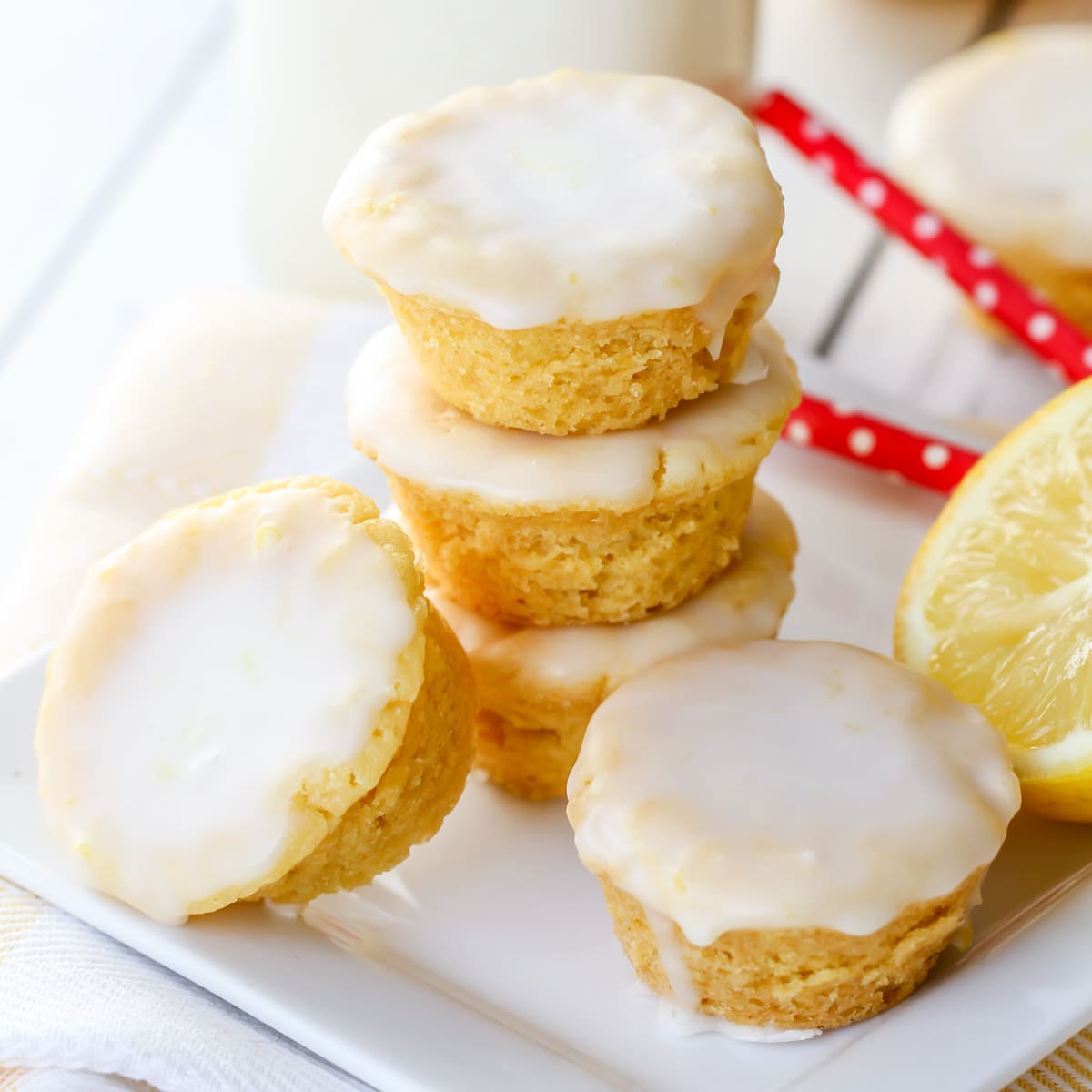
Lemon blossoms, with their delicate fragrance and slightly bitter flavor, offer a unique culinary experience. From sweet treats to savory dishes, these edible flowers can elevate any meal.
Sweet Delights
The delicate sweetness of lemon blossoms pairs wonderfully with desserts. Try incorporating them into:
- Lemon Blossom Honey: Steep fresh blossoms in honey for a floral-infused sweetener.
- Lemon Blossom Cakes and Pastries: Add dried or fresh blossoms to cake batter or pie fillings for a fragrant twist.
- Lemon Blossom Sorbet: Blend blossoms with lemon juice, sugar, and water for a refreshing summer treat.
Savory Enhancements
Lemon blossoms also add a subtle complexity to savory dishes. Consider using them in:
- Lemon Blossom Vinaigrette: Combine blossoms, olive oil, vinegar, and herbs for a flavorful salad dressing.
- Lemon Blossom Butter: Mix blossoms into softened butter for a fragrant spread on bread or fish.
- Lemon Blossom Pesto: Blend blossoms with basil, pine nuts, and olive oil for a unique pasta sauce.
Garnishes and Flavoring Agents
Lemon blossoms serve as both beautiful garnishes and subtle flavor enhancers. Sprinkle them over:
- Cocktails: Add a delicate floral touch to gin and tonics or margaritas.
- Seafood: Garnish grilled fish or shrimp with blossoms for a fresh and aromatic presentation.
- Desserts: Decorate cakes, tarts, and ice cream with blossoms for an elegant finish.
Health Benefits of Lemon Blossoms: Recipe For Lemon Blossoms
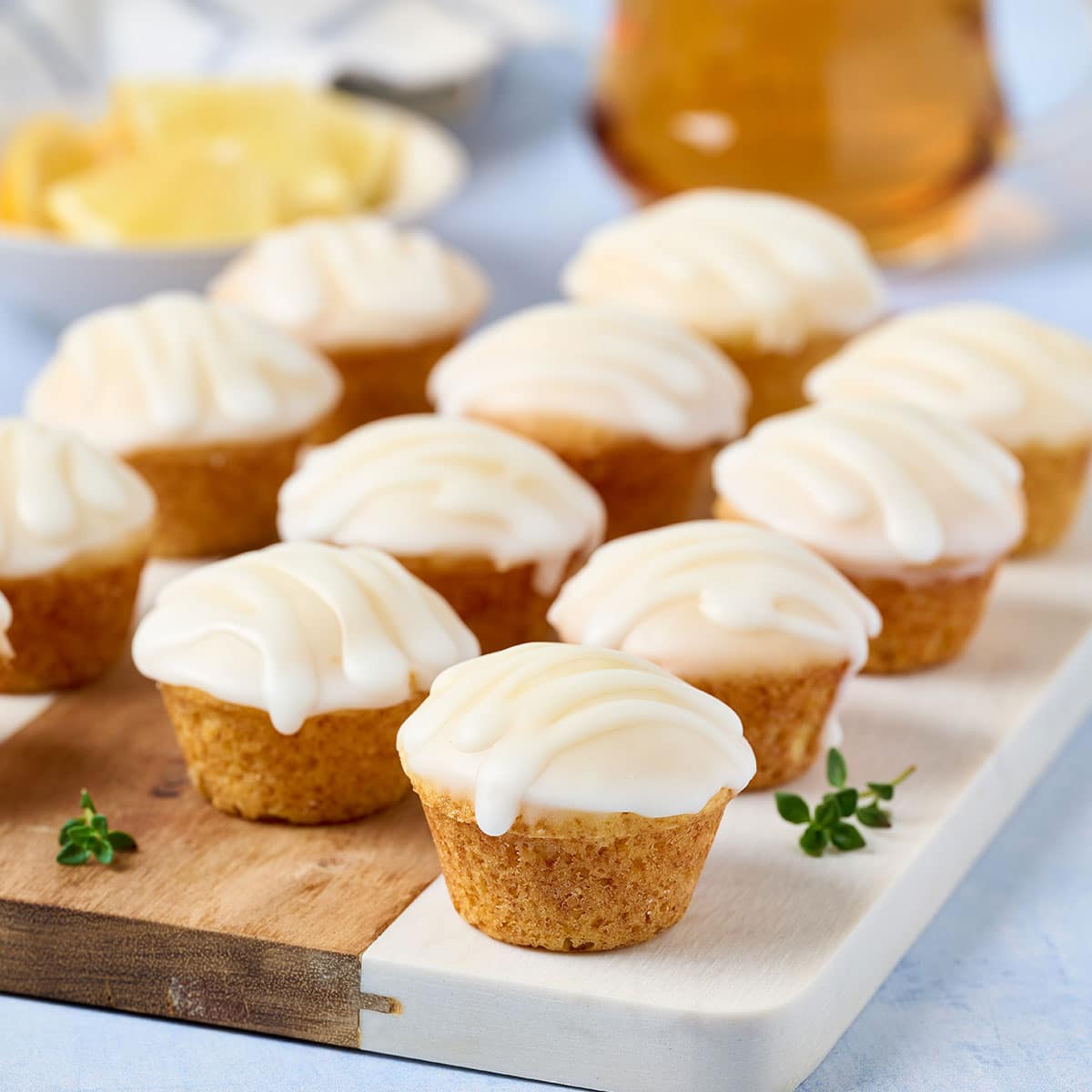
Lemon blossoms, the fragrant flowers of the lemon tree, are not just aesthetically pleasing but also pack a punch of health benefits. These delicate blooms are a treasure trove of nutrients and medicinal properties that have been utilized for centuries in traditional medicine.
Lemon blossoms are rich in vitamins, minerals, and antioxidants. They contain high levels of vitamin C, which is essential for immune system health and collagen production. They are also a good source of potassium, calcium, and magnesium, which are important for maintaining healthy blood pressure, bone health, and muscle function.
Antioxidant Properties
Lemon blossoms are loaded with antioxidants, such as flavonoids and terpenes. These compounds help protect the body against damage caused by free radicals, which are unstable molecules that can damage cells and contribute to aging and chronic diseases. The antioxidant properties of lemon blossoms may help reduce the risk of certain types of cancer, heart disease, and neurodegenerative disorders.
Anti-inflammatory Properties
Lemon blossoms possess anti-inflammatory properties due to the presence of compounds like hesperidin and rutin. These compounds help reduce inflammation throughout the body, which can alleviate symptoms of conditions such as arthritis, asthma, and inflammatory bowel disease.
Antimicrobial Properties
Lemon blossoms have antimicrobial properties that help fight off infections. They contain compounds that have been shown to be effective against a wide range of bacteria and viruses, including E. coli, Staphylococcus aureus, and Candida albicans.
Other Health Benefits
- May promote relaxation and sleep
- May support digestive health
- May help reduce stress and anxiety
- May boost energy levels
Growing and Harvesting Lemon Blossoms

Growing lemon trees specifically for blossom production requires careful cultivation practices and attention to the tree’s specific needs. Understanding the optimal conditions and techniques for harvesting lemon blossoms is crucial to ensure a bountiful and fragrant yield.
Cultivation and Care
Lemon trees thrive in well-drained, slightly acidic soil with plenty of sunlight. Regular watering is essential, especially during the hot summer months. Fertilizing the trees with a balanced fertilizer during the growing season provides the necessary nutrients for healthy growth and blossom production.
Harvesting Techniques
Harvesting lemon blossoms is a delicate process that requires patience and care. The blossoms should be picked when they are fully open and have a vibrant yellow color. Use sharp, clean shears to cut the stems close to the base of the flower. Avoid picking blossoms that are damaged or discolored.
Preserving and Storing Lemon Blossoms

To capture the essence of lemon blossoms beyond their fleeting season, preservation techniques offer a delightful way to savor their delicate fragrance and culinary versatility. Whether you choose to dry or freeze these fragrant blooms, proper storage practices are crucial to maintain their freshness and flavor.
Drying Lemon Blossoms
Drying lemon blossoms is an effective method to preserve their aroma and flavor. To achieve optimal results:
- Harvest blossoms on a dry, sunny day when they are fully open.
- Gently remove the petals from the calyx and discard the stamens.
- Spread the petals in a single layer on a drying rack or baking sheet lined with parchment paper.
- Place the rack in a warm, well-ventilated area with indirect sunlight.
- Turn the petals occasionally to ensure even drying.
- Once completely dry (typically within 2-3 days), store the petals in an airtight container in a cool, dark place.
Freezing Lemon Blossoms
Freezing is another viable option for preserving lemon blossoms. This method is particularly useful if you plan to use the blossoms in culinary preparations:
- Harvest blossoms on a dry, sunny day when they are fully open.
- Gently remove the petals from the calyx and discard the stamens.
- Place the petals in a single layer on a baking sheet lined with parchment paper.
- Freeze the petals for at least 2 hours or until solid.
- Transfer the frozen petals to an airtight freezer-safe bag or container.
- Store the petals in the freezer for up to 6 months.
When ready to use, simply thaw the frozen petals before incorporating them into your culinary creations.
Lemon Blossom Honey
Lemon blossom honey is a rare and exquisite honey variety prized for its delicate floral aroma and unique flavor profile. It is produced by honeybees that forage exclusively on the nectar of lemon blossoms during the brief blooming period in spring.
Production of Lemon Blossom Honey
The production of lemon blossom honey is a delicate and labor-intensive process. Honeybees must be strategically placed near lemon groves during the flowering season to ensure access to the precious nectar. As the bees diligently collect nectar from the fragrant lemon blossoms, they convert it into honey within their hives.
Flavor and Health Benefits of Lemon Blossom Honey
Lemon blossom honey possesses a light amber color and a distinct floral aroma reminiscent of freshly picked lemons. Its flavor is sweet with a subtle hint of citrusy acidity, making it a versatile ingredient in both culinary and medicinal applications.
Beyond its delightful taste, lemon blossom honey is also known for its health-promoting properties. It is a rich source of antioxidants, which help protect the body from oxidative damage. Additionally, it contains antibacterial and antifungal compounds, making it a natural remedy for various ailments.
Lemon Blossom Water
Lemon blossom water is a refreshing and fragrant liquid made from the blossoms of lemon trees. It has been used for centuries in traditional medicine and cooking, and is still popular today for its many benefits.
To make lemon blossom water, simply combine 1 cup of lemon blossoms with 2 cups of water in a saucepan. Bring to a boil, then reduce heat and simmer for 15 minutes. Strain the liquid and let it cool before using.
Traditional Uses
Lemon blossom water has been used traditionally to treat a variety of ailments, including headaches, stomachaches, and anxiety. It is also said to promote sleep and improve digestion.
Modern Uses
Today, lemon blossom water is still used for its medicinal properties, but it is also popular as a flavoring agent in food and drinks. It can be added to tea, lemonade, or cocktails, or used to make desserts like panna cotta or sorbet.
Floral Infusions with Lemon Blossoms
Harnessing the delicate fragrance and invigorating essence of lemon blossoms, floral infusions offer a captivating way to savor their aromatic charm. These infusions, steeped in tradition and brimming with versatility, unlock a world of culinary and therapeutic delights.
Crafting floral infusions with lemon blossoms is a simple yet rewarding endeavor. By steeping the blossoms in a base liquid such as water, oil, or vinegar, their delicate flavors and therapeutic compounds are gently extracted. The resulting infusions can be enjoyed as refreshing beverages, culinary enhancements, or soothing topical applications.
Culinary Applications, Recipe For Lemon Blossoms
- Enhance Salads and Desserts: Drizzle lemon blossom infusion over fresh greens or fruit salads to impart a subtle floral note.
- Infuse Cocktails and Mocktails: Add a touch of floral elegance to your favorite drinks by incorporating lemon blossom infusion as a flavorful mixer.
- Create Delicate Sauces: Reduce lemon blossom infusion with honey or butter to create a fragrant sauce perfect for drizzling over grilled meats or vegetables.
Therapeutic Applications
- Promote Relaxation: Sip on a warm cup of lemon blossom infusion before bed to soothe the nerves and encourage restful sleep.
- Relieve Stress: Add a few drops of lemon blossom infusion to your bathwater for a relaxing and aromatic soak.
- Treat Skin Conditions: Apply lemon blossom infusion topically to soothe irritated skin, reduce inflammation, and promote healing.
Lemon Blossom Essential Oil
Lemon blossom essential oil is a highly concentrated liquid that captures the aromatic essence of lemon blossoms. It’s extracted through a delicate process that preserves the oil’s therapeutic and aromatic properties.
The extraction process typically involves steam distillation. Lemon blossoms are placed in a still, where steam is passed through them. The steam carries the volatile compounds from the blossoms, which condense into a liquid. This liquid is then separated into essential oil and water.
Therapeutic Properties
- Antibacterial and antiviral: Lemon blossom essential oil exhibits antimicrobial properties that can help fight infections caused by bacteria and viruses.
- Antioxidant: The oil contains antioxidants that protect cells from damage caused by free radicals.
- Mood enhancer: The uplifting and calming aroma of lemon blossom essential oil can help improve mood and reduce stress.
- Digestive aid: Lemon blossom essential oil can help stimulate digestion and relieve symptoms of indigestion.
- Skin care: The oil’s antibacterial and antioxidant properties make it beneficial for skin care, helping to reduce inflammation and promote a healthy complexion.
Aromatic Properties
Lemon blossom essential oil has a sweet, floral, and citrusy aroma. It’s often used in aromatherapy for its calming and uplifting effects. The oil can be diffused, added to baths, or applied topically to enjoy its therapeutic benefits.
Lemon blossom essential oil is a versatile and potent oil with a wide range of therapeutic and aromatic properties. It’s a valuable addition to any essential oil collection.
For a zesty treat, try the Recipe For Lemon Blossoms. Its delightful blend of lemon and sugar creates a taste that’s both sweet and refreshing. If you’re looking for more muffin inspiration, check out Martha White Muffin Mix Recipes for a variety of flavors and combinations.
From classic blueberry to decadent chocolate, there’s a muffin mix for every craving. But remember, the Recipe For Lemon Blossoms remains a timeless classic, perfect for any occasion.
Cultural Significance of Lemon Blossoms
Lemon blossoms hold cultural significance in various regions, symbolizing purity, love, and joy. Their delicate fragrance and ethereal beauty have inspired artists, writers, and musicians throughout history.
In Art and Literature
In Renaissance paintings, lemon blossoms often adorned the heads of brides and symbolized fertility. They were also depicted in still life paintings, capturing their beauty and delicate nature.
In literature, lemon blossoms have inspired poetic imagery. The 19th-century poet Elizabeth Barrett Browning wrote, “I love the fading lemon-flowers / Whose breath is as a sigh.” Their scent has been described as a metaphor for longing and desire.
In Folklore and Mythology
In some cultures, lemon blossoms are believed to bring good luck and ward off evil spirits. In Greece, they are used to decorate homes during Easter celebrations, symbolizing purity and renewal.
In ancient Egypt, lemon blossoms were associated with the goddess Isis, who was known for her healing and protective powers. They were used in rituals to honor her and invoke her blessings.
Conclusion
Our exploration of Recipe For Lemon Blossoms has unveiled a treasure trove of culinary, medicinal, and cultural wonders. Whether you’re seeking inspiration for your next culinary adventure, remedies for well-being, or a deeper connection to cultural heritage, lemon blossoms offer a path of discovery and delight. Embrace their fragrance, savor their flavor, and let their essence enrich your life.