Recipes With Tapioca Flour: Embark on a culinary adventure as we delve into the world of this versatile ingredient, exploring its unique properties and unlocking its potential to create mouthwatering gluten-free treats.
From tantalizing baked goods to savory dishes, tapioca flour shines as a key component, offering a plethora of possibilities for those seeking delicious and nutritious gluten-free options.
Tapioca Flour Properties
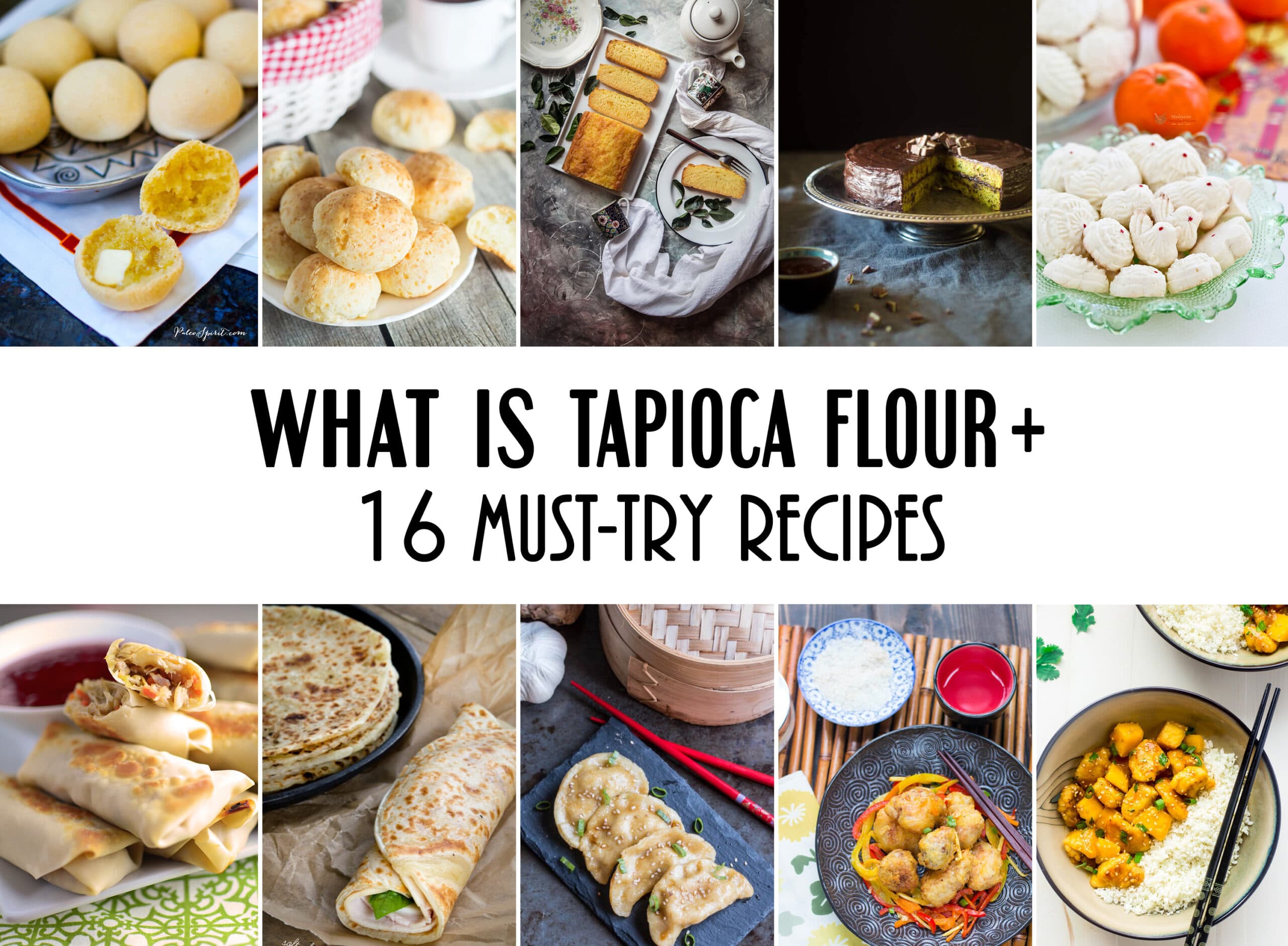
Tapioca flour, derived from the starch of the cassava root, stands out as a versatile and unique ingredient in the culinary world. Its exceptional characteristics have made it a popular choice for gluten-free baking and cooking.
One defining feature of tapioca flour is its texture. When used in recipes, it imparts a chewy and slightly sticky quality, contributing to the desirable texture of baked goods. Unlike wheat flour, tapioca flour lacks gluten, a protein that gives dough its elasticity. This absence of gluten makes it a suitable alternative for individuals with celiac disease or gluten intolerance.
In terms of taste, tapioca flour is relatively neutral, allowing it to blend seamlessly into various dishes without overpowering other flavors. This versatility makes it an ideal ingredient for both sweet and savory preparations.
Nutritional Value
Tapioca flour boasts a respectable nutritional profile. It is a good source of carbohydrates, providing energy for the body. Additionally, it contains small amounts of dietary fiber, which can aid in digestion and promote a feeling of fullness.
Starch Content and Impact on Recipes
The high starch content of tapioca flour plays a crucial role in its culinary applications. Starch, a complex carbohydrate, acts as a thickening agent when heated. This property makes tapioca flour an effective ingredient for sauces, gravies, and puddings, as it helps to create a smooth and viscous consistency.
In baking, tapioca flour can be used as a binder or thickener to enhance the texture of gluten-free baked goods. It helps to hold ingredients together and prevents them from crumbling or becoming too dry.
Benefits and Drawbacks of Tapioca Flour
Compared to other gluten-free flours, tapioca flour offers several benefits. Its neutral taste and chewy texture make it a versatile ingredient that can be incorporated into a wide range of recipes. Additionally, its high starch content makes it an effective thickener, reducing the need for additional additives.
However, tapioca flour also has some drawbacks. It is relatively high in carbohydrates and low in protein and fiber compared to other gluten-free flours. Furthermore, it can be more expensive than some other gluten-free flour options.
Recipes for Baked Goods
Tapioca flour can be used in a variety of baked goods, from bread to cookies to cakes. It adds a chewy texture and a slightly sweet flavor to baked goods. Here are a few recipes that use tapioca flour:
Tapioca Flour Bread
- Ingredients:
- 1 cup tapioca flour
- 1/2 cup almond flour
- 1/2 cup coconut flour
- 1 teaspoon baking powder
- 1/2 teaspoon salt
- 1/2 cup water
- 1/4 cup olive oil
- 1 egg
- Instructions:
- Preheat oven to 350 degrees F (175 degrees C).
- In a large bowl, whisk together the tapioca flour, almond flour, coconut flour, baking powder, and salt.
- In a separate bowl, whisk together the water, olive oil, and egg.
- Add the wet ingredients to the dry ingredients and stir until just combined.
- Pour the batter into a greased 9×5 inch loaf pan.
- Bake for 30-35 minutes, or until a toothpick inserted into the center comes out clean.
- Let the bread cool in the pan for 10 minutes before slicing and serving.
Tapioca Flour Cookies
- Ingredients:
- 1 cup tapioca flour
- 1/2 cup sugar
- 1/2 cup butter, softened
- 1 egg
- 1 teaspoon vanilla extract
- Instructions:
- Preheat oven to 350 degrees F (175 degrees C).
- In a large bowl, cream together the tapioca flour, sugar, and butter until light and fluffy.
- Beat in the egg and vanilla extract.
- Drop the dough by rounded tablespoons onto a greased baking sheet.
- Bake for 10-12 minutes, or until the edges are golden brown.
- Let the cookies cool on the baking sheet for a few minutes before transferring to a wire rack to cool completely.
Tapioca Flour Cake
- Ingredients:
- 1 cup tapioca flour
- 1 cup sugar
- 1/2 cup butter, softened
- 2 eggs
- 1 teaspoon vanilla extract
- 1/2 cup milk
- Instructions:
- Preheat oven to 350 degrees F (175 degrees C).
- Grease and flour a 9×13 inch baking pan.
- In a large bowl, cream together the tapioca flour, sugar, and butter until light and fluffy.
- Beat in the eggs one at a time, then stir in the vanilla extract.
- Alternately add the milk and the remaining tapioca flour to the batter, beginning and ending with the tapioca flour.
- Pour the batter into the prepared pan and bake for 30-35 minutes, or until a toothpick inserted into the center comes out clean.
- Let the cake cool in the pan for 10 minutes before inverting it onto a wire rack to cool completely.
Recipes for Savory Dishes
Tapioca flour is a versatile ingredient that can be used to thicken and bind sauces, soups, and stews. It is a starch that is extracted from the root of the cassava plant. Tapioca flour is gluten-free and has a neutral flavor, making it a good choice for people with gluten sensitivities or allergies.
Using Tapioca Flour in Savory Dishes
There are several different ways to incorporate tapioca flour into savory dishes. One way is to make a slurry by mixing tapioca flour with a small amount of water. This slurry can then be added to the sauce or soup and cooked until thickened. Another way to use tapioca flour is to sprinkle it directly into the sauce or soup while whisking constantly. This will help to prevent the tapioca flour from clumping.
Recipes
Here are a few recipes that feature tapioca flour in savory dishes:
– Tapioca Flour Gravy: This gravy is made with tapioca flour, chicken broth, and seasonings. It is a great way to add flavor and thickness to your favorite dishes.
– Tapioca Flour Soup: This soup is made with tapioca flour, vegetables, and broth. It is a hearty and filling soup that is perfect for a cold winter day.
– Tapioca Flour Stew: This stew is made with tapioca flour, meat, vegetables, and broth. It is a flavorful and satisfying stew that is perfect for a family meal.
Gluten-Free Options
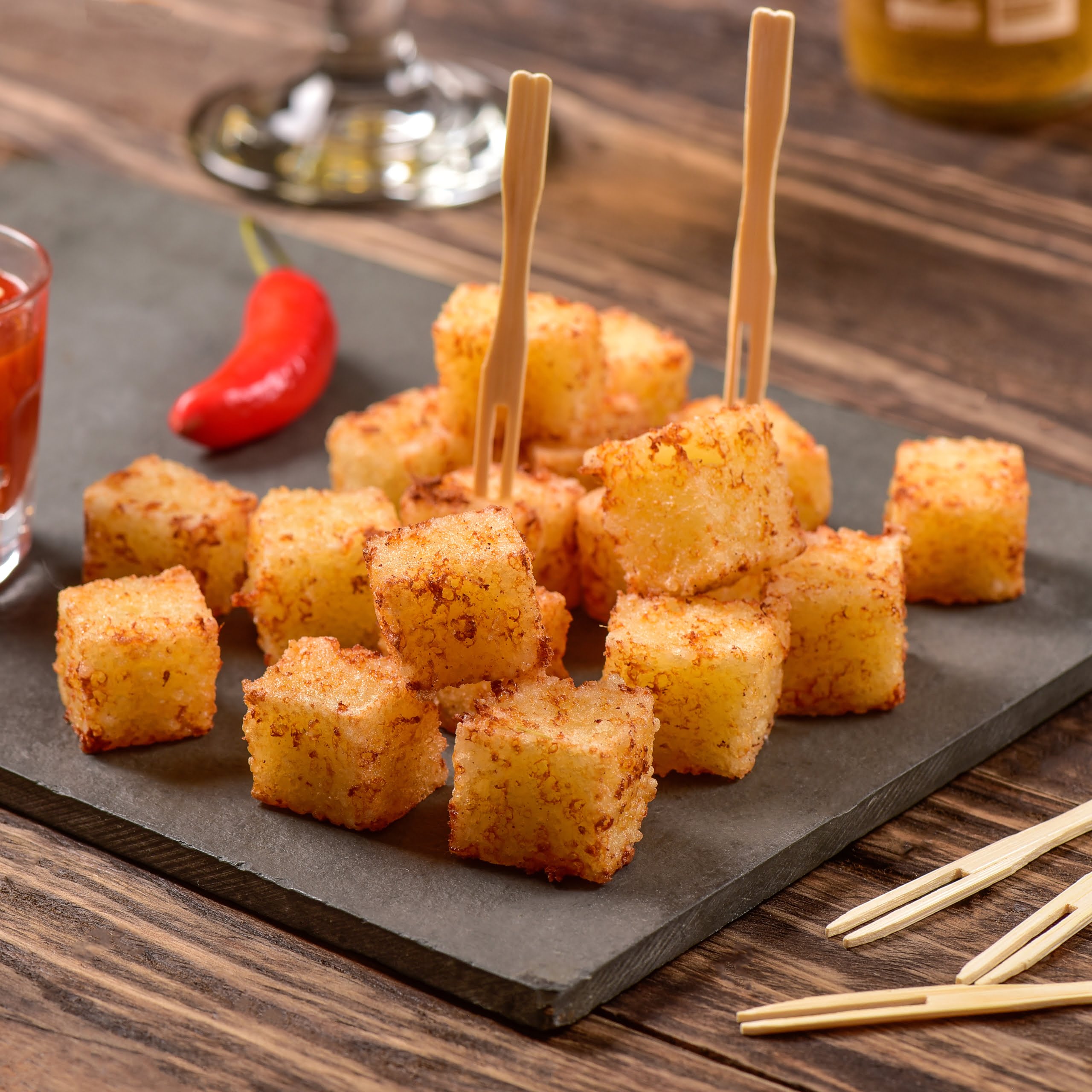
Tapioca flour shines in the realm of gluten-free baking and cooking, offering a versatile and reliable alternative to wheat flour. Its neutral flavor and unique properties make it an ideal ingredient for creating delicious and nutritious gluten-free dishes.
Tapioca flour excels in gluten-free baking due to its ability to bind ingredients together, providing structure and texture to baked goods. It also contributes to a chewy and slightly elastic texture, reminiscent of traditional wheat-based products.
Advantages of Tapioca Flour in Gluten-Free Recipes
- Neutral Flavor: Tapioca flour does not impart a strong flavor to baked goods, allowing other ingredients to shine through.
- Binding Properties: Its ability to bind ingredients ensures that gluten-free baked goods hold their shape and texture.
- Chewy Texture: Tapioca flour contributes to a slightly chewy and elastic texture, providing a satisfying bite.
- Versatility: It can be used in various gluten-free recipes, from breads and pastries to cookies and cakes.
Challenges and Solutions for Working with Tapioca Flour
While tapioca flour offers many benefits, it also presents some challenges that can be easily overcome with the right techniques:
- Moisture Absorption: Tapioca flour absorbs moisture readily, so it’s crucial to adjust liquid ingredients accordingly.
- Graininess: Tapioca flour can sometimes result in a grainy texture, which can be minimized by sifting the flour before use.
- Limited Rise: Gluten-free baked goods using tapioca flour may not rise as much as wheat-based products. Adding leavening agents can help improve volume.
Tapioca Flour Substitutes
:max_bytes(150000):strip_icc()/Simply-Recipes-Tapioca-Pudding-LEAD-5-4beedeeb35f046098cef268f748e43c0.jpg "Flour recipes almond tapioca bread naan indian paleo recipe gluten ingredient unbelievably delicious flatbread try make tortillas rice nut must")
Tapioca flour, extracted from the cassava root, is a versatile gluten-free ingredient commonly used in baking and cooking. However, there may be instances when you need a suitable replacement. Let’s explore some substitutes for tapioca flour, their advantages, and disadvantages, along with a table comparing their properties.
Potato Starch
Potato starch is a white, powdery substance derived from potatoes. It’s a gluten-free alternative to tapioca flour and works well as a thickener in sauces, soups, and gravies. However, it’s not as versatile as tapioca flour and may not be suitable for all baking applications.
Arrowroot Powder
Arrowroot powder is another gluten-free starch extracted from the roots of the arrowroot plant. It’s similar to tapioca flour in texture and thickening ability, making it a suitable substitute in sauces and gravies. However, it may not hold up as well in baking.
Cornstarch
Cornstarch, made from corn, is a common thickener used in cooking and baking. It’s gluten-free and can be used as a substitute for tapioca flour in some applications, but it may not be as effective in baking.
Who doesn’t love a good recipe? Whether it’s for a sweet or savory dish, having a trusty recipe on hand can make all the difference. If you’re looking to expand your culinary repertoire, consider exploring Mississippi Recipes For Success . From classic Southern dishes to modern twists on old favorites, this collection has something for everyone.
And for those who love to bake, don’t forget about tapioca flour. This versatile ingredient can be used to make everything from pancakes to cookies, so you can satisfy your sweet tooth without sacrificing taste or texture.
Rice Flour
Rice flour, ground from rice, is a gluten-free flour that can be used as a substitute for tapioca flour in some baking applications. It’s not as absorbent as tapioca flour, so you may need to adjust the amount used in recipes.
| Substitute | Advantages | Disadvantages |
|---|---|---|
| Potato Starch | Gluten-free, good thickener | Not as versatile, may not be suitable for baking |
| Arrowroot Powder | Gluten-free, good thickener | May not hold up well in baking |
| Cornstarch | Gluten-free, common thickener | May not be as effective in baking |
| Rice Flour | Gluten-free, can be used in baking | Not as absorbent, may need to adjust amount |
Using substitutes for tapioca flour may impact the texture and flavor of your recipes. For example, using potato starch instead of tapioca flour may result in a denser texture, while using cornstarch may make the dish more opaque. It’s important to experiment with different substitutes to find the one that works best for your specific recipe and preferences.
Health Benefits of Tapioca Flour
Tapioca flour, derived from the cassava root, has gained recognition as a versatile gluten-free alternative. Beyond its culinary applications, it offers an array of potential health benefits, making it a worthy addition to a balanced diet.
As a rich source of carbohydrates, tapioca flour provides sustained energy throughout the day. It contains dietary fiber, which aids in digestion, promotes satiety, and regulates blood sugar levels. Furthermore, it boasts a range of essential nutrients, including calcium, iron, and potassium, contributing to overall well-being.
Exploring the culinary wonders of tapioca flour, we stumble upon a delightful recipe for a Pineapple Cream Cheese Pound Cake. This tantalizing treat combines the tangy sweetness of pineapple with the rich, creamy texture of cream cheese, all nestled within a moist and fluffy pound cake.
As we delve further into the world of tapioca flour recipes, we uncover an array of culinary creations that promise to tantalize our taste buds and ignite our passion for cooking.
Nutritional Content of Tapioca Flour
The following table compares the nutritional content of tapioca flour to that of other common flours:
| Nutrient | Tapioca Flour | Wheat Flour | Almond Flour | Coconut Flour |
|---|---|---|---|---|
| Calories | 358 | 364 | 640 | 498 |
| Carbohydrates | 85g | 71g | 22g | 61g |
| Dietary Fiber | 2g | 12g | 12g | 56g |
| Protein | 0.2g | 12g | 21g | 24g |
| Calcium | 25mg | 28mg | 180mg | 140mg |
| Iron | 0.8mg | 2.4mg | 4.7mg | 4.9mg |
| Potassium | 35mg | 105mg | 710mg | 552mg |
As evident from the table, tapioca flour stands out as a good source of carbohydrates, dietary fiber, and essential minerals, making it a nutritious addition to various culinary creations.
Culinary Uses of Tapioca Flour
Tapioca flour is a versatile ingredient with applications beyond baking and cooking. Its unique properties make it suitable for various culinary creations, including desserts, beverages, and more.
In desserts, tapioca flour is often used as a thickener for puddings, custards, and fruit fillings. Its ability to absorb moisture and create a smooth, glossy texture makes it an ideal choice for these applications. Additionally, tapioca flour can be used to make chewy tapioca pearls, a popular ingredient in bubble tea and other desserts.
Beverages
In beverages, tapioca flour is commonly used as a thickener for smoothies, shakes, and other drinks. It helps to create a creamy, smooth texture and can also be used to add a slight sweetness to the beverage. Tapioca flour can also be used to make tapioca pearls, which are often added to boba tea and other Asian-inspired drinks.
Other Culinary Creations, Recipes With Tapioca Flour
Beyond baking, cooking, and beverages, tapioca flour can also be used in various other culinary creations. For example, it can be used as a binder for meatballs, fish cakes, and other savory dishes. Additionally, tapioca flour can be used to make crispy coatings for fried foods, such as chicken or fish.
Tips for Using Tapioca Flour
Working with tapioca flour can be a breeze with the right techniques. Here are some practical tips to ensure successful culinary adventures:
Measuring: Use a kitchen scale for accurate measurements. Tapioca flour can pack easily, so fluff it up before measuring to avoid using too much.
Storing: Keep tapioca flour in an airtight container in a cool, dry place. It has a long shelf life if stored properly.
Handling: Tapioca flour can be slightly sticky. To prevent clumping, whisk it with other dry ingredients before adding it to wet ingredients.
Soaking or Pre-Cooking
For certain applications, such as making tapioca pearls, soaking or pre-cooking tapioca flour is essential. Soaking allows the flour to absorb water and become more pliable, while pre-cooking gelatinizes the starch, giving it a chewy texture.
Troubleshooting Tapioca Flour Recipes: Recipes With Tapioca Flour
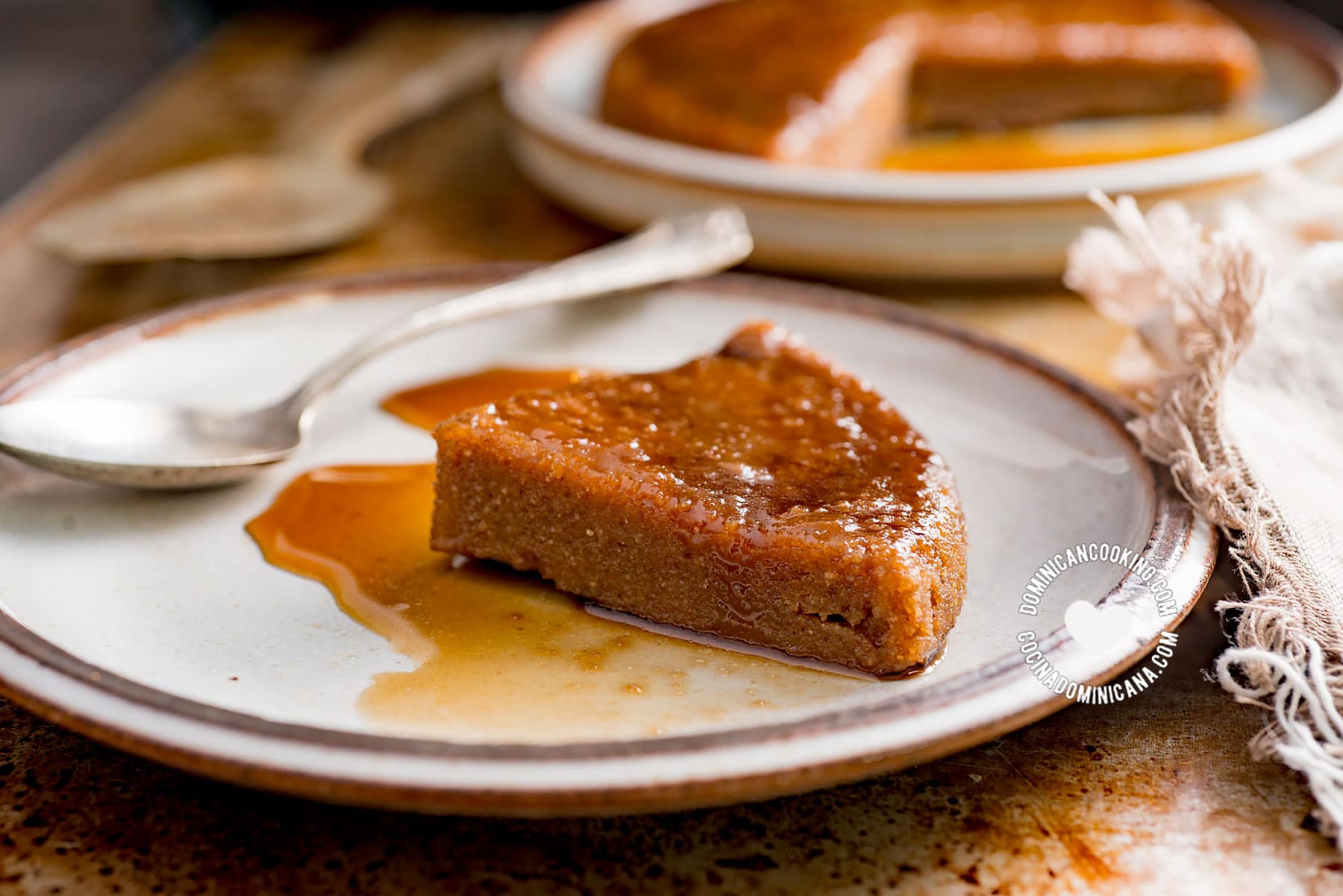
Using tapioca flour in recipes can be a bit tricky, especially if you’re not used to it. Here are some common problems you might encounter and how to fix them:
The texture is too gummy
- You may have used too much tapioca flour. Try reducing the amount by 1/4 cup at a time until you get the desired consistency.
- You may not have cooked the tapioca flour long enough. Cook it for at least 5 minutes, stirring constantly, until it becomes translucent.
- You may have added the tapioca flour to the liquid too quickly. Add it slowly, whisking constantly, to prevent clumping.
The flavor is too bland
- You may not have used enough tapioca flour. Try increasing the amount by 1/4 cup at a time until you get the desired flavor.
- You may not have cooked the tapioca flour long enough. Cook it for at least 5 minutes, stirring constantly, until it becomes translucent.
- You may have added the tapioca flour to the liquid too quickly. Add it slowly, whisking constantly, to prevent clumping.
The texture is too grainy
- You may have used too much tapioca flour. Try reducing the amount by 1/4 cup at a time until you get the desired consistency.
- You may not have cooked the tapioca flour long enough. Cook it for at least 5 minutes, stirring constantly, until it becomes translucent.
- You may have added the tapioca flour to the liquid too quickly. Add it slowly, whisking constantly, to prevent clumping.
The texture is too thin
- You may have used too little tapioca flour. Try increasing the amount by 1/4 cup at a time until you get the desired consistency.
- You may not have cooked the tapioca flour long enough. Cook it for at least 5 minutes, stirring constantly, until it becomes translucent.
- You may have added the tapioca flour to the liquid too quickly. Add it slowly, whisking constantly, to prevent clumping.
Historical and Cultural Significance
Tapioca flour, a versatile and nutritious starch, has a rich historical and cultural significance around the world. Its origins can be traced back to the indigenous peoples of South America, who cultivated the cassava plant for centuries.
The cultivation of cassava and the production of tapioca flour spread throughout the Americas, Africa, and Asia during the colonial era. Tapioca flour became an essential ingredient in traditional cuisines, playing a significant role in the development of food cultures.
The Americas
In Brazil, tapioca flour is a staple ingredient in traditional dishes such as tapioca pancakes and pão de queijo (cheese bread). In Colombia, it is used to make the popular arepas, cornmeal patties filled with various ingredients.
Africa
In West Africa, tapioca flour is used to make fufu, a doughy accompaniment to soups and stews. In Nigeria, it is an essential ingredient in garri, a fermented and roasted cassava product.
Asia
In Southeast Asia, tapioca flour is used in various desserts and snacks. In Thailand, it is a key ingredient in the popular tapioca pearls used in bubble tea. In Indonesia, it is used to make the traditional dish pempek, a fried fish cake.
Tapioca flour has played a significant role in shaping food cultures around the world, becoming an integral part of traditional cuisines and contributing to the culinary heritage of various regions.
Ultimate Conclusion
Whether you’re a seasoned baker or a curious home cook, this comprehensive guide to Recipes With Tapioca Flour will empower you with the knowledge and inspiration to create culinary masterpieces that cater to both your taste buds and dietary needs.