Tom Yum Paste Recipe: Dive into the vibrant flavors of Southeast Asia with this culinary guide to creating the aromatic and tantalizing Tom Yum paste from scratch. Discover the secrets of this essential ingredient, its cultural significance, and its versatility in a myriad of dishes.
From its humble beginnings in Thailand to its global acclaim, Tom Yum paste has captivated taste buds with its unique blend of spicy, sour, and aromatic notes. With this comprehensive recipe, you’ll embark on a culinary adventure that will elevate your cooking skills and transport you to the heart of Southeast Asian cuisine.
Introduction
/tom-yum-paste-marinade-3217312-hero-01-5c7d58d446e0fb0001edc89f.jpg "Yum tom paste recipe")
What is Tom Yum Paste?
Tom Yum paste is a concentrated, flavorful paste made from a blend of aromatic herbs, spices, and chilies. It forms the base of the popular Thai soup, Tom Yum, known for its tantalizing sour and spicy flavors.
History and Cultural Significance
Tom Yum paste has its roots in traditional Thai cuisine, where it has been used for centuries to create the iconic soup dish. It is an integral part of Thai culinary culture, reflecting the country’s love for bold and vibrant flavors. Tom Yum paste is widely used in homes, restaurants, and street food stalls throughout Thailand, embodying the essence of Thai cuisine’s unique blend of sweet, sour, salty, and spicy elements.
Ingredients and Preparation
The primary ingredients of Tom Yum paste include:
– Lemongrass
– Galangal
– Kaffir lime leaves
– Red chilies
– Garlic
– Shallot
– Shrimp paste
– Fish sauce
These ingredients are finely chopped and blended together to form a thick, aromatic paste. The preparation of Tom Yum paste requires careful selection and blending of the ingredients to achieve the perfect balance of flavors.
Ingredients
Tom Yum Paste, the secret weapon in creating the tantalizing Tom Yum soup, is a harmonious blend of aromatic ingredients that elevate the dish to culinary heights. Let’s dive into the essential components and their magical roles:
- Lemongrass: The grassy, citrusy essence of lemongrass infuses Tom Yum with a refreshing zest and a hint of sweetness.
- Kaffir Lime Leaves: These aromatic leaves impart a complex citrusy flavor with a unique herbal undertone, balancing the spiciness of the paste.
- Galangal: The spicy, earthy notes of galangal add depth and warmth to the paste, providing a robust foundation for the other ingredients.
- Chillies: The heat level of Tom Yum is adjustable depending on the type of chillies used. Red chillies bring a fiery kick, while green chillies offer a milder spice.
- Shallots: The sweetness and pungent aroma of shallots add a subtle depth of flavor to the paste.
- Garlic: The savory, umami-rich flavor of garlic forms the backbone of the paste, enhancing the overall taste profile.
Variations and Substitutes, Tom Yum Paste Recipe
While the classic Tom Yum Paste ingredients remain the same, variations and substitutions can be made to cater to personal preferences or dietary restrictions:
- Lemongrass: If fresh lemongrass is unavailable, dried lemongrass powder can be used as a substitute.
- Kaffir Lime Leaves: Makrut lime leaves can be used as a substitute for kaffir lime leaves.
- Galangal: Ginger can be used as a substitute for galangal, although it will provide a slightly different flavor profile.
- Chillies: The type and quantity of chillies can be adjusted to suit individual spice preferences.
Method of Preparation
:max_bytes(150000):strip_icc()/tom-yum-paste-marinade-3217312-step-01-5c7d58f6c9e77c0001fd5a42.jpg "Yum tom paste recipe")
The creation of Tom Yum Paste is an artful process that requires patience and precision. It begins with the careful selection of fresh ingredients and culminates in a symphony of flavors that will tantalize your taste buds. Let’s dive into the step-by-step guide to crafting this culinary masterpiece:
Gathering the Ingredients
The first step in making Tom Yum Paste is to gather all the necessary ingredients. These include:
– Dried chilies: These fiery peppers provide the paste’s signature heat.
– Lemongrass: This aromatic herb adds a citrusy freshness to the paste.
– Galangal: A close relative of ginger, galangal brings a warm, earthy flavor to the mix.
– Kaffir lime leaves: These fragrant leaves impart a unique citrusy and floral aroma.
– Coriander seeds: These seeds add a nutty and slightly sweet flavor to the paste.
– Cumin seeds: These aromatic seeds bring a warm and earthy depth to the paste.
– Shrimp paste: This pungent ingredient adds a savory umami flavor to the paste.
– Sugar: A touch of sugar balances the heat and acidity of the paste.
– Salt: Salt enhances the flavors of all the ingredients and brings the paste to life.
Preparing the Ingredients
Once you have gathered all the ingredients, it’s time to prepare them for the paste.
– Dried chilies: Remove the stems and seeds from the chilies, then tear them into small pieces.
– Lemongrass: Cut the lemongrass stalks into thin slices, removing the tough outer layers.
– Galangal: Peel and slice the galangal into thin slices.
– Kaffir lime leaves: Remove the central stems from the kaffir lime leaves and tear them into small pieces.
– Coriander seeds: Toast the coriander seeds in a dry pan until fragrant, then grind them into a powder.
– Cumin seeds: Toast the cumin seeds in a dry pan until fragrant, then grind them into a powder.
– Shrimp paste: If using fresh shrimp paste, roast it over an open flame until fragrant.
Making the Paste
Now comes the fun part: making the paste!
– Combine all the prepared ingredients in a mortar and pestle.
– Grind the ingredients together until they form a smooth paste.
– If the paste is too dry, add a little water to help it come together.
– If the paste is too wet, add a little more of the dried ingredients.
– Once the paste is smooth and well-combined, transfer it to a jar or container.
– Store the paste in the refrigerator for up to 2 weeks.
Variations
Tom Yum Paste is a versatile base that can be tailored to suit different regional and personal preferences. These variations can significantly impact the flavor and texture of the final dish.
One of the most notable variations is the use of different types of chili peppers. In Thailand, red chilies are typically used to create a fiery and aromatic paste, while green chilies are used for a milder, more herbaceous flavor. Other regions may use a combination of different chili peppers, such as habaneros or serranos, to achieve a unique balance of heat and flavor.
Regional Variations
- Northern Thailand: The Tom Yum Paste in this region tends to be milder, with a focus on the sour and savory flavors. It often includes a higher proportion of galangal and lemongrass, giving it a distinct citrusy aroma.
- Central Thailand: This region’s Tom Yum Paste is known for its balance of spicy, sour, and sweet flavors. It typically uses a combination of red and green chilies, as well as a generous amount of lime juice and palm sugar.
- Southern Thailand: The Tom Yum Paste from the south is characterized by its intense heat and bold flavors. It often includes a large amount of red chilies and shrimp paste, giving it a spicy and umami-rich taste.
Personal Variations
In addition to regional variations, there are also numerous personal variations of Tom Yum Paste. Some common adjustments include:
- Heat level: The amount of chili peppers used can be adjusted to suit individual preferences, ranging from mild to fiery.
- Sourness: The sourness of the paste can be balanced by adding more lime juice or tamarind paste.
- Sweetness: Palm sugar or honey can be added to enhance the sweetness of the paste.
- Herbs and spices: Additional herbs and spices, such as coriander, cumin, or kaffir lime leaves, can be incorporated to add depth and complexity to the flavor.
By experimenting with different variations, you can create a Tom Yum Paste that perfectly suits your taste and preferences, making this versatile ingredient a true culinary chameleon.
Storage and Shelf Life
Proper storage is crucial for preserving the freshness and potency of tom yum paste. Store it in an airtight container to prevent oxidation and moisture loss.
When refrigerated, homemade tom yum paste can last for up to 2 weeks. Commercial varieties may have longer shelf lives due to preservatives.
Freezing for Extended Storage
For extended storage, freezing is an excellent option. Transfer the paste to airtight freezer-safe containers or ice cube trays. Frozen tom yum paste can last for several months.
Uses in Cooking
Tom Yum Paste is an incredibly versatile ingredient that can be used in a wide variety of dishes. It is commonly used as a base for Tom Yum soup, but it can also be used to add flavor to stir-fries, curries, and even marinades.
While the tantalizing flavors of Tom Yum Paste Recipe tantalize your taste buds, don’t forget to treat yourself to a sweet indulgence. Try our delectable Pineapple Cream Cheese Pound Cake Recipe . Its moist crumb and tangy cream cheese frosting will complement the spicy kick of Tom Yum Paste Recipe perfectly, creating a harmonious culinary experience.
Traditional applications of Tom Yum Paste include using it as a base for Tom Yum soup, a classic Thai dish characterized by its sour and spicy flavors. The paste is also used in Tom Kha Gai, a coconut-based soup with chicken, and in various noodle dishes such as Pad Thai and Pad See Ew.
Modern Applications
In modern cooking, Tom Yum Paste has gained popularity as a versatile ingredient beyond traditional Thai cuisine. It is used to add a unique flavor profile to dishes from various cuisines, including:
- Stir-fries: Tom Yum Paste can be added to stir-fries to create a flavorful and spicy sauce. It pairs well with vegetables, tofu, and meats.
- Curries: Tom Yum Paste can be used as a base for curries, adding a sour and spicy flavor to dishes like green curry and red curry.
- Marinades: Tom Yum Paste can be used to create flavorful marinades for meats, poultry, and seafood. It adds a unique blend of sour, spicy, and umami flavors to the dish.
- Sauces: Tom Yum Paste can be used to create dipping sauces and condiments. It adds a spicy and flavorful kick to dishes like spring rolls and satay.
Health Benefits
Tom Yum Paste is not only a flavorful addition to your dishes but also packs a punch of health benefits. Its ingredients are brimming with antioxidants, anti-inflammatory compounds, and other essential nutrients that can support your overall well-being.
Antioxidants and Anti-inflammatory Compounds
Galangal, lemongrass, and kaffir lime leaves, key ingredients in Tom Yum Paste, are rich sources of antioxidants. These compounds help protect your cells from damage caused by free radicals, which are unstable molecules that can contribute to chronic diseases like cancer and heart disease. Additionally, galangal and lemongrass possess anti-inflammatory properties, which may help reduce inflammation throughout the body.
Other Nutrients
Tom Yum Paste also contains a range of other nutrients, including vitamin C, potassium, and magnesium. Vitamin C is essential for immune function, collagen production, and antioxidant defense. Potassium supports healthy blood pressure and fluid balance, while magnesium contributes to muscle and nerve function.
Cultural Significance
Tom Yum Paste is not merely a culinary ingredient but holds immense cultural significance in Southeast Asian cuisine. Its distinct flavors and versatility have made it an integral part of traditional ceremonies and celebrations.
In Thailand, Tom Yum Paste is a staple in many traditional festivals. During the Songkran festival, which marks the Thai New Year, Tom Yum Soup is a popular dish prepared and shared among families and friends.
Role in Traditional Ceremonies
- Weddings: Tom Yum Paste is used to prepare a special dish called “Tom Yum Goong Maeng Daeng,” which is served at traditional Thai weddings. This dish symbolizes prosperity and fertility for the newlyweds.
- Funerals: In some Southeast Asian cultures, Tom Yum Paste is incorporated into dishes served during funeral ceremonies. It is believed to provide comfort and nourishment to the bereaved family and guests.
Comparison with Other Pastes: Tom Yum Paste Recipe
Tom Yum Paste shares similarities and distinctions with other flavorful pastes, such as curry paste and chili paste. While each paste possesses unique characteristics, they all contribute distinct flavors to various culinary creations.
Curry paste, originating from Southeast Asia, is a complex blend of spices and herbs, including turmeric, coriander, cumin, and galangal. It forms the base for many curries and imparts a warm, aromatic flavor. Tom Yum Paste, on the other hand, is characterized by its sour and spicy notes, with lemongrass, galangal, and chili peppers as key ingredients.
Elevate your culinary repertoire with the vibrant flavors of Tom Yum Paste, an essential ingredient in tantalizing Thai cuisine. If you’re looking for another savory sensation, venture into the world of Peter Luger Steak Sauce Recipe , a timeless classic that will add an umami-rich touch to your grilled masterpieces.
Returning to our Tom Yum Paste, let’s explore the secrets of this aromatic blend that will transport your taste buds to the vibrant streets of Bangkok.
Chili Paste
Chili paste, as the name suggests, is primarily made from chili peppers and offers a range of heat levels. It is common in many cuisines worldwide, including Chinese, Mexican, and Korean. Unlike Tom Yum Paste, chili paste does not typically include lemongrass or galangal, resulting in a more straightforward spicy flavor.
Presentation and Serving
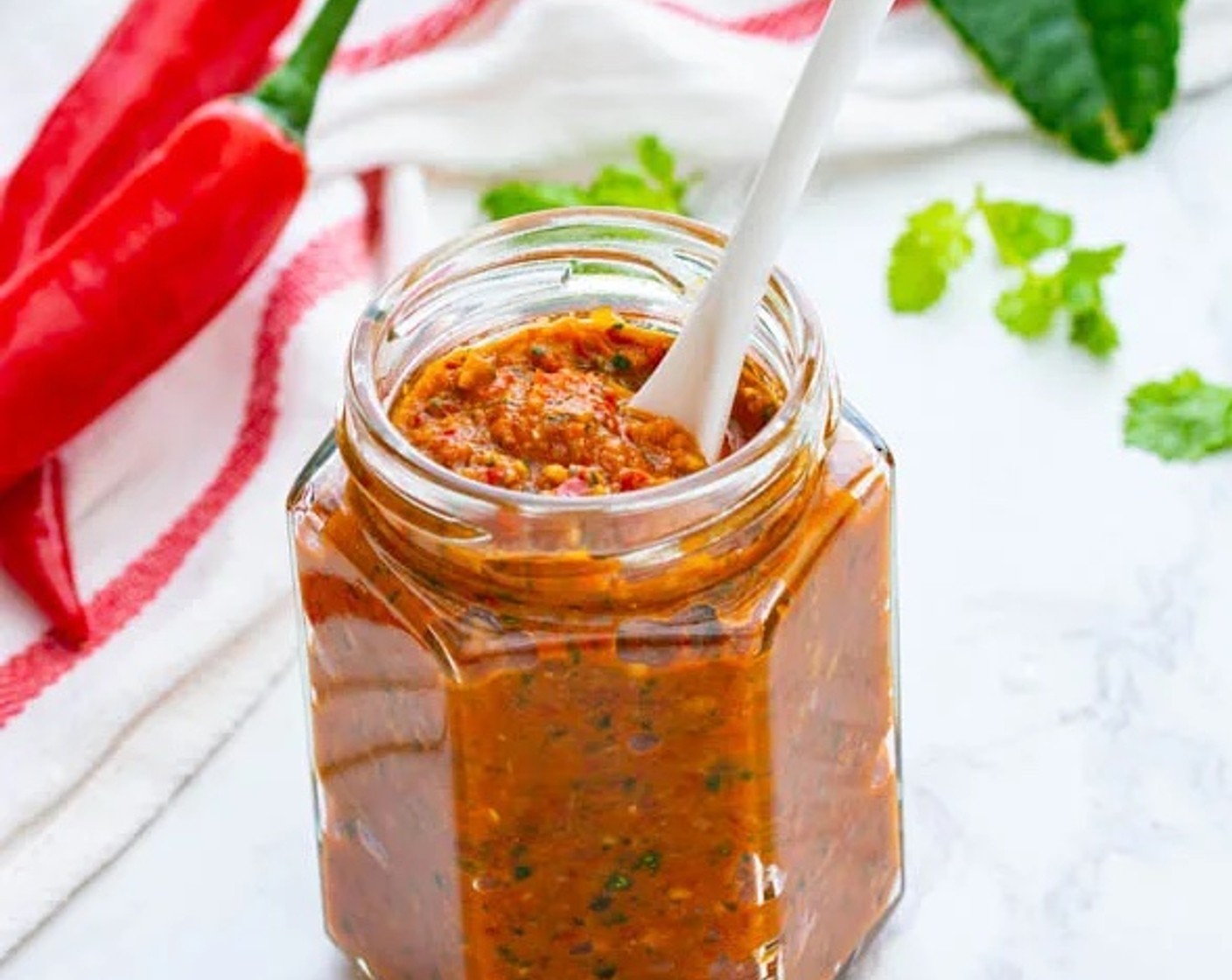
Tom Yum Paste’s presentation and serving methods have evolved over time, reflecting both traditional and modern culinary practices.
Traditionally, Tom Yum Paste was presented in small, earthenware bowls or clay pots, allowing for easy preparation and serving directly at the table. This method preserved the paste’s intense flavors and aromas.
Garnishes and Accompaniments
Tom Yum Paste is often garnished with fresh herbs, such as cilantro, basil, and kaffir lime leaves, which add a vibrant touch of color and enhance the aromatic profile. Sliced chili peppers or chili oil can be added for an extra kick of heat, while a squeeze of fresh lime juice balances the flavors with a refreshing acidity.
Accompaniments to Tom Yum Paste include steamed rice, noodles, or fresh vegetables, which provide a base for the flavorful paste and help absorb its rich broth.
Nutritional Information
/close-up-of-vegetables-730194077-5a71ddbd8023b900377770a2.jpg "Paste tom yum recipe")
Tom Yum Paste packs a punch not only in flavor but also in nutritional value. It’s a rich source of essential nutrients, contributing to a balanced diet.
A typical serving of Tom Yum Paste (2 tablespoons) contains approximately:
- Calories: 20-30
- Carbohydrates: 5-10 grams
- Protein: 1-2 grams
- Fat: 0-1 gram
It’s worth noting that the nutritional content may vary slightly depending on the specific ingredients and proportions used in different recipes.
Epilogue
Tom Yum Paste Recipe: A culinary masterpiece that tantalizes the senses and sparks a deeper appreciation for the rich flavors of Southeast Asia. Embrace the versatility of this aromatic paste and let your culinary creations soar to new heights. Experiment with regional variations, explore its health benefits, and share the joy of Tom Yum with loved ones. As you savor each spoonful, may this recipe inspire you to delve further into the vibrant culinary tapestry of Southeast Asia.