Prepare to tantalize your taste buds with our comprehensive guide to the Afghan chicken kabob recipe. This beloved dish, steeped in culinary traditions and cultural heritage, is a symphony of flavors that will transport you to the vibrant streets of Afghanistan.
Embark on this culinary adventure and discover the secrets to creating this succulent and unforgettable dish.
Introduction
Afghan chicken kabobs hold a significant place in culinary traditions, particularly in Central and South Asia. These succulent skewers of marinated chicken are not only a culinary delight but also a reflection of the rich cultural heritage of the region.
Ingredients: Afghan Chicken Kabob Recipe
Afghan chicken kabobs, a delectable culinary creation, demand a symphony of flavors, achieved through a careful selection of ingredients. These kabobs feature succulent chicken, marinated in a tantalizing blend of spices, and grilled to perfection. The foundation of this dish lies in the harmonious balance of essential and optional ingredients, each contributing to the symphony of tastes and textures.
The following list presents the essential ingredients, along with their recommended measurements or ranges, for crafting authentic Afghan chicken kabobs:
Essential Ingredients
- Chicken:2 pounds boneless, skinless chicken breasts or thighs, cut into 1-inch cubes
- Yogurt:1 cup plain, full-fat yogurt
- Lemon juice:1/4 cup freshly squeezed lemon juice
- Garlic:4-6 cloves, minced
- Ginger:1 tablespoon grated fresh ginger
- Cumin:1 tablespoon ground cumin
- Coriander:1 tablespoon ground coriander
- Turmeric:1 teaspoon ground turmeric
- Red chili powder:1/2 teaspoon (or to taste)
- Salt:1 teaspoon, or to taste
- Black pepper:1/2 teaspoon, or to taste
Optional ingredients can further enhance the flavors of your kabobs. Consider adding the following to your marinade for an extra layer of complexity:
Optional Ingredients
- Onion:1/2 onion, finely chopped
- Green bell pepper:1/2 green bell pepper, finely chopped
- Red bell pepper:1/2 red bell pepper, finely chopped
- Cilantro:1/4 cup chopped fresh cilantro
- Mint:1/4 cup chopped fresh mint
- Garam masala:1 teaspoon ground garam masala
- Saffron:A pinch of saffron, dissolved in 1 tablespoon of warm water
Marinade

To create a flavorful and tender marinade for the chicken, combine yogurt, lemon juice, olive oil, garlic, ginger, cumin, coriander, turmeric, paprika, salt, and black pepper in a large bowl.
The marinade serves several crucial functions:
- Yogurttenderizes the chicken by breaking down its proteins and adding moisture.
- Lemon juiceadds acidity, which helps to further tenderize the meat and balances the richness of the yogurt.
- Olive oilprovides a base for the marinade and helps the spices adhere to the chicken.
- Garlic and gingerimpart a pungent and aromatic flavor to the marinade.
- Cumin, coriander, turmeric, and paprikaadd warmth and depth of flavor.
- Salt and black pepperenhance the overall taste and balance the spices.
Skewering Techniques
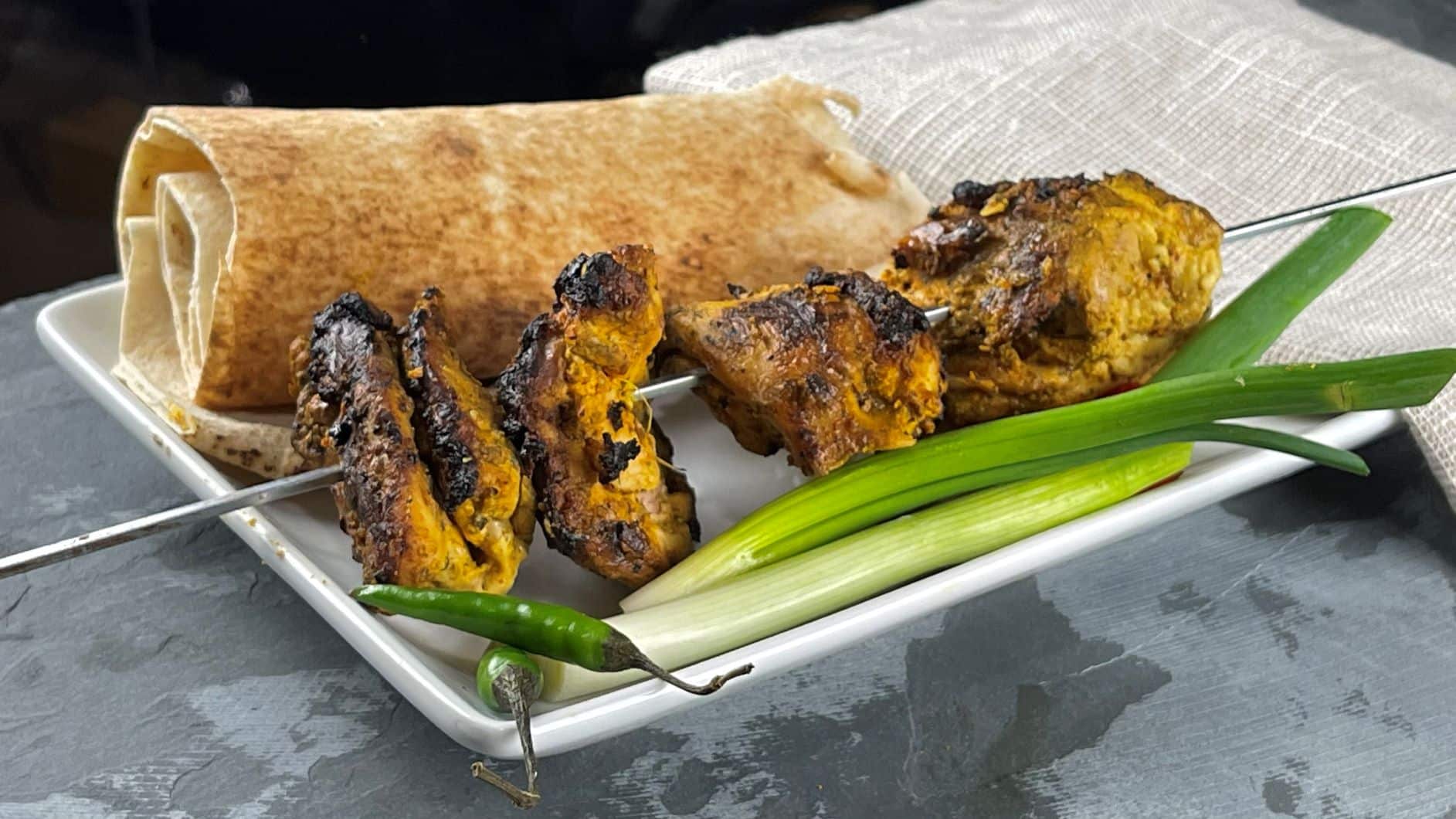
Skewering the chicken pieces properly ensures even cooking and prevents them from falling apart on the grill. There are two main skewering methods:
Single Skewering
This method involves threading the chicken pieces onto a single skewer. It is suitable for smaller pieces of chicken, such as chicken breasts or thighs cut into chunks. Single skewering allows for more precise placement of the chicken pieces on the grill and ensures they cook evenly.
Double Skewering
This method involves threading the chicken pieces onto two parallel skewers. It is ideal for larger pieces of chicken, such as whole chicken breasts or legs. Double skewering provides extra support and prevents the chicken from sagging or rotating on the grill.
It also allows for easier turning and handling of the skewers.The choice of skewering method depends on the size and shape of the chicken pieces. For best results, use sturdy metal skewers that are long enough to accommodate the chicken pieces and extend slightly beyond the edges for easy handling.
Grilling s
Once your kabobs are perfectly marinated, it’s time to grill them to perfection. Here’s a step-by-step guide to ensure succulent and flavorful results:
Preheat your grill to medium-high heat, around 400-450°F (200-230°C). Clean the grill grates to prevent the kabobs from sticking.
Grilling Techniques
Place the kabobs on the grill grates and cook for 10-15 minutes, or until the chicken is cooked through. Turn the kabobs every few minutes to ensure even cooking. To check for doneness, insert a meat thermometer into the thickest part of the chicken.
The internal temperature should reach 165°F (74°C) for safe consumption.
Once the chicken is cooked, remove the kabobs from the grill and let them rest for a few minutes before serving. This allows the juices to redistribute, resulting in a more tender and flavorful experience.
Sauces and Condiments
Afghan chicken kabobs are often accompanied by a variety of sauces and condiments that enhance their flavors and add an extra layer of delight to the dining experience. These sauces range from tangy and spicy to creamy and cooling, providing a diverse array of options to complement the succulent chicken.
One popular sauce is the Afghan green sauce, also known as chutney. It is a vibrant green condiment made with fresh cilantro, mint, scallions, and garlic, blended together with lemon juice, olive oil, and salt. The green sauce adds a refreshing and herbaceous flavor to the kabobs, balancing out the richness of the chicken.
Yogurt Sauce
Another classic accompaniment is the yogurt sauce, also known as raita. This creamy and cooling sauce is made with plain yogurt, cucumber, mint, and spices. It provides a cooling contrast to the heat of the kabobs and adds a touch of tanginess.
Tomato-Based Sauces
Tomato-based sauces are also common accompaniments to Afghan chicken kabobs. These sauces can vary in spiciness, from mild to fiery. They often contain tomatoes, onions, garlic, and spices, and can be simmered for hours to develop a rich and flavorful sauce.
Other Condiments
In addition to sauces, there are also a number of other condiments that can be served with Afghan chicken kabobs. These include fresh lemon wedges, pickled onions, and chopped cilantro. These condiments add a burst of brightness and acidity to the kabobs, enhancing their overall flavor profile.
Side Dishes

Complement your Afghan chicken kabobs with an array of delectable side dishes that enhance their flavors and create a complete culinary experience.
Consider traditional Afghan accompaniments that offer a taste of the region’s rich culinary heritage, or explore international options that add a global flair to your meal.
Traditional Afghan Side Dishes
- Afghan rice (Challow):A fluffy, aromatic basmati rice, seasoned with cumin and coriander, providing a neutral base for the kabobs.
- Sabzi (Fresh Herb Salad):A refreshing blend of finely chopped cilantro, mint, and scallions, adding a burst of freshness and herbaceousness.
- Borani Banjan (Eggplant Yogurt Dip):A creamy and flavorful dip made from roasted eggplant, yogurt, and garlic, offering a cooling contrast to the spicy kabobs.
International Side Dishes, Afghan chicken kabob recipe
- Grilled vegetables:A colorful and healthy option, such as bell peppers, zucchini, and onions, grilled to perfection and seasoned with herbs and spices.
- Hummus:A creamy and savory chickpea dip, providing a rich and nutty flavor to complement the kabobs.
- Tabbouleh:A refreshing salad made with bulgur, tomatoes, cucumbers, and fresh herbs, adding a vibrant and tangy element to the meal.
Presentation and Serving
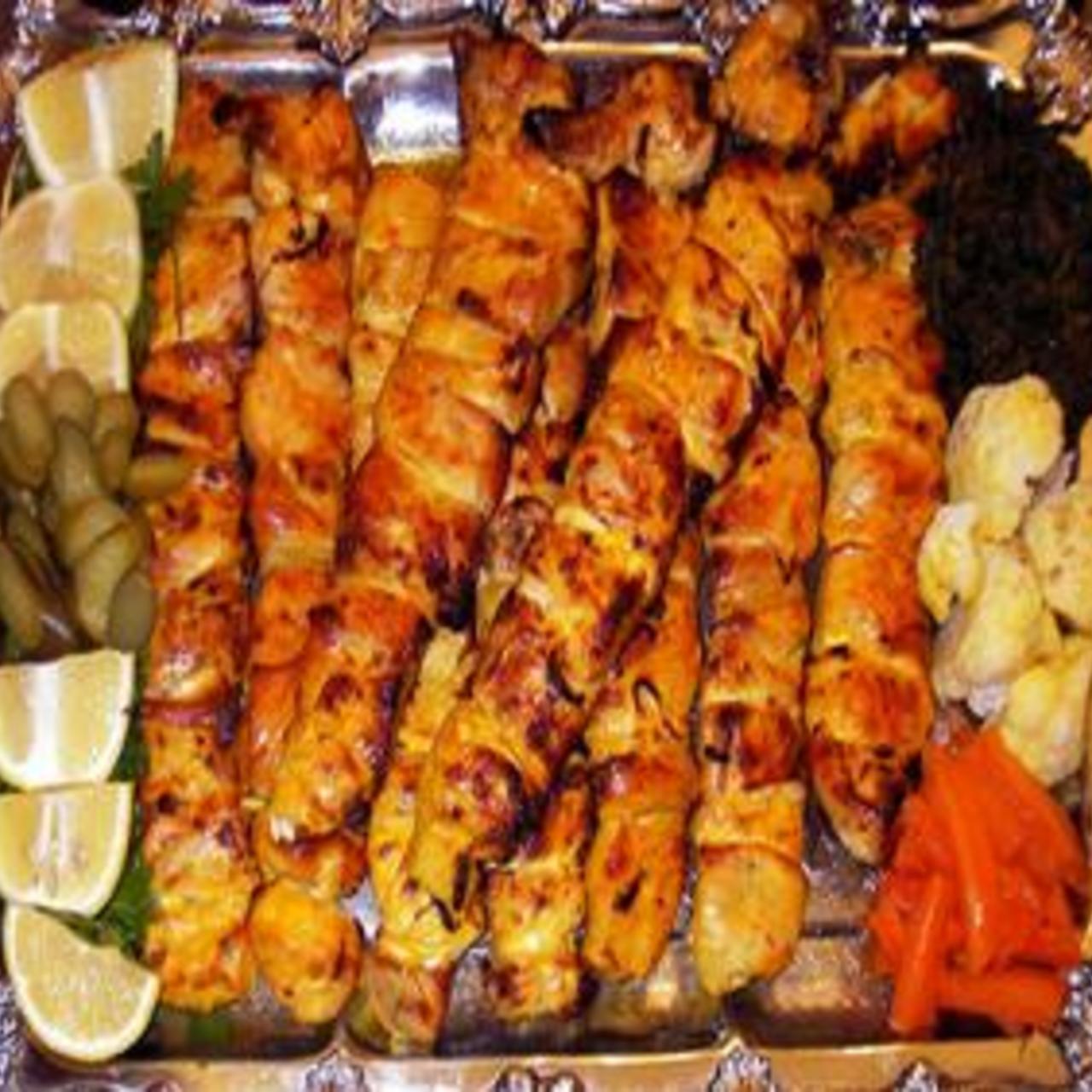
Afghan chicken kabobs are traditionally presented on a large platter, often adorned with fresh herbs, grilled vegetables, and sauces. The skewers are arranged in a visually appealing manner, creating a vibrant and aromatic display. The presentation reflects the cultural significance of the dish, which is often served at special occasions and gatherings.
In some Afghan households, it is customary to serve the kabobs with a side of freshly baked naan bread, which is used to scoop up the tender chicken and sauces. This bread serves as a complement to the kabobs, enhancing the overall dining experience.
Variations and Adaptations
Afghan chicken kabobs offer a versatile base for culinary exploration. Variations and adaptations have emerged, reflecting regional influences and modern interpretations.
Regional variations include:
Northern Afghanistan
- Kabobs marinated in yogurt, onion, and spices.
- Grilled over an open fire or charcoal grill.
- Served with naan bread or rice.
Southern Afghanistan
- Kabobs marinated in pomegranate juice, garlic, and herbs.
- Grilled on a skewer or flatbread.
- Accompanied by a variety of chutneys and dips.
Modern Adaptations
- Use of alternative meats, such as lamb, beef, or tofu.
- Marination with international flavors, such as teriyaki or harissa.
- Serving with innovative sauces and side dishes, such as mango salsa or quinoa.
Health Benefits
Afghan chicken kabobs offer a delectable blend of flavors and potential health benefits.The dish is rich in protein, with chicken as its primary ingredient. Protein is essential for building and repairing tissues, supporting muscle growth, and promoting satiety. Chicken is also a good source of vitamins and minerals, including niacin, vitamin B6, and iron.The
marinade used for the kabobs often includes yogurt, which is a good source of probiotics. Probiotics are beneficial bacteria that support digestive health and may boost the immune system.The kabobs are typically grilled, which helps reduce the fat content compared to other cooking methods.
Grilling also adds a smoky flavor and crispy texture to the chicken.The vegetables used in the kabobs, such as onions, peppers, and tomatoes, are packed with vitamins, minerals, and antioxidants. These nutrients support overall health, reduce inflammation, and protect against chronic diseases.
Cultural Significance
Afghan chicken kabobs hold immense cultural significance in Afghan cuisine and society. They are deeply rooted in the country’s culinary traditions and play a pivotal role in social gatherings and special occasions.
Kabobs are a symbol of hospitality and generosity, often served to guests as a token of welcome and respect. They are also a staple dish at weddings, festivals, and other celebratory events, bringing people together to share a delicious and communal meal.
Role in Afghan Cuisine
- Kabobs are a cornerstone of Afghan cuisine, representing the country’s rich culinary heritage.
- They are a versatile dish, enjoyed as an appetizer, main course, or even a late-night snack.
- Kabobs are often paired with various sauces, condiments, and side dishes, creating a diverse and flavorful dining experience.
Social Gatherings
- Kabobs are a central part of Afghan social gatherings, fostering a sense of community and shared enjoyment.
- They are typically prepared in large quantities to accommodate the extended family and guests.
- Kabob gatherings provide an opportunity for people to connect, share stories, and celebrate life’s special moments.
Special Occasions
- Kabobs are an indispensable dish at Afghan weddings, symbolizing the union of two families.
- They are also served at festivals such as Eid al-Fitr and Eid al-Adha, marking religious and cultural milestones.
- Kabobs represent joy, celebration, and the coming together of loved ones during special occasions.
Closure
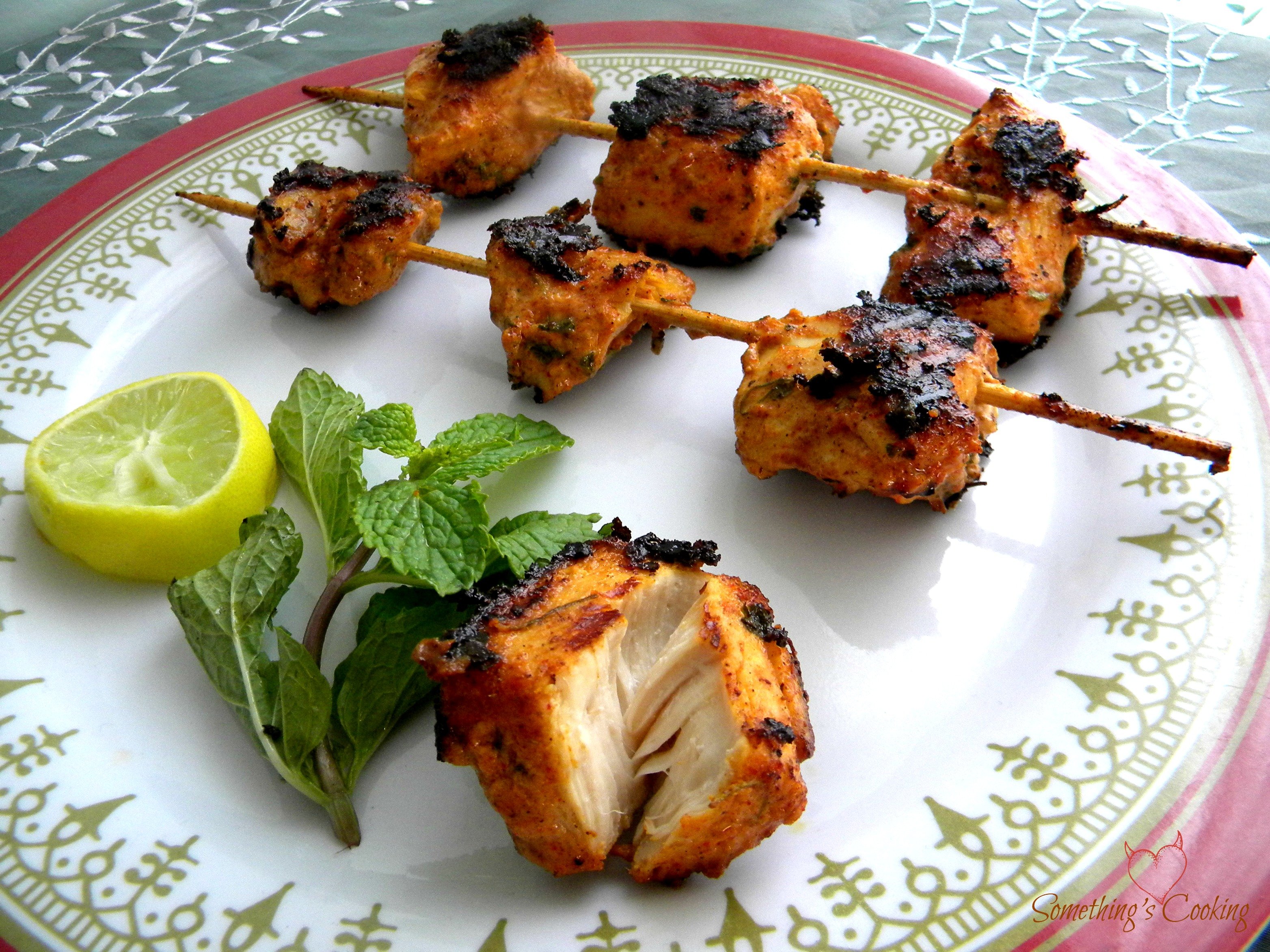
As you savor the last bite of your Afghan chicken kabob, let the flavors linger and the memories of this culinary journey warm your heart. From its humble origins to its cherished place in Afghan cuisine, this dish embodies the spirit of a nation.
Whether you’re a seasoned chef or a culinary novice, we hope this guide has inspired you to create your own version of this culinary masterpiece.