Embark on a culinary adventure with our Amish Beef and Noodles recipe, where tradition meets taste in a symphony of flavors. Discover the origins, cultural significance, and step-by-step guide to crafting this hearty and comforting dish.
From the heart of Amish kitchens to your dining table, this recipe unveils the secrets of a cherished dish, promising a delightful experience for both the taste buds and the soul.
Amish Beef and Noodles History
Amish beef and noodles, a culinary staple within the Amish community, holds deep cultural significance and reflects the community's unique culinary traditions.
The origins of this dish can be traced back to the 18th century, when the Amish, a religious group originating in Europe, settled in the United States. Their agricultural lifestyle and strong emphasis on self-sufficiency led to the development of hearty and nourishing dishes that utilized locally available ingredients.
Traditional Amish Cooking Practices
Traditional Amish cooking practices emphasize simplicity, practicality, and a deep respect for food. Meals are typically prepared using fresh, seasonal ingredients and cooked from scratch, reflecting the Amish value of self-reliance.
- Simplicity:Amish cooking focuses on simple, wholesome ingredients that highlight the natural flavors of the food.
- Seasonality:The Amish utilize fresh, seasonal produce in their dishes, ensuring the best quality and taste.
- Homemade:Amish meals are typically made from scratch, preserving traditional cooking methods and recipes passed down through generations.
Key Ingredients and Substitutions
Amish beef and noodles rely on a simple yet flavorful combination of ingredients to create its comforting and satisfying taste. Here are the essential components and some suggested substitutions for those that may be less accessible:
Beef
The heartiness of Amish beef and noodles comes from the use of lean ground beef. It provides a savory base for the dish. If ground beef is unavailable, you can substitute it with ground turkey or chicken for a leaner option, or ground pork for a richer flavor.
Noodles
Traditionally, Amish beef and noodles uses egg noodles. These flat, wide noodles absorb the flavorful broth and add a satisfying texture to the dish. If egg noodles are not available, you can use any type of pasta you have on hand, such as macaroni, penne, or spaghetti.
Onion and Celery
Onion and celery form the aromatic base of the dish, adding sweetness and depth of flavor. If you don't have celery, you can use an extra onion or some chopped carrots instead.
Broth
Beef broth forms the flavorful liquid base of Amish beef and noodles. If you don't have beef broth, you can use chicken broth or vegetable broth instead. For a richer flavor, you can use beef bouillon cubes or granules dissolved in water.
Seasonings
A blend of seasonings, including salt, pepper, garlic powder, and onion powder, enhances the flavors of the dish. You can adjust the seasonings to your taste preferences.
Step-by-Step Cooking s
Preparing Amish beef and noodles is a straightforward process that involves browning the beef, cooking the noodles, and simmering the dish in a flavorful broth.
Follow these detailed s to create a hearty and comforting Amish beef and noodles meal:
Ingredients Preparation
- Season the beef with salt and pepper.
- Cut the onion and celery into small pieces.
- Cook the noodles according to the package directions.
Browning the Beef
- Heat the oil in a large pot or Dutch oven over medium-high heat.
- Add the seasoned beef and cook until browned on all sides.
- Remove the beef from the pot and set aside.
Sautéing the Vegetables
- Add the onion and celery to the pot and sauté until softened.
- Stir in the flour and cook for 1 minute, stirring constantly.
Making the Broth
- Gradually whisk in the beef broth until smooth.
- Bring to a boil, then reduce heat and simmer for 5 minutes.
Combining the Ingredients
- Return the browned beef to the pot.
- Add the cooked noodles.
- Season with additional salt and pepper to taste.
Simmering and Serving, Amish beef and noodles recipe
- Bring the mixture to a simmer and cook for 30-45 minutes, or until the beef is tender.
- Serve hot, garnished with parsley or chives.
Variations and Adaptations
Amish beef and noodles is a versatile dish that can be easily adapted to suit different tastes and dietary needs.
One popular variation is to use different types of meat, such as pork, chicken, or lamb. Another option is to add vegetables to the dish, such as carrots, celery, or peas. These additions can enhance the flavor and nutritional value of the dish.
Dietary Adaptations
For those with dietary restrictions, there are several ways to adapt Amish beef and noodles to meet their needs.
- Gluten-free:Use gluten-free noodles, such as rice noodles or quinoa noodles.
- Low-carb:Use low-carb noodles, such as shirataki noodles or zucchini noodles.
Customizations
There are many ways to customize Amish beef and noodles to create a unique dish. Here are a few ideas:
- Add different spices or herbs to the meat mixture, such as cumin, paprika, or oregano.
- Top the dish with shredded cheese, sour cream, or salsa.
- Serve the dish with a side of crusty bread or crackers.
Serving Suggestions: Amish Beef And Noodles Recipe
Complement the hearty flavors of Amish beef and noodles with a variety of side dishes and garnishes.
For a balanced meal, serve the dish alongside a crisp green salad or a side of roasted vegetables, such as carrots, parsnips, or Brussels sprouts.
Garnish Options
Enhance the presentation of Amish beef and noodles with fresh herbs like parsley or chives, a sprinkle of grated Parmesan cheese, or a dollop of sour cream.
Beverage Pairings
Pair Amish beef and noodles with a glass of cold milk, a refreshing iced tea, or a hearty red wine to complement the richness of the dish.
Cultural Significance and Symbolism

Beyond its culinary delights, Amish beef and noodles hold a profound cultural significance within the Amish community. Food plays a central role in Amish traditions, serving as a symbol of unity, hospitality, and the preservation of their cultural heritage.
Community Gatherings
Amish beef and noodles are often prepared for special occasions and community gatherings, such as church services, weddings, and funerals. These events provide an opportunity for members to come together, share stories, and strengthen their bonds over a shared meal.
The dish symbolizes the importance of family, community, and the sharing of resources.
Symbolism of Ingredients
The ingredients used in Amish beef and noodles also carry symbolic meanings. Beef represents strength and nourishment, while noodles symbolize longevity and prosperity. The combination of these ingredients in a hearty and flavorful dish reflects the Amish values of hard work, self-reliance, and the blessings of a bountiful harvest.
Preservation and Storage
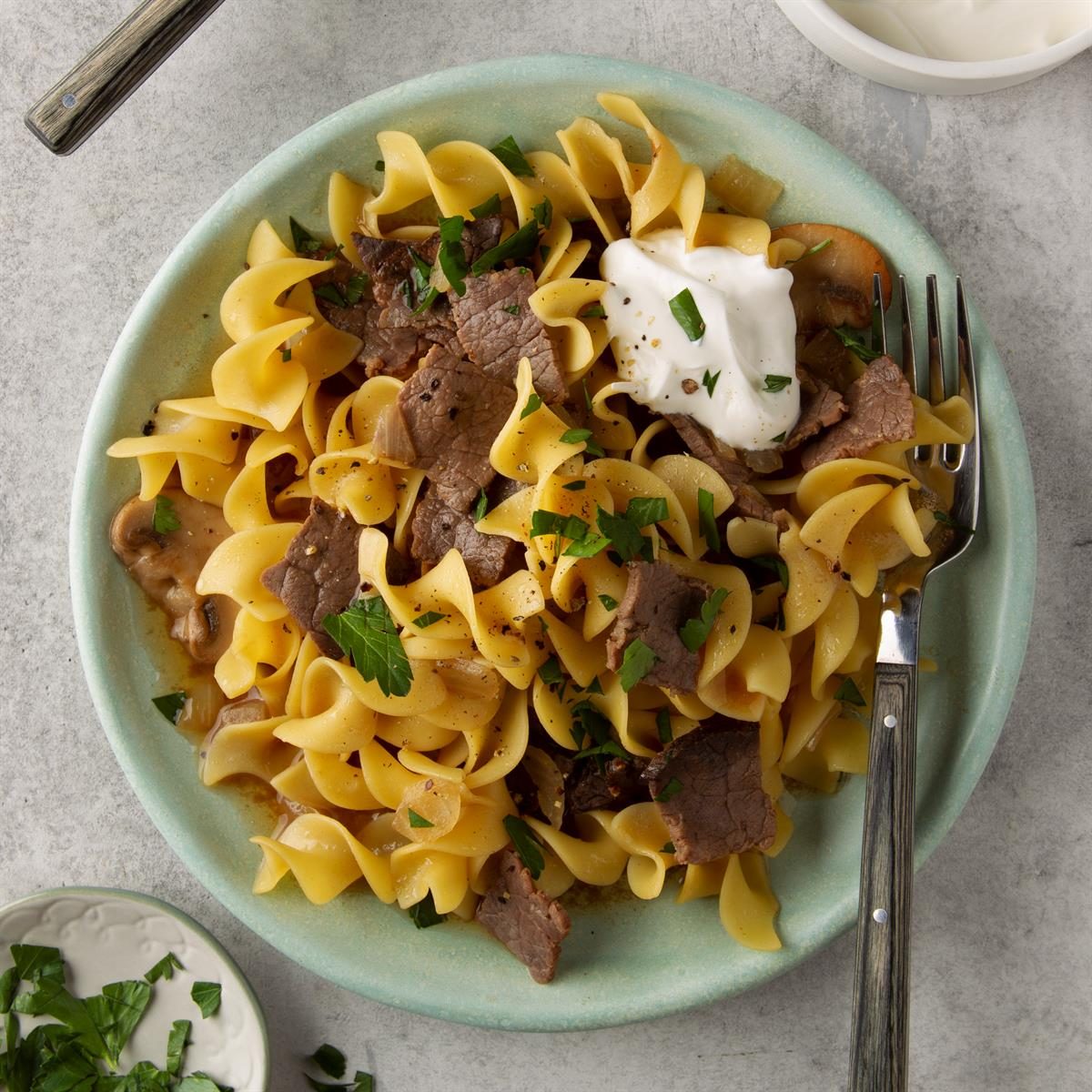
To preserve the freshness and quality of Amish beef and noodles, it's essential to store it properly. Keep the dish refrigerated in an airtight container for up to 3 days. For longer storage, freeze the dish in freezer-safe containers for up to 2 months.
Reheating
To reheat the dish without compromising its texture or flavor, thaw it overnight in the refrigerator or microwave it on the defrost setting. Once thawed, heat it gently on the stovetop or in the oven until warmed through. Avoid overcooking, as this can toughen the noodles and dry out the beef.
Freezing
For freezing, allow the dish to cool completely before transferring it to freezer-safe containers. Label the containers with the date and contents. When ready to serve, thaw the dish overnight in the refrigerator or microwave it on the defrost setting.
Reheat as described above.
Additional Resources
Explore a wider world of Amish beef and noodles with these trusted sources:
Delve deeper into the cultural significance and history of the dish through these informative resources:
Cookbooks and Websites
- The Amish Cook: Recipes from an Old Order Community by Lovina Eicher
- Amish Country Cooking by Gloria Kauffman
- The Amish Table by Phyllis Pellman Good
- King Arthur Flour: Amish Beef and Noodles Recipe https://www.kingarthurbaking.com/recipes/amish-beef-and-noodles-recipe
- Food52: Amish Beef and Noodles https://food52.com/recipes/84648-amish-beef-and-noodles
Videos and Documentaries
- Amish Beef and Noodles Cooking Demonstration https://www.youtube.com/watch?v=I_t9Bd8lQfQ
- The Amish: A People of Faith and Tradition (includes a segment on beef and noodles) https://www.pbs.org/video/the-amish-a-people-of-faith-and-tradition/
Articles and Research Papers
- The Role of Food in Amish Culture: A Case Study of Beef and Noodles by John Hostetler
- The Cultural Significance of Amish Beef and Noodles by Sarah E. Gibbs
- The Amish Table: A Symbol of Community and Tradition by Rachel N. Miller
Final Conclusion

As you savor the last bite of your Amish Beef and Noodles, let the flavors linger and transport you to the warmth of Amish gatherings. This recipe is not merely a culinary creation; it's a testament to the enduring spirit of tradition, community, and the simple yet profound joys of home cooking.


