When it comes to baking a delectable cake, the right baking pan is essential. Baking Pan for Cake: Choosing the Perfect Pan for Your Sweet Treat provides a comprehensive guide to selecting the ideal pan for your baking needs. From understanding the different types of pans and their materials to exploring non-stick coatings and pan shapes, this article covers everything you need to know to elevate your cakes to new heights.
Baking Pan Types for Cakes: Baking Pan For Cake
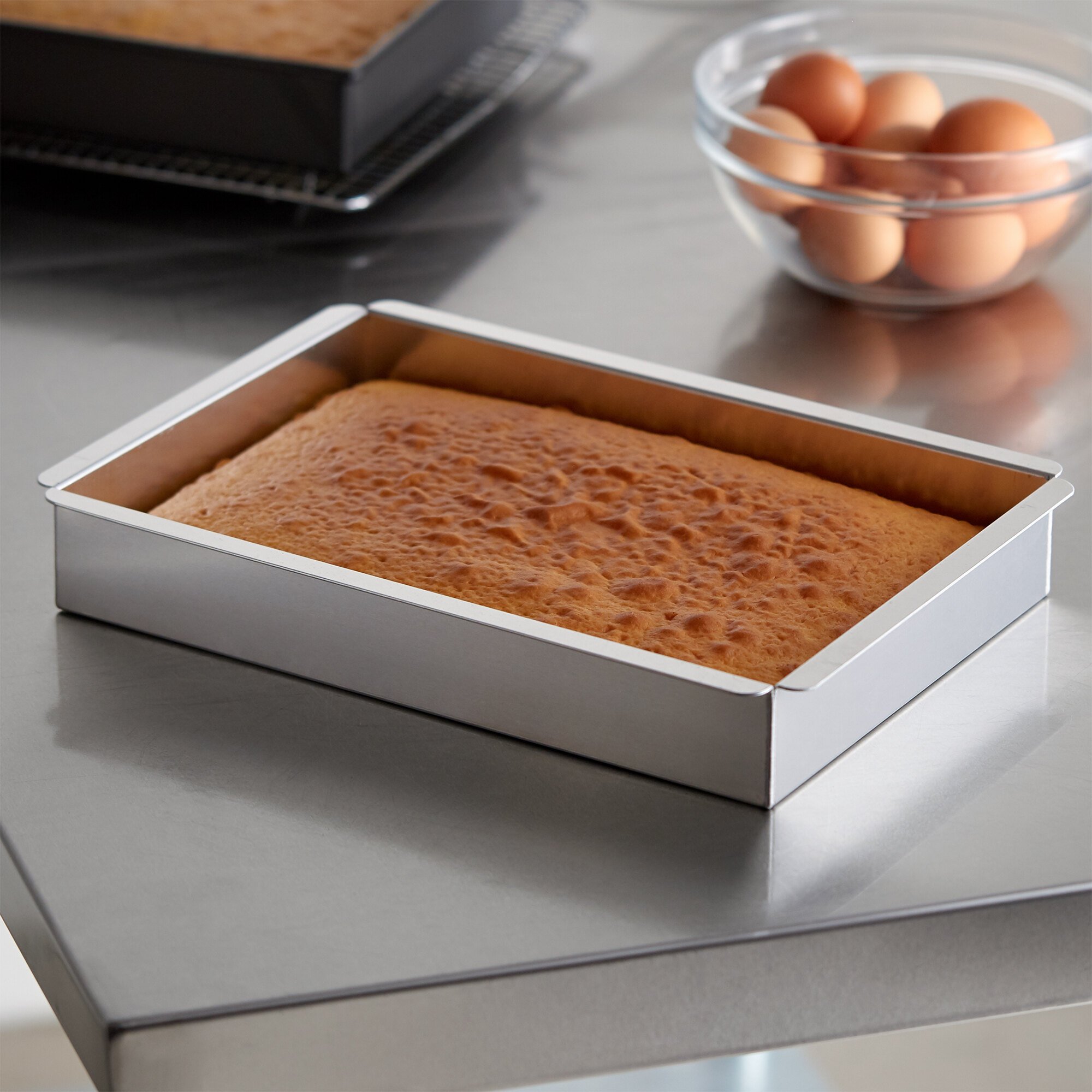
The type of baking pan you use for a cake will depend on the shape and size of the cake you want to make. Some of the most common types of baking pans include:
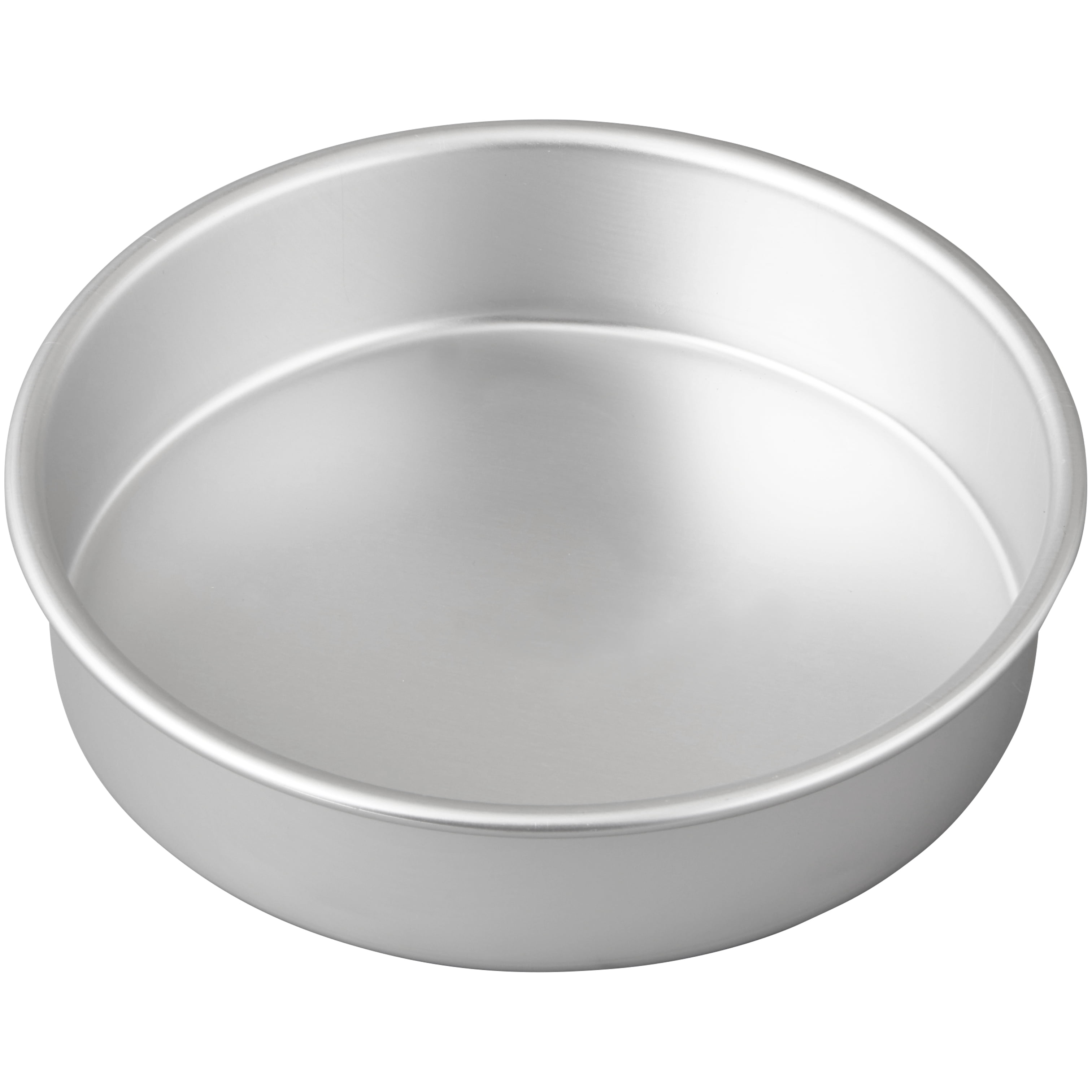
- Round baking pans are the most common type of baking pan and are available in a variety of sizes. They are perfect for making round cakes, such as layer cakes, bundt cakes, and angel food cakes.
- Square baking pans are also popular and are perfect for making square or rectangular cakes, such as brownies, blondies, and sheet cakes.
- Loaf pans are long and narrow and are perfect for making loaf cakes, such as banana bread, zucchini bread, and pound cake.
- Bundt pans have a distinctive fluted shape and are perfect for making bundt cakes.
- Tube pans have a hollow center and are perfect for making angel food cakes.
| Type | Dimensions | Recommended Cake Size |
|---|---|---|
| Round baking pan | 9×2 inches | 9-inch round cake |
| Round baking pan | 10×2 inches | 10-inch round cake |
| Round baking pan | 12×2 inches | 12-inch round cake |
| Square baking pan | 8×8 inches | 8-inch square cake |
| Square baking pan | 9×9 inches | 9-inch square cake |
| Square baking pan | 12×12 inches | 12-inch square cake |
| Loaf pan | 9x5x3 inches | 9-inch loaf cake |
| Loaf pan | 10x6x3 inches | 10-inch loaf cake |
| Loaf pan | 12x7x3 inches | 12-inch loaf cake |
| Bundt pan | 10-inch diameter | 10-inch bundt cake |
| Tube pan | 10-inch diameter | 10-inch angel food cake |
Material Composition and Heat Distribution
The material composition of a baking pan significantly impacts heat distribution and baking times. Different materials exhibit varying thermal properties, affecting how evenly and quickly heat is transferred to the cake batter.
Aluminum
- Aluminum is a lightweight and inexpensive material that conducts heat exceptionally well.
- It provides even heat distribution, resulting in cakes with consistent browning and a tender crumb.
- Aluminum pans heat up quickly, reducing baking times compared to other materials.
Stainless Steel
- Stainless steel is a durable and corrosion-resistant material that offers a non-reactive surface.
- It conducts heat less efficiently than aluminum, leading to slightly longer baking times.
- Stainless steel pans may produce cakes with a slightly uneven browning due to the slower heat distribution.
Glass
- Glass is a non-porous and transparent material that allows for visual monitoring of the baking process.
- It conducts heat poorly, resulting in longer baking times and potentially uneven cooking.
- Glass pans can create a crispier crust on cakes due to the slow heat transfer.
Non-Stick Coatings and Their Benefits
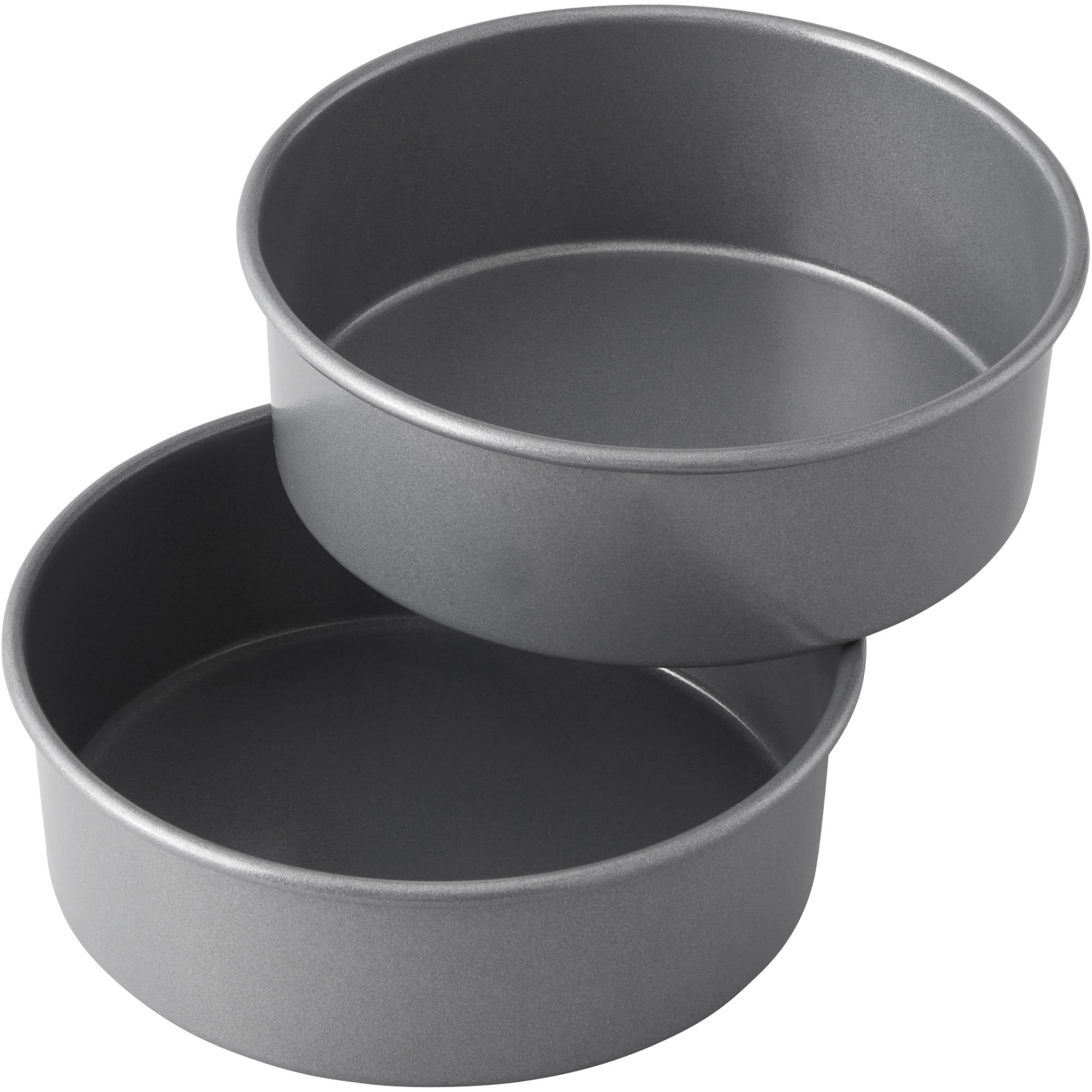
Non-stick coatings provide several advantages in baking pans for cakes, making them a popular choice among bakers. These coatings prevent the cake batter from sticking to the pan, allowing for easy release and a clean finish.
Learn about more about the process of super mario birthday cake in the field.
Common non-stick coatings include:
- Teflon: A widely used non-stick coating known for its durability and resistance to high temperatures. However, it can be susceptible to scratching.
- Ceramic: A newer type of non-stick coating that is highly durable, scratch-resistant, and non-toxic. It is also oven-safe up to high temperatures.
- Silicone: A flexible and heat-resistant coating that provides excellent non-stick properties. It is also dishwasher-safe for easy cleaning.
Pan Depth and Cake Height
The depth of a baking pan significantly influences the height of the baked cake. A deeper pan will result in a taller cake, while a shallower pan will produce a flatter cake. This is because the batter has more space to rise in a deeper pan, resulting in a greater volume.
Choosing the Appropriate Pan Depth
When selecting a baking pan for a cake, consider the desired height of the finished product. For a standard-height cake, a pan with a depth of 2 to 2.5 inches is suitable. For a taller cake, such as a layer cake or a Bundt cake, a pan with a depth of 3 to 4 inches is recommended. Conversely, for a thinner cake, such as a sheet cake or a jelly roll, a pan with a depth of 1 to 1.5 inches is appropriate.
Pan Shape and Cake Design

The shape of a baking pan significantly influences the design and appearance of the baked cake. Unique pan shapes can create visually striking cakes that become the centerpiece of any celebration.
Geometric Shapes
- Square or Rectangular Pans: These classic shapes produce cakes with sharp edges and straight sides, ideal for stacking or decorating with fondant.
- Round Pans: Round cakes are versatile and can be used for various cake designs, from simple layer cakes to elaborate tiered creations.
- Triangular Pans: Triangular pans create unique wedge-shaped cakes that are perfect for special occasions or themed parties.
Themed Shapes
- Heart-Shaped Pans: Heart-shaped cakes are a popular choice for Valentine’s Day or romantic celebrations.
- Bundt Pans: Bundt pans produce cakes with intricate fluted designs, adding an elegant touch to any occasion.
- Character-Shaped Pans: Character-shaped pans allow bakers to create cakes resembling their favorite cartoon or movie characters, making them a hit with children.
Cake Release Techniques
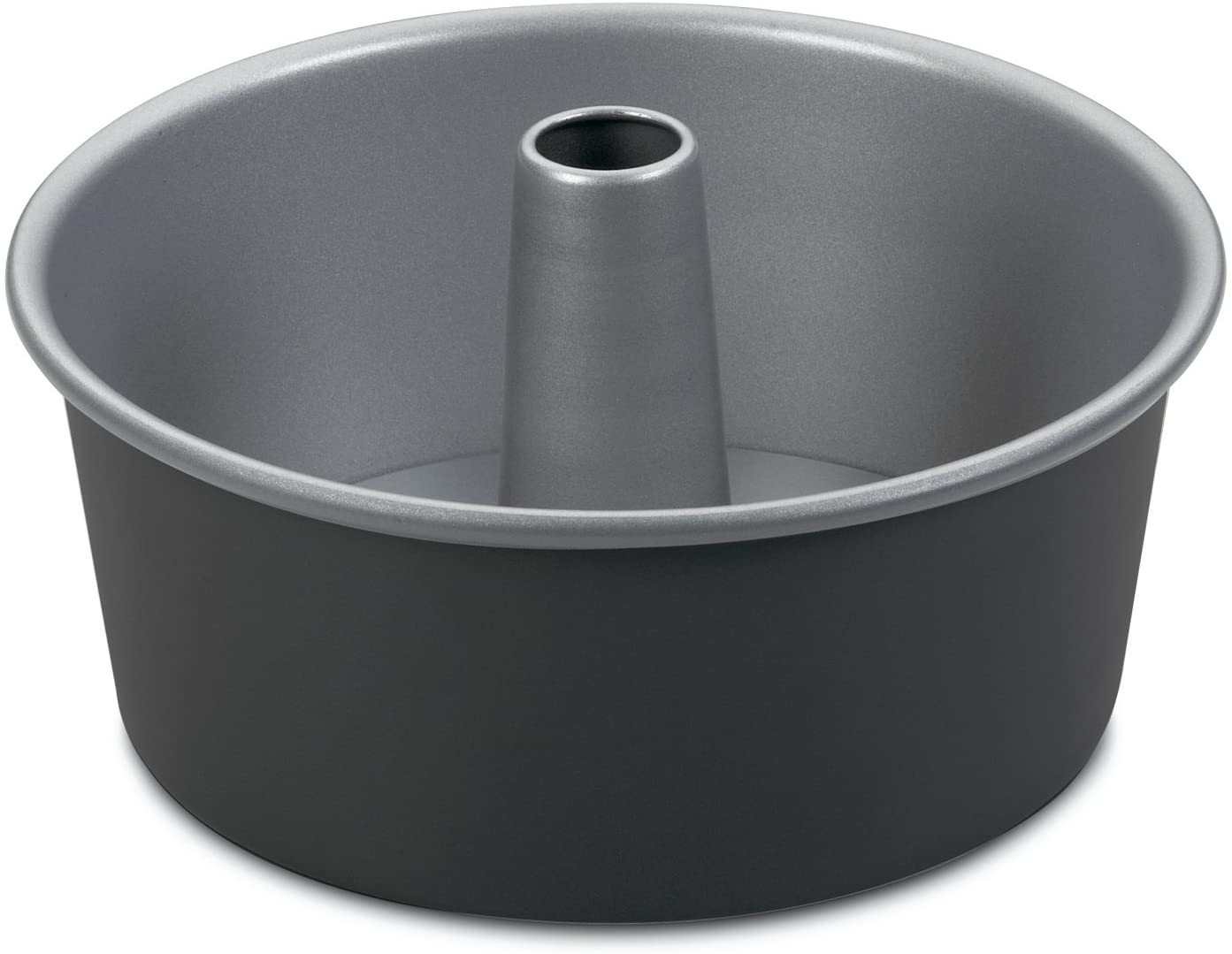
Releasing cakes from baking pans can be a daunting task, but with the right techniques, you can achieve perfectly intact and beautiful cakes every time. This section will provide you with tips and techniques to ensure effortless cake release, allowing you to showcase your culinary creations with ease.
The key to successful cake release lies in proper preparation and careful handling. By following these simple steps, you can minimize the risk of cakes sticking to the pan and ensure a clean and seamless release.
You also can understand valuable knowledge by exploring coconut cake vape recipe.
Parchment Paper
Parchment paper is an essential tool for cake release. It creates a non-stick barrier between the cake batter and the pan, making it easy to lift the cake out once it’s baked. Line the bottom of the pan with parchment paper, ensuring that it extends slightly over the edges. This will prevent the cake from sticking to the bottom and make it easier to remove.
Greasing and Flouring
In addition to parchment paper, greasing and flouring the pan can further enhance cake release. Use a pastry brush to apply a thin layer of butter or cooking spray to the entire surface of the pan, including the sides. Then, sprinkle a light dusting of flour over the greased surface. This will create a slippery surface that prevents the cake from adhering to the pan.
Cooling Before Release
Allowing the cake to cool before releasing it from the pan is crucial. This gives the cake time to set and shrink slightly, making it less likely to stick. Let the cake cool in the pan for about 10-15 minutes before inverting it onto a wire rack to cool completely.
Care and Maintenance
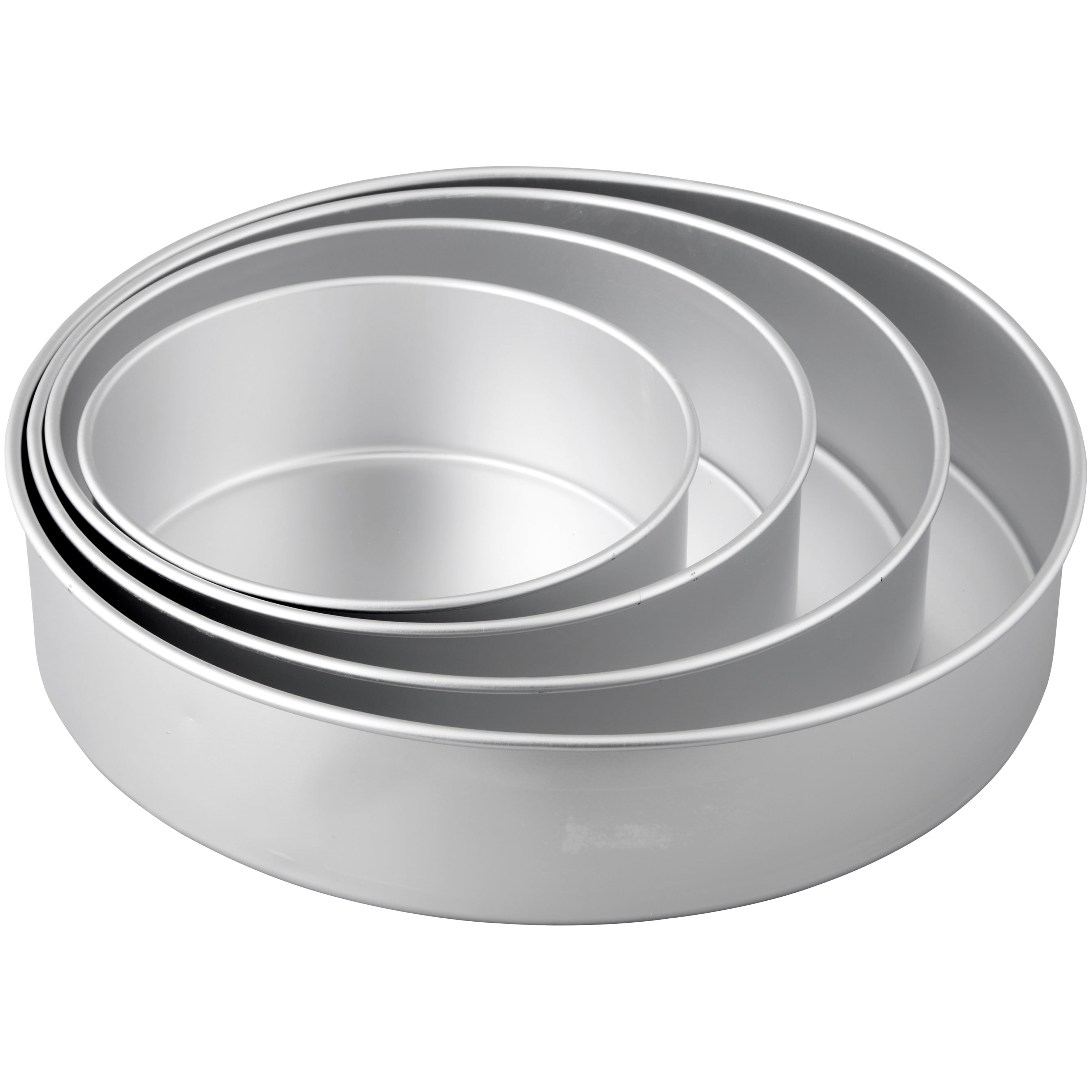
To ensure the longevity and effectiveness of your baking pans for cakes, proper cleaning and maintenance are crucial. Handle them with care, avoiding harsh chemicals and abrasive cleaning tools that can damage the surface.
Cleaning, Baking pan for cake
- Allow to Cool: Let the pan cool completely before cleaning to prevent warping or damage.
- Hand Wash: Gently hand-wash the pan with warm, soapy water. Avoid using harsh detergents or steel wool.
- Soft Sponge: Use a soft sponge or cloth to wipe away any food residue or grease.
- Rinse Thoroughly: Rinse the pan thoroughly with clean water to remove any soap residue.
Drying
- Air Dry: Place the pan upside down on a clean towel or drying rack to allow it to air dry completely.
- Avoid Dishwashers: Dishwashers can expose the pan to harsh detergents and high temperatures, which can damage the non-stick coating.
Storage
- Store Separately: Store baking pans separately to prevent scratches or damage from other cookware.
- Avoid Stacking: Avoid stacking pans on top of each other, as this can cause dents or scratches.
Baking Pan Alternatives
Apart from traditional baking pans, several alternative baking methods exist for cakes, each offering unique advantages and drawbacks. Understanding these alternatives empowers bakers to select the most suitable option for their specific baking needs.
Springform Pans
Springform pans feature a removable bottom and sides, allowing for easy cake release. They are ideal for delicate cakes like cheesecakes or tortes that require a clean, unblemished surface. However, springform pans may leak batter if not properly sealed, and the removable bottom can be challenging to clean thoroughly.
Loaf Pans
Loaf pans are rectangular or oblong-shaped pans used to bake dense, pound cakes or quick breads. They provide even heat distribution and support the cake’s structure during baking. However, loaf pans can be challenging to grease and flour effectively, leading to uneven browning or sticking.
Muffin Tins
Muffin tins consist of individual cups arranged in a tray, perfect for baking individual muffins or cupcakes. They ensure even heat distribution and allow for easy removal of baked goods. However, muffin tins may require liners to prevent sticking, which can add extra cost and effort.
Pan Selection Criteria
Choosing the right baking pan for cakes is essential to ensure a successful bake. Consider the following factors when selecting a pan:
Material
- Aluminum: Lightweight, heats evenly, and is durable.
- Stainless steel: Durable, non-reactive, but may not heat as evenly as aluminum.
- Glass: Non-reactive, allows for monitoring during baking, but can be heavy and fragile.
- Ceramic: Non-stick, heat-resistant, but can be expensive and may crack if handled improperly.
Size
The size of the pan will determine the size of the cake. Choose a pan that is the right size for the recipe you are using.
Shape
The shape of the pan will affect the shape of the cake. Common shapes include round, square, rectangular, and loaf.
Non-Stick Coating
Non-stick coatings can make it easier to release the cake from the pan. However, not all non-stick coatings are created equal. Some coatings may contain harmful chemicals, so it is important to choose a pan with a safe non-stick coating.