Bariatric recipes for one person offer a tailored culinary solution for those navigating the unique dietary needs following bariatric surgery. These recipes empower individuals to create satisfying and nutritious meals that support their recovery and long-term well-being.
Whether you’re seeking high-protein breakfast options, low-carbohydrate lunches, or healthy fat-infused dinners, this comprehensive guide provides a wealth of scaled-down recipes designed to meet your specific requirements.
Meal Planning Strategies
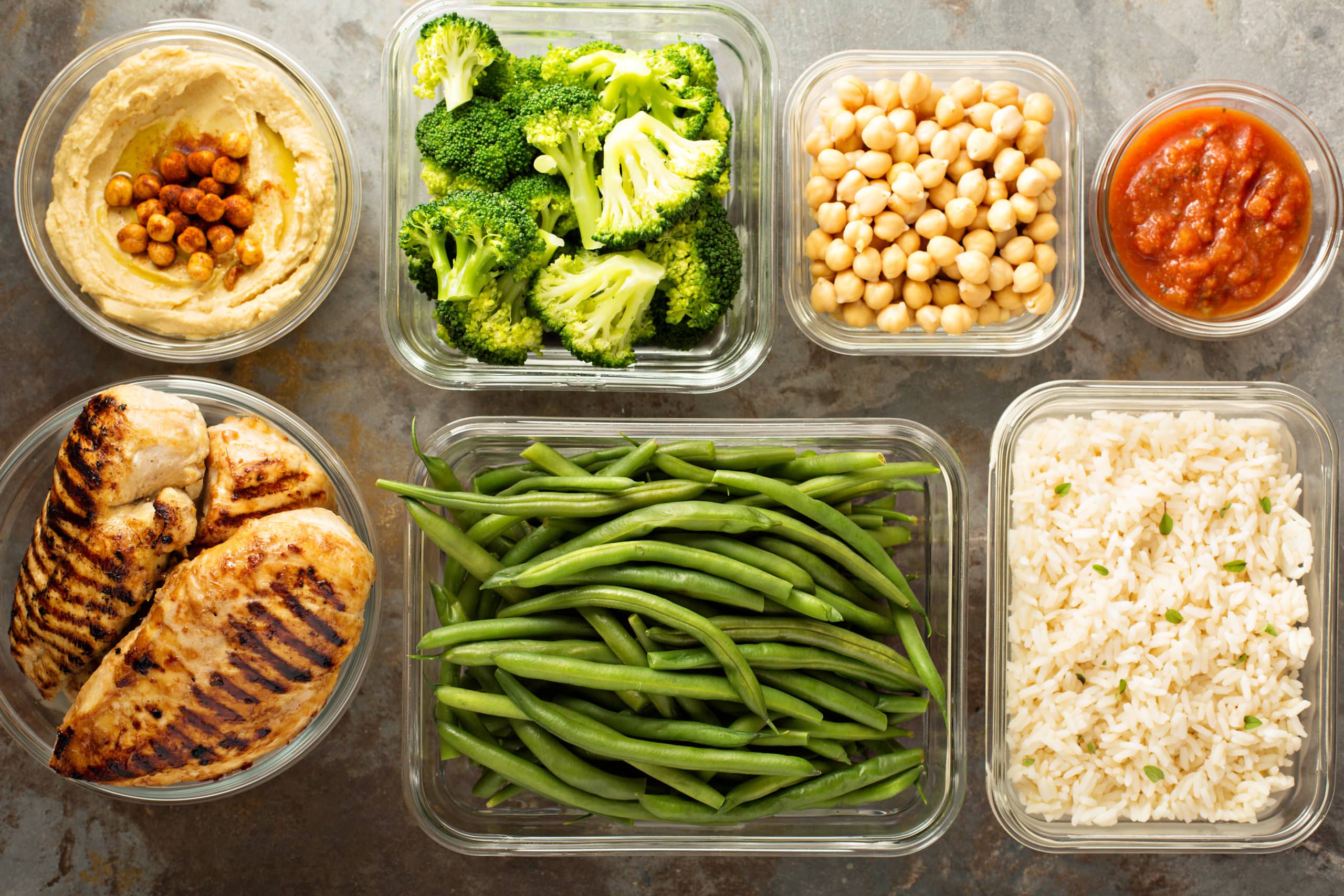
Meal planning is crucial for weight loss and maintenance after bariatric surgery. It helps you control portions, eat balanced meals, and save time.
Portion Control
After surgery, your stomach capacity is reduced, so it’s important to control portions to avoid overeating. Use measuring cups and spoons to ensure you’re eating the recommended amounts.
- For protein, aim for 3-4 ounces per meal.
- For vegetables, aim for 1-2 cups per meal.
- For fruits, aim for 1/2-1 cup per meal.
- For grains, aim for 1/2-1 cup per meal.
Meal Frequency
Eating small, frequent meals throughout the day helps keep your blood sugar levels stable and prevents overeating. Aim for 5-6 meals per day, spaced 2-3 hours apart.
Creating Balanced Meals
Each meal should include a balance of protein, carbohydrates, and healthy fats. Protein helps you feel full and satisfied, carbohydrates provide energy, and healthy fats support hormone production and cell function.
- Good protein sources include lean meats, poultry, fish, beans, and tofu.
- Good carbohydrate sources include whole grains, fruits, and vegetables.
- Good healthy fat sources include olive oil, avocado, nuts, and seeds.
Meal Prepping and Time-Saving
Meal prepping can save you time and help you stay on track with your diet. Set aside a few hours each week to prepare meals for the upcoming days.
- Cook large batches of protein and vegetables.
- Portion out meals into individual containers.
- Freeze meals for later use.
- Use a slow cooker or Instant Pot to prepare meals while you’re away.
Recipe Adaptations for Single Servings
Adapting recipes for one person can be a challenge, but it’s not impossible. With a few simple techniques, you can scale down your favorite recipes to create delicious, single-serving meals.
The key to successful recipe adaptation is to understand how the ingredients and cooking methods work together. Once you have a good understanding of the basics, you can start to make adjustments to create a dish that’s perfect for one.
Adjusting Ingredient Quantities
The first step in adapting a recipe for one person is to adjust the ingredient quantities. This is usually a straightforward process, but there are a few things to keep in mind.
- Start by reducing the ingredient quantities by half. This will give you a good starting point, but you may need to adjust the quantities further depending on the recipe.
- Pay attention to the ratios of ingredients. For example, if a recipe calls for 1 cup of flour and 2 cups of milk, you’ll need to reduce the milk to 1 cup as well.
- Be careful not to reduce the quantities of essential ingredients too much. For example, if a recipe calls for 1 teaspoon of salt, you should not reduce it to 1/4 teaspoon.
Adjusting Cooking Times
Once you’ve adjusted the ingredient quantities, you’ll need to adjust the cooking times. This is a bit more difficult than adjusting the ingredient quantities, but it’s still possible to do with a little bit of trial and error.
- Start by reducing the cooking time by half. This will give you a good starting point, but you may need to adjust the cooking time further depending on the recipe.
- Pay attention to the texture of the food. If the food is still too undercooked, increase the cooking time by a few minutes.
- If the food is overcooked, decrease the cooking time by a few minutes.
Using Leftovers Effectively
If you find yourself with leftovers, there are a few things you can do to use them effectively.
- Freeze the leftovers in individual portions. This is a great way to have quick and easy meals on hand.
- Repurpose the leftovers into a new dish. For example, you could turn leftover roasted chicken into a chicken salad or soup.
- Share the leftovers with a friend or neighbor.
Low-Carbohydrate Recipes

Carbohydrates are broken down into glucose, which is then used for energy. After bariatric surgery, it is important to reduce carbohydrate intake to help with weight loss and maintenance. Low-carbohydrate diets can help to improve blood sugar control, reduce hunger, and increase satiety.Here
are some low-carbohydrate recipes that are suitable for one person:
Vegetarian
- Scrambled eggs with spinach and mushrooms: This is a quick and easy breakfast or lunch option that is packed with protein and fiber.
- Grilled chicken salad with mixed greens, tomatoes, cucumbers, and onions: This is a refreshing and healthy salad that is perfect for a light lunch or dinner.
- Baked salmon with roasted vegetables: This is a flavorful and nutritious meal that is perfect for a special occasion.
Non-Vegetarian
- Steak with cauliflower mash: This is a classic meal that is low in carbohydrates and high in protein.
- Chicken stir-fry with brown rice: This is a quick and easy meal that is packed with flavor and nutrients.
- Pork chops with roasted Brussels sprouts: This is a hearty and satisfying meal that is perfect for a cold night.
Healthy Fat Recipes: Bariatric Recipes For One Person
Healthy fats are an essential part of a bariatric diet. They provide energy, help the body absorb vitamins, and support cell growth. Healthy fats also help you feel full and satisfied after eating, which can help you lose weight and maintain a healthy weight.There
are many ways to incorporate healthy fats into your meals. Here are a few tips:* Add avocado to your salads, sandwiches, and smoothies.
- Use olive oil or avocado oil for cooking and salad dressings.
- Snack on nuts and seeds.
- Include fatty fish, such as salmon, tuna, and mackerel, in your diet.
Sample Recipes
Here are a few healthy fat recipes that you can try:*
*Avocado Toast
Ingredients:* 1 slice whole-wheat bread
- 1/2 avocado, mashed
- 1 tablespoon olive oil
- Salt and pepper to taste
Instructions:
- Toast the bread.
- Mash the avocado and spread it on the toast.
- Drizzle with olive oil and season with salt and pepper.
*
*Olive Oil and Herb Salad Dressing
Ingredients:* 1/4 cup olive oil
For those seeking bariatric-friendly recipes tailored for one person, this asparagus and zucchini recipe offers a delightful and nutritious option. The combination of tender asparagus and flavorful zucchini creates a satisfying dish that’s easy to prepare and packed with essential nutrients.
Continue exploring our collection of bariatric recipes for more delicious and convenient meal ideas.
- 2 tablespoons red wine vinegar
- 1 tablespoon Dijon mustard
- 1 teaspoon dried oregano
- 1 teaspoon dried basil
- Salt and pepper to taste
Instructions:
- Whisk all ingredients together in a bowl.
- Drizzle over salad.
*
*Trail Mix
Ingredients:* 1/2 cup nuts (such as almonds, walnuts, or pecans)
- 1/2 cup seeds (such as sunflower seeds, pumpkin seeds, or chia seeds)
- 1/4 cup dried fruit (such as raisins, cranberries, or apricots)
Instructions:
- Combine all ingredients in a bowl.
- Store in an airtight container.
Dessert Options
Enjoying a sweet treat after a meal is a common desire, but it’s crucial to approach dessert choices mindfully when managing your weight after bariatric surgery. Opting for low-sugar and portion-controlled dessert recipes can satisfy your cravings without compromising your health goals.
Whether you prefer baked or no-bake desserts, there are plenty of options available. Experiment with different recipes to find what suits your taste buds best. Remember, moderation is key, and sugary treats should be consumed sparingly.
Baked Desserts, Bariatric recipes for one person
- Low-Sugar Blueberry Muffins:These muffins are made with whole-wheat flour, fresh blueberries, and a touch of sweetness from honey or maple syrup.
- Baked Apple Crisp:This classic dessert is a healthier version with apples, cinnamon, and a crunchy oat topping.
- Flourless Chocolate Lava Cake:A decadent treat made with dark chocolate and almond flour, resulting in a rich and satisfying dessert.
No-Bake Desserts
- Chia Seed Pudding:A creamy and satisfying pudding made with chia seeds, milk, and a hint of vanilla extract.
- Fruit Sorbet:A refreshing and low-calorie dessert made by blending frozen fruit, such as berries or peaches.
- Yogurt Parfait:Layer yogurt, granola, and fruit in a glass for a quick and easy dessert.
Epilogue

Embracing bariatric recipes for one person is not merely about cooking; it’s about embracing a healthier lifestyle. With a focus on balanced nutrition, portion control, and mindful eating, these recipes empower you to regain control over your dietary choices and embark on a journey towards improved well-being.