Embark on a culinary adventure with our beef pad thai recipe, a symphony of flavors that will tantalize your taste buds. This delectable dish, a staple of Thai cuisine, is renowned for its harmonious blend of savory, sweet, and tangy notes.
Follow our step-by-step guide as we delve into the secrets of preparing this beloved dish. From gathering the finest ingredients to mastering the art of stir-frying, we’ll guide you through each stage with precision and enthusiasm.
Ingredients
To craft a delectable beef pad thai, you’ll need an array of flavorful ingredients:
– 8 ounces of flat rice noodles, also known as “banh pho” or “sen chan” – 1 pound of thinly sliced beef, such as flank steak or sirloin – 1 cup of fresh bean sprouts – 1 cup of chopped green onions – 1 cup of chopped cilantro – 1/2 cup of chopped peanuts – 1/4 cup of chopped red onion – 1/4 cup of chopped carrots – 3 tablespoons of fish sauce – 2 tablespoons of tamarind paste – 2 tablespoons of brown sugar – 1 tablespoon of soy sauce – 1 tablespoon of vegetable oil – 1 lime, cut into wedges, for serving
Variations and Substitutions
Feel free to customize your pad thai to suit your preferences or dietary needs:
- Substitute tofu or chicken for beef.
- Use gluten-free rice noodles for a gluten-free option.
- Add other vegetables such as bell peppers, snap peas, or broccoli.
- Adjust the amount of fish sauce, tamarind paste, and brown sugar to taste.
Cooking Equipment
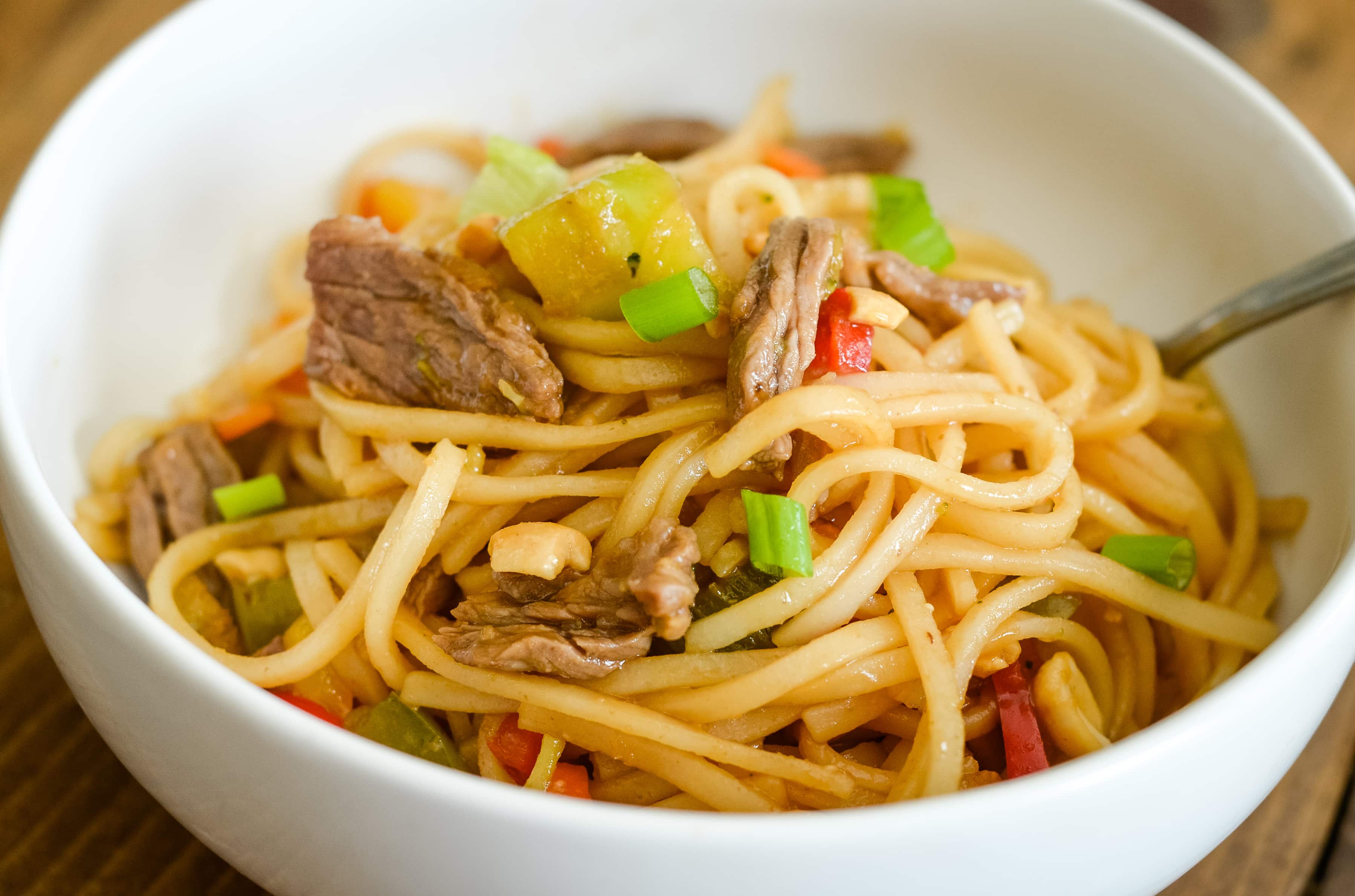
Preparing beef pad thai requires a combination of essential cooking equipment. Each piece serves a specific purpose in creating this delectable dish.
Essential Cooking Equipment
- Wok or large skillet:A large, well-seasoned wok or skillet is crucial for stir-frying the ingredients. Its sloping sides and wide surface area allow for even heat distribution and easy tossing.
- Spatula or wooden spoon:A heat-resistant spatula or wooden spoon is essential for stirring and flipping the ingredients in the wok or skillet without damaging them.
- Measuring cups and spoons:Accurate measuring is vital for achieving the perfect balance of flavors in beef pad thai. Measuring cups and spoons ensure precise proportions of ingredients.
- Cutting board and knife:A sturdy cutting board and a sharp knife are necessary for slicing and chopping the vegetables and meat.
- Grater:A grater is used to prepare the daikon radish, adding a crunchy texture to the dish.
- Rice cooker (optional):While not strictly necessary, a rice cooker can streamline the process by cooking the rice while you prepare the other ingredients.
Preparation s
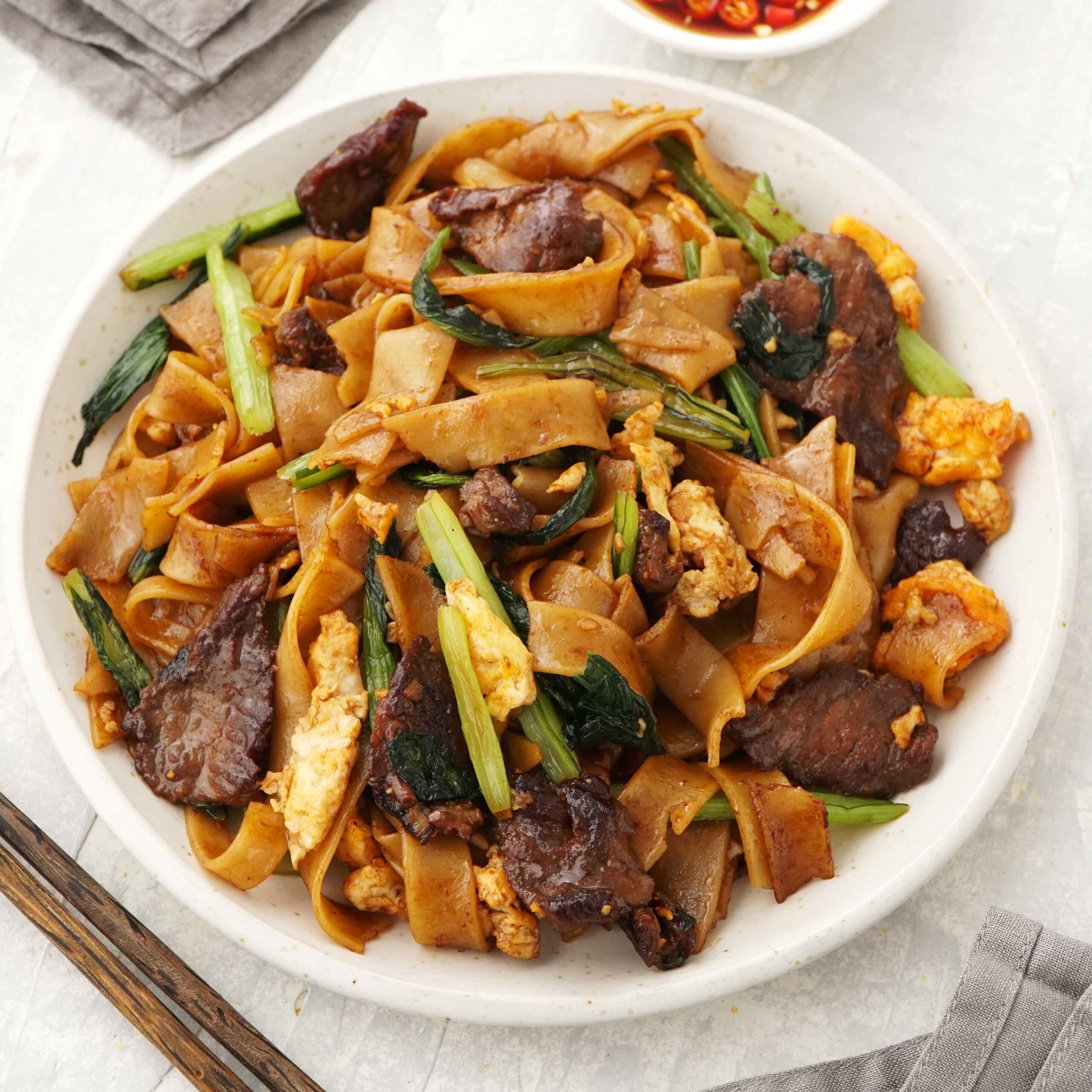
Cooking beef pad thai involves several steps, each requiring attention to detail to achieve the desired flavors and textures. Let’s delve into the step-by-step process, ensuring clarity and providing tips for optimal results.
Soaking the Rice Noodles
Begin by soaking the rice noodles in warm water for about 10-15 minutes, or until they become pliable. This step softens the noodles, making them easier to stir-fry later on.
Tip: Use wide rice noodles for an authentic pad thai experience.
Preparing the Beef
While the noodles are soaking, slice the beef into thin strips and marinate it in a mixture of soy sauce, brown sugar, and sesame oil for at least 30 minutes. This marinade tenderizes the beef and infuses it with flavors.
Tip: Use flank steak or top sirloin for a flavorful and tender beef experience.
Cooking the Pad Thai
Heat a large wok or skillet over high heat. Add a drizzle of oil and swirl to coat the surface. Once the oil is hot, add the marinated beef and cook until browned on all sides.
Remove the beef from the wok and set aside. Add the soaked noodles to the wok and stir-fry for a few minutes, until they start to soften.
Add the prepared pad thai sauce (see previous section for the recipe) to the noodles and stir to combine. The sauce should coat the noodles evenly.
Return the beef to the wok and add the bean sprouts, peanuts, and green onions. Stir-fry for an additional 2-3 minutes, until the vegetables are tender-crisp and the beef is cooked through.
Serve the beef pad thai immediately, garnished with lime wedges and additional peanuts.
Tip: If the pad thai becomes too dry, add a splash of water or broth to moisten it.
Cooking Method
Beef pad thai is prepared using the stir-frying technique, a method that involves cooking ingredients rapidly in a hot wok or large skillet with a small amount of oil.
Stir-frying requires high heat and constant stirring to ensure even cooking and prevent burning. The ingredients are typically cut into small pieces to facilitate quick and even cooking.
Temperature Control and Cooking Times
Maintaining the correct temperature is crucial for successful stir-frying. The wok or skillet should be heated over high heat until it is very hot but not smoking. Once the oil is added, it should shimmer and move around the pan easily.
Cooking times for beef pad thai are relatively short, with the entire dish typically taking around 15-20 minutes to prepare. The beef should be cooked until it is just cooked through, and the noodles should be soft but still have a slight chew to them.
Seasoning and Flavoring: Beef Pad Thai Recipe
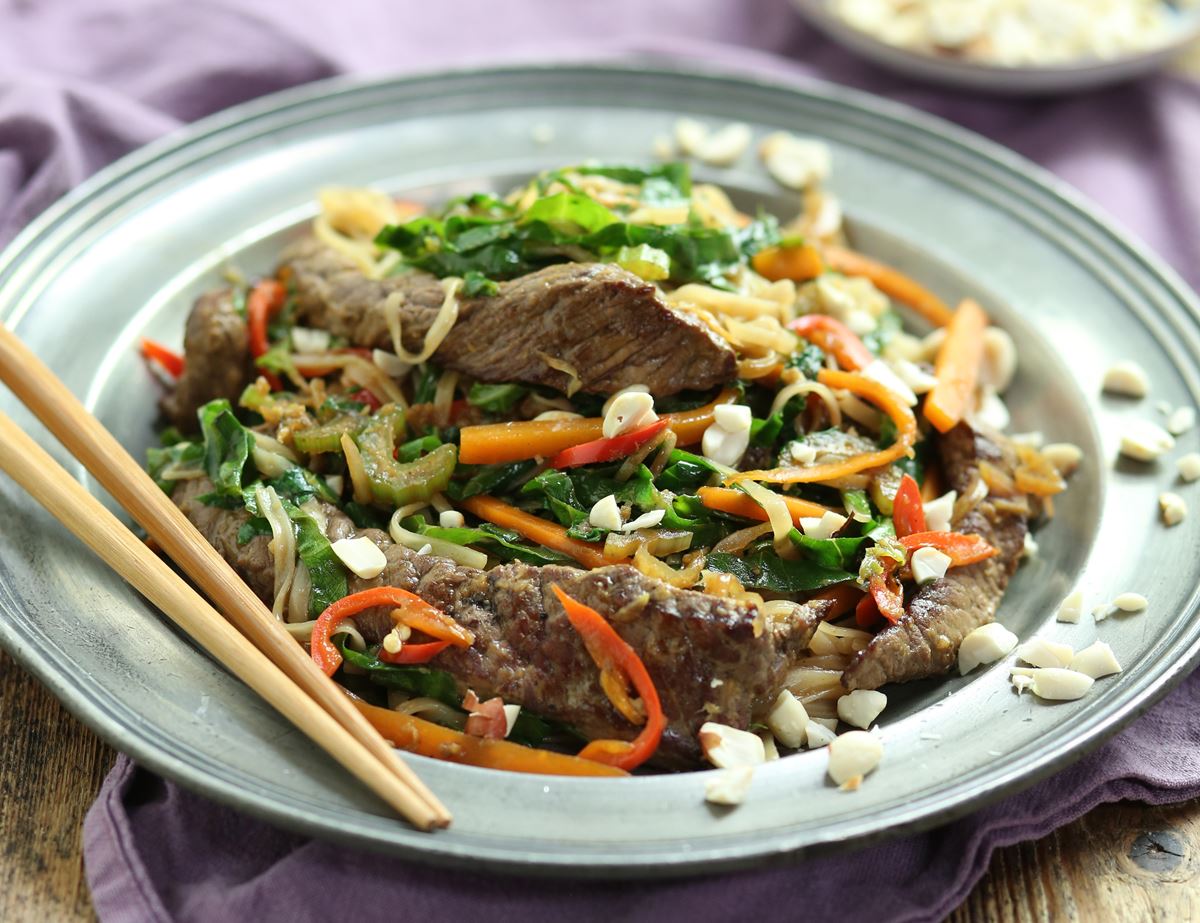
Seasoning and flavoring play a crucial role in enhancing the taste of beef pad thai, transforming it from a simple stir-fry into a delectable dish. The harmonious blend of sweet, sour, salty, and spicy flavors creates a tantalizing experience that captivates the palate.
The key seasonings in beef pad thai include:
- Fish sauce: This pungent sauce adds a savory, umami flavor to the dish, providing a depth of flavor.
- Soy sauce: A staple in many Asian cuisines, soy sauce adds a salty and slightly sweet taste, balancing the other flavors.
- Tamarind paste: This sour ingredient provides a tangy and slightly fruity note, creating a harmonious contrast to the other flavors.
- Palm sugar: Palm sugar adds a subtle sweetness to the dish, balancing the sourness of the tamarind paste.
- Red chili flakes: These flakes add a spicy kick, adjusting the heat level to personal preferences.
The proportions of these seasonings can be adjusted to create different flavor profiles. For those who prefer a sweeter pad thai, more palm sugar can be added. Conversely, those who enjoy a spicier dish can increase the amount of red chili flakes.
The key is to experiment and find the perfect balance that suits your taste buds.
Noodles
Pad Thai relies on the perfect balance between soft, chewy noodles and a savory sauce. Traditionally, wide rice noodles known as “sen chan” or “sen lek” are used. These noodles have a unique flat and slightly translucent appearance.
The texture of the noodles is crucial to the dish. When cooked properly, they should be tender yet retain a slight chewiness, absorbing the flavors of the sauce without becoming soggy. The noodles’ mild flavor allows them to complement the rich and tangy sauce without overpowering it.
Cooking the Noodles, Beef pad thai recipe
Cooking the noodles is a simple yet crucial step. To achieve the desired texture, follow these tips:
- Soak the noodles in warm water for about 10 minutes or until they become pliable.
- Bring a large pot of water to a boil and add the noodles.
- Cook the noodles for 5-7 minutes, or according to the package instructions.
- Drain the noodles in a colander and rinse them with cold water to stop the cooking process.
Vegetables
Vegetables are an integral part of pad thai, adding vibrant colors, textures, and nutritional value to the dish. The most commonly used vegetables in beef pad thai include:
- Bean sprouts: These crunchy sprouts provide a fresh, crisp texture and are a good source of fiber, vitamin C, and antioxidants.
- Green onions: The mild, slightly sharp flavor of green onions complements the other ingredients in pad thai and adds a pop of color. They are also a good source of vitamin K and antioxidants.
- Carrots: The sweet, earthy flavor of carrots adds a touch of sweetness to pad thai. They are also a good source of vitamin A, vitamin C, and fiber.
- Peanuts: While not technically a vegetable, peanuts are often added to pad thai for their crunchy texture and nutty flavor. They are also a good source of protein, fiber, and healthy fats.
When selecting vegetables for pad thai, choose fresh, crisp vegetables that are free of bruises or blemishes. Wash the vegetables thoroughly before using them and cut them into thin strips or slices for even cooking.
Sauce
The sauce is the heart of pad thai, contributing a rich and flavorful base to the dish. It typically comprises a blend of sweet, sour, and salty flavors.
The sauce is thick and glossy, coating the noodles and vegetables evenly. Its primary ingredients include tamarind paste, fish sauce, palm sugar, and crushed peanuts.
Making the Sauce
To make the sauce from scratch, combine the following ingredients in a saucepan:
- 1/2 cup tamarind paste
- 1/4 cup fish sauce
- 1/4 cup palm sugar
- 1/4 cup crushed peanuts
- 1/2 cup water
Bring the mixture to a simmer and cook for 5-7 minutes, stirring occasionally, until the sauce thickens. Remove from heat and set aside.
Garnish and Presentation
The final touch to a perfect beef pad thai lies in its garnish and presentation. Traditional garnishes not only enhance the dish’s aesthetics but also contribute to its overall flavor profile.
Traditional Garnishes
Authentic beef pad thai is typically adorned with:
- Roasted peanuts:Their nutty crunch and subtle sweetness balance the tangy sauce.
- Crispy shallots:Fried until golden brown, they add a savory and slightly caramelized flavor.
- Fresh cilantro:Its vibrant green color and citrusy notes provide a refreshing contrast.
- Bean sprouts:These tender sprouts add a crisp texture and subtle earthy flavor.
Creative Presentation
For a visually appealing presentation, consider:
- Stacking the noodles:Neatly arrange the noodles in a mound on a plate.
- Creating a sauce drizzle:Drizzle the sauce over the noodles in a decorative pattern.
- Using colorful garnishes:Add pops of color with red chili flakes, chopped red cabbage, or pickled carrots.
- Garnishing with edible flowers:Consider using edible flowers such as nasturtiums or marigolds for a touch of elegance.
Variations and Inspirations
Beef pad thai is a versatile dish that can be adapted to suit different regional tastes and preferences. Here are some popular variations:
Isaan Pad Thai:Originating from the northeastern region of Thailand, Isaan pad thai is known for its spicy and sour flavors. It typically includes fermented fish sauce, chili peppers, and lime juice.
Phuket Pad Thai:This southern Thai variation is characterized by its use of tamarind paste, which gives it a tangy and slightly sweet flavor. It also often includes shrimp or squid.
Vegetarian Pad Thai:For a meatless option, vegetarian pad thai replaces the beef with tofu or tempeh. It still retains the classic flavors of pad thai, with a focus on vegetables like bean sprouts, carrots, and bell peppers.
Pad See Ew:While similar to pad thai, pad see ew is a stir-fried noodle dish that uses a dark soy sauce-based sauce. It is typically served with Chinese broccoli.
These variations showcase the adaptability of beef pad thai and provide inspiration for experimenting with new ingredients and flavors. Feel free to mix and match elements from different variations to create your own unique pad thai experience.
Wrap-Up
:max_bytes(150000):strip_icc()/201310-r-xl-beef-with-broccoli-pad-thai-2000-531bda5d780847bc88d9f5ad0fa653d9.jpg "Gluten")
As you savor the last bite of your homemade beef pad thai, take a moment to appreciate the culinary journey you’ve embarked on. This dish is not merely a meal; it’s a testament to the vibrant flavors and rich traditions of Thai cuisine.
We encourage you to experiment with different variations and let your creativity shine through.
Whether you’re a seasoned chef or a culinary novice, we hope our beef pad thai recipe inspires you to create a delicious and authentic dish that will delight your family and friends. So gather your ingredients, prepare your palate, and let’s embark on this culinary adventure together!