Burmese khao suey recipe - Embark on a culinary adventure with our comprehensive guide to Burmese khao suey, a beloved dish that captures the vibrant flavors and rich culture of Myanmar. From its humble origins to its tantalizing variations, this recipe will transport you to the heart of this Southeast Asian gem.
Burmese khao suey, meaning "noodle soup," is a symphony of textures and flavors. It features a savory broth brimming with tender noodles, succulent meats, and a vibrant array of vegetables. Its unique blend of spices, including turmeric, coriander, and chili peppers, creates an aromatic and unforgettable taste experience.
Burmese Khao Suey Origin and History
Burmese khao suey is a beloved and iconic dish that has been a staple of Myanmar's culinary landscape for centuries. Its origins can be traced back to the Shan State, an eastern region of Myanmar that shares borders with China, Laos, and Thailand.
The dish is believed to have been influenced by the cuisines of these neighboring countries, with the Shan people incorporating elements from both Chinese and Thai culinary traditions. Over time, khao suey evolved into a unique and flavorful dish that reflects the cultural diversity of Myanmar.
Cultural Significance and Popularity
Khao suey holds a special place in Myanmar's culture. It is often served at festivals, celebrations, and gatherings, symbolizing unity and communal dining. The dish is also a testament to the country's rich culinary heritage, showcasing the diverse flavors and influences that have shaped Myanmar's cuisine.
Ingredients for Burmese Khao Suey
Burmese khao suey is a flavorful noodle soup dish that combines various ingredients to create a harmonious blend of textures and tastes. The following list provides a comprehensive overview of the essential and optional ingredients used in a traditional Burmese khao suey recipe.
The base of the dish consists of a rich and flavorful broth made from chicken or beef, along with a blend of spices and aromatics. Rice noodles, known as "khao suey," form the main carbohydrate component and provide a chewy texture to the soup.
Essential Ingredients
- Chicken or Beef Broth:Forms the base of the soup, providing a rich and savory flavor.
- Rice Noodles (Khao Suey):Chewy rice noodles that absorb the flavors of the broth and other ingredients.
- Spices and Aromatics:A blend of spices, such as turmeric, cumin, coriander, and garlic, along with aromatics like onions and ginger, adds depth and complexity to the broth.
- Coconut Milk:Adds a creamy and slightly sweet flavor to the broth.
- Vegetables:Typically includes carrots, potatoes, green beans, and tomatoes, providing a variety of textures and flavors.
- Fried Onion:Crispy fried onions add a crunchy texture and a nutty flavor.
- Boiled Eggs:Hard-boiled eggs are a common topping that adds protein and a contrasting texture.
Optional Ingredients
- Chilli Oil:Adds a spicy kick to the soup.
- Lemon Wedges:Provide a bright and tangy flavor that complements the richness of the broth.
- Crispy Wontons:Add a crispy and savory element to the soup.
- Coriander Leaves:Fresh coriander leaves add a herbaceous aroma and flavor.
- Pickled Mustard Greens:Provide a tangy and slightly sour flavor that balances the richness of the soup.
Step-by-Step Cooking s
The preparation of Burmese khao suey involves a meticulous process, which we will explore in detail in this section.
We will cover the steps involved in preparing the flavorful broth, cooking the noodles, and assembling the soup to create a delectable and authentic khao suey experience.
Preparing the Broth
The broth forms the foundation of khao suey, and its preparation requires careful attention to detail.
- Begin by sautéing onions, garlic, and ginger in oil until they become translucent.
- Add chicken or beef bones and cover them with water. Bring the mixture to a boil and then reduce heat to low.
- Simmer the broth for several hours, or even overnight, to extract maximum flavor from the bones.
- Strain the broth to remove any impurities and bones, and season it with salt, pepper, and other spices as desired.
Variations of Burmese Khao Suey
Burmese khao suey is a versatile dish with regional variations found throughout Myanmar. These variations showcase the diverse culinary traditions and preferences of different regions, resulting in unique flavor profiles and presentations.
Shan Khao Suey
Shan khao suey, originating from the Shan State in eastern Myanmar, is known for its rich and flavorful broth made with chicken or beef. It typically includes a variety of toppings such as crispy fried garlic, peanuts, and fresh coriander.
The noodles used are usually thin and made from rice.
Mandalay Khao Suey
Mandalay khao suey, from the central region of Myanmar, is characterized by its use of a creamy coconut milk-based broth. The broth is often infused with turmeric, giving it a golden yellow color. Toppings include fried shallots, boiled eggs, and a sprinkle of chili flakes.
Mon Khao Suey
Mon khao suey, from the southern Mon State, features a tangy and spicy broth made with tamarind and fish sauce. It is often served with fresh vegetables such as tomatoes, cucumbers, and green beans. The noodles used are typically thick and made from wheat.
Rakhine Khao Suey
Rakhine khao suey, from the western Rakhine State, is known for its use of seafood. The broth is made with a combination of fish and shrimp paste, resulting in a savory and umami-rich flavor. Toppings include boiled eggs, fresh vegetables, and a drizzle of coconut milk.
Accompaniments and Condiments
Burmese khao suey is typically served with an array of traditional accompaniments and condiments, each adding its own unique flavor and texture to the dish.
These accompaniments and condiments are essential for creating the authentic Burmese khao suey experience.
Fried Onions
Fried onions add a crispy, savory crunch to the khao suey. They are made by thinly slicing onions and frying them until golden brown.
Roasted Garlic
Roasted garlic adds a rich, nutty flavor to the khao suey. It is made by roasting whole cloves of garlic in the oven until they are soft and caramelized.
Lime Wedges
Lime wedges add a bright, citrusy flavor to the khao suey. They are used to squeeze fresh lime juice over the dish.
Chili Oil
Chili oil adds a spicy kick to the khao suey. It is made by infusing chili peppers in hot oil.
Fish Sauce
Fish sauce adds a salty, umami flavor to the khao suey. It is made by fermenting fish in salt water.
Pickled Tea Leaves
Pickled tea leaves add a sour, astringent flavor to the khao suey. They are made by fermenting tea leaves in a brine solution.
Nutritional Value of Burmese Khao Suey
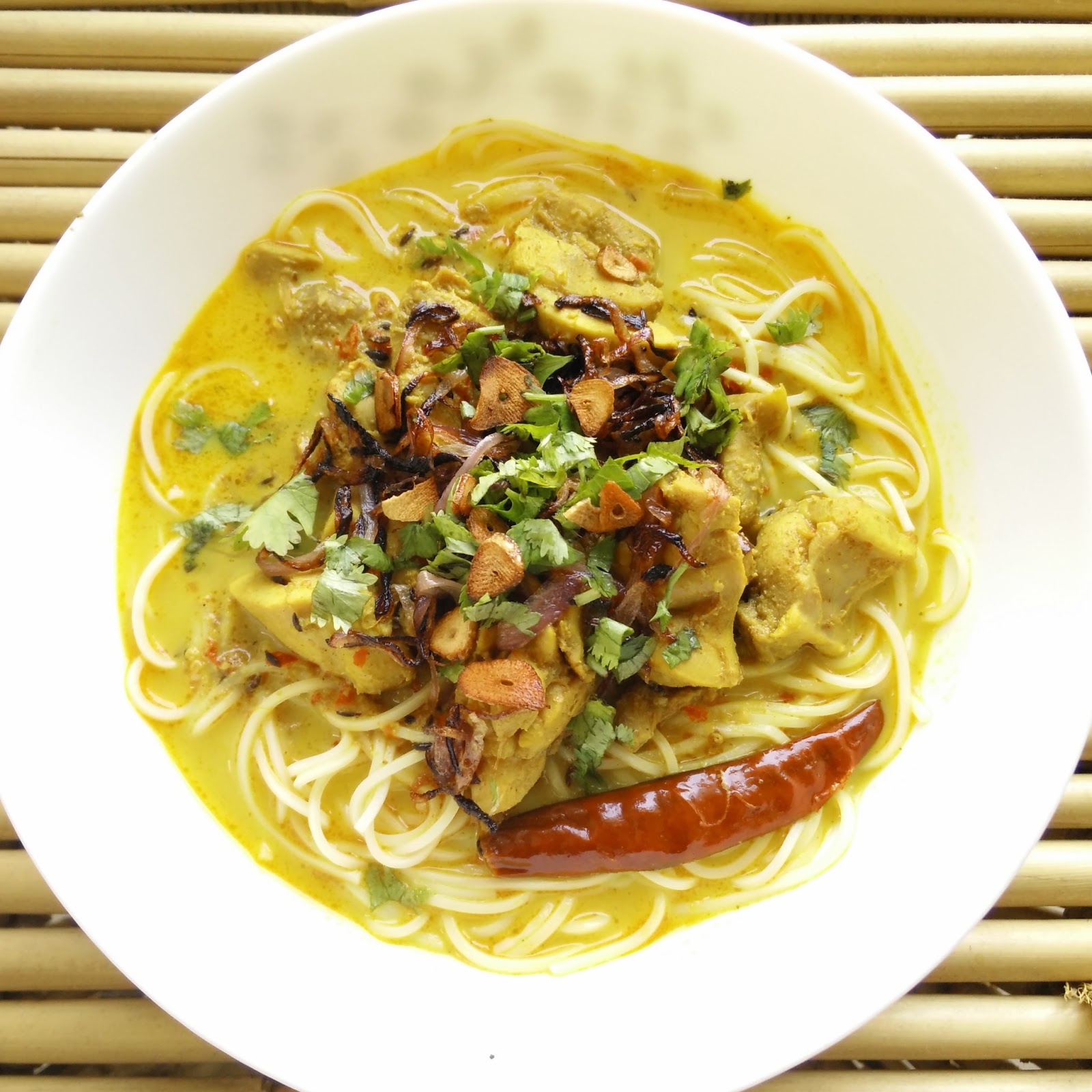
Burmese khao suey is a delectable dish that boasts a rich nutritional profile. Its complex composition offers a diverse range of macronutrients and micronutrients essential for maintaining optimal health.
Macronutrient Composition
- Carbohydrates:Khao suey is a good source of carbohydrates, primarily from the rice noodles and vegetables. These carbohydrates provide energy for the body's daily activities.
- Protein:The dish contains a moderate amount of protein from the chicken or beef, as well as the coconut milk and chickpeas. Protein is crucial for building and repairing tissues.
- Fat:Khao suey is relatively high in fat, primarily from the coconut milk and oil used in its preparation. This fat provides energy and supports the absorption of fat-soluble vitamins.
Micronutrient Composition
- Vitamins:Khao suey is rich in vitamins A, C, and E, which are essential for maintaining healthy vision, immune function, and skin health.
- Minerals:The dish is a good source of minerals such as iron, calcium, and potassium, which play vital roles in blood production, bone health, and electrolyte balance.
- Antioxidants:Khao suey contains a variety of antioxidants, including beta-carotene and lycopene, which help protect cells from damage caused by free radicals.
Overall, Burmese khao suey is a nutritious dish that provides a balanced intake of macronutrients and micronutrients. Its consumption can contribute to overall well-being and support a healthy lifestyle.
Health Benefits of Burmese Khao Suey: Burmese Khao Suey Recipe
Burmese khao suey is not only a delectable dish but also offers an array of potential health benefits. Its diverse ingredients contribute to overall well-being by providing essential nutrients and promoting healthy bodily functions.
Nutritional Profile, Burmese khao suey recipe
- Protein:Rich in protein from chicken, beef, or tofu, khao suey helps build and repair tissues, promotes satiety, and supports muscle growth.
- Carbohydrates:The rice noodles and vegetables provide complex carbohydrates that offer sustained energy and regulate blood sugar levels.
- Fiber:The vegetables, such as cabbage, carrots, and onions, are excellent sources of dietary fiber, which aids digestion, promotes regularity, and helps maintain a healthy weight.
- Vitamins and Minerals:Khao suey is a good source of vitamins A, C, and K, as well as minerals like iron, calcium, and potassium, which support various bodily functions, including vision, immune health, and bone health.
- Antioxidants:The vegetables and spices in khao suey contain antioxidants that protect against cell damage and reduce the risk of chronic diseases.
Other Health Benefits
- Anti-inflammatory:The spices used in khao suey, such as turmeric and ginger, possess anti-inflammatory properties that can help reduce inflammation throughout the body.
- Gut Health:The fermented tofu and the probiotic-rich coconut milk in khao suey promote a healthy gut microbiome, which is essential for digestive health and overall well-being.
- Cardiovascular Health:The use of lean protein sources, such as chicken or tofu, and the presence of fiber help maintain healthy cholesterol levels and support cardiovascular health.
Cultural Significance of Burmese Khao Suey
Khao suey holds a prominent place in Myanmar's culinary landscape, transcending its status as a mere dish to become a symbol of cultural identity and communal harmony. Its versatility allows it to grace tables during festive occasions, family gatherings, and even casual meals, fostering a sense of togetherness and celebration.
Role in Festivals and Celebrations
Khao suey is an indispensable part of Myanmar's vibrant festivals, particularly the Thingyan Water Festival. During this time, it serves as a centerpiece dish, symbolizing the cleansing and renewal associated with the festival. The dish's rich flavors and abundance of ingredients mirror the diversity and inclusiveness of Myanmar's cultural heritage.
Everyday Significance
Beyond festive occasions, khao suey is a beloved staple in everyday life. Its versatility allows it to adapt to various palates and preferences, making it a comforting and convenient meal option. Whether enjoyed as a hearty breakfast, a satisfying lunch, or a cozy dinner, khao suey brings people together, fostering a sense of community and shared culinary experiences.
Burmese Khao Suey in Popular Culture
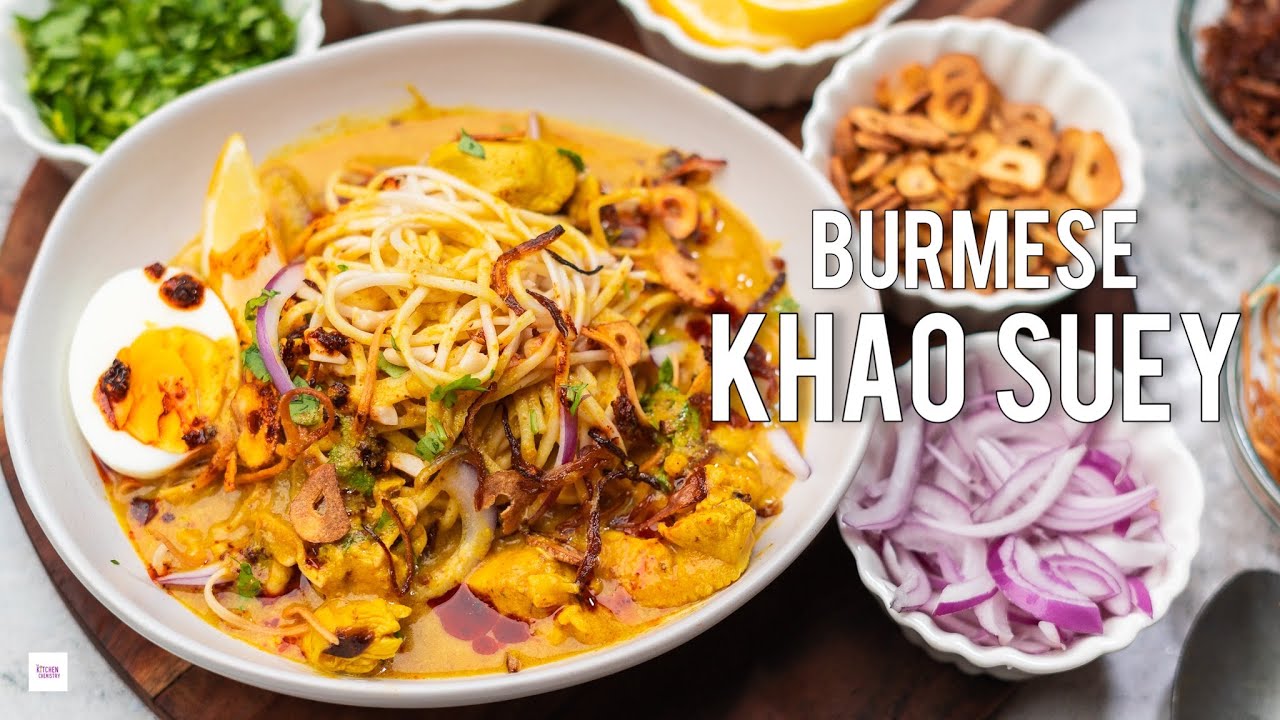
Burmese khao suey has gained recognition beyond its borders, becoming a beloved dish in international cuisine and inspiring mentions in various forms of popular culture.
Mentions in Literature and Film
Burmese khao suey has been featured in several literary works, including the 2017 novel "The Night Tiger" by Yangsze Choo. The dish also made an appearance in the 2014 film "The Grand Budapest Hotel," where it was enjoyed by the main characters during their stay at a luxurious hotel.
Burmese khao suey is a delicious and flavorful dish that is perfect for a special occasion. If you are looking for something different to try, I highly recommend checking out the big easy fried turkey recipe . It is a great way to enjoy a classic dish with a modern twist.
The fried turkey is crispy and juicy, and the khao suey sauce is rich and flavorful. You can also find other interesting recipes online that combine different cuisines to create something new and exciting.
Popularity in International Cuisine
Khao suey has gained popularity in international cuisine, with restaurants and food enthusiasts experimenting with variations of the dish. Chefs have incorporated elements from other cuisines, such as Indian spices and Thai herbs, to create unique interpretations of the traditional Burmese recipe.
Tips and Tricks for Making the Perfect Burmese Khao Suey

Creating an exceptional Burmese khao suey requires attention to detail and a few clever techniques. Here are some invaluable tips and tricks to elevate your culinary creation:
To enhance the depth of flavor, use a combination of chicken and beef stock. Alternatively, for a vegetarian version, substitute with vegetable stock.
Fresh Ingredients for Authentic Taste
- For the best results, use fresh ingredients whenever possible. This includes using fresh ginger, garlic, onions, and tomatoes.
- If fresh lemongrass is unavailable, you can substitute it with dried lemongrass. However, fresh lemongrass adds a more vibrant flavor.
Balancing Spices and Seasonings
- Taste the broth regularly and adjust the seasonings as needed. You may need to add more fish sauce, lime juice, or chili paste to achieve the desired balance of flavors.
- If you don't have access to Burmese curry powder, you can make your own by combining turmeric, coriander, cumin, and paprika.
Garnishing for Visual Appeal
- To enhance the visual appeal of your khao suey, garnish it with fresh herbs such as cilantro, mint, and basil.
- Fried shallots and crispy garlic add a delightful textural contrast. Consider including them as garnishes.
Final Summary
Whether you're a seasoned cook or a culinary novice, our Burmese khao suey recipe will empower you to create this delectable dish in the comfort of your own kitchen. Dive into the vibrant flavors of Myanmar and experience the joy of sharing this culinary treasure with loved ones.


