Chaga mushroom tea recipe - Discover the secrets of brewing chaga mushroom tea, an ancient elixir steeped in health benefits and captivating flavors. From its antioxidant properties to its potential immune-boosting powers, this guide will immerse you in the world of chaga mushroom tea, providing step-by-step preparation methods and delectable variations to tantalize your taste buds.
Delve into the preparation techniques, from selecting high-quality mushrooms to mastering the art of steeping and simmering. Learn the nuances of chaga mushroom tea's flavor profile and explore creative ways to enhance its taste with spices, herbs, and sweeteners.
Chaga Mushroom Tea Health Benefits
Chaga mushroom tea is gaining popularity as a health beverage due to its potential health benefits. These benefits are attributed to the presence of various compounds, including antioxidants and other bioactive substances.
Antioxidant Properties
Chaga mushrooms are rich in antioxidants, which help protect the body from damage caused by free radicals. Free radicals are unstable molecules that can contribute to aging, chronic diseases, and inflammation.
Studies have shown that chaga mushroom tea has a high antioxidant capacity, which may help reduce oxidative stress and protect against cellular damage.
Immune Support
Chaga mushrooms have been traditionally used to support immune function. Research suggests that compounds in chaga mushrooms may activate immune cells and enhance the body's ability to fight off infections.
For example, one study found that chaga mushroom extract stimulated the production of immune-boosting cytokines, which are proteins that help regulate the immune response.
Anti-inflammatory Effects
Chaga mushrooms contain compounds that have anti-inflammatory properties. Inflammation is a natural response to injury or infection, but chronic inflammation can contribute to various health conditions.
Studies have shown that chaga mushroom tea may help reduce inflammation by inhibiting the production of inflammatory cytokines and promoting the release of anti-inflammatory compounds.
Chaga Mushroom Tea Preparation Methods: Chaga Mushroom Tea Recipe
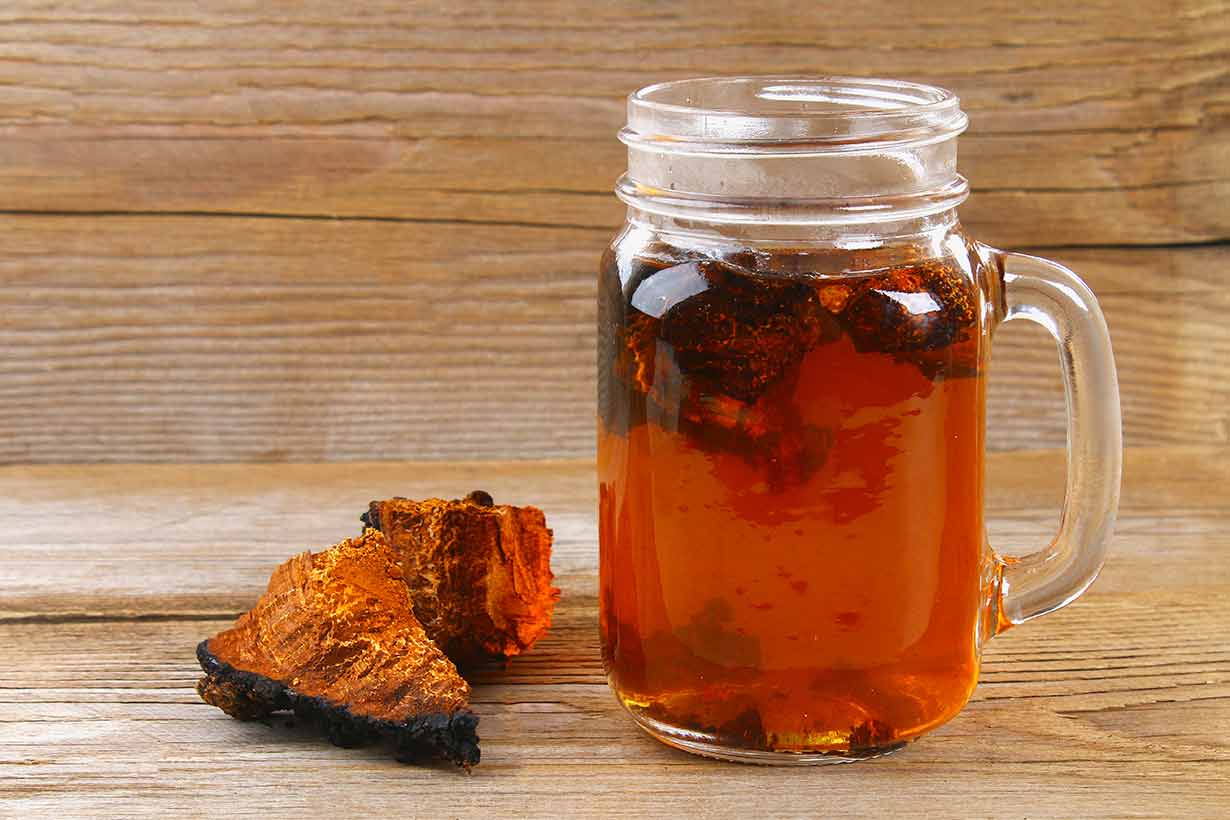
Chaga mushroom tea is a versatile beverage that can be prepared using various methods. Whether you prefer dried or fresh mushrooms, steeping or simmering techniques, there's an approach that will suit your needs.
Using Dried Chaga Mushrooms
Dried chaga mushrooms are widely available and easy to store. To make tea using dried chaga, follow these steps:
- Grind the mushrooms:Break the dried mushrooms into small pieces using a mortar and pestle or a coffee grinder.
- Add to water:Place the ground mushrooms in a tea infuser or a small cheesecloth bag. Add the bag to a pot of cold water.
- Simmer:Bring the water to a simmer over medium heat. Reduce heat and simmer for 4-6 hours, or overnight for a stronger brew.
- Strain and enjoy:Remove the tea infuser or cheesecloth bag and strain the tea into a cup. Serve hot and enjoy.
Using Fresh Chaga Mushrooms
Fresh chaga mushrooms offer a more intense flavor and aroma. If you have access to fresh chaga, here's how to prepare tea:
- Clean the mushrooms:Remove any dirt or debris from the fresh chaga mushrooms.
- Slice the mushrooms:Cut the mushrooms into thin slices using a sharp knife.
- Simmer:Place the sliced mushrooms in a pot of cold water. Bring to a boil, then reduce heat and simmer for 2-3 hours.
- Strain and enjoy:Remove the mushrooms and strain the tea into a cup. Serve hot and savor the earthy flavor.
Tips for Choosing and Storing Chaga Mushrooms
To ensure the quality of your chaga mushroom tea, consider these tips:
- Choose high-quality mushrooms:Look for chaga mushrooms that are dense, dark, and have a slightly rough texture.
- Store properly:Dried chaga mushrooms can be stored in an airtight container in a cool, dry place for up to a year. Fresh chaga mushrooms should be refrigerated and used within a few days.
Chaga Mushroom Tea Flavor and Variations

Chaga mushroom tea possesses a unique earthy and woody flavor profile. The intensity and nuances of the taste can vary depending on the preparation method, the age of the chaga mushroom, and the specific growing conditions.
Freshly brewed chaga mushroom tea often exhibits a slightly bitter and astringent taste, while aged chaga tends to develop a sweeter and more mellow flavor. The longer the chaga is steeped, the stronger the flavor becomes.
Flavor Enhancement Techniques
Several techniques can enhance the flavor of chaga mushroom tea. Adding spices like cinnamon, ginger, or cardamom can introduce warmth and sweetness. Herbs such as rosemary, thyme, or mint can impart a refreshing and aromatic touch.
Sweeteners like honey, maple syrup, or stevia can balance the bitterness and add a touch of sweetness. Alternatively, adding a squeeze of lemon juice can brighten the flavor and enhance its complexity.
Flavor Combinations
Experimenting with different flavor combinations can create unique and enjoyable variations of chaga mushroom tea. Here are a few suggestions:
- Spiced Chaga:Add a dash of cinnamon, ginger, and cardamom to enhance the warmth and sweetness.
- Herbal Chaga:Steep chaga with rosemary, thyme, or mint for a refreshing and aromatic tea.
- Sweet Chaga:Sweeten chaga with honey, maple syrup, or stevia for a balanced and indulgent flavor.
- Citrus Chaga:Add a squeeze of lemon juice to brighten the flavor and enhance its complexity.
Chaga Mushroom Tea Safety and Considerations

While chaga mushroom tea is generally safe for consumption, there are a few potential side effects and contraindications to consider.
One potential side effect is an allergic reaction. If you are allergic to other types of mushrooms, you may also be allergic to chaga mushrooms. Symptoms of an allergic reaction can include hives, itching, swelling, difficulty breathing, and anaphylaxis.
Another potential side effect is gastrointestinal upset. Chaga mushrooms contain a high amount of fiber, which can cause diarrhea or constipation in some people. It is important to start with a small amount of chaga mushroom tea and gradually increase your intake to avoid any digestive problems.
Sourcing and Overconsumption, Chaga mushroom tea recipe
It is important to source chaga mushrooms from reputable suppliers. This will help ensure that you are getting a high-quality product that is free of contaminants. You should also avoid overconsumption of chaga mushroom tea. While there is no recommended daily intake, it is generally recommended to limit your consumption to 1-2 cups per day.
Incorporating into a Healthy Diet
Chaga mushroom tea can be safely incorporated into a healthy diet and lifestyle. It is a good source of antioxidants and other nutrients. However, it is important to talk to your doctor before consuming chaga mushroom tea if you have any underlying health conditions.
Last Word

As you embark on your chaga mushroom tea journey, remember to prioritize safety and consult with healthcare professionals if necessary. Embrace the wisdom of this ancient remedy and incorporate it into your healthy lifestyle, savoring its unique flavors and reaping its potential health benefits.


