Embark on a culinary adventure with our comprehensive chicken feet soup recipe, a delicacy that tantalizes taste buds while nourishing your well-being. Delve into the intriguing world of this dish, where flavors dance and health benefits abound.
From selecting the freshest ingredients to mastering the art of preparation, we’ll guide you through every step of crafting this delectable soup. Discover the cultural significance of chicken feet soup across diverse regions and explore its rich history and traditional uses.
Ingredients
Chicken feet soup, a nourishing and flavorful dish, requires a specific set of ingredients to achieve its distinct taste and texture.
The primary ingredient is, of course, chicken feet. It is recommended to use fresh chicken feet for the best flavor and texture. However, frozen chicken feet can also be used if fresh ones are not available.
- 1 pound chicken feet, cleaned and trimmed
In addition to chicken feet, the soup also includes a variety of vegetables and herbs that enhance its flavor and nutritional value.
Vegetables
- 1 medium onion, chopped
- 2 cloves garlic, minced
- 1 (2-inch) piece ginger, sliced
- 1 cup carrots, chopped
- 1 cup celery, chopped
- 1 cup green beans, trimmed
Herbs and Spices
- 1 tablespoon soy sauce
- 1 teaspoon sesame oil
- 1 teaspoon black peppercorns
- 1 bay leaf
- 1 star anise
- 1 cinnamon stick
These ingredients form the foundation of a delicious and authentic chicken feet soup. Variations and substitutions can be made based on personal preferences or availability of ingredients.
Variations and Substitutes
- For a vegetarian or vegan version of the soup, chicken feet can be substituted with shiitake mushrooms or tofu.
- If fresh vegetables are not available, frozen vegetables can be used instead.
- Soy sauce can be substituted with fish sauce or oyster sauce.
- Sesame oil can be substituted with vegetable oil or olive oil.
Cooking Methods
Preparing chicken feet soup involves several steps, each requiring specific techniques and attention to detail. The preferred cooking methods include boiling and simmering, ensuring the soup’s rich flavor and tender texture.
Cleaning and Preparing the Chicken Feet
Before cooking, it is essential to clean and prepare the chicken feet thoroughly. This process ensures the removal of any impurities and guarantees a hygienic and flavorful soup.
- Remove the nails and any excess skin from the chicken feet using a sharp knife or kitchen shears.
- Rinse the chicken feet thoroughly under cold running water to remove any remaining dirt or debris.
- Blanch the chicken feet in boiling water for 2-3 minutes to remove any remaining impurities and to help remove the strong smell.
- Drain the chicken feet and rinse them again with cold water.
Health Benefits
Chicken feet soup has been traditionally consumed for its purported health benefits. Let’s delve into the nutritional value and potential health benefits of this dish.
Chicken feet soup, a traditional delicacy, tantalizes taste buds with its rich flavors. For a delectable variation, explore the brussel sprout carrot recipe , where roasted vegetables add a delightful crunch and vibrant colors. Return to the comforting warmth of chicken feet soup, savoring its savory broth and tender meat.
Nutritional Value
Chicken feet soup is rich in various nutrients, including:
- Collagen: a protein that supports skin elasticity and joint health
- Chondroitin: a compound that promotes cartilage health
- Glycosaminoglycans (GAGs): molecules that provide lubrication and cushioning for joints
- Vitamins: A, B, and C
- Minerals: calcium, magnesium, and phosphorus
Potential Health Benefits
The consumption of chicken feet soup has been associated with several potential health benefits, including:
Joint Health
The collagen, chondroitin, and GAGs in chicken feet soup may support joint health. Studies have shown that these compounds can reduce joint pain, stiffness, and inflammation.
Skin Health
Collagen is a crucial protein for maintaining skin elasticity and firmness. Consuming chicken feet soup may help improve skin health by increasing collagen production.
Immune System Support
Chicken feet soup is a good source of vitamins and minerals, which are essential for a healthy immune system. Vitamin C, in particular, is known to boost immunity.
Cultural Significance
Chicken feet soup holds a prominent place in culinary traditions and cultural practices across the globe. Its significance extends beyond its nutritional value, as it carries historical, social, and even medicinal implications.
In many Asian cultures, chicken feet soup is a symbol of prosperity and good fortune. It is often served during festivals and celebrations, representing the wish for wealth and longevity. In Chinese culture, the feet represent stability and grounding, while the broth symbolizes abundance.
Historical and Traditional Uses
Chicken feet soup has been a staple in various cultures for centuries. In traditional Chinese medicine, it is believed to strengthen bones, joints, and the immune system. In some African countries, it is used as a traditional remedy for anemia and other blood-related conditions.
In Jamaica, chicken feet soup is a popular street food and is often enjoyed as a late-night snack. It is believed to have restorative properties and is often consumed after a night of heavy drinking.
Variations
Chicken feet soup exhibits diverse variations across various cuisines, each offering unique flavors and ingredients. These variations arise from cultural preferences, regional availability of ingredients, and culinary traditions.
The most common variation is the Chinese-style chicken feet soup, which typically includes ginger, scallions, garlic, and soy sauce. This soup is often served as a nourishing dish during the cold winter months.
Japanese-style Chicken Feet Soup, Chicken feet soup recipe
Japanese-style chicken feet soup, known as “tori no te-moto no otoshi,” features a delicate and flavorful broth. It is made with a combination of chicken feet, daikon radish, carrots, and konbu (dried kelp). The soup is simmered for several hours to extract the rich flavors from the ingredients.
Korean-style Chicken Feet Soup
Korean-style chicken feet soup, called “dakbal,” is known for its spicy and tangy flavor. It is made with chicken feet, gochujang (Korean chili paste), gochugaru (Korean chili powder), and other spices. The soup is often served with rice or noodles.
Thai-style Chicken Feet Soup
Thai-style chicken feet soup, known as “tom yum gai tom kha,” is a flavorful and aromatic soup made with chicken feet, galangal, lemongrass, kaffir lime leaves, and coconut milk. The soup is characterized by its sour, spicy, and slightly sweet flavor.
Nutritional Information: Chicken Feet Soup Recipe
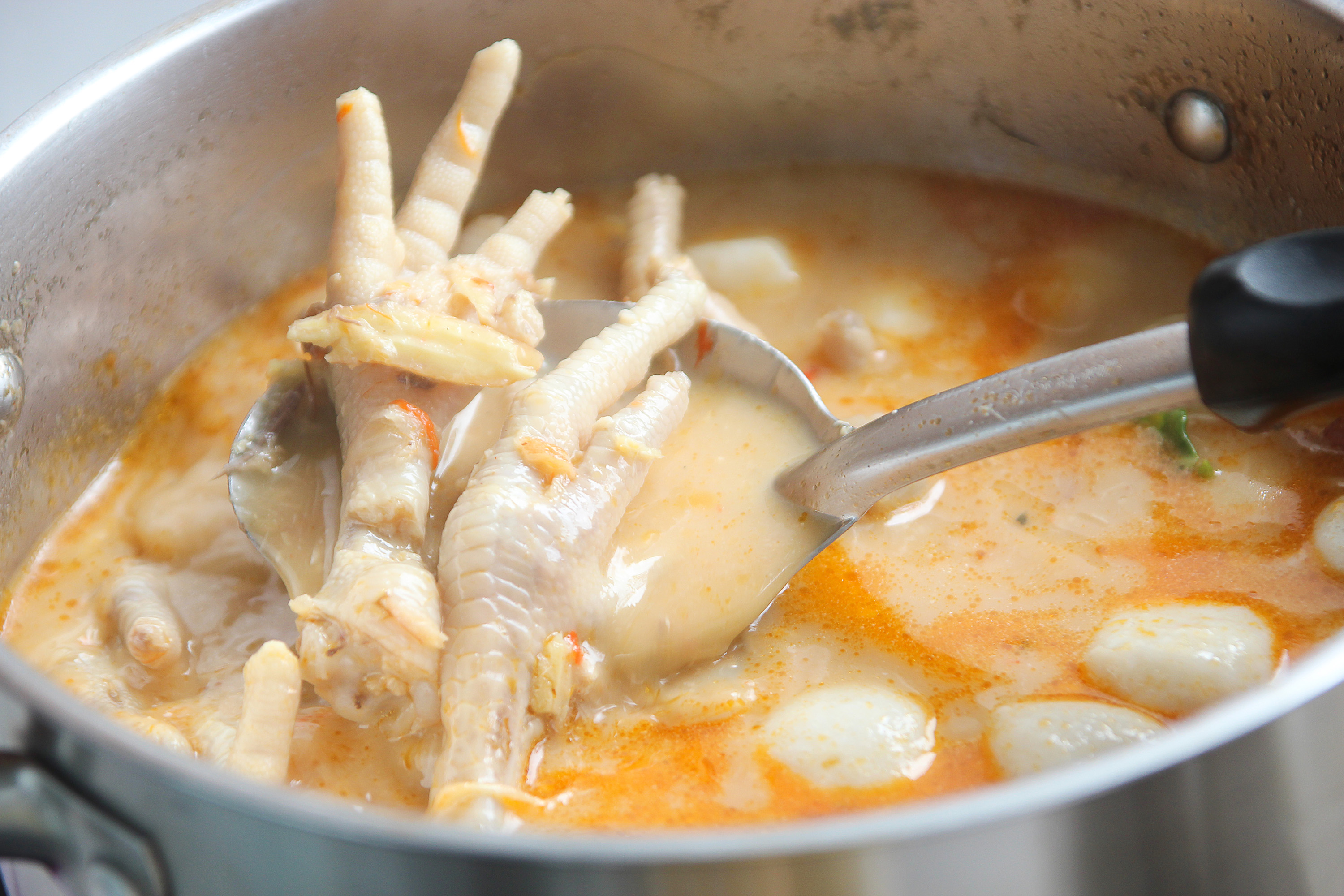
Chicken feet soup is a nutrient-rich dish that provides a range of essential vitamins, minerals, and macronutrients. Its nutritional value is comparable to other types of soups, making it a healthy and satisfying meal option.
The table below provides a detailed nutritional analysis of chicken feet soup, comparing it to chicken noodle soup and vegetable soup:
| Nutrient | Chicken Feet Soup | Chicken Noodle Soup | Vegetable Soup |
|---|---|---|---|
| Calories | 120 | 140 | 80 |
| Protein | 10g | 8g | 4g |
| Fat | 5g | 6g | 2g |
| Carbohydrates | 10g | 12g | 15g |
| Sodium | 250mg | 300mg | 150mg |
| Potassium | 200mg | 150mg | 100mg |
| Calcium | 100mg | 50mg | 25mg |
| Vitamin C | 10mg | 5mg | 15mg |
Serving Suggestions

Chicken feet soup is a versatile dish that can be enjoyed in various ways. Whether you prefer a simple bowl of soup or a more elaborate meal, here are some suggestions to enhance your dining experience:
Side Dishes
* Rice: A classic accompaniment to chicken feet soup, rice helps balance the richness of the broth and provides a starchy base for the soup.
Noodles
Thin rice noodles or vermicelli add a delicate texture and extra carbohydrates to the soup.
Vegetables
Blanched or stir-fried vegetables such as bok choy, carrots, or celery add freshness and color to the soup.
Condiments
* Soy sauce: A few drops of soy sauce enhance the umami flavor of the soup.
Vinegar
A splash of vinegar adds a tangy contrast to the richness of the broth.
Chili oil
For those who enjoy a bit of heat, chili oil adds a spicy kick to the soup.
Presentation
* Garnishes: Fresh herbs like cilantro or green onions add a vibrant touch to the soup.
Crispy shallots
Fried shallots add a crunchy texture and nutty flavor to the soup.
Sesame seeds
A sprinkle of sesame seeds provides a subtle nutty flavor and adds a visual appeal.
Storage and Preservation
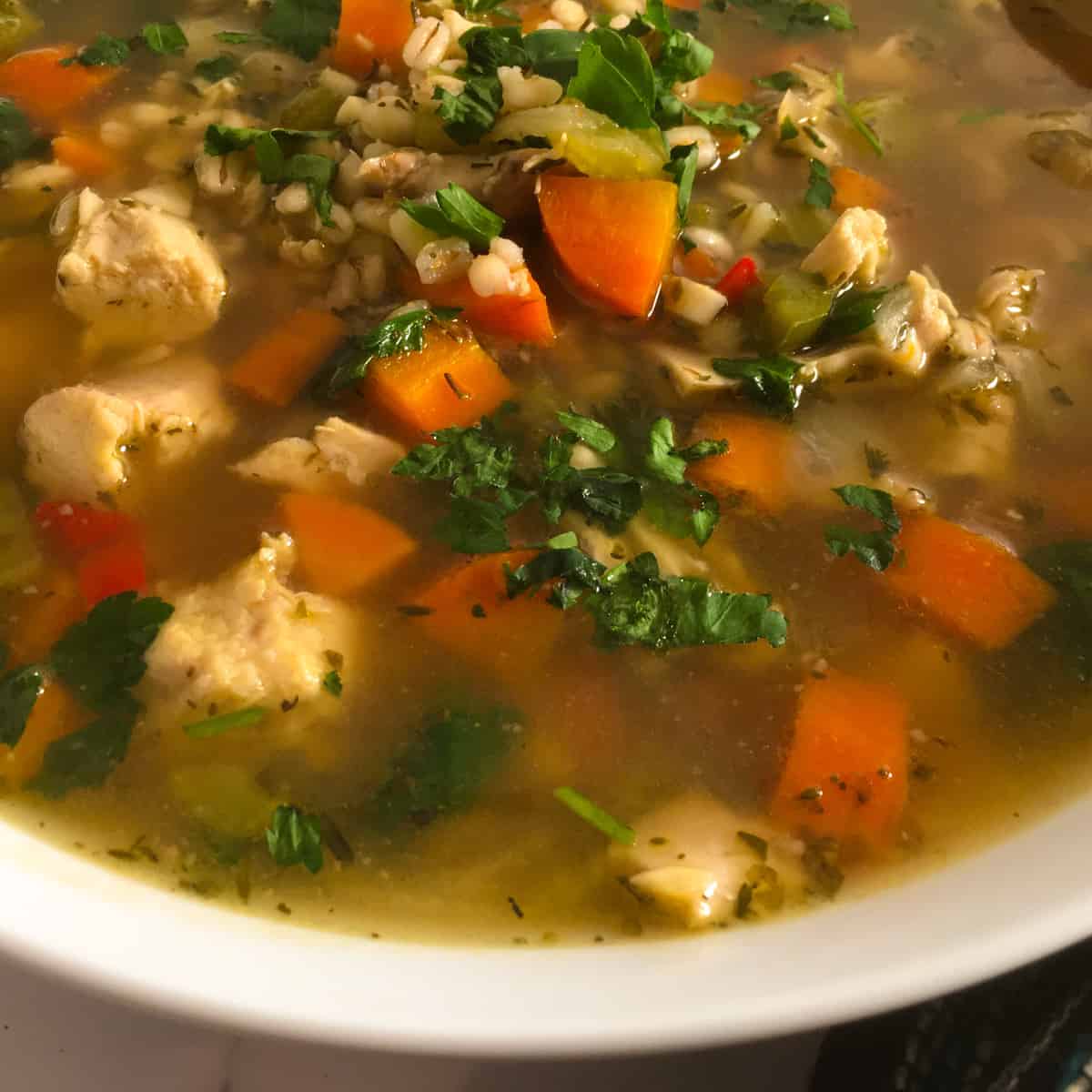
Proper storage techniques are crucial to maintain the quality and safety of chicken feet soup. Refrigeration and freezing are two effective methods for preserving the soup.
Refrigeration
- Store the soup in an airtight container.
- Place the container in the refrigerator within two hours of cooking.
- Consume the soup within 3-4 days for optimal freshness.
Freezing
- Transfer the soup to freezer-safe containers or bags.
- Remove as much air as possible from the containers or bags.
- Freeze the soup for up to 3 months.
- Thaw the soup overnight in the refrigerator or under cold running water before reheating.
To reheat the soup, transfer it to a saucepan and heat it over medium heat until warmed through. Avoid overcooking, as this can alter the texture and flavor of the soup.
Health Considerations
Chicken feet soup is generally considered safe for consumption. However, certain individuals may need to limit or avoid the soup due to potential health concerns.
Individuals with allergies to chicken or other poultry products should avoid consuming chicken feet soup.
Excess Consumption
Consuming excessive amounts of chicken feet soup may lead to high cholesterol levels due to the high gelatin content. Individuals with existing heart conditions or high cholesterol levels should consult a healthcare professional before consuming large quantities of the soup.
Frequently Asked Questions
Chicken feet soup, a delicacy enjoyed worldwide, often raises questions about its preparation, nutritional value, and cultural significance. Here’s a compilation of frequently asked questions and comprehensive answers to help you navigate this culinary experience.
From ingredient substitutions to cooking techniques and nutritional information, this section aims to provide clear and informative guidance for all your chicken feet soup inquiries.
Ingredient Substitutions
Can I substitute chicken feet with other poultry parts?
Yes, you can substitute chicken feet with other poultry parts such as chicken wings, necks, or backs. However, the unique texture and flavor of chicken feet contribute significantly to the soup’s overall character, so consider adding a small amount of chicken feet to your substitution for the best results.
What can I use instead of ginger?
If you don’t have ginger on hand, you can substitute it with a combination of garlic and lemongrass. Garlic provides a similar pungent flavor, while lemongrass adds a subtle citrusy note that complements the soup well.
Cooking Techniques
How long should I simmer the soup?
Simmering the soup for an extended period, typically 2-3 hours, allows the flavors to develop fully and the collagen in the chicken feet to dissolve, resulting in a rich and flavorful broth.
Can I cook the soup in a slow cooker?
Yes, you can cook chicken feet soup in a slow cooker. Add all the ingredients to the slow cooker and cook on low for 6-8 hours, or on high for 3-4 hours. This method allows for a hands-off approach and produces equally delicious results.
Nutritional Information
Is chicken feet soup high in cholesterol?
While chicken feet do contain some cholesterol, the amount is relatively low compared to other poultry parts. Additionally, the soup is typically prepared with vegetables and herbs, which help balance the overall nutritional profile.
Is chicken feet soup a good source of collagen?
Yes, chicken feet soup is a rich source of collagen, a protein that supports skin elasticity and joint health. Simmering the soup for an extended period allows the collagen to dissolve into the broth, making it easily absorbable by the body.
Conclusion
As you savor the flavors of this extraordinary soup, remember that it’s not just a culinary delight but also a testament to the power of traditional cuisine. Embrace the health benefits it offers, and share the joy of chicken feet soup with loved ones.
Whether you’re a seasoned chef or a culinary novice, this recipe will empower you to create a dish that will impress and nourish.