Prepare to embark on a delectable voyage with our comprehensive guide to the Dungeness crab cake recipe. This culinary masterpiece, crafted from the succulent and sweet meat of the Pacific Northwest’s Dungeness crab, promises an explosion of flavors that will tantalize your taste buds and leave you craving more.
From the art of selecting the finest crab meat to the techniques of creating the perfect crab cake, this guide will lead you through every step of this culinary adventure. Dive into the history, variations, and accompaniments that make the Dungeness crab cake a timeless classic, enjoyed by seafood enthusiasts around the globe.
Dungeness Crab Meat

Dungeness crab meat is highly prized for its delicate flavor, sweet taste, and firm texture. It is a versatile ingredient that can be used in various dishes, including crab cakes, salads, soups, and pasta dishes.
Fresh Dungeness crab meat is the best choice for recipes as it has a superior flavor and texture compared to frozen or canned crab meat. It is important to purchase fresh crab meat from a reputable seafood supplier to ensure its quality and freshness.
Dungeness crab meat is graded according to its quality and size. The highest grade is “jumbo,” followed by “extra large,” “large,” “medium,” and “small.” Jumbo crab meat is the most expensive and is typically used in fine dining restaurants. Extra large and large crab meat are also of high quality and are suitable for most recipes. Medium and small crab meat are less expensive and can be used in dishes where the crab meat is not the main ingredient.
Ingredients for a Dungeness Crab Cake Recipe
Crafting a classic Dungeness crab cake requires a careful selection of ingredients that harmonize to create a delectable culinary experience. Here’s a comprehensive list of essential components to guide your culinary endeavor:
Crab Meat
- 1 pound fresh or frozen Dungeness crab meat, picked over for any shells or cartilage
Binding Agents
These ingredients help hold the crab cakes together:
- 1/2 cup bread crumbs (fresh or panko)
- 1/4 cup mayonnaise
- 1 large egg, beaten
Seasonings
These add flavor and depth to the crab cakes:
- 1/2 teaspoon Old Bay seasoning
- 1/4 teaspoon paprika
- 1/4 teaspoon salt
- 1/8 teaspoon black pepper
Other Ingredients
- 1 tablespoon chopped green onions
- 1 tablespoon chopped parsley
- 1 tablespoon Dijon mustard
Alternative Ingredients and Substitutions
For those with allergies or dietary restrictions, here are some alternative ingredients to consider:
- Gluten-free bread crumbs: Use gluten-free bread crumbs or crushed gluten-free crackers for a gluten-free option.
- Dairy-free mayonnaise: Substitute mayonnaise with dairy-free alternatives like vegan mayonnaise or mashed avocado.
- Egg-free: Use a flax egg or a chia egg as a binder instead of an egg.
Preparation of Crab Cakes
Creating Dungeness crab cakes involves a meticulous process that ensures the preservation of the crab’s delicate flavor and texture. The preparation begins with carefully cleaning and preparing the crab meat, followed by mixing and forming the crab cakes.
Cleaning and Preparing the Crab Meat
- Remove the crab meat from the shell and discard any cartilage or shell fragments.
- Rinse the crab meat thoroughly under cold water to remove any remaining debris.
- Pat the crab meat dry with paper towels to absorb excess moisture.
- Flake the crab meat into small pieces using a fork or your fingers.
Mixing and Forming the Crab Cakes
In a large bowl, combine the flaked crab meat with the remaining ingredients, such as breadcrumbs, mayonnaise, eggs, and seasonings.
- Mix gently until the ingredients are just combined.
- Do not overmix, as this can result in tough crab cakes.
- Form the mixture into 12 equal-sized patties.
- Place the crab cakes on a baking sheet lined with parchment paper.
- Refrigerate the crab cakes for at least 30 minutes before cooking to help them firm up.
Cooking Methods for Crab Cakes
There are several methods to cook Dungeness crab cakes, each with its advantages and disadvantages. The choice of cooking method depends on personal preferences, available equipment, and the desired texture and flavor of the crab cakes.
Discover how brownie cake with brownie mix has transformed methods in RELATED FIELD.
Pan-Frying
- Heat a non-stick skillet or griddle over medium heat.
- Add a small amount of oil or butter to the pan.
- Place the crab cakes in the pan and cook for 3-4 minutes per side, or until golden brown and cooked through.
Advantages:
- Pan-frying creates a crispy exterior and tender interior.
- It is a relatively quick and easy cooking method.
Disadvantages:
- Pan-frying can be messy, as oil can splatter.
- It is not the healthiest cooking method, as it involves frying in oil.
Baking
- Preheat oven to 400°F (200°C).
- Place the crab cakes on a baking sheet lined with parchment paper.
- Bake for 15-20 minutes, or until golden brown and cooked through.
Advantages:
- Baking is a healthier cooking method than pan-frying, as it does not involve frying in oil.
- It is a relatively hands-off cooking method, as the crab cakes can be baked without constant monitoring.
Disadvantages:
- Baking can result in a less crispy exterior than pan-frying.
- It takes longer to bake crab cakes than to pan-fry them.
Air-Frying
- Preheat air fryer to 400°F (200°C).
- Place the crab cakes in the air fryer basket.
- Cook for 8-10 minutes, or until golden brown and cooked through.
Advantages:
- Air-frying is a healthy cooking method, as it uses little to no oil.
- It is a relatively quick and easy cooking method.
Disadvantages:
- Air-frying can result in a less crispy exterior than pan-frying.
- It may not be suitable for large batches of crab cakes.
Crab Cake Fillings and Variations
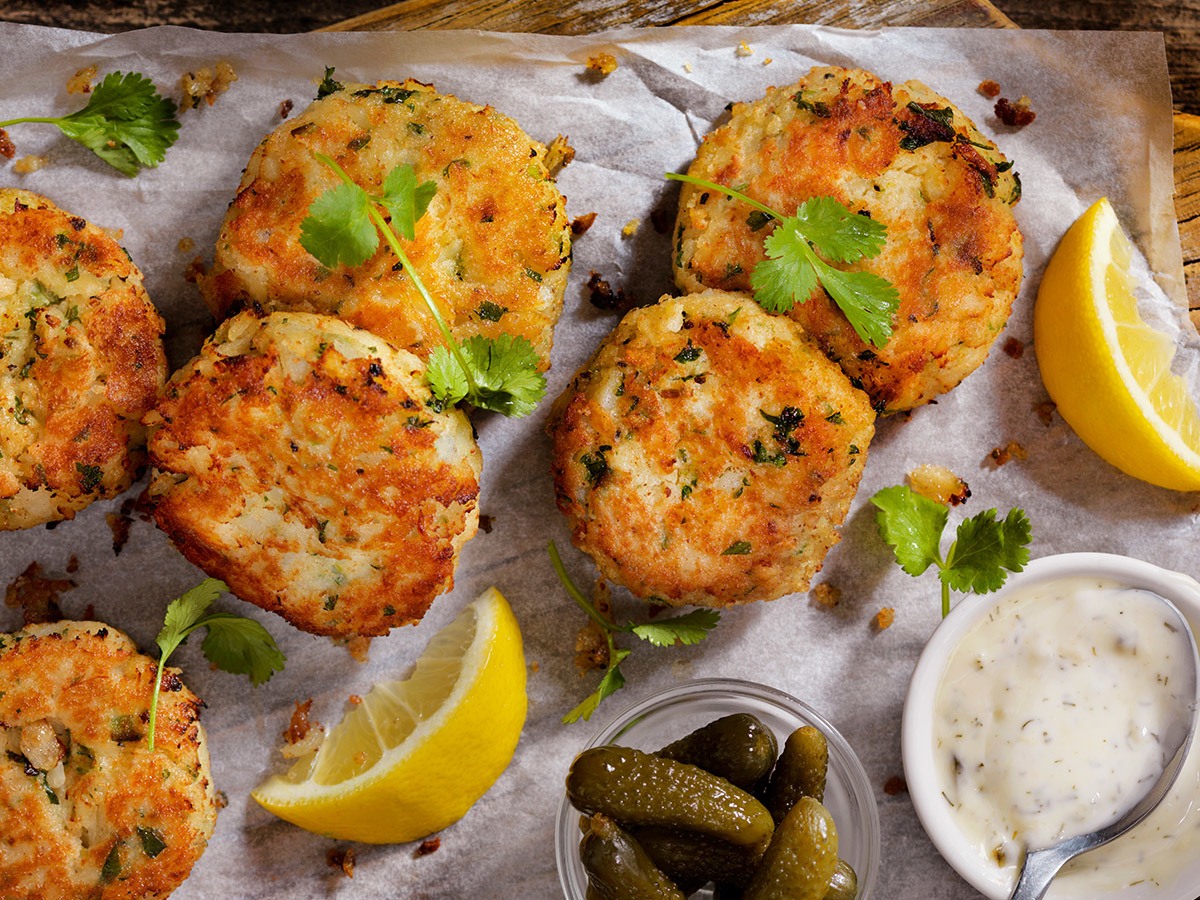
Dungeness crab cakes offer a versatile canvas for culinary creativity, allowing for the incorporation of various fillings and variations that enhance their flavor and texture. Experimenting with different ingredients can create unique and personalized crab cakes that cater to individual preferences.
When selecting fillings, consider ingredients that complement the delicate flavor of Dungeness crab without overpowering it. Vegetables such as bell peppers, onions, and celery add sweetness and crunch, while herbs like parsley, cilantro, and dill provide freshness and aroma.
Cheese Variations
Cheeses can elevate the richness and creaminess of crab cakes. Parmesan cheese adds a nutty and salty flavor, while cheddar cheese provides a sharp and tangy contrast. Brie or goat cheese can impart a subtle creaminess and depth of flavor.
Seafood Additions
- Shrimp: Finely chopped shrimp adds a delicate sweetness and texture to crab cakes.
- Scallops: Diced scallops provide a tender and slightly briny flavor.
- Smoked Salmon: Flaked smoked salmon adds a smoky and savory element.
Flavor Enhancers
- Garlic: Minced garlic adds a pungent and aromatic flavor.
- Lemon Zest: Grated lemon zest provides a bright and citrusy freshness.
- Old Bay Seasoning: This classic seafood seasoning adds a blend of spices and herbs.
By experimenting with different fillings and variations, you can create Dungeness crab cakes that are tailored to your taste buds and impress your guests with your culinary prowess.
Sauces and Accompaniments for Crab Cakes
:max_bytes(150000):strip_icc()/__opt__aboutcom__coeus__resources__content_migration__simply_recipes__uploads__2011__01__crab-cakes-horiz-a-1600-cc2ebb4b01344184b3624891cf949969.jpg "Crab cakes dungeness alaska luscious sandra recipes seafood aioli recipe reason simply put another living why love shrimp")
The perfect crab cake deserves a delectable accompaniment to enhance its flavors. From classic sauces to refreshing sides, there’s a myriad of options to complement the delicate sweetness of Dungeness crab meat.
Check what professionals state about pineapple cream cheese pound cake and its benefits for the industry.
Tartar Sauce, Dungeness crab cake recipe
Tartar sauce is a quintessential pairing for crab cakes, adding a tangy and creamy touch. Here’s a simple recipe:
- Combine 1/2 cup mayonnaise, 1/4 cup chopped dill pickles, 1/4 cup chopped capers, 1 tablespoon chopped onion, and 1 tablespoon lemon juice.
- Season with salt and pepper to taste.
Cocktail Sauce
Cocktail sauce provides a spicy kick to crab cakes. Try this recipe:
- Combine 1 cup ketchup, 1/2 cup horseradish, 1/4 cup lemon juice, 1 tablespoon Worcestershire sauce, and 1 teaspoon hot sauce.
- Stir well and refrigerate for at least 30 minutes before serving.
Other Dipping Options
In addition to tartar and cocktail sauces, other dipping options include:
- Remoulade sauce: A creamy and tangy sauce made with mayonnaise, mustard, herbs, and spices.
- Mignonette sauce: A vinegar-based sauce with shallots, capers, and black pepper.
- Lemon wedges: A simple yet refreshing accompaniment that adds a burst of citrus flavor.
Side Dishes
To complement the richness of crab cakes, consider serving them with:
- Coleslaw: A crunchy and refreshing side that balances the richness of the crab cakes.
- French fries: A classic pairing that adds a crispy and savory element.
- Green salad: A light and healthy side that provides a contrast to the heavier crab cakes.
Presentation and Serving Suggestions
The presentation of Dungeness crab cakes can significantly enhance their appeal and dining experience. Consider these creative ideas to showcase your culinary skills:
- Individual Presentation: Arrange crab cakes on individual plates, garnished with fresh herbs like chives or parsley. A drizzle of lemon juice or a dollop of remoulade sauce adds color and flavor.
- Towered Display: Stack crab cakes vertically on a plate, alternating with layers of sliced avocado, tomatoes, and red onions. Secure the tower with a skewer and garnish with a lime wedge.
- Seafood Platter: Serve crab cakes as part of a seafood platter alongside grilled shrimp, oysters, and mussels. Arrange the seafood on a bed of crushed ice for a visually stunning presentation.
Garnishes and Accompaniments
Garnishes and accompaniments can elevate the presentation and flavor of crab cakes:
- Fresh Herbs: Sprinkle chopped chives, parsley, or cilantro over crab cakes for a vibrant pop of color and freshness.
- Lemon Wedges: Serve lemon wedges alongside crab cakes to allow diners to adjust the acidity and brightness to their taste.
- Remoulade Sauce: A creamy, tangy remoulade sauce adds richness and depth of flavor to crab cakes.
- Cocktail Sauce: The classic pairing of cocktail sauce with crab cakes provides a spicy and savory complement.
Serving Suggestions
Dungeness crab cakes can be enjoyed in various ways:
- Appetizer: Serve crab cakes as an appetizer with dipping sauces or on crostini with a dollop of crème fraîche.
- Main Course: Pair crab cakes with a side salad, roasted vegetables, or mashed potatoes for a satisfying main course.
- Snack: Crab cakes make a delicious and portable snack, perfect for picnics or packed lunches.
Nutritional Information for Dungeness Crab Cakes

Dungeness crab cakes are a rich source of essential nutrients, making them a healthy and satisfying meal choice. They provide a significant amount of protein, healthy fats, vitamins, and minerals.
One 3-ounce serving of Dungeness crab cake contains approximately:
- 120 calories
- 15 grams of protein
- 5 grams of fat
- 100 milligrams of cholesterol
- 150 milligrams of sodium
- 200 milligrams of potassium
- 10% of the daily recommended value (DV) for vitamin C
- 15% of the DV for vitamin B12
- 10% of the DV for selenium
Health Benefits
Consuming Dungeness crab cakes offers several health benefits:
- High in protein: Crab meat is an excellent source of protein, essential for building and repairing tissues, and supporting muscle growth.
- Good source of healthy fats: Crab cakes contain omega-3 fatty acids, which are beneficial for heart health, reducing inflammation, and improving brain function.
- Rich in vitamins and minerals: Crab cakes provide vitamins C and B12, as well as minerals like potassium and selenium, which support overall health and well-being.
Dietary Adjustments
To adjust the recipe to meet specific dietary requirements:
- Gluten-free: Use gluten-free breadcrumbs or almond flour instead of wheat flour.
- Low-sodium: Reduce the amount of salt added to the recipe and use low-sodium crab meat.
- Low-fat: Use leaner crab meat and grill or bake the crab cakes instead of frying them.
Storage and Reheating s: Dungeness Crab Cake Recipe
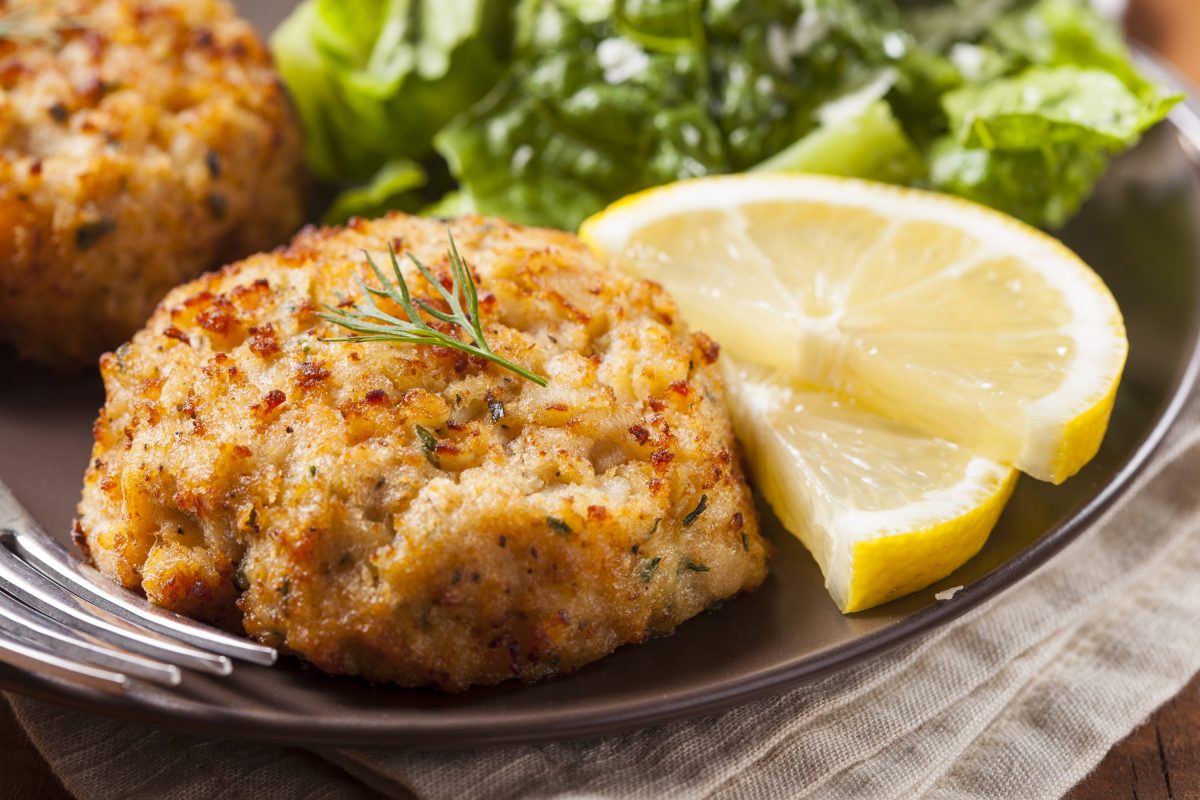
To ensure the freshness and quality of your leftover Dungeness crab cakes, proper storage and reheating techniques are crucial. Understanding these methods will help you preserve the delectable texture and flavors of your crab cakes while maintaining food safety.
To store leftover crab cakes, allow them to cool completely before placing them in an airtight container. Refrigeration is the preferred method, where crab cakes can be stored for up to 3 days. For longer storage, freezing is recommended. Wrap the crab cakes individually in plastic wrap and place them in a freezer-safe container. Frozen crab cakes can be stored for up to 2 months.
Reheating Crab Cakes
Reheating crab cakes requires careful attention to preserve their texture and prevent overcooking. Several methods can be employed:
- Oven Reheating: Preheat your oven to 350°F (175°C). Place the crab cakes on a baking sheet lined with parchment paper and bake for 10-15 minutes, or until heated through.
- Air Fryer Reheating: Preheat your air fryer to 350°F (175°C). Place the crab cakes in the air fryer basket and cook for 5-7 minutes, or until heated through.
- Stovetop Reheating: Heat a non-stick skillet over medium heat. Add a small amount of oil or butter and place the crab cakes in the pan. Cook for 3-5 minutes per side, or until heated through.
Regardless of the reheating method, avoid overcooking the crab cakes, as this can result in a dry and tough texture. It’s advisable to reheat them until they are just warmed through, maintaining their delicate flavors and moist texture.
Shelf Life and Food Safety
Proper storage and handling of crab cakes are essential to prevent foodborne illnesses. Refrigerated crab cakes should be consumed within 3 days, while frozen crab cakes can be stored for up to 2 months. When reheating, ensure that the crab cakes are cooked to an internal temperature of 165°F (74°C) to eliminate any potential bacteria.
Crab Cake History and Cultural Significance
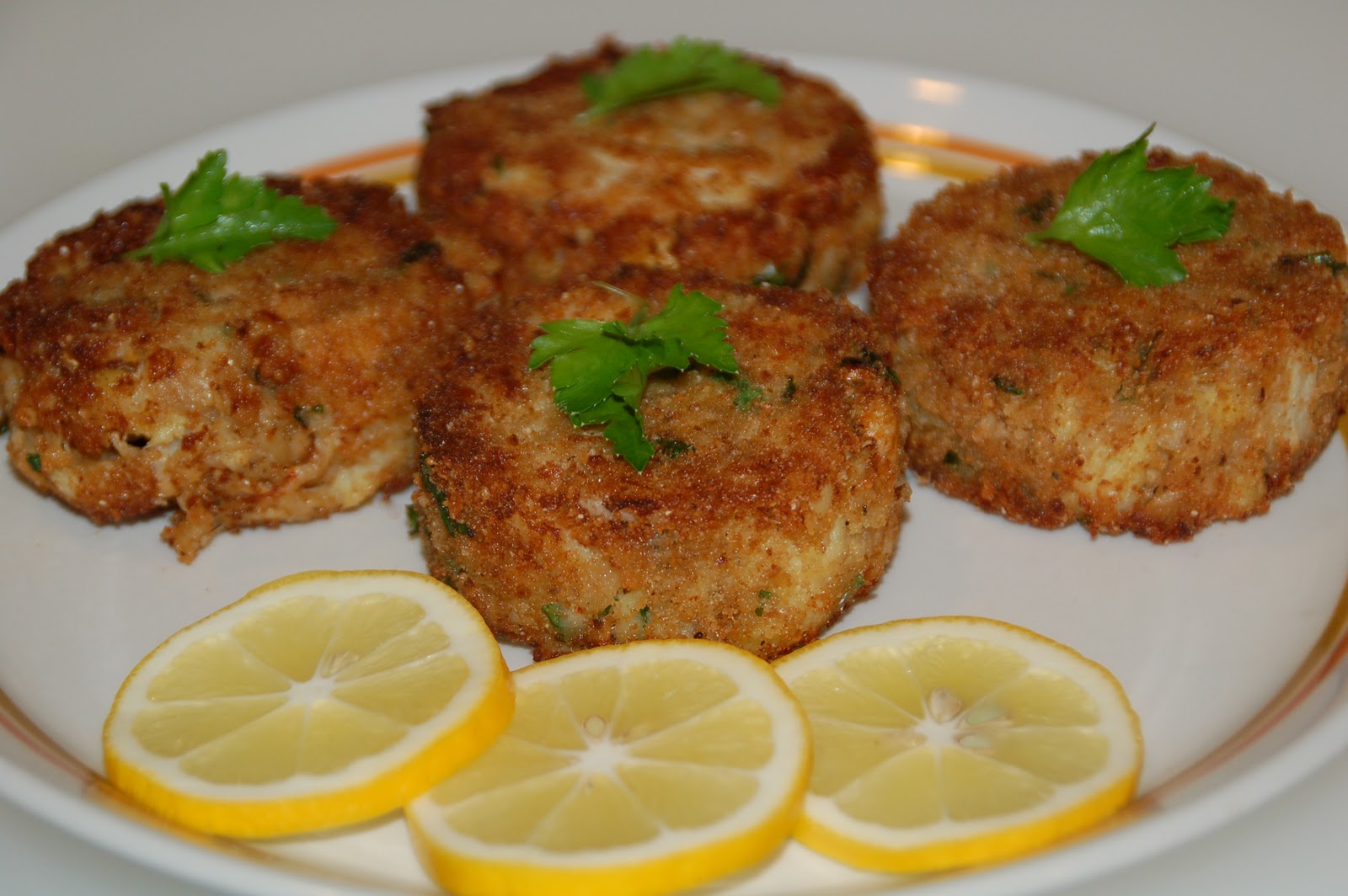
Dungeness crab cakes have a rich history and cultural significance, deeply intertwined with the coastal communities and culinary traditions of the Pacific Northwest.
The origins of crab cakes can be traced back to the Native American tribes who inhabited the Pacific Northwest for centuries. These tribes relied heavily on seafood as a source of sustenance, and crab was a staple in their diet. They would often prepare crab cakes using simple ingredients like crab meat, flour, and water.
Popularity and Evolution
Over time, crab cakes evolved and became popular among settlers and immigrants who arrived in the Pacific Northwest. The dish gained widespread recognition in the early 1900s, as commercial crabbing operations expanded and crab meat became more readily available.
Crab cakes became a beloved dish in the region, and their popularity spread beyond the Pacific Northwest to other parts of the United States and even internationally. Today, crab cakes are enjoyed by people from all walks of life and are considered a delicacy in many cultures.
Creative Recipes and Innovations
Dungeness crab cakes offer a culinary canvas for creativity and innovation. Chefs and home cooks alike are experimenting with unique recipes and ideas to elevate this classic dish.
Beyond traditional crab cakes, chefs are incorporating them into salads, soups, and even tacos. Crab cake salads provide a light and refreshing option, with tender crab meat combined with fresh greens, vegetables, and a tangy dressing. Crab cake soups offer a rich and flavorful broth, with chunks of crab meat adding a luxurious touch. Crab cake tacos bring a unique twist to the traditional Mexican dish, with crispy crab cakes nestled in warm tortillas.
Emerging Trends and Advancements
Advancements in crab cake preparation and presentation are also emerging. Sous vide cooking techniques ensure perfectly cooked crab cakes with a tender and juicy interior. Molecular gastronomy techniques, such as spherification, create innovative presentations with crab cake fillings encased in delicate orbs.