Edible paint for cakes, an artist’s palette for culinary creations, invites us into a realm where creativity and deliciousness intertwine. With a vibrant array of colors and textures, edible paint empowers bakers to transform their cakes into edible masterpieces, igniting the senses and captivating the imagination.
From intricate brushstrokes to bold, eye-catching designs, edible paint opens up a world of possibilities for cake decorators. Whether you’re a seasoned pro or a novice baker, this versatile medium offers endless opportunities to elevate your cakes to new heights of artistry and flavor.
Edible Paint Ingredients: Edible Paint For Cakes
Edible paint for cakes is a versatile medium that allows bakers to create intricate and colorful designs on their creations. Understanding the ingredients used in edible paint is crucial for ensuring both safety and optimal performance.
Base Ingredients
- Water: The primary solvent in edible paint, providing fluidity and allowing the pigments to disperse evenly.
- Glycerin: A humectant that prevents the paint from drying out too quickly and adds a glossy finish.
- Gum Arabic: A natural thickener that gives the paint body and prevents it from becoming too runny.
Pigments
The pigments used in edible paint determine the color and opacity. Common pigments include:
- Natural Colors: Derived from fruits, vegetables, and spices, such as beetroot powder, turmeric, and paprika.
- Artificial Colors: Food-grade dyes that provide a wider range of vibrant colors, such as Red 40 and Yellow 5.
Preservatives
Preservatives are added to extend the shelf life of edible paint and prevent spoilage. Common preservatives include:
- Potassium Sorbate: A widely used preservative that inhibits the growth of mold and bacteria.
- Sodium Benzoate: Another effective preservative that prevents the formation of yeasts and fungi.
Table of Ingredients
| Ingredient | Properties | Uses |
|---|---|---|
| Water | Solvent, fluidity | Base liquid |
| Glycerin | Humectant, glossy finish | Prevents drying, adds shine |
| Gum Arabic | Thickener, body | Prevents runniness, adds texture |
| Natural Colors | Derived from nature, earthy tones | Provides natural shades |
| Artificial Colors | Food-grade dyes, vibrant colors | Expands color range, brightens |
| Potassium Sorbate | Preservative, mold inhibitor | Extends shelf life |
| Sodium Benzoate | Preservative, yeast and fungi inhibitor | Prevents spoilage |
Types of Edible Paint

Edible paint for cakes comes in various types, each with unique characteristics that cater to different decorating needs.
- Gel-Based Edible Paint: Gel-based edible paint is thick and opaque, making it ideal for creating bold designs and details. It dries quickly, allowing for precise painting and stacking of colors. Gel paints are available in various colors and can be diluted with water to achieve different consistencies.
- Liquid Edible Paint: Liquid edible paint is thinner than gel-based paint, providing a more transparent and watercolor-like effect. It is suitable for creating washes, gradients, and delicate details. Liquid paints are typically available in a wide range of colors and can be mixed to create custom shades.
- Powdered Edible Paint: Powdered edible paint is a concentrated form of paint that requires mixing with water before use. It offers a highly pigmented and opaque finish, making it suitable for creating vibrant designs. Powdered paints are available in a wide range of colors and can be diluted to achieve different opacities.
- Airbrush Edible Paint: Airbrush edible paint is specifically formulated for use with airbrushes. It is thinner than other types of edible paint, allowing it to be sprayed through an airbrush to create fine details, gradients, and intricate designs. Airbrush paints are available in various colors and can be mixed to create custom shades.
The choice of edible paint type depends on the desired effect, level of detail, and the technique being used. Experimenting with different types of edible paint can help you discover the best options for your cake decorating needs.
Applications of Edible Paint
Edible paint, with its vibrant hues and versatility, offers endless possibilities for transforming cakes into edible masterpieces. Its applications extend beyond simple embellishments, allowing for intricate designs, realistic artwork, and even edible textures.
Decorative Purposes
Edible paint excels in enhancing the aesthetic appeal of cakes. It can be used to:
- Add details: Fine lines, dots, and patterns can be meticulously painted to add intricate details and elevate the cake’s sophistication.
- Create gradients: By blending multiple shades of edible paint, smooth transitions can be achieved, adding depth and dimension to the cake’s design.
- Depict realistic images: With a steady hand and a keen eye, edible paint allows for the creation of lifelike portraits, landscapes, and other realistic scenes on cakes.
- Simulate textures: Edible paint can be thickened to create textured effects, such as brushstrokes, marbling, and even the appearance of wood or fabric.
Food Safety Considerations
Using edible paint on cakes introduces potential food safety concerns that must be addressed to ensure safe consumption. It’s crucial to consider the ingredients, preparation methods, and storage practices to minimize risks and maintain the quality and safety of the edible paint.
The primary food safety considerations when using edible paint on cakes involve understanding the ingredients, potential risks, and necessary precautions to mitigate them. These considerations include selecting food-grade ingredients, ensuring proper preparation and storage techniques, and adhering to best practices during application.
Ingredient Selection
Edible paint should be made with ingredients that are approved for human consumption and meet food safety standards. This includes using food-grade colorants, edible binders, and solvents. Non-toxic, water-based edible paints are generally considered safe for use on cakes.
Obtain recommendations related to kit kat birthday cake that can assist you today.
Preparation and Storage
Proper preparation and storage of edible paint are essential for food safety. Edible paint should be prepared according to the manufacturer’s instructions, ensuring proper mixing and handling. Storage conditions should be cool and dry to prevent spoilage or contamination.
Application and Consumption
When applying edible paint to cakes, it’s important to follow good hygiene practices to prevent cross-contamination. Clean utensils and surfaces should be used, and the edible paint should be applied in a well-ventilated area to avoid inhalation of fumes. Edible paint should not be consumed in large quantities, and any excess should be removed before serving.
Techniques for Using Edible Paint
Edible paint is a versatile medium that can be used to create beautiful and intricate designs on cakes. With a little practice, you can achieve professional-looking results. Here are some step-by-step instructions on how to use edible paint on cakes:
Materials:
* Edible paint
* Food-safe brushes
* Palette or mixing tray
* Toothpicks or skewers
* Stencils (optional)
Instructions:
1. Prepare the cake: Ensure the cake is completely cooled and frosted.
2. Mix the paint: If necessary, mix the edible paint colors to create your desired shades.
3. Choose your brushes: Select food-safe brushes in various sizes and shapes for different effects.
4. Practice on parchment paper: Before painting directly on the cake, practice your designs on parchment paper to get the hang of the brushstrokes.
5. Start painting: Begin by outlining the main elements of your design. Use a steady hand and light pressure.
6. Fill in the details: Once the Artikels are dry, fill in the details with different colors and brushstrokes.
7. Use stencils: If desired, use stencils to create precise and intricate designs.
8. Use toothpicks: Toothpicks or skewers can be used to create fine lines or dots.
9. Let dry: Allow the edible paint to dry completely before touching or handling the cake.
Tips for Professional-Looking Results:
* Use a variety of brush sizes and shapes to create different effects.
* Practice on parchment paper before painting on the cake.
* Start with simple designs and gradually work your way up to more complex ones.
* Use a light touch and avoid overworking the paint.
* Allow the paint to dry completely before touching or handling the cake.
* Store the edible paint in a cool, dry place to prevent it from drying out.
Color Mixing and Blending

Edible paints can be mixed and blended to create custom shades and effects. Understanding color theory and using a color wheel can guide you in creating the desired hues.
Enhance your insight with the methods and methods of nothing bundt cake frosting recipe.
The color wheel is a circular representation of the primary, secondary, and tertiary colors. Primary colors (red, yellow, and blue) cannot be created by mixing other colors. Secondary colors (green, orange, and purple) are created by mixing two primary colors. Tertiary colors are created by mixing a primary and a secondary color.
Mixing and Blending Techniques
- Start with small amounts: Begin by mixing small amounts of paint and gradually add more until you achieve the desired shade.
- Use a palette or mixing bowl: A clean palette or mixing bowl provides a surface for mixing and blending colors.
- Use a brush or toothpick: A brush or toothpick can be used to mix and blend the paints.
- Experiment with different ratios: Vary the ratios of the colors to create different shades and tones.
- Add white or black paint: White paint can lighten the shade, while black paint can darken it.
- Practice and experiment: The best way to master color mixing is to practice and experiment with different combinations.
Creating Texture and Dimension
Edible paint offers a myriad of possibilities for adding texture and dimension to your cakes, elevating them from simple creations to works of art.
By employing various techniques, you can mimic the appearance of different surfaces, such as wood, stone, or fabric. The key lies in understanding the characteristics of each texture and using the appropriate paint application methods.
Embossing and Carving
Embossing involves creating raised designs on the cake’s surface using edible paint. To achieve this, apply a thick layer of paint and allow it to partially dry. Then, use a toothpick or a fine brush to carve out the desired patterns.
Carving is similar to embossing, but it involves removing portions of the paint to create depth and detail. Use a sharp knife or a sculpting tool to carefully cut away the paint, revealing the cake beneath.
Dry Brushing
Dry brushing is a technique that creates a weathered or aged effect. Dip a brush into the paint and wipe off most of it on a paper towel. Lightly brush the paint onto the cake, focusing on the edges and corners. This technique is particularly effective for creating the illusion of wood or stone.
Sponging
Sponging involves dabbing a sponge or brush into the paint and then gently pressing it onto the cake’s surface. This creates a textured effect that resembles a sponge-painted wall. Vary the pressure and angle of the sponge to achieve different patterns.
Stippling
Stippling is a technique that creates a dotted or speckled effect. Dip a brush into the paint and then tap it repeatedly onto the cake’s surface. This technique is ideal for creating the appearance of fabric or fur.
Troubleshooting Common Issues
When using edible paint on cakes, you may encounter certain issues that can affect the appearance and quality of your creations. Here are some common problems and their corresponding solutions:
Color Bleeding
- Issue: The edible paint bleeds or spreads beyond the desired area.
- Solution: Use a thicker consistency of edible paint. You can achieve this by adding a small amount of cornstarch or powdered sugar to the paint.
Uneven Application
- Issue: The edible paint is applied unevenly, resulting in streaks or patches.
- Solution: Stir the edible paint thoroughly before use to ensure even distribution of pigments. Apply the paint in thin layers, allowing each layer to dry before applying the next.
Paint Peeling or Cracking, Edible paint for cakes
- Issue: The edible paint peels or cracks after drying.
- Solution: Use a high-quality edible paint that is specifically designed for cakes. Avoid applying the paint too thickly, as this can increase the risk of peeling or cracking.
Fading or Discoloration
- Issue: The edible paint fades or discolors over time.
- Solution: Store the edible paint in a cool, dry place away from direct sunlight. If the paint does fade or discolor, you can add a small amount of food coloring to restore the desired hue.
Toxicity Concerns
- Issue: Concerns about the toxicity of edible paint.
- Solution: Use edible paint that is approved for use on food. Check the ingredient list to ensure that the paint is made with food-grade ingredients and does not contain any harmful chemicals.
Health and Dietary Considerations
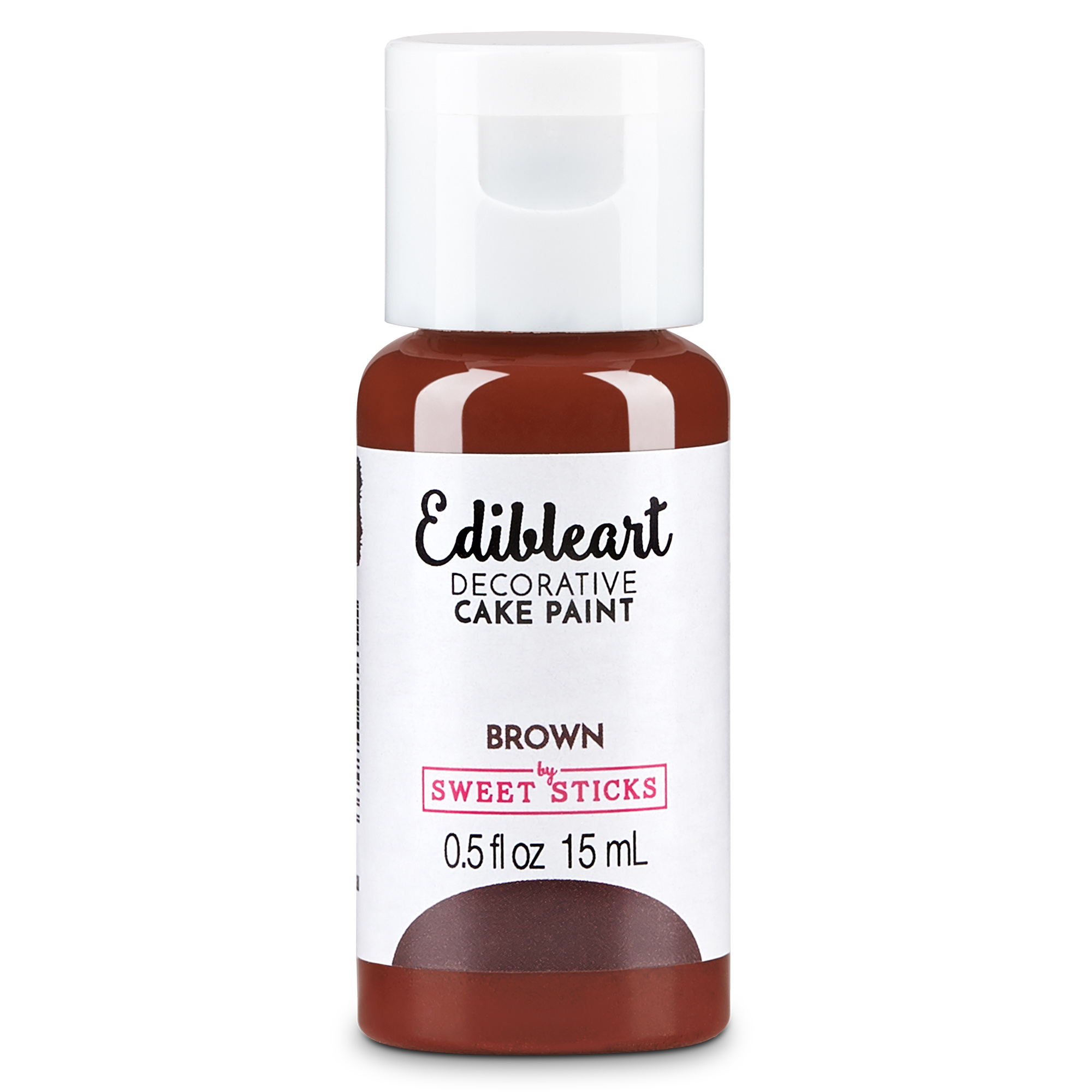
Edible paint is generally considered safe for consumption, but there are some health and dietary considerations to keep in mind:
Allergies
Some individuals may have allergies to certain ingredients used in edible paint, such as egg whites, milk, or soy. It is important to check the ingredient list carefully and avoid using any products that contain known allergens.
Dietary Restrictions
Vegans and those with lactose intolerance should choose edible paints that are made with plant-based ingredients and do not contain any dairy products.
Sugar Content
Some edible paints contain sugar, which can be a concern for individuals with diabetes or other dietary restrictions. It is important to read the nutritional information carefully and choose products that are low in sugar or sugar-free.
Artificial Colors and Flavors
Some edible paints contain artificial colors and flavors, which may be a concern for some individuals. It is best to choose products that are made with natural ingredients whenever possible.
Storage and Shelf Life
Storing edible paint properly is essential to maintain its quality and prevent spoilage. Different types of edible paint have varying shelf lives, depending on their ingredients and storage conditions.
Storage
* Store edible paint in an airtight container to prevent exposure to air and moisture.
* Keep it in a cool, dry place, away from direct sunlight.
* Refrigeration can extend the shelf life of some types of edible paint.
Shelf Life
* Water-based edible paint: Typically has a shelf life of 6-12 months when stored properly.
* Oil-based edible paint: Can last for up to 2 years when stored in a cool, dry place.
* Powdered edible paint: Can have a longer shelf life of up to 3 years when stored in an airtight container.
* Commercial edible paint: Usually comes with a specific shelf life indicated on the packaging.
Inspiration and Ideas
Edible paint opens up a world of artistic possibilities for cake decorators. With its vibrant colors and versatile nature, it can transform ordinary cakes into edible masterpieces.
One of the most inspiring applications of edible paint is to create hand-painted designs. These can range from simple brushstrokes to intricate landscapes, adding a touch of personalization and creativity to any cake.
Stunning Cake Designs
Edible paint has been used to create some truly stunning cake designs. From cakes that resemble famous paintings to cakes that look like they’re straight out of a fairy tale, the possibilities are endless.
- One popular trend is to create cakes that look like they’re made of marble or stone. This is achieved by using edible paint to create a realistic texture, complete with veins and swirls.
- Another popular technique is to use edible paint to create watercolor effects. This can be done by using a wet brush to blend colors, creating a soft and dreamy look.
- For those who want to add a touch of whimsy to their cakes, edible paint can be used to create whimsical designs, such as flowers, animals, or even characters from popular movies and TV shows.
No matter what your skill level, edible paint can be used to create beautiful and unique cake designs. So let your imagination run wild and see what you can create!