Introducing the essential oil bed bug spray recipe, your ultimate weapon against these pesky invaders. This DIY spray harnesses the power of nature to create a safe and effective solution for a pest-free home. Join us as we delve into the world of essential oils, their properties, and how to craft your own bed bug repellent.
From identifying the most effective essential oils to customizing your spray for maximum impact, we’ll guide you through every step of the process. Prepare to say goodbye to bed bugs and embrace a peaceful slumber in a pest-free haven.
Essential Oils for Bed Bug Spray
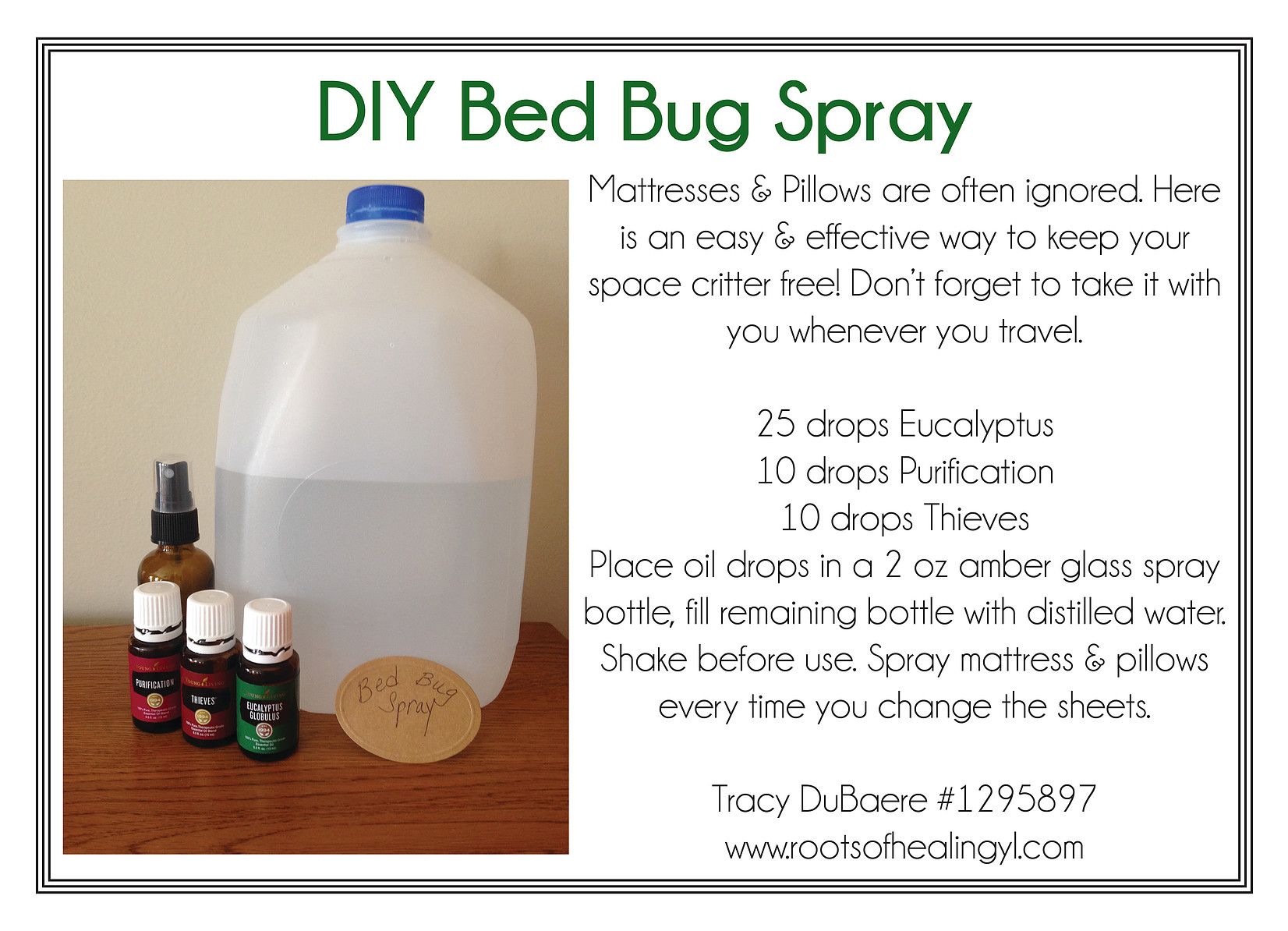
Essential oils are natural plant extracts that possess potent insecticidal properties. Certain essential oils have been found to be particularly effective against bed bugs, making them ideal ingredients for a homemade bed bug spray.
Essential Oils with Insecticidal Properties
- Tea Tree Oil:Contains terpinen-4-ol, a compound with strong insecticidal and repellent effects against bed bugs.
- Lavender Oil:Rich in linalool, which has been shown to disrupt the nervous system of bed bugs, causing paralysis and death.
- Peppermint Oil:Contains menthol, which acts as a powerful repellent and can kill bed bugs on contact.
- Eucalyptus Oil:High in eucalyptol, a compound with insecticidal and repellent properties.
- Clove Oil:Contains eugenol, which has been found to be toxic to bed bugs.
When choosing essential oils for a bed bug spray, it is important to consider their individual properties and strengths. A combination of different oils can provide a more comprehensive approach to eliminating bed bugs.
DIY Bed Bug Spray Recipe
Crafting an effective bed bug spray using essential oils is a straightforward and natural solution to combat these pesky pests. By following a simple recipe and incorporating a few essential oils known for their repellent properties, you can create a potent spray that will help keep bed bugs at bay.
Essential Oil Measurements
To make an essential oil bed bug spray, you will need the following ingredients:
- 1 cup of water
- 1/2 cup of white vinegar
- 20 drops of lavender essential oil
- 20 drops of peppermint essential oil
- 20 drops of tea tree oil
Mixing and Storing the Spray
Once you have gathered your ingredients, follow these steps to mix and store the spray:
- In a large spray bottle, combine the water and vinegar.
- Add the essential oils to the mixture and shake well to combine.
- Label the bottle clearly and store it in a cool, dark place.
- For a stronger scent, add more drops of essential oils.
- If you don’t have lavender oil, you can substitute it with lemongrass or eucalyptus oil.
- To make a larger batch, simply double or triple the recipe.
- Advantages:Convenient, covers a large area quickly, can reach hidden crevices.
- Disadvantages:May leave a residue, can be messy, can be difficult to apply in tight spaces.
- Advantages:Precise application, less messy, can be used to treat specific areas.
- Disadvantages:Time-consuming, may not reach all hidden areas, can be difficult to clean up.
- Advantages:Covers a large area quickly, can reach hidden areas, effective for severe infestations.
- Disadvantages:Requires special equipment, can be expensive, can leave a residue, can be dangerous if not used properly.
- Mattresses and box springs
- Headboards and footboards
- Bed frames
- Furniture
- Luggage
- Closets
- Store essential oils in a cool, dark place away from children and pets.
- Keep essential oils in their original containers or in amber glass bottles to protect them from light and evaporation.
- Dispose of essential oils properly by pouring them down the drain with plenty of water.
- Do not pour essential oils down the drain without diluting them first. This can contaminate the water supply.
- Do not dispose of essential oils in the trash. This can attract pests.
- Type of Essential Oil:Not all essential oils are equally effective against bed bugs. Some, such as tea tree oil, lavender oil, and peppermint oil, have been shown to have repellent and insecticidal properties.
- Concentration:The concentration of the essential oil in the spray also affects its effectiveness. Higher concentrations are generally more effective, but can also be more irritating to humans and pets.
- Severity of Infestation:Essential oil bed bug sprays may not be effective in eliminating large or well-established infestations. In such cases, professional pest control may be necessary.
- Pros:Chemical treatments are effective in killing bed bugs and can provide long-lasting protection.
- Cons:Chemical treatments can be expensive and may require multiple applications. Some chemicals can be harmful to humans and pets if not used properly.
- Pros:Heat treatments are effective in killing bed bugs and their eggs. They can also be used to treat large areas quickly.
- Cons:Heat treatments can be expensive and may damage furniture or other belongings. They can also be dangerous if not used properly.
- Pros:Cold treatments are effective in killing bed bugs and their eggs. They are also relatively inexpensive and safe.
- Cons:Cold treatments can take a long time to complete and may not be effective in all cases.
- Pros:Vacuuming is a relatively inexpensive and easy way to remove bed bugs. It is also safe for use around humans and pets.
- Cons:Vacuuming may not be effective in all cases, especially if the infestation is severe.
- Weak or Ineffective Spray:If the spray appears to lack potency, verify that the essential oils used are of high quality and pure. Additionally, ensure the spray is freshly prepared, as essential oils can lose their potency over time.
- Spray Clogging:Should the spray nozzle become clogged, gently remove it and soak it in warm water for a few minutes. This will dissolve any accumulated residue, restoring the nozzle’s functionality.
- Skin Irritation:In case of skin irritation, dilute the spray further with water or consider using a carrier oil, such as coconut or jojoba oil, to reduce the concentration of essential oils on the skin.
Customizing the Recipe
You can customize the recipe based on your preferences or the availability of essential oils. Here are a few suggestions:
Methods of Application
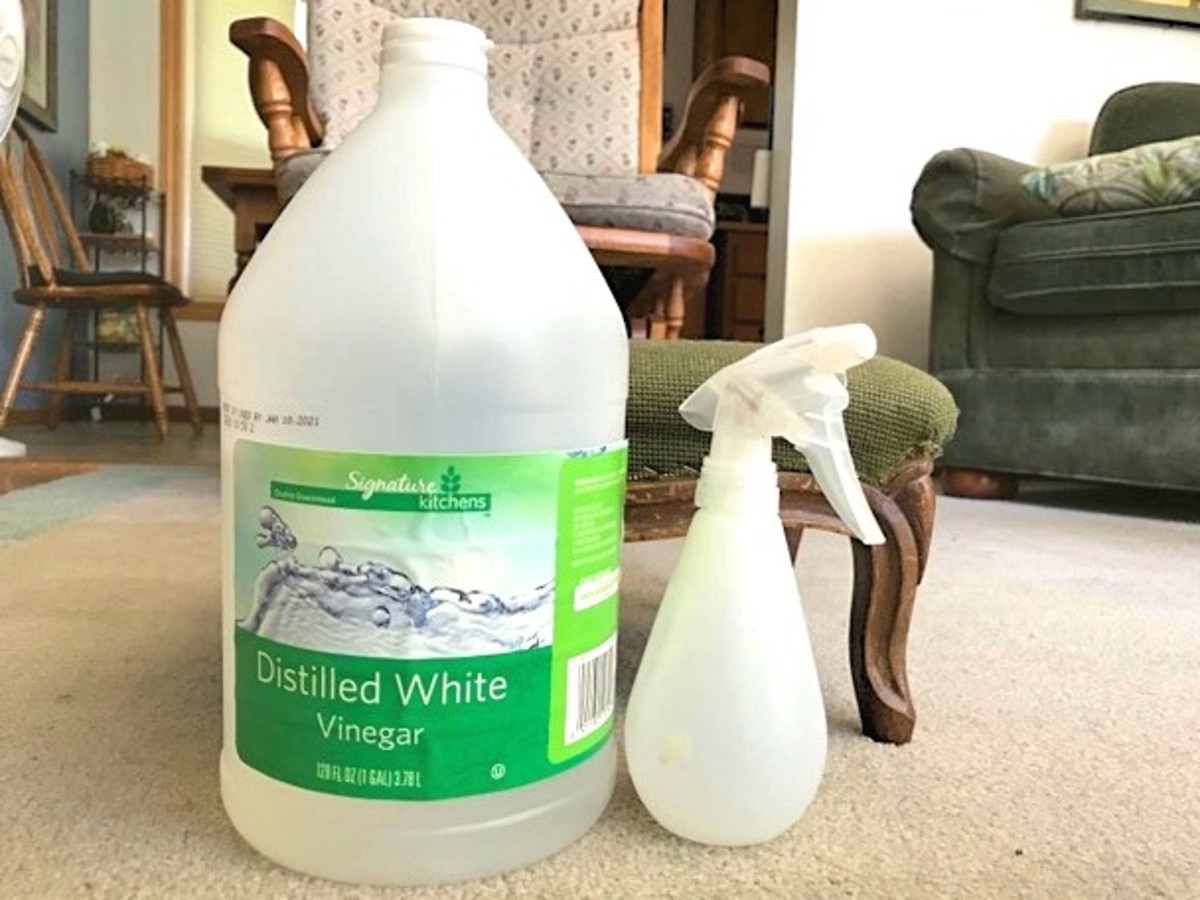
Essential oil bed bug spray can be applied in various ways, each with its advantages and disadvantages. The most effective method depends on the specific situation and the areas targeted.
Tired of bed bugs ruining your sleep? Try our essential oil bed bug spray recipe to keep those pesky critters away. And while you’re experimenting with essential oils, why not try some delicious chicken and pumpkin recipes ? The sweet and savory flavors will tantalize your taste buds.
Afterward, return to your essential oil bed bug spray and enjoy a pest-free night’s rest.
Spraying
Wiping
Fogging
Targeting Areas Where Bed Bugs Hide
When applying essential oil bed bug spray, it is important to target areas where bed bugs are likely to hide. These areas include:
li>Baseboards and moldings
Frequency and Duration of Use
To effectively combat bed bugs, consistency is key when using the essential oil bed bug spray. Determine the optimal frequency and duration of application to ensure continuous protection and successful eradication.
Frequency of Application
Apply the spray regularly, typically every 3-4 days, to maintain a consistent level of repellency. This frequency allows for continuous exposure to the essential oils, disrupting bed bug behavior and deterring them from your sleeping area.
Duration of Effectiveness
The effectiveness of the spray generally lasts for several hours. However, factors such as temperature, humidity, and ventilation can affect its longevity. Reapply the spray every 4-6 hours or as needed to ensure ongoing protection.
Importance of Consistency
Consistency in using the spray is crucial for successful bed bug control. Skipping applications or applying the spray sporadically can reduce its effectiveness. Regular and consistent use creates a hostile environment for bed bugs, making your sleeping area less attractive and inhabitable.
Safety Precautions
Essential oils are highly concentrated and can be irritating or toxic if not used properly. Here are some important safety considerations when using essential oils for bed bug spray:
Never apply essential oils directly to your skin without diluting them first. This can cause skin irritation, rashes, or even chemical burns.
Storage
Disposal
Efficacy and Limitations: Essential Oil Bed Bug Spray Recipe

Essential oil bed bug sprays can be effective in repelling and killing bed bugs when used correctly. However, their effectiveness may vary depending on several factors, including the type of essential oil used, the concentration of the spray, and the severity of the infestation.
Factors Affecting Effectiveness
Assessing Effectiveness
To assess the effectiveness of an essential oil bed bug spray, monitor the activity of bed bugs after application. If the number of bed bugs decreases or they become less active, the spray is likely working.
Alternative Solutions
While essential oils can be effective in repelling bed bugs, they may not be the only or best solution for everyone. Here are some alternative methods to consider, along with their pros and cons:
Chemical Treatments
Chemical treatments are often the most effective way to eliminate bed bugs. These treatments involve the use of pesticides that are specifically designed to kill bed bugs. Chemical treatments can be applied by a professional pest control company or by the homeowner themselves.
Heat Treatments
Heat treatments involve raising the temperature of the infested area to a level that kills bed bugs. This can be done using a heat gun or a specialized heating chamber.
Cold Treatments
Cold treatments involve freezing the infested area to a temperature that kills bed bugs. This can be done using a commercial freezer or by placing the infested items in a cold storage facility.
Vacuuming
Vacuuming can be an effective way to remove bed bugs and their eggs from furniture, bedding, and other surfaces. It is important to vacuum thoroughly and to dispose of the vacuum bag immediately after use.
Recommendations
The best alternative solution for bed bugs will depend on the specific situation. If the infestation is small and localized, vacuuming or cold treatment may be sufficient. For larger infestations, chemical treatment or heat treatment may be necessary.
Infographic or Table
Here’s a table summarizing the essential oil bed bug spray recipe, application methods, and safety precautions:
| Ingredient | Amount | Application | Safety Precautions |
|---|---|---|---|
| Lavender oil | 10 drops | Add to a spray bottle filled with water. Shake well before each use. | Avoid contact with eyes. Keep away from children and pets. |
| Tea tree oil | 5 drops | Apply directly to bed bug bites or infested areas. | Dilute with a carrier oil before applying to skin. |
| Peppermint oil | 5 drops | Diffuse in a diffuser or add to a spray bottle filled with water. | Avoid contact with eyes. Keep away from children and pets. |
Additional Tips and Tricks
Harnessing the power of essential oil bed bug spray can be further enhanced with a few simple tips and tricks. Explore these insights to maximize the spray’s effectiveness and address common challenges.
To augment the spray’s potency, consider adding a touch of emulsifier, such as Castile soap or polysorbate 20. This enables the essential oils to blend seamlessly with water, ensuring even distribution and preventing separation. Moreover, adding a few drops of vodka or rubbing alcohol can enhance the spray’s ability to penetrate cracks and crevices where bed bugs often hide.
Troubleshooting Common Problems, Essential oil bed bug spray recipe
Closure
As you embark on your bed bug-busting journey, remember to prioritize safety and consistency. Essential oils are potent, so always follow the guidelines for proper use and storage. With patience and dedication, you’ll witness the remarkable power of nature in keeping your home free from these unwanted guests.