Gluten free cookie cake – Indulge in the delectable world of gluten-free cookie cakes, where sweet and satisfying collide! These treats are not only a delight for those with dietary restrictions but also a testament to the boundless creativity of gluten-free baking. With endless possibilities for customization, gluten-free cookie cakes are a canvas for your culinary artistry.
From classic chocolate chip to tantalizing red velvet, the flavors and textures of gluten-free cookie cakes will tantalize your taste buds. Join us as we explore the secrets behind creating these delightful desserts, from the perfect cookie base to the most indulgent frosting.
Gluten-Free Cookie Cake Base
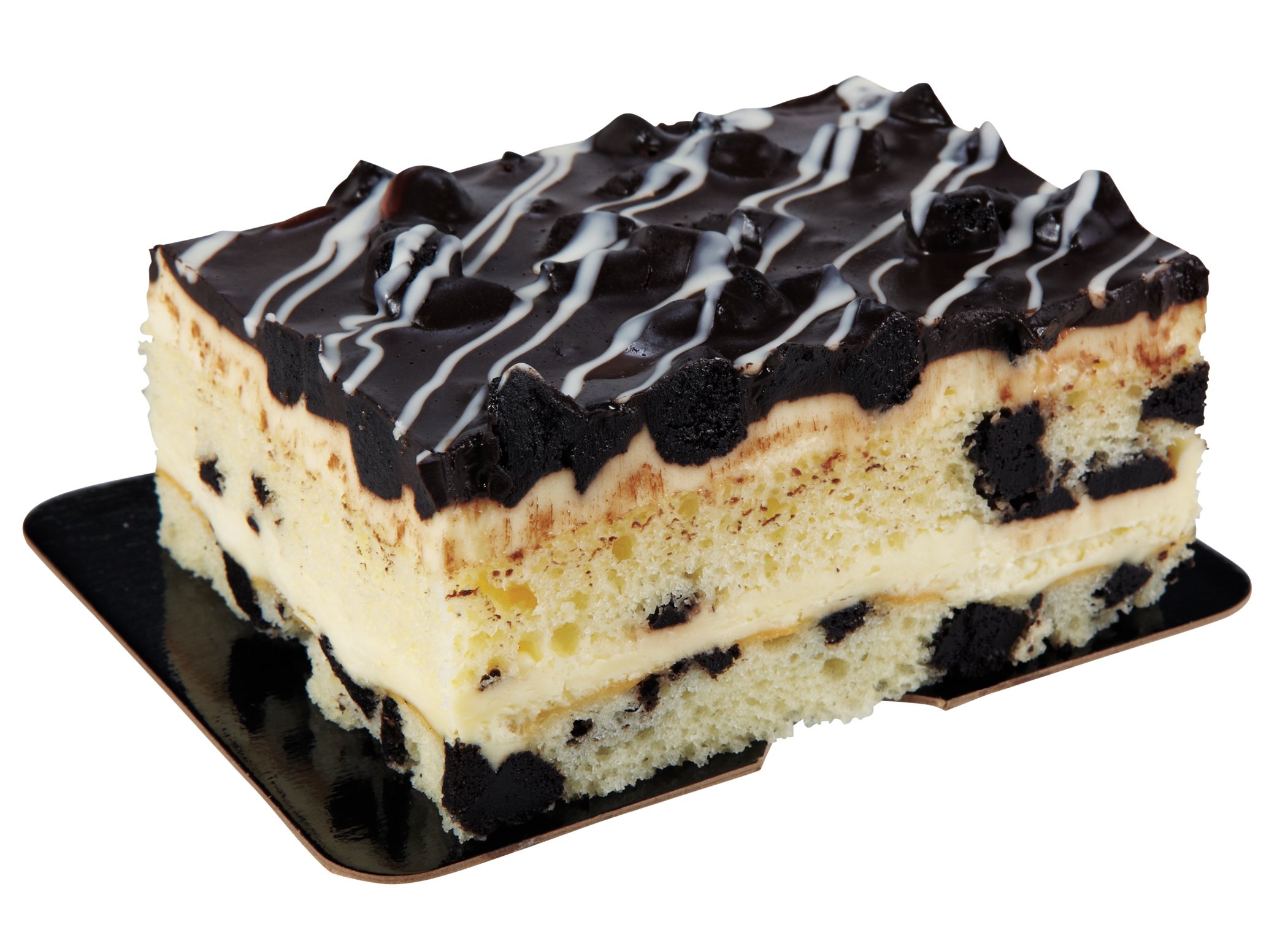
The base of a gluten-free cookie cake is a delicious and essential part of the dessert. It provides a sturdy foundation for the toppings and frosting, and it adds a layer of flavor and texture to the cake.
To make a gluten-free cookie cake base, you will need the following ingredients:
- 1 cup gluten-free flour blend
- 1/2 cup sugar
- 1/2 teaspoon baking soda
- 1/4 teaspoon salt
- 1/2 cup unsalted butter, softened
- 1 large egg
- 1 teaspoon vanilla extract
Once you have gathered your ingredients, you can follow these steps to make the cookie cake base:
- Preheat the oven to 350 degrees Fahrenheit (175 degrees Celsius).
- Line a 9-inch springform pan with parchment paper.
- In a medium bowl, whisk together the flour blend, sugar, baking soda, and salt.
- In a large bowl, cream together the butter and sugar until light and fluffy.
- Beat in the egg and vanilla extract.
- Gradually add the dry ingredients to the wet ingredients, mixing until just combined.
- Press the dough into the prepared pan and bake for 15-20 minutes, or until the edges are golden brown.
- Let the cookie cake base cool completely before adding the toppings and frosting.
The gluten-free cookie cake base is now ready to be enjoyed! You can top it with your favorite frosting and toppings, such as whipped cream, fruit, or sprinkles.
Frosting Options
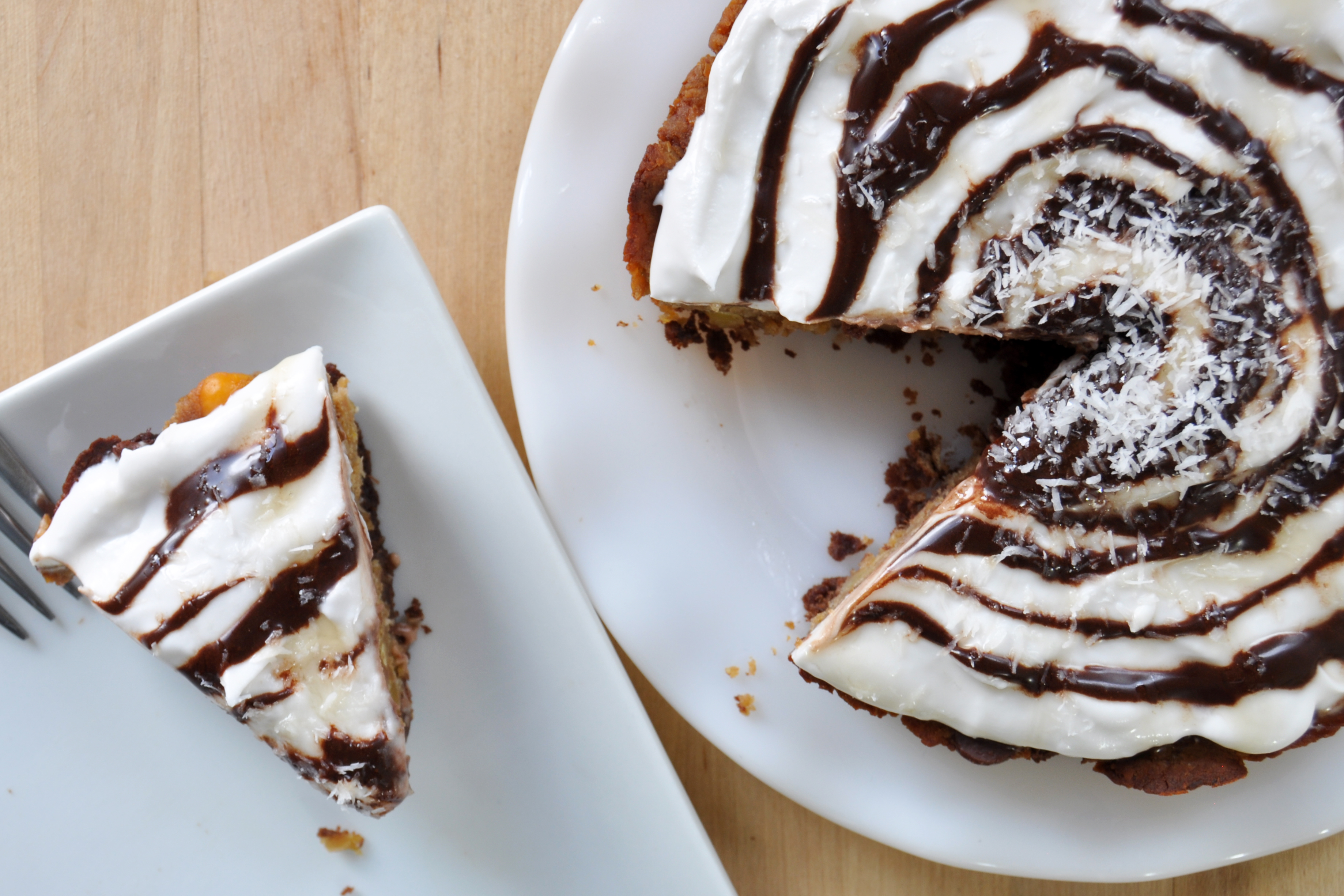
For a gluten-free cookie cake, there are several delicious frosting options available. Each frosting has a unique texture and flavor profile, allowing you to customize your cake to your preference.
Cream Cheese Frosting
- Texture: Creamy and tangy
- Flavor: Rich and slightly sweet
- How to make: Beat together cream cheese, butter, powdered sugar, and vanilla extract until smooth and fluffy.
- How to apply: Spread evenly over the cooled cookie cake base.
Chocolate Ganache Frosting
- Texture: Rich and decadent
- Flavor: Deep chocolatey flavor
- How to make: Heat heavy cream until just simmering, then pour over chopped chocolate. Let stand for 5 minutes, then whisk until smooth.
- How to apply: Pour over the cooled cookie cake base and let set for at least 30 minutes before serving.
Whipped Cream Frosting
- Texture: Light and fluffy
- Flavor: Slightly sweet and creamy
- How to make: Whip heavy cream with powdered sugar and vanilla extract until stiff peaks form.
- How to apply: Spread evenly over the cooled cookie cake base or pipe on decorative swirls.
Toppings and Decorations
The final touch to your gluten-free cookie cake is the toppings and decorations. These elements not only enhance the visual appeal but also add a burst of flavor and texture. Here are some popular gluten-free options to consider:
Sprinkles
Sprinkles are a classic choice that adds a touch of color and fun. Choose gluten-free sprinkles made from rice flour or tapioca starch.
Candy Melts
Candy melts are a versatile topping that can be melted and drizzled over the cake or used to create shapes and designs. Look for gluten-free candy melts made from cocoa butter or vegetable oils.
Obtain recommendations related to cakes for a 40th birthday that can assist you today.
Fresh Fruit, Gluten free cookie cake
Fresh fruit slices, such as strawberries, blueberries, and bananas, provide a refreshing and colorful topping. Arrange the fruit slices on top of the frosting for a vibrant presentation.
Whipped Cream
Whipped cream is a light and airy topping that complements the dense cookie base. Use gluten-free whipped cream made from coconut milk or almond milk.
Chocolate Chips
Chocolate chips are a classic topping that adds a touch of sweetness and crunch. Choose gluten-free chocolate chips made from dark chocolate or semi-sweet chocolate.
Nuts
Nuts, such as chopped walnuts, almonds, or pecans, provide a nutty flavor and a bit of crunch. Sprinkle the nuts on top of the frosting or use them to create a border around the cake.
Tips for Arranging and Applying Toppings:
- Arrange the toppings in a balanced and visually appealing manner.
- Consider the colors and textures of the toppings and how they will complement the cake.
- Apply the toppings gently to avoid disturbing the frosting.
- Use a piping bag or a spoon to drizzle or spread the toppings evenly.
- Chill the cake before adding the toppings to help them adhere better.
Flavor Variations

Gluten-free cookie cakes offer a wide range of flavor possibilities, allowing you to create unique and delicious desserts. By experimenting with different flavor combinations, extracts, spices, and fillings, you can cater to diverse tastes and create a cookie cake that is both visually appealing and delectable.
One classic flavor variation is the chocolate chip cookie cake. To enhance its flavor, try adding a teaspoon of cinnamon or nutmeg to the batter. For a nutty twist, incorporate chopped walnuts or pecans. If you prefer a fruity flavor, fold in dried cranberries or cherries.
Extract and Spice Enhancements
- Vanilla extract is a versatile flavor enhancer that complements most cookie cake flavors. Add a teaspoon or two to the batter for a subtle sweetness.
- Almond extract adds a nutty and aromatic flavor. It pairs well with chocolate chip, snickerdoodle, or sugar cookie cakes.
- Cinnamon and nutmeg are warm spices that enhance the flavors of chocolate, ginger, or pumpkin cookie cakes.
Filling Options
- Cream cheese frosting is a classic filling for cookie cakes. To make it gluten-free, use gluten-free cream cheese and flour.
- Chocolate ganache is a rich and decadent filling that pairs well with chocolate cookie cakes. Simply combine dark chocolate and heavy cream and let it cool until thickened.
- Fruit fillings, such as strawberry jam or blueberry compote, add a burst of sweetness and color to cookie cakes.
Gluten-Free Ingredients
Gluten-free cookie cakes rely on a variety of gluten-free ingredients to achieve their delicious and allergy-friendly texture. These ingredients offer nutritional benefits and unique baking properties that make them essential for gluten-free baking.
Browse the implementation of pepperidge farm chocolate cake in real-world situations to understand its applications.
Gluten-Free Flours
- Almond flour: Made from finely ground almonds, it’s rich in healthy fats, protein, and fiber.
- Coconut flour: Derived from dried coconut meat, it’s high in fiber and has a slightly sweet taste.
- Quinoa flour: Milled from quinoa grains, it’s a complete protein source and rich in essential amino acids.
- Brown rice flour: Made from whole brown rice, it provides fiber, vitamins, and minerals.
Other Essential Ingredients
- Xanthan gum: A natural thickener that helps bind gluten-free ingredients and improves texture.
- Baking powder and soda: Leavening agents that create a light and fluffy cake.
- Dairy-free milk and butter: Substitutes for traditional dairy products, providing moisture and richness.
- Sugar and sweeteners: Sweeteners like honey or maple syrup add sweetness without compromising the gluten-free nature of the cake.
Health Benefits of Gluten-Free Cookie Cakes
Gluten-free cookie cakes offer several potential health benefits due to the absence of gluten, a protein found in wheat, rye, and barley that can trigger digestive issues in some individuals.
Consuming gluten-free cookie cakes can improve digestion and reduce inflammation for those with gluten intolerance or celiac disease. Gluten-free ingredients like almond flour, coconut flour, and tapioca flour are easily digestible and do not cause the same digestive discomfort as gluten-containing ingredients.
In terms of nutritional content, gluten-free cookie cakes can be a good source of fiber, protein, and healthy fats. Almond flour and coconut flour are both rich in fiber, which promotes digestive health and helps regulate blood sugar levels. Additionally, gluten-free cookie cakes often contain nuts and seeds, which provide protein and healthy fats.
Nutritional Content
The nutritional content of gluten-free cookie cakes can vary depending on the specific ingredients used. However, a typical gluten-free cookie cake may contain:
- Calories: 250-350 per slice
- Fat: 10-15 grams per slice
- Carbohydrates: 30-40 grams per slice
- Protein: 5-10 grams per slice
- Fiber: 5-10 grams per slice
It’s important to note that gluten-free cookie cakes should be consumed in moderation as they can still be high in calories and sugar. Additionally, individuals with specific dietary restrictions or allergies should carefully review the ingredient list to ensure the cookie cake is suitable for their needs.
Serving and Presentation
Presenting a gluten-free cookie cake can be an art form. Here are some ideas to make your cake the star of the show:
Cutting and Arranging: Cut the cake into wedges or squares, or use cookie cutters to create fun shapes. Arrange the pieces on a serving platter or cake stand, overlapping them slightly for a visually appealing effect.
Plating
- Use contrasting colors: Place the cake on a plate with a contrasting color to make it stand out.
- Add a drizzle: Drizzle chocolate, caramel, or fruit sauce over the cake for a touch of sweetness and color.
- Sprinkle with toppings: Sprinkle chopped nuts, sprinkles, or grated chocolate over the cake for added texture and flavor.
- Create a centerpiece: Arrange the cake in the center of a platter and surround it with fresh fruit, flowers, or candles for a festive presentation.
Storage and Freezing: Gluten Free Cookie Cake
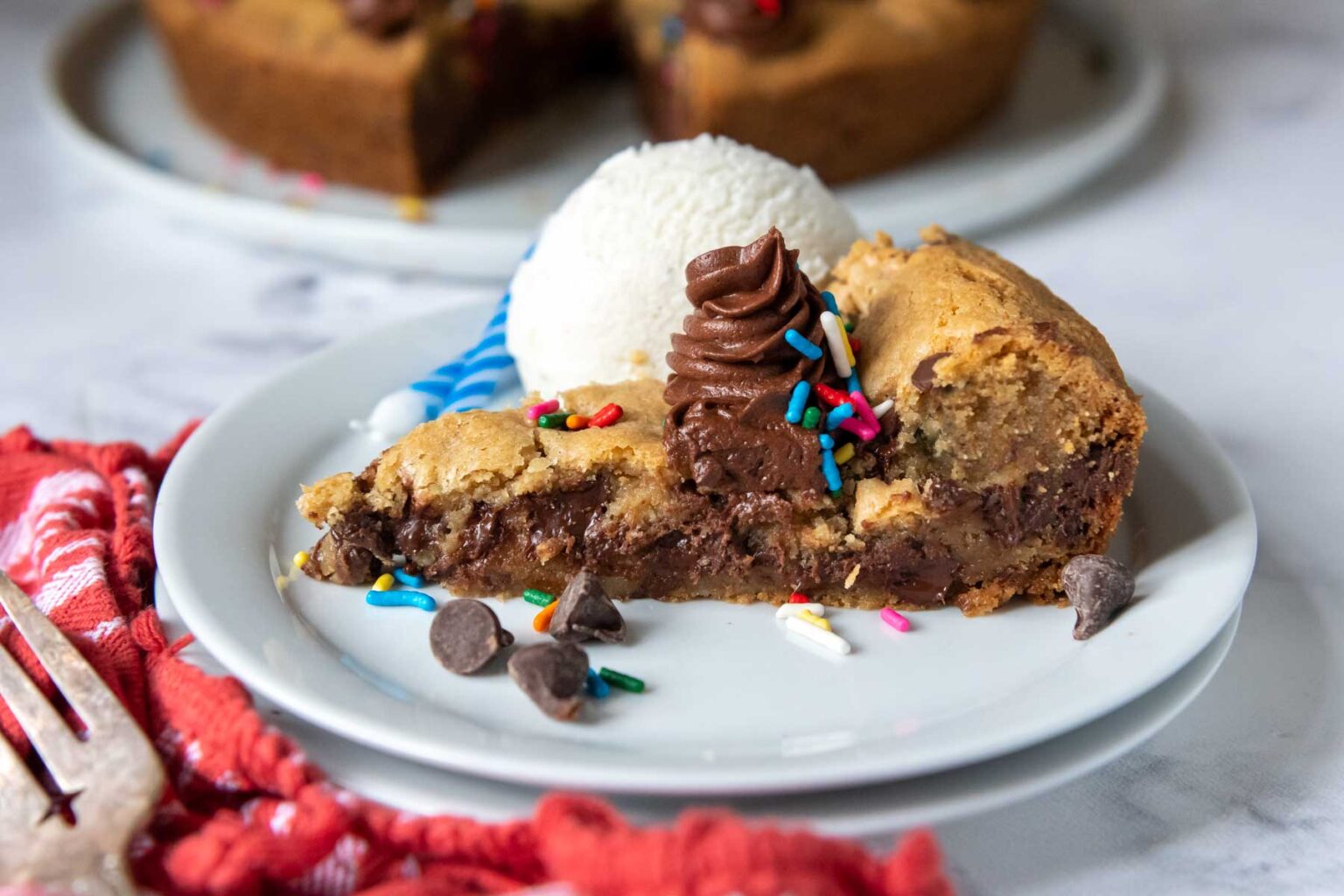
Proper storage and freezing techniques are crucial for preserving the freshness and texture of gluten-free cookie cakes. Understanding the ideal conditions and appropriate methods will ensure that your delicious treats remain enjoyable for longer.
Storing Gluten-Free Cookie Cakes
- Room Temperature: For immediate consumption or short-term storage (up to 2 days), keep the cake in an airtight container at room temperature.
- Refrigeration: For longer storage (up to 5 days), refrigerate the cake in an airtight container to maintain its freshness and prevent spoilage.
Freezing Gluten-Free Cookie Cakes
- Wrap Tightly: Wrap the cake securely in plastic wrap or aluminum foil to prevent freezer burn.
- Double Wrap: For extra protection, place the wrapped cake in a freezer-safe bag or container.
- Label and Date: Label the package with the date of freezing to track its shelf life.
Shelf Life
- Room Temperature: 1-2 days
- Refrigeration: 4-5 days
- Freezing: 2-3 months
Tips for Preserving Freshness and Texture
- Use a serrated knife to cut the cake to avoid crumbling.
- If freezing, thaw the cake overnight in the refrigerator before serving to preserve its texture.
- Consider freezing individual slices for portion control and convenience.
Comparison to Traditional Cookie Cakes
Gluten-free cookie cakes have become increasingly popular as a delicious and inclusive dessert option. Compared to traditional cookie cakes, they offer unique characteristics and advantages, while still providing a satisfying dessert experience.
Taste and Texture: Gluten-free cookie cakes typically have a denser texture compared to traditional cookie cakes. This is due to the absence of gluten, which provides a chewy and elastic texture. However, gluten-free flour blends have improved significantly over the years, and skilled bakers can create gluten-free cookie cakes that are moist, flavorful, and have a texture that closely resembles traditional cookie cakes.
Appearance: Visually, gluten-free cookie cakes may appear slightly different from traditional cookie cakes. They often have a more rustic or homemade look, as gluten-free flours tend to brown differently. However, with careful attention to ingredients and baking techniques, gluten-free cookie cakes can be just as visually appealing as traditional cookie cakes.
Advantages of Gluten-Free Cookie Cakes
- Dietary Restrictions: Gluten-free cookie cakes are a suitable alternative for individuals with celiac disease, gluten intolerance, or wheat allergies. They allow these individuals to enjoy a delicious dessert without compromising their dietary needs.
- Healthier Ingredients: Many gluten-free cookie cakes use alternative flours such as almond flour, coconut flour, or oat flour. These flours are often considered healthier options as they are naturally gluten-free, high in fiber, and contain essential nutrients.
Advantages of Traditional Cookie Cakes
- Classic Taste and Texture: Traditional cookie cakes have a familiar taste and texture that many people enjoy. The chewy and slightly crispy texture is often preferred by those who are accustomed to the classic cookie cake experience.
- Widely Available: Traditional cookie cakes are more widely available in bakeries and grocery stores compared to gluten-free cookie cakes. This makes them easier to find and purchase.
Ultimately, the choice between gluten-free and traditional cookie cakes depends on personal preferences and dietary requirements. Both types of cookie cakes can provide a delicious and enjoyable dessert experience.