Prepare to embark on a culinary adventure with our herbes de Provence chicken recipe. This dish combines the vibrant flavors of the Mediterranean, promising a symphony of taste that will tantalize your senses and transport you to the sun-drenched landscapes of Provence.
From the aromatic blend of herbs to the succulent chicken roasted to perfection, every element of this recipe is designed to create a memorable dining experience. So, gather your ingredients, fire up your oven, and let’s dive into the world of herbes de Provence chicken.
Introduction to Herbes de Provence Chicken
Prepare to tantalize your taste buds with our exquisite Herbes de Provence Chicken recipe. This delectable dish draws inspiration from the sun-drenched hills of Provence, a region in southeastern France renowned for its fragrant herbs.
Origins and History of Herbes de Provence
Herbes de Provence is a classic blend of aromatic herbs that has been used for centuries to enhance the flavors of Mediterranean cuisine. Its origins can be traced back to the Middle Ages, when monks cultivated herbs in monastery gardens for medicinal and culinary purposes.
Characteristic Flavors and Aromas of Herbes de Provence
The distinct flavor profile of Herbes de Provence is characterized by a harmonious balance of earthy, floral, and citrus notes. The blend typically includes herbs such as thyme, rosemary, marjoram, oregano, lavender, and savory, each contributing its unique aroma and taste.
Overview of the Recipe
Our Herbes de Provence Chicken recipe combines the vibrant flavors of this aromatic blend with succulent chicken. The chicken is marinated in a mixture of herbs, olive oil, lemon juice, and garlic, resulting in a tender and flavorful dish that will transport you to the heart of Provence with every bite.
Ingredients
The symphony of flavors in Herbes de Provence Chicken is orchestrated by a carefully selected ensemble of ingredients, each contributing its unique note to the harmonious whole.
Chicken:The canvas upon which the aromatic herbs paint their masterpiece. Opt for bone-in, skin-on chicken pieces to maximize flavor and juiciness.
Herbs de Provence
This iconic blend of herbs is the heart and soul of the dish. Its earthy, fragrant notes provide a complex yet balanced flavor profile.
- Thyme:A woody herb with a slightly minty aroma, thyme adds a subtle sweetness and depth of flavor.
- Rosemary:With its pungent, piney notes, rosemary complements the earthy thyme and brings a hint of freshness.
- Marjoram:A milder herb with a delicate, slightly sweet flavor, marjoram rounds out the blend, adding a touch of warmth.
- Oregano:A robust herb with a slightly bitter, earthy flavor, oregano adds a subtle savory note.
- Lavender:A surprising addition, lavender imparts a floral, slightly sweet aroma that enhances the overall complexity.
Lemon:A squeeze of lemon juice brightens the dish, balancing the richness of the herbs and chicken.
Garlic:Aromatics play a crucial role in flavor development, and garlic is no exception. Its pungent, savory notes add depth and complexity.
Olive Oil:This liquid gold helps the herbs adhere to the chicken, enhancing flavor absorption. It also promotes even cooking and prevents dryness.
Substitutions
For those with dietary restrictions, here are some alternative ingredients:
- Chicken:Tofu or tempeh can be used as a plant-based protein alternative.
- Herbs de Provence:A blend of Italian herbs or a combination of thyme, rosemary, and oregano can be used as a substitute.
- Lemon:Lime juice can be used instead of lemon juice.
- Olive Oil:Avocado oil or another neutral-tasting oil can be used instead of olive oil.
Preparation
Preparing the chicken for roasting involves several key steps that ensure a flavorful and succulent dish. Let’s explore the techniques and steps involved.
Marinating
Marinating the chicken in a mixture of herbs de Provence, olive oil, and lemon juice enhances its flavor and tenderness. To do this, combine the ingredients in a large bowl and add the chicken. Massage the marinade into the chicken, ensuring it covers all surfaces.
Cover the bowl and refrigerate for at least 4 hours, or overnight if possible. This allows the flavors to penetrate the chicken, resulting in a more flavorful dish.
Seasoning
Before roasting, season the chicken generously with salt and pepper. This step adds depth of flavor and balances the sweetness of the herbs. Sprinkle the salt and pepper evenly over the chicken, ensuring it adheres to the surface.
Roasting, Herbes de provence chicken recipe
Preheat the oven to 400°F (200°C). Place the chicken on a wire rack set over a roasting pan. This allows the air to circulate around the chicken, promoting even cooking. Roast the chicken for 60-75 minutes, or until the internal temperature reaches 165°F (74°C) when measured with a meat thermometer inserted into the thickest part of the thigh.
Basting the chicken with the pan juices occasionally during roasting adds extra flavor and keeps it moist.
Tips for Perfect Texture and Doneness
- For a crispy skin, pat the chicken dry with paper towels before roasting.
- Use a meat thermometer to ensure the chicken is cooked to the correct internal temperature.
- Allow the chicken to rest for 10-15 minutes before carving. This allows the juices to redistribute, resulting in a more tender and juicy chicken.
Herbes de Provence Blend
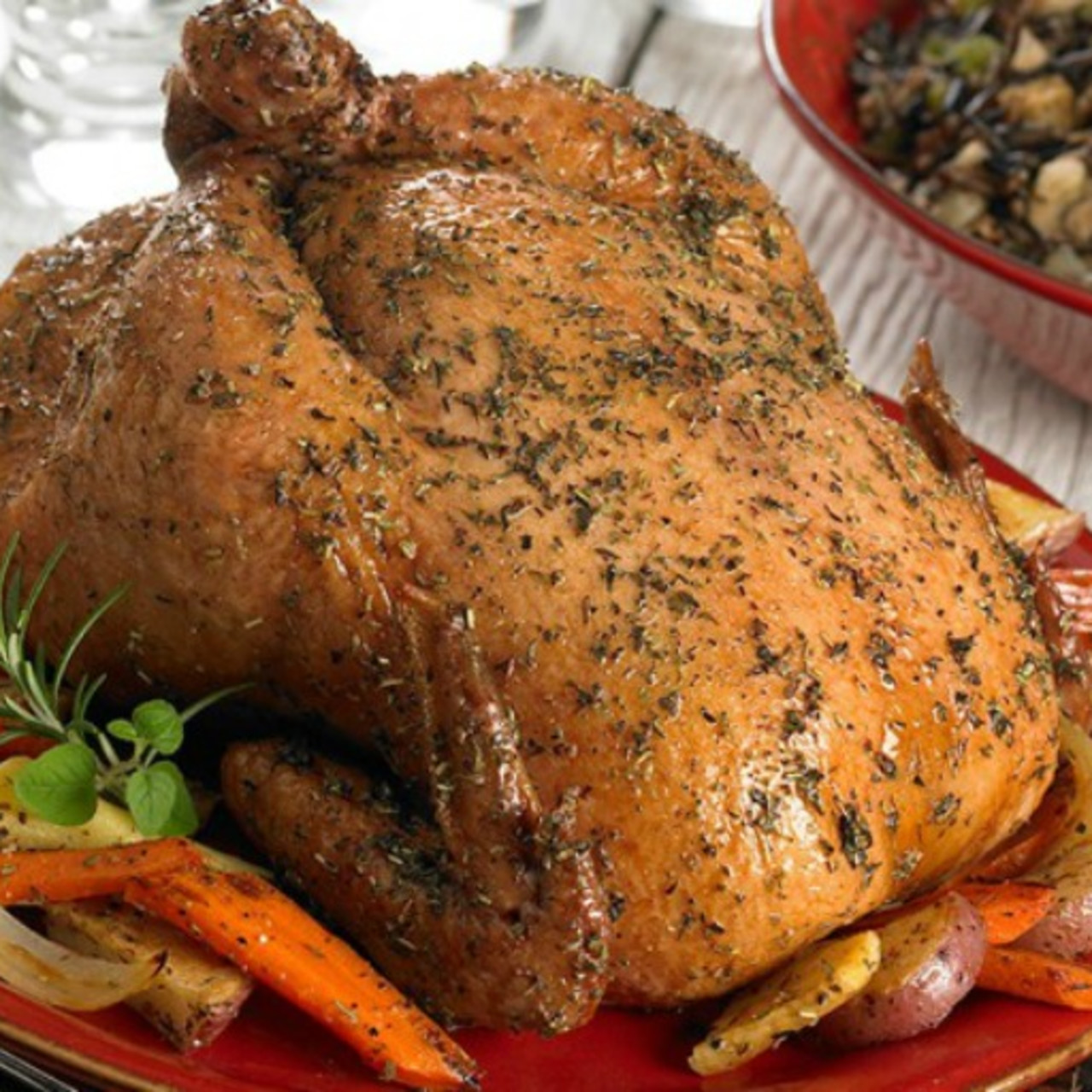
Herbes de Provence is a classic French herb blend that imparts a savory and aromatic flavor to various dishes. Its composition varies, but typically includes:
- Rosemary
- Thyme
- Marjoram
- Oregano
- Basil
- Lavender (optional)
To make your own blend, combine equal parts of dried rosemary, thyme, marjoram, and oregano. If desired, add a small amount of dried lavender for a floral note. You can also purchase a store-bought Herbes de Provence blend.
This versatile blend not only enhances the flavor of chicken but also adds depth to grilled vegetables, roasted potatoes, and marinades. Its herbaceous aroma and earthy notes make it a staple in Provençal cuisine and beyond.
Marinating the Chicken
Marinating is an essential step in preparing Herbes de Provence chicken. It involves soaking the chicken in a flavorful liquid to tenderize the meat and infuse it with aromatic herbs and spices.
The Herbes de Provence blend, with its vibrant mix of herbs, is an ideal choice for marinating chicken. The herbs release their flavors into the marinade, creating a savory and aromatic liquid that penetrates the chicken.
Marinating Times
The duration of marinating depends on the desired intensity of flavor. For a subtle infusion, marinate the chicken for at least 30 minutes. For a more pronounced flavor, marinate for up to 24 hours.
Remember, marinating for extended periods can result in the herbs overpowering the chicken’s natural flavor. Therefore, it’s important to find a balance that suits your taste preferences.
Roasting the Chicken
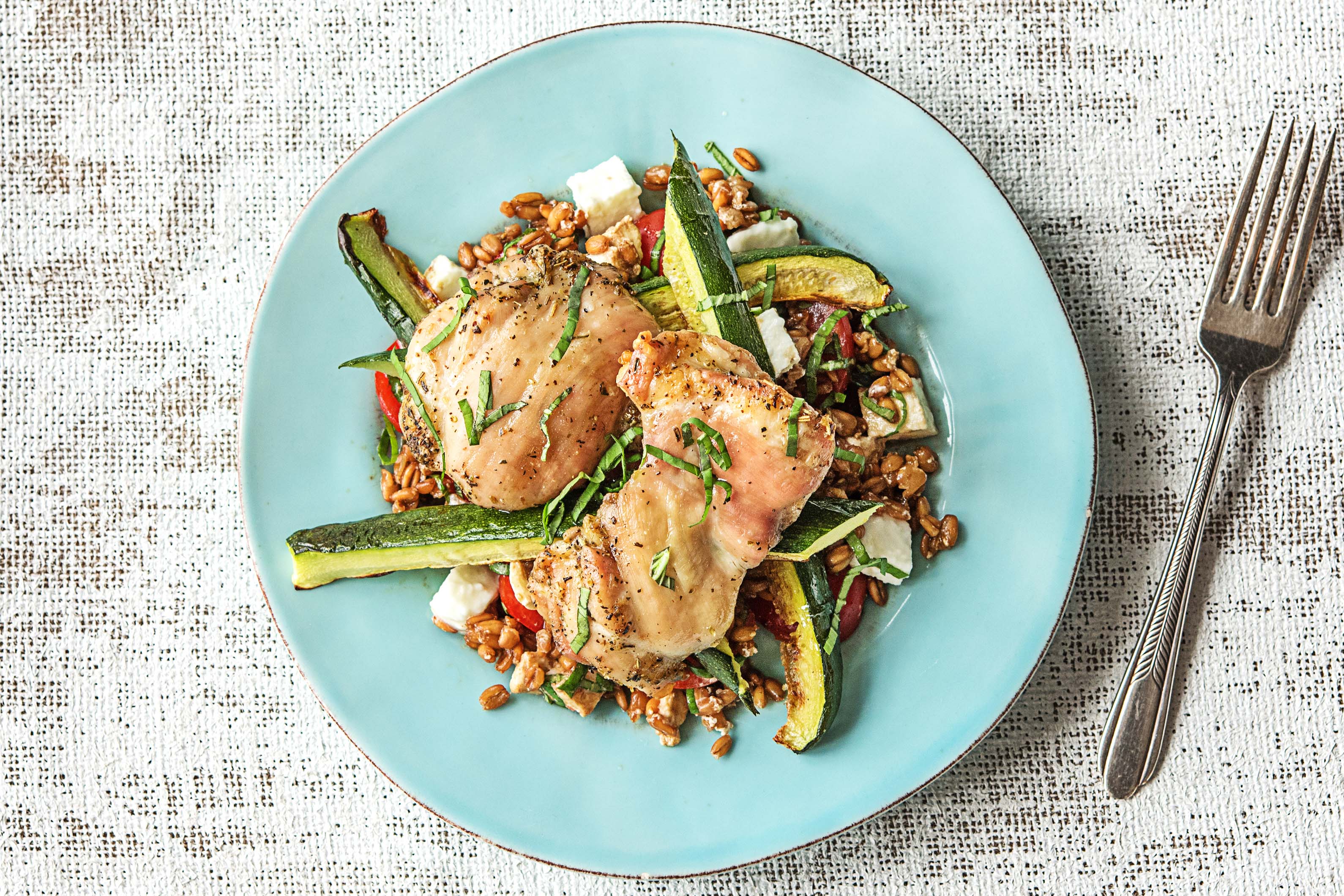
To roast the chicken, preheat your oven to 425°F (220°C). Place the chicken on a roasting rack set over a baking sheet. Roast for 30-45 minutes, or until the skin is golden brown and the internal temperature reaches 165°F (74°C) when measured with a meat thermometer inserted into the thickest part of the thigh.
To achieve crispy skin, make sure to pat the chicken dry before roasting. You can also brush the skin with olive oil or melted butter. To prevent the chicken from drying out, cover the breast with foil during the last 15-20 minutes of roasting.
Monitoring the Chicken
It’s crucial to monitor the chicken’s temperature during roasting to ensure it reaches the proper internal temperature and is cooked safely. Using a meat thermometer is the most accurate method to determine doneness.
Tips for Crispy Skin
- Pat the chicken dry before roasting.
- Brush the skin with olive oil or melted butter.
- Roast the chicken at a high temperature (425°F) for the first 30 minutes.
Tips for Juicy Meat
- Use a whole chicken with the bone in.
- Cover the breast with foil during the last 15-20 minutes of roasting.
- Let the chicken rest for 10-15 minutes before carving.
Serving Suggestions
Herbes de Provence chicken is a versatile dish that can be enjoyed in various ways. Its aromatic flavors pair well with a range of side dishes and accompaniments.
Side Dishes
Consider serving Herbes de Provence chicken with roasted vegetables, such as carrots, potatoes, or zucchini. The sweetness of the roasted vegetables complements the savory flavors of the chicken. Alternatively, a simple green salad with a light vinaigrette dressing provides a refreshing contrast to the richness of the chicken.
Accompaniments
A variety of sauces and condiments can enhance the flavors of Herbes de Provence chicken. Serve it with a creamy garlic sauce, a tangy lemon-herb sauce, or a classic Dijon mustard. A side of crusty bread is also a great way to soak up the delicious juices.
Versatility
Herbes de Provence chicken is a perfect dish for any occasion. It can be served as a casual weeknight dinner or as an elegant main course for a special event. The versatility of this dish makes it a crowd-pleaser that will satisfy a wide range of tastes.
Variations
Experiment with different cuts of chicken to find your favorite. Bone-in, skin-on chicken thighs or breasts will give you a juicy, flavorful result, while boneless, skinless chicken breasts will cook more quickly and evenly. You can also try using a whole chicken, which will take longer to cook but will yield a more flavorful and impressive dish.
In addition to the classic herbes de Provence blend, you can add other ingredients to your marinade to customize the flavor. Some popular additions include:
Lemon zest
Lemon zest adds a bright, citrusy flavor to the chicken. Add 1-2 teaspoons of lemon zest to the marinade for a refreshing twist.
Garlic
Garlic adds a savory, earthy flavor to the chicken. Add 1-2 cloves of minced garlic to the marinade for a more robust flavor.
Honey
Honey adds a touch of sweetness to the chicken. Add 1-2 tablespoons of honey to the marinade for a glaze that will caramelize in the oven.
Mustard
Mustard adds a tangy, savory flavor to the chicken. Add 1-2 tablespoons of Dijon mustard to the marinade for a more complex flavor.
Spices
You can also add your favorite spices to the marinade to customize the flavor. Some popular choices include paprika, cumin, chili powder, or oregano.
Nutritional Information
Herbes de Provence chicken is a relatively healthy dish, providing a good source of lean protein, vitamins, and minerals. The chicken itself is a lean protein, meaning it is low in fat and calories. The herbs and spices used in the marinade provide antioxidants, which can help protect cells from damage.
If you’re looking for a delicious and easy dinner, try this herbes de provence chicken recipe. It’s perfect for a weeknight meal and can be paired with a variety of side dishes. And if you’re looking for a sweet treat to end your meal, check out these duncan hines coconut cake mix recipes . They’re sure to satisfy your craving for something sweet.
To get back to the herbes de provence chicken, it’s important to marinate the chicken for at least 30 minutes before cooking. This will help the flavors to penetrate the chicken and make it extra delicious.
One serving of herbes de Provence chicken (about 4 ounces) contains approximately:
- 250 calories
- 30 grams of protein
- 10 grams of fat
- 5 grams of carbohydrates
Health Benefits of Ingredients
The ingredients used in herbes de Provence chicken offer several health benefits:
- Chicken:Chicken is a lean protein that is low in fat and calories. It is also a good source of vitamins, minerals, and antioxidants.
- Herbs:The herbs used in the marinade, such as rosemary, thyme, and oregano, are all good sources of antioxidants. Antioxidants can help protect cells from damage, which may reduce the risk of chronic diseases such as heart disease and cancer.
- Spices:The spices used in the marinade, such as black pepper and garlic, also have health benefits. Black pepper contains piperine, a compound that has been shown to have anti-inflammatory and antioxidant properties. Garlic contains allicin, a compound that has been shown to have antibacterial and antiviral properties.
Making the Dish Healthier
There are several ways to make herbes de Provence chicken even healthier without compromising flavor:
- Use a leaner cut of chicken.Chicken breast is a leaner cut of chicken than chicken thigh or drumstick. It is also lower in calories and fat.
- Reduce the amount of oil used in the marinade.You can still get a flavorful marinade without using a lot of oil. Just use enough to coat the chicken.
- Add more vegetables to the dish.Vegetables are a great way to add nutrients to your meal without adding a lot of calories. You can add vegetables to the marinade, or you can roast them alongside the chicken.
Conclusion
In summary, Herbes de Provence chicken is a delectable and versatile dish that combines the vibrant flavors of aromatic herbs with tender, juicy chicken. Its unique blend of rosemary, thyme, lavender, and other herbs imparts a savory and earthy taste that complements the chicken perfectly.
Whether you’re hosting a dinner party or simply looking for a flavorful weeknight meal, this recipe is sure to impress. Its ease of preparation and adaptability make it an excellent choice for any occasion. So, gather your ingredients, fire up your oven, and indulge in the culinary delights of Herbes de Provence chicken.
Don’t forget to share your experiences and variations of this recipe in the comments section below. We’d love to hear from you!
Closure: Herbes De Provence Chicken Recipe

As you savor the last bite of your herbes de Provence chicken, take a moment to appreciate the culinary journey you’ve been on. This dish is not merely a meal; it’s a celebration of flavors, a testament to the power of simple ingredients combined with culinary expertise.
Whether you’re hosting a special occasion or simply treating yourself to a comforting meal, this recipe is sure to impress and delight.