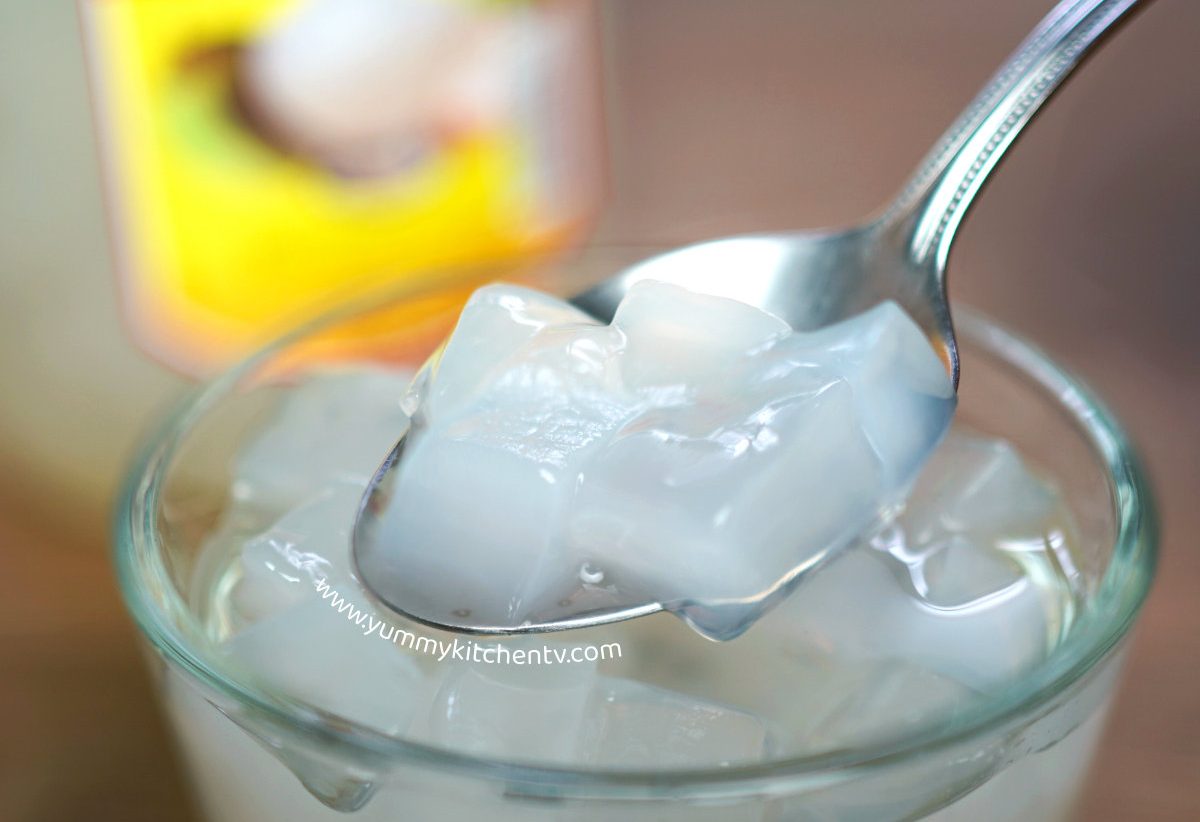
Nata de coco recipe – Nata de coco, a delectable treat made from fermented coconut water, is a culinary gem that has captured the hearts of dessert enthusiasts worldwide. Its unique texture and versatility have made it a beloved ingredient in a myriad of dishes, from refreshing beverages to tantalizing desserts.
In this comprehensive guide, we delve into the secrets of crafting the perfect nata de coco at home, exploring its nutritional value, and uncovering its surprising health benefits.
From the traditional fermentation process to innovative methods using different starter cultures, we provide a thorough overview of the various techniques involved in nata de coco production. We also offer a range of recipes with varying ingredients and proportions, empowering you to customize your nata de coco to suit your taste preferences.
Nata de Coco Production Methods

Nata de coco is a jelly-like food product made from fermented coconut water. The traditional method of producing nata de coco involves the following steps:
- Coconut water is collected from mature coconuts.
- The coconut water is mixed with a starter culture, which is a type of bacteria that produces cellulose.
- The mixture is incubated for several days, during which time the bacteria ferment the coconut water and produce cellulose.
- The cellulose forms a thick, gelatinous layer on the surface of the liquid.
- The nata de coco is harvested by scraping it off the surface of the liquid.
There are a number of alternative methods for producing nata de coco, including:
- Using different starter cultures. Different types of bacteria can be used to produce nata de coco, each of which will produce a slightly different texture and flavor.
- Using different substrates. Nata de coco can be produced from a variety of different substrates, including coconut water, pineapple juice, and sugarcane juice.
- Using different fermentation conditions. The temperature, pH, and oxygen levels during fermentation can all affect the quality of the nata de coco.
The traditional method of producing nata de coco is relatively simple and inexpensive, but it can be time-consuming. Alternative methods can be more efficient or produce a higher quality product, but they may also be more expensive.
Recipe Variations and Flavoring
Nata de coco’s versatility extends beyond its basic form, offering a canvas for culinary creativity. By incorporating different ingredients and adjusting proportions, you can create a range of flavors and textures that cater to diverse palates.
Experiment with the following variations to explore the full potential of nata de coco:
Fruit Infusions
- Enhance the natural sweetness of nata de coco by infusing it with fresh or frozen fruits such as strawberries, mangoes, or pineapples. Simply combine the fruit and nata de coco in a sealed container and refrigerate overnight.
- For a tropical twist, blend together pineapple, coconut milk, and nata de coco to create a refreshing and flavorful smoothie.
Flavoring Additions
- Elevate the taste of nata de coco by adding extracts or spices. Vanilla extract, cinnamon, or nutmeg can add warmth and depth of flavor.
- For a tangy twist, incorporate lemon or lime zest, or a squeeze of fresh citrus juice.
Sweetness Adjustments
Adjust the sweetness of your nata de coco to your liking. Use natural sweeteners like honey or maple syrup, or add granulated sugar for a more intense sweetness.
Texture Variations
Control the texture of your nata de coco by varying the cooking time. Longer cooking results in a firmer texture, while shorter cooking yields a softer, more gelatinous texture.
For descriptions on additional topics like baked egg challenge recipe, please visit the available baked egg challenge recipe.
Nutritional Value and Health Benefits: Nata De Coco Recipe
Nata de coco is a nutrient-rich food with a unique composition that offers several health benefits. Let’s explore its nutritional value and potential health advantages.
You also will receive the benefits of visiting eat n park potato soup recipe today.
Fiber Content, Nata de coco recipe
Nata de coco is an excellent source of dietary fiber, which plays a crucial role in maintaining a healthy digestive system. It contains both soluble and insoluble fiber, which promote regularity, prevent constipation, and regulate blood sugar levels.
Carbohydrate Content
Nata de coco is primarily composed of carbohydrates, which provide energy for the body. However, it is low in digestible carbohydrates and contains high amounts of indigestible fiber, making it a suitable option for individuals managing blood sugar levels.
Mineral Composition
Nata de coco is a good source of minerals, including potassium, magnesium, and calcium. Potassium helps regulate blood pressure, while magnesium supports muscle and nerve function. Calcium is essential for strong bones and teeth.
Health Benefits
Consuming nata de coco has been associated with several health benefits:
- Improved Digestion:The high fiber content of nata de coco aids in digestion by promoting regular bowel movements and preventing constipation.
- Cholesterol Management:The soluble fiber in nata de coco binds to cholesterol in the digestive tract, preventing its absorption into the bloodstream and helping to lower cholesterol levels.
Dietary Recommendations
Nata de coco can be incorporated into a balanced diet in various ways:
- As a topping for desserts or yogurt
- Added to smoothies or shakes
- Used as a thickener in soups or stews
- Eaten as a snack or side dish
Commercial Applications and Market Trends
Nata de coco has gained significant commercial importance in the food and beverage industry due to its unique texture, versatility, and nutritional value. It is widely used as an ingredient in various products, including:
- Beverages:Nata de coco is a popular addition to fruit juices, smoothies, and bubble tea, adding a chewy texture and refreshing flavor.
- Desserts:Nata de coco is commonly used in desserts such as puddings, ice cream, and fruit salads, providing a sweet and crunchy element.
- Confectionery:Nata de coco is incorporated into candies, chocolates, and other confectionery products, adding a unique texture and flavor.
- Bakery:Nata de coco is used as a filling or topping for pastries, breads, and cakes, adding a chewy and flavorful element.
- Savory dishes:Nata de coco can be added to salads, stir-fries, and other savory dishes, providing a crunchy texture and a touch of sweetness.
The global market for nata de coco is experiencing steady growth, driven by increasing demand for natural and healthy food ingredients, as well as its versatility and wide range of applications. The market is expected to continue growing in the coming years, with emerging markets in Asia and South America contributing to this growth.
The competitive landscape for nata de coco production is fragmented, with a large number of small and medium-sized producers. However, several large multinational companies are also involved in the production and distribution of nata de coco products. Key factors driving competition include product quality, innovation, and distribution channels.
Final Review
Whether you’re a seasoned culinary adventurer or a novice cook, this guide to nata de coco will inspire you to create delectable treats that will tantalize your taste buds and nourish your body. So, let’s dive into the world of nata de coco and discover the joy of crafting this delightful delicacy in your own kitchen.